Pruning
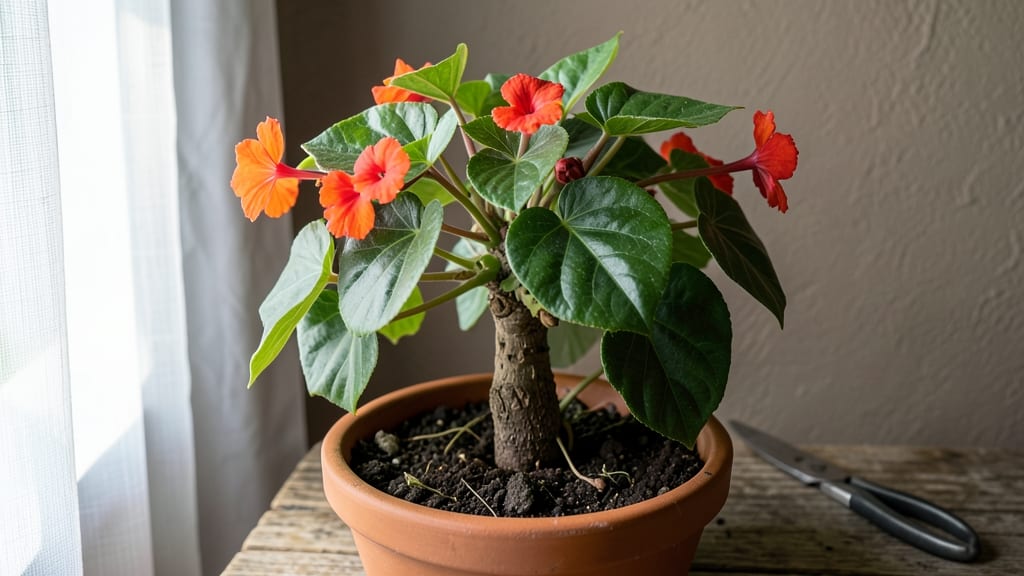
Growing an angel wing begonia tree transforms your space into a lush, tropical retreat with its striking wing-shaped leaves. 🌿 I’ve nurtured mine for years, and the key to its success lies in patience—this plant grows slowly but rewards you with dramatic foliage that thrives in Pacific Northwest humidity.
The secret isn’t just watering; it’s mastering light, pruning for shape, and avoiding common pitfalls that turn leaves yellow or crispy.
This begonia loves bright, indirect light—think east-facing windows or filtered shade outdoors. Too much sun scorches those delicate leaves, while low light makes them pale and leggy. Keep the soil consistently moist but never soggy (a well-draining mix is a must), and boost humidity with a pebble tray or misting.
The Pacific Northwest’s damp air works in your favor here, but indoor growers may need extra help keeping those leaves happy.
Pruning isn’t just about shaping—it’s about encouraging that tree-like form you’re dreaming of. Pinch back leggy stems in early spring to spur bushier growth, and trim stragglers to maintain balance.
With the right care, you’ll end up with a plant that’s equal parts statement piece and conversation starter, its glossy leaves catching the light like stained glass.
Common mistakes? Overwatering (root rot is the enemy), ignoring pests (spider mites love dry air), and skipping pruning (which leads to a scraggly mess). But once you’ve got the rhythm down, this begonia becomes a low-maintenance showstopper—perfect for indoor jungles or shaded outdoor spots. Let’s get yours thriving!
📚 In This Guide
- What you need
- Instructions
- Tips and common mistakes
- Wrapping up and next steps
What you need
- ● Pruning shears: Bypass pruners (sharp, clean, and sterilized with rubbing alcohol to prevent disease). Size: 5-7 inches for precision.
- ○ Gloves: Lightweight, breathable gardening gloves (to protect from thorns and sap). Optional: Nitrile-coated for extra grip.
- ● Disinfectant: 70% isopropyl alcohol or a horticultural spray (for tool sterilization between cuts).
- ● Pruning saw: Only if needed for thicker stems (small handsaw with a fine-tooth blade).
- ○ Roots stimulator: Optional but helpful—mycorrhizal powder or rooting hormone for cuttings.
- ● Small pots/containers: 4-6 inch pots with drainage holes (if propagating cuttings). Material: Terracotta or plastic.
- ● Potting mix: Well-draining, peaty mix (e.g., 50% peat moss, 30% perlite, 20% orchid bark).
- ● Mulch: Organic mulch (e.g., shredded bark or pine needles) to retain moisture and regulate temperature.
- ● Rain gear: Waterproof gloves, apron, or poncho (PNW weather is unpredictable!).
- ● Sun protection: Lightweight long sleeves or a hat (especially during overcast but damp days).
- ● Indoor setup (if needed): Grow lights (LED or fluorescent, 12-16 hours/day for cuttings).
- ● Humidity dome or plastic bag (to retain moisture while rooting).
- ● ✨ Timing: Prune in early spring (March-April) to encourage new growth before PNW’s rainy season peaks.
- ● 🌡️ Temperature: Work in mild temps (50–70°F)—avoid pruning during PNW’s chilly mornings or heatwaves.
- ● 🔪 Cutting technique: Use sterile shears and make cuts at a just above a leaf node.
Step-by-Step pruning guide for angel wing begonia trees
Keep your begonia's signature wings lush and vibrant with these PNW-friendly pruning techniques.
🌿 Step 1: Identify and Remove Dead or Yellowed Foliage
Start by inspecting your angel wing begonia for any leaves that have turned brown, yellowed, or appear mushy. These are clear signs of damage or disease. Use clean, sharp pruning shears to make your cuts—dull blades can crush stems and invite infection. I always sterilize my shears with rubbing alcohol between cuts to prevent spreading any potential pathogens.
Focus on removing entire leaves rather than just the damaged parts. The plant's energy is better spent growing new healthy leaves than trying to revive compromised ones. You'll notice the stems often have small nodes where leaves attach—these are your natural pruning points. Cut just above these nodes to encourage new growth from there.
✂️ Step 2: Shape the Tree by Pruning Leggy Growth
Angel wing begonias tend to grow leggy, especially in lower-light conditions common in Pacific Northwest homes. Look for stems that are stretching too far between leaves or growing toward a single light source. These are your targets for shaping prunes. I like to step back and visually assess the plant's form before making any cuts—this helps me see the overall structure.
Make your cuts at a 45-degree angle about ¼ inch above a leaf node or bud. This angle helps water run off the cut rather than pool on it. Never cut into the woody center of the stem—this can harm the plant's vascular system. After pruning, you'll often see new side shoots emerging from the nodes within 2-3 weeks, which helps fill out the plant's shape.
🌱 Step 3: Encourage Bushier Growth with Strategic Pinching
To promote a fuller, more tree-like appearance, focus on pinching back the tips of new growth. This might seem counterintuitive, but it actually stimulates the plant to produce more branches. Use your fingers to gently pinch off the top ¼ to ½ inch of new growth just above a leaf node. You don't need pruning shears for this—your fingernails work perfectly fine.
I recommend doing this pinching every 4-6 weeks during the growing season (spring through early fall). The key is consistency—regular pinching prevents the plant from getting too top-heavy. You'll notice within a few weeks that the plant starts developing more lateral branches, creating that beautiful layered look characteristic of angel wing begonias.
☀️ Step 4: Adjust Pruning for Seasonal Growth Patterns
The Pacific Northwest's cooler, wetter climate affects how your begonia grows. In spring, focus on removing any winter-damaged growth and encouraging new shoots. Summer is when you'll do most of your shaping prunes to maintain the plant's form. As fall approaches, reduce pruning to allow the plant to harden off for winter.
Here's the thing—angel wing begonias are tropical plants, so they don't handle cold well. If you're growing yours indoors, you might need to adjust your pruning schedule based on your home's lighting conditions. Plants grown under artificial lights may need more frequent pruning to prevent legginess. Always prune after you've moved the plant to its new seasonal location to reduce stress.
🪴 Step 5: Clean Up and Promote Airflow
After you've finished pruning, take a moment to clean up the area around your plant. Remove all fallen leaves and debris from the pot and surrounding surface. This helps prevent fungal diseases from taking hold. I like to wipe down the leaves with a damp cloth to remove any dust that might be blocking light absorption.
Good airflow is crucial for preventing powdery mildew and other fungal issues. If your begonia is in a pot, make sure it's not crowded with other plants. Space plants about 12-18 inches apart to allow for proper air circulation. You'll know you've done well when new growth appears healthy and vibrant within 2-3 weeks of your pruning session.
Tips & tricks for perfect angel wing begonia pruning
These PNW-tested techniques will help you maintain your begonia's signature wings while keeping it thriving year-round.
Precision Cutting Tip: In Step 2, when making your 45-degree cuts, I've found that using a ruler or angle guide makes it much easier to maintain consistency. This prevents those awkward-looking cuts that can make your plant look unkempt. The key is to cut just above the leaf node—this is where new growth will emerge, creating that beautiful layered look we're all after.
Pinching Technique: For Step 3, I recommend pinching in the morning when the plant is fully hydrated. This helps you get a better feel for where to make your cuts. The ¼ to ½ inch guideline is perfect, but don't be afraid to adjust slightly if you're working with particularly vigorous growth. Remember, the goal is to encourage branching, not to stunt growth completely.
Seasonal Adjustments: In Step 4, the PNW's unique climate means you'll need to adjust your approach. If you're growing your begonia in a north-facing window where light is limited, you might need to increase your pinching frequency to every 3-4 weeks instead of the standard 4-6 week schedule. This helps combat the legginess that often develops in lower-light conditions.
Post-Pruning Care: After completing all five steps, give your begonia a gentle misting with room-temperature water to help it recover from the stress of pruning. This is especially important in our humid PNW climate where plants can sometimes struggle with the transition. I've noticed that plants recover faster and show new growth within that 2-3 week window when I include this simple post-pruning care step.
Pro Tips for Angel Wing Begonia Tree
- These PNW-tested techniques will help you maintain your begonia's signature wings while keeping it thriving year-round.
- Precision Cutting Tip: In Step 2, when making your 45-degree cuts, I've found that using a ruler or angle guide makes it much easier to maintain consistency.
- Pinching Technique: For Step 3, I recommend pinching in the morning when the plant is fully hydrated.
Frequently asked questions
Got questions about keeping your angel wing begonia tree thriving in the Pacific Northwest’s unique climate? Here are answers to the most common concerns—from pruning to pests—so you can grow lush, winged foliage with confidence!
When is the best time to prune my angel wing begonia?
The ideal time to prune is late winter or early spring (February–March) before new growth begins. This helps shape the plant and encourages bushier, healthier foliage. Avoid heavy pruning in fall—it may stress the plant before winter dormancy. Pro tip: Light trims can happen year-round to remove dead or leggy stems!
How do I protect my begonia from PNW’s wet winters?
Angel wing begonias hate soggy soil and cold drafts. Move potted plants indoors (or under a covered porch) when temps drop below 50°F (10°C). Ensure pots have drainage holes, and use a well-draining mix with perlite or orchid bark. Bonus: Elevate pots to prevent root rot from excess moisture.
What pests should I watch for, and how do I treat them?
Common culprits include spider mites (tiny webs on leaves) and aphids (sticky residue). Treat lightly infested plants with a neem oil spray or insecticidal soap. For severe cases, isolate the plant and wipe leaves with a damp cloth. Preventative tip: Mist leaves regularly to deter mites!
Can I grow angel wing begonia outdoors year-round in the PNW?
No—these tropical beauties are not frost-hardy. They thrive outdoors in USDA Zones 10–12 but can be grown as tender perennials in containers. Over winter, bring them indoors near a bright window (or under grow lights) and reduce watering. Alternative: Try Begonia rex cultivars for slightly hardier options!
How do I propagate my angel wing begonia?
Propagate via stem cuttings in spring or summer! Snip a 3–4 inch stem just below a leaf node, dip in rooting hormone (optional), and place in moist perlite or water. Keep warm and humid (a plastic bag over the cutting helps!). Roots form in 2–4 weeks. Fun fact: Each cutting can grow into a new plant!
Wrapping up and next steps
Your Angel Wing Begonia Tree is a stunning addition to the Pacific Northwest’s lush landscapes, and with the right pruning techniques, it’ll thrive for years to come! 🌿 Remember, the key is patience—trim strategically in early spring, support its delicate branches, and always use clean tools to avoid stress.
This plant rewards your care with vibrant, wing-shaped foliage that’s sure to impress.
Ready to take your pruning skills to the next level? Experiment with propagation—those cuttings can root easily in water or soil, giving you even more Angel Wing Begonias to enjoy! 🌱 Grab your shears, and happy gardening!