How To
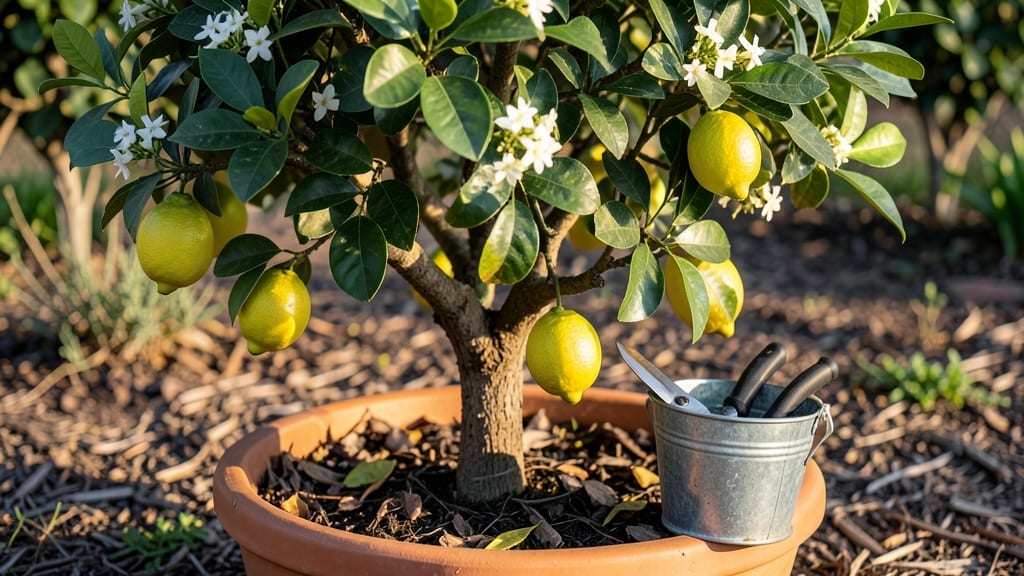
Pruning a lemon tree isn't just about shaping—it’s how you get bigger, sweeter fruit and keep the tree healthy for years. 🌿 My first attempt left me with a lopsided mess, but once I learned the right cuts and timing, my tree went from scraggly to productive.
The key is working with the tree’s natural growth pattern, not against it.
You only need three basic tools: sharp pruning shears for small branches, loppers for thicker stems, and a sterilized saw for any stubborn wood. Timing matters most—spring and summer are ideal, but light pruning in fall can prevent winter dieback.
Start by removing dead or crossing branches first, then thin out crowded growth to let sunlight reach the center.
📚 In This Guide
- What you need
- Instructions
- Tips and common mistakes
- Wrapping up and next steps
What you need
- ● Bypass pruners – Sharp, clean pruners (4-6 inch blades) for cutting small branches (up to ½ inch thick). Pro tip: Invest in high-quality pruners like Felco or Fiskars—they’ll last years and make cuts like butter! 💡
- ● Loppers – For thicker branches (½ to 1½ inches). Look for bypass loppers (not anvil-style) to avoid crushing the wood.
- ● Hand saw or pruning saw – For branches thicker than 1½ inches. A bow saw or curved pruning saw works best.
- ● Disposable gloves – Protect your hands from thorns and sap. Opt for gardening gloves with reinforced palms for extra grip.
- ● Rubbing alcohol (70% or higher) – To sterilize tools between cuts and prevent disease spread.
- ○ Pruning sealant (optional but helpful) – A tree wound sealant (like Tanglefoot Tree Wound Pruning Sealer) to coat larger cuts and reduce sap oozing.
- ● Bucket or trash bag – For collecting pruned branches and debris.
- ● Ladder (if needed) – A sturdy, extendable ladder (8-12 feet) for reaching higher branches. Safety first! Use a ladder with non-slip feet and a stabilizer.
- ● Sharpie or permanent marker – For marking branches you plan to cut later.
- ● Hose or water spray bottle – To clean tools and rinse sap off branches.
- ● Long sleeves and pants – Lemon tree thorns are no joke—dress to protect yourself!
- ● Pruning shears for small trims – If you have delicate branches to shape.
- ● Compost bin or mulch – To recycle pruned branches into nutrient-rich compost.
Step-by-Step instructions for pruning a lemon tree
Here’s how I shape my lemon tree for better fruit and healthier growth—without stressing the plant.
✂️ Step 1: Prune in Late Winter for Structure
The best time to start is late winter or early spring, just before new growth begins. This is when the tree is dormant but ready to respond to shaping. I grab my sterilized pruning shears and look for dead, crossing, or inward-growing branches—these are the first to go. Cut just above a leaf node or outward-facing bud to encourage healthy new growth.
Focus on opening up the center of the tree to improve airflow. Lemon trees hate crowded branches, which trap moisture and invite fungal diseases. I make clean cuts at a 45-degree angle about ¼ inch above a bud, which prevents water from pooling and rotting the wound. If a branch is thicker than my wrist, I use my pruning saw instead of shears to avoid tearing the bark.
✂️ Step 2: Light Summer Trimming for Fruit Production
After the initial prune, I do a light maintenance trim in early summer—just enough to shape the tree and remove any suckers (those aggressive shoots sprouting from the base or trunk). Suckers steal energy from fruit production, so I snip them off at the base. For branches with fruit, I only prune sparingly—never more than 20% of the canopy at once, or you’ll shock the tree.
Here’s the trick: I look for overly dense areas where sunlight struggles to reach. A few strategic cuts here let light penetrate deeper, which means more flowers—and eventually, more lemons. I avoid cutting back more than one-third of any branch’s length in a single session. If you see water sprouts (thin, vertical shoots), remove them entirely—they’re energy vampires.
✂️ Step 3: Post-Harvest Cleanup in Fall
After the fruit harvest, I do a final cleanup in late fall to remove any dead or diseased branches and tidy up the shape. This is also when I check for splits or cracks in the bark—signs of stress or pest damage. If I spot any, I sterilize my tools again and make precise cuts to remove the affected areas. Never leave jagged edges; smooth cuts heal faster.
I also thin out any overly long branches that might break under the weight of next year’s fruit. The goal is to keep the tree balanced and strong. A well-pruned lemon tree should have an open, vase-like shape with branches spreading outward. If your tree looks top-heavy, it’s time to redistribute some weight by pruning the upper branches slightly more than the lower ones.
⏰ Step 4: Year-Round Monitoring and Adjustments
Pruning isn’t just a seasonal task—it’s an ongoing conversation with your tree. Throughout the year, I keep an eye out for suckers, dead wood, or branches rubbing together (which can create wounds). I address these issues as they arise with quick, clean cuts. The key is consistency: a little attention now prevents major problems later.
Here’s what I watch for: new growth that’s too leggy or sparse—that’s a sign the tree needs more light or nutrients. If branches are growing too close together, I thin them out to prevent disease. And if you see yellowing leaves, it might mean you’ve over-pruned. Lemon trees are resilient, but they’ll let you know when they’re stressed. Adjust your approach and give them time to recover.
Tips & tricks for perfect lemon tree pruning
Pruning your lemon tree right makes all the difference between a healthy, fruitful plant and one struggling to keep up. Here’s what I’ve learned after years of trial and error—these tricks will help you avoid common mistakes and keep your tree thriving.
Timing is Everything: The late winter/early spring timing in Step 1 is crucial because that’s when the tree is dormant but ready to respond. If you prune too early, you risk encouraging new growth that won’t survive winter’s chill. I’ve made the mistake of pruning too late in spring—my tree put out weak, leggy growth that never fruited well. Always aim for that sweet spot just before buds start swelling.
Tool Selection Matters: Never skip sterilizing your tools between cuts, especially when working with citrus. I learned this the hard way when my tree developed a fungal infection after using the same shears for roses and lemons. For thicker branches (over your wrist width), your pruning shears won’t cut it—use a pruning saw instead. The clean cut prevents tearing that invites pests and disease.
Shape with Purpose: When opening up the center in Step 1, think "airflow first." I’ve seen trees with beautiful shapes but poor fruit production because they were too dense. Aim for that open vase shape—it’s not just aesthetic, it’s functional. The more light and air that reaches the center, the more flowers your tree will produce next season. And remember: you’re not just pruning branches, you’re sculpting the tree’s future.
Seasonal Checklist: Use this simple guide to stay on track: - Winter: Structural pruning (Step 1) - Summer: Light maintenance (Step 2) - focus on suckers and water sprouts - Fall: Cleanup and balance (Step 3) - remove deadwood and redistribute weight - Year-round: Watch for stress signals (Step 4) like yellowing leaves or leggy growth
Pro Tips for Prune A Lemon Tree
- Pruning your lemon tree right makes all the difference between a healthy, fruitful plant and one struggling to keep u...
- Timing is Everything: The late winter/early spring timing in Step 1 is crucial because that’s when the tree is dorman...
- Tool Selection Matters: Never skip sterilizing your tools between cuts, especially when working with citrus. I learne...
Frequently asked questions
Got questions about pruning your lemon tree? You’re not alone! Here are answers to the most common concerns—from timing to tools—to keep your tree thriving and fruiting like a pro.
When is the best time to prune a lemon tree?
The ideal time is late winter or early spring (just before new growth starts), but you can also prune lightly after harvest (fall/winter) to shape the tree. Avoid heavy pruning in summer—it stresses the tree and attracts pests. For container-grown trees, prune anytime except during extreme heat.
Can I prune a lemon tree in summer?
Yes, but only for light maintenance—never more than 10-15% of the foliage. Summer pruning can shock the tree, reduce flowering, and invite fungal diseases. If you must prune, do it early in the morning or late afternoon to minimize stress. Water deeply afterward!
How much should I prune a lemon tree?
Start with moderate pruning: Remove 15-20% of the total canopy per year. Focus on:
- Dead, diseased, or crossing branches
- Suckers (shoots growing from the base or trunk)
- Overcrowded branches to improve airflow
What if I prune too much? Can my lemon tree recover?
Lemon trees are resilient, but severe pruning (cutting >30% of the canopy) can stunt growth or delay fruiting for a season. If you’ve overdone it:
- Water deeply and fertilize with citrus-specific food
- Avoid pruning for 6–12 months
- Monitor for pests (like aphids) that thrive on stressed trees
Do I need special tools to prune my lemon tree?
Not necessarily! Basic tools like:
- A sharp bypass pruner (for small branches)
- Loppers (for thicker branches)
- Sterilized pruning shears (to prevent disease)
Will pruning my lemon tree make it bear more fruit?
Yes, but only if done correctly! Pruning improves airflow, reduces disease, and directs energy to fruit production. Focus on:
- Opening the canopy to sunlight
- Removing weak or unproductive branches
- Encouraging a balanced shape (not too top-heavy)
Wrapping up and next steps
Pruning your lemon tree isn’t just about keeping it tidy—it’s the secret to healthier growth, better airflow, and juicier fruit! 🌿 By following these year-round tricks, you’ll encourage stronger branches, prevent disease, and maximize your harvest.
Whether you’re a beginner or a seasoned gardener, every trim brings you closer to that perfect, sun-kissed lemon.
Now that you’re armed with the know-how, grab those shears and get pruning! 🌟 Start small, observe your tree’s response, and adjust as you go. Before you know it, you’ll be reaping the rewards of your hard work—literally. Happy pruning!