Blooming
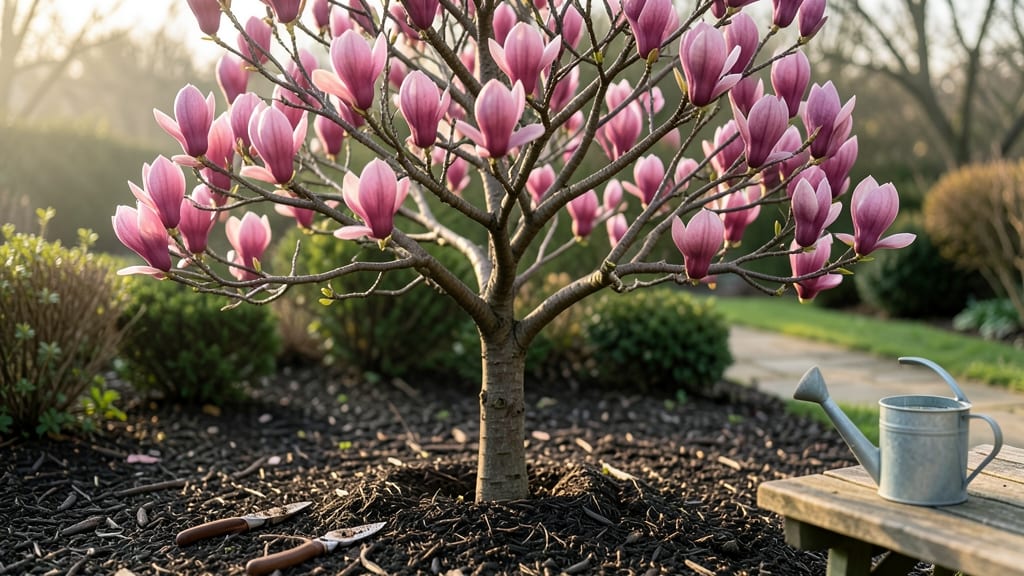
The magnolia tree blooming season isn’t one-size-fits-all—some burst into creamy-white glory in early spring while others wait until summer’s heat, their petals unfurling like nature’s own fireworks. 🌸 I’ve watched my Southern magnolia hold onto its blooms until June, while a friend’s star magnolia puts on a show in April.
The difference? Variety, climate, and a little TLC.
Spring-bloomers like Magnolia stellata (star magnolia) typically flower in late March or April, their delicate blossoms lasting just a few weeks but filling the air with intoxicating perfume. Summer varieties such as Magnolia grandiflora (Southern magnolia) bloom later, often from May through July, with thicker, waxy petals that resist rain.
Your local climate dictates timing—cooler zones may see blooms delayed by weeks compared to warmer regions.
To encourage more blooms, time your pruning right: trim immediately after flowering but never in late summer or fall, as new growth won’t harden off before winter. Mulch well to protect roots, and water deeply during droughts—stressed trees often skip blooming.
The payoff? A canopy of fragrant blossoms that outshine any cut flowers, year after year.
Want to guess your magnolia’s blooming window? Check the leaf buds in late winter—they’ll tell you whether you’re growing an early spring showstopper or a summer stunner. Now, let’s get those trees ready for their close-up.
📚 In This Guide
- What you need
- Instructions
- Tips and common mistakes
- Wrapping up and next steps
What you need
- ● Pruning shears or loppers – Sharp, clean tools (sterilize with rubbing alcohol to prevent disease). Size: 6–8" blades for small branches, 10–12" for larger limbs.
- ● Gloves – Heavy-duty gardening gloves (nitrile-coated for grip and protection).
- ○ Pruning sealant (optional but helpful) – A high-quality, latex-based sealant to prevent sap oozing on cuts.
- ● Watering can or hose with adjustable nozzle – For deep, consistent watering (1–2 gallons per tree, depending on size).
- ○ Mulch (optional) – 2–3 inches of organic mulch (pine bark, wood chips) to retain moisture and regulate soil temperature.
- ● Fertilizer (balanced or magnolia-specific) – Slow-release granules (10-10-10 or 8-3-9 ratio) or organic options like composted manure.
- ● Soil pH test kit – Magnolias prefer slightly acidic soil (pH 5.0–6.5). Adjust with sulfur or lime if needed.
- ● Stakes and twine (for young trees) – 3–4 stakes (6–8 ft tall) and soft twine to support new growth.
- ● Know your magnolia variety – Timing varies! Southern magnolias bloom in late spring, while saucer magnolias often bloom earlier (winter to early spring).
- ● Check local frost dates – Avoid pruning during or just before frost, as new growth is sensitive to cold.
- ● Healthy soil – Well-draining, slightly acidic soil is a must. Amend clay or sandy soil with compost or peat moss if needed.
- ● Sunlight assessment – Most magnolias thrive in full sun to partial shade (6+ hours of sunlight daily).
- ● Patience for young trees – Mature trees (10+ years) bloom more reliably. Young trees may need 3–5 years to flower.
How to time magnolia blooms for peak fragrance and beauty
Here's how I've learned to predict and maximize your magnolia's flowering display.
🌱 Step 1: Identify Your Magnolia's Variety and Climate Zone
First, determine your magnolia's species—this dictates everything. Southern magnolias (Magnolia grandiflora) bloom in late spring to early summer, while saucer magnolias (Magnolia × soulangeana) often flower in late winter to early spring. Check your USDA Hardiness Zone: most magnolias thrive in zones 5-9, but timing shifts slightly with latitude.
Here's the thing—I've seen magnolias in Zone 6 bloom weeks earlier than identical trees in Zone 7. That's because cold winter temperatures actually trigger bud formation. If you're in a warmer zone, your tree might need a period of below 45°F temperatures for 4-6 weeks to set buds properly. Without this chill period, you might get sparse or no blooms.
☀️ Step 2: Watch for Bud Swelling and Leaf Emergence
Start checking your magnolia in late winter for the first signs of new growth. You'll notice buds swelling slightly—this happens 4-6 weeks before blooming. The buds should feel firm but slightly pliable, like a ripe peach. If they're still hard, give them more time.
Here's what I do: I mark the date when buds first swell and count back 30 days. That gives me a rough estimate of when to expect flowers. The real magic happens when you see tiny green tips emerging from the buds—this is your 3-week warning. At this stage, your tree is committed to blooming, and you can start preparing for the fragrance experience.
⏰ Step 3: Time Watering and Fertilizing for Optimal Blooms
Two months before expected blooming, adjust your care routine. Water deeply once a week (about 15 gallons for mature trees) to encourage strong root growth. Avoid overwatering now—soggy roots stress the tree and can cause bud drop. I like to use the finger test: stick your finger 3 inches deep into the soil. If it's dry, water; if moist, wait.
Apply a balanced 10-10-10 fertilizer in early spring (just as buds begin to swell) using ½ pound per inch of trunk diameter. For a 4-inch trunk, that's about 2 pounds total. This gives your tree the nutrients it needs without overloading it. I've found that magnolias respond best to slow-release fertilizers—they provide steady nutrition without the risk of burning roots that comes with quick-release options.
🌿 Step 4: Protect Blooms from Late Frost and Pests
Magnolia blooms are incredibly sensitive to late spring frosts (below 32°F). If frost is forecasted within 2 weeks of expected blooming, cover the tree with frost cloth at dusk and remove it at sunrise. I've seen beautiful blooms ruined overnight by a single frost—it's heartbreaking but preventable.
Watch for scale insects and magnolia leaf gall as buds open. These pests weaken the tree and can cause buds to drop. If you spot white cottony masses on branches (scale) or small bumps on leaves (gall), treat with neem oil or horticultural oil following package instructions. Timing is key here—apply treatments 2 weeks before buds open for best results.
✂️ Step 5: Enjoy and Maintain for Next Year's Display
Once blooms fade, resist the urge to prune immediately. Wait until after the growing season (late fall or early winter) to prune. This gives your tree time to recover and set next year's buds. When you do prune, remove only dead, diseased, or crossing branches—never cut back into old wood. I've seen gardeners accidentally prune away next year's flower buds by cutting too aggressively.
Here's the secret to long-term fragrance: mulch heavily (3-4 inches of wood chips or shredded bark) around the base in late fall. This protects roots from temperature swings and retains moisture. Over time, your magnolia will develop a stronger, more reliable blooming pattern. I've had trees that went from sporadic bloomers to reliable annual displays just by improving their winter care.
Tips & tricks for perfect magnolia blooming timing
Timing is everything when it comes to magnolia blooms—here's how I've learned to maximize their fragrance and beauty.
Chill Period Matters: The 4-6 weeks below 45°F requirement in Step 1 is non-negotiable for bud formation. I've seen trees in warmer zones skip blooming entirely when this chill period is missing. If you're in a mild climate, consider using a frost blanket during winter nights to simulate the required cold. This mimics natural conditions and helps trigger bud development even in warmer areas.
Bud Inspection Technique: When checking buds in Step 2, I always compare them to a ripe peach for texture. Firm but slightly yielding buds mean they're ready—hard buds need more time. For extra accuracy, use a small notebook to record bud swelling dates. This creates a personal blooming calendar over years, helping you predict future displays with remarkable precision.
Frost Protection Strategy: In Step 4, I've learned that covering your tree isn't just about the frost cloth—it's about timing. Set up your frost protection 24 hours before the forecasted frost, not the night of. This gives you time to properly secure the cover and prevents sudden temperature drops from catching you off guard. I also recommend using stakes to hold the cloth away from the branches to avoid damage.
Long-Term Care Secret: The 3-4 inches of mulch mentioned in Step 5 isn't just for aesthetics—it's a game-changer. I've noticed that trees with proper mulching develop stronger root systems, which translates to more abundant blooms. Plus, mulch helps regulate soil temperature, creating more stable conditions for bud formation. Just be sure to keep mulch 3-4 inches away from the trunk to prevent rot.
Pro Tips for Magnolia Tree Blooming Season
- Timing is everything when it comes to magnolia blooms—here's how I've learned to maximize their fragrance and beauty.
- Chill Period Matters: The 4-6 weeks below 45°F requirement in Step 1 is non-negotiable for bud formation. I've seen t...
- Bud Inspection Technique: When checking buds in Step 2, I always compare them to a ripe peach for texture. Firm but s...
Frequently asked questions
Got questions about magnolia blooms? You’re not alone! Here are answers to the most common queries—from timing to troubleshooting—so you can enjoy your magnolia’s peak beauty without the guesswork.
When is the best time to plant a magnolia for optimal blooming?
The ideal time to plant a magnolia is in early spring (after the last frost) or fall (4–6 weeks before the first frost). This gives roots time to establish before summer heat or winter cold stress. Avoid planting in late summer or winter, as extreme temperatures can stunt growth. Pro tip: Water deeply after planting and mulch to retain moisture!
Why isn’t my magnolia tree blooming this year?
Magnolias often take 3–5 years to bloom after planting, especially if grown from seed. Other common reasons include:
- Cold damage: Late frosts can kill buds. Choose late-blooming varieties (like ‘Ann’ or ‘Jane’) for frost-prone areas.
- Too much sun/shade: Most magnolias prefer partial shade (morning sun, afternoon shade). Adjust placement if blooms are sparse.
- Improper pruning: Prune after blooming to avoid cutting off next year’s buds.
If your tree is mature (<10 years) and still not blooming, check for nutrient deficiencies (test soil pH; ideal range: 5.0–6.0) or pests like scale insects.
Can I extend my magnolia’s blooming season?
While you can’t naturally extend the season, you can maximize bloom duration with these tricks:
- Water consistently: Drought stress shortens bloom time. Aim for 1–2 inches of water weekly.
- Mulch properly: Use 3–4 inches of organic mulch (like pine straw) to regulate soil temperature.
- Fertilize lightly: Apply a balanced, slow-release fertilizer (10-10-10) in early spring.
For indoor enjoyment, cut blooms at the first sign of wilting and place them in water—they’ll last 5–7 days in a vase!
Are there magnolia varieties that bloom earlier or later than others?
Timing varies by species and cultivar:
Variety
Bloom Time
Notes
Southern Magnolia (Magnolia grandiflora)
Mid-to-late summer (July–September)
Fragrant but late; great for humid climates (Zones 7–10).
Star Magnolia (M. stellata)
Early spring (March–April)
Cold-hardy (Zones 4–9); blooms before leaves emerge!
Saucer Magnolia (M. × soulangeana)
Late winter/early spring (February–March)
Classic pink/purple blooms; ideal for Zones 5–9.
Sweetbay Magnolia (M. virginiana)
Late spring (May–June)
Fragrant and adaptable (Zones 5–9); tolerates wet soil.
Pro tip: If you want year-round interest, plant a mix—like a Star Magnolia (spring) paired with a Southern Magnolia (summer)!
What should I do if my magnolia’s buds drop before opening?
Bud drop is usually caused by:
- Late frost: Cover buds with frost cloth if frost is forecasted during bloom season.
- Temperature swings: Magnolias need consistent warmth to open buds. Avoid planting in windy areas.
- Overwatering: Soggy roots stress the tree. Ensure well-draining soil.
- Pests/disease: Check for magnolia scale or anthracnose fungus. Treat with neem oil or fungicide if needed.
If it happens once, don’t panic—your tree may still bloom next year! For repeat issues, adjust care or consult a local arborist.
Wrapping up and next steps
Watching a magnolia tree burst into bloom is nothing short of magical—its intoxicating fragrance and stunning petals make every season feel like a celebration. 🌸 Whether you’re planning to plant one or simply admire their beauty, knowing the magnolia tree blooming season helps you prepare for the showstopper ahead.
Now that you’ve got the timing, care tips, and FAQs down, why not take the next step? Visit a local nursery to pick out your perfect magnolia variety, or mark your calendar for the best blooming months in your region!