
Pruning
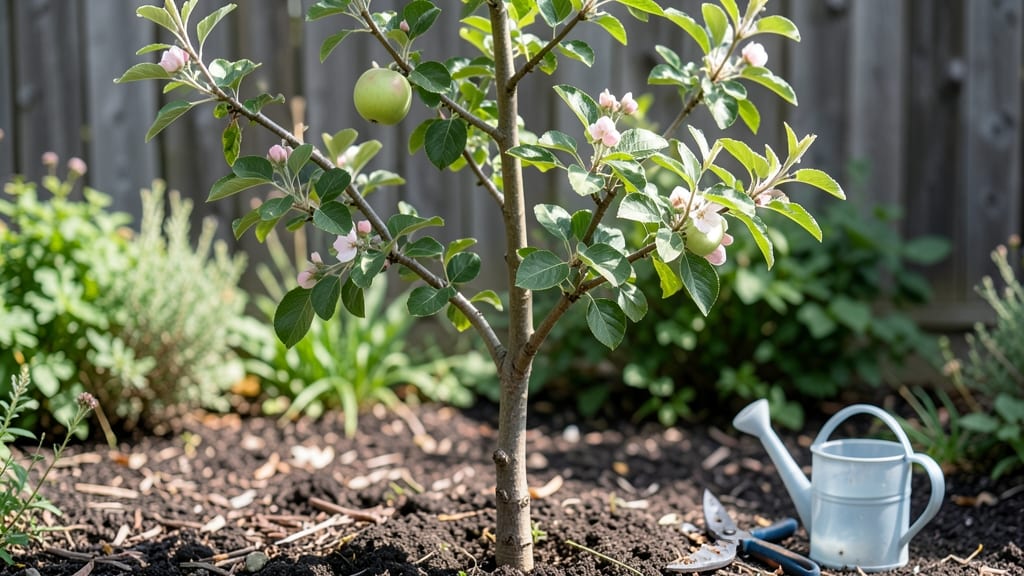
When your apple tree is heavy with young fruit, the right pruning decisions now determine whether you’ll have a meager harvest or a bountiful one next season. 🌱 I’ve learned the hard way that aggressive pruning isn’t always better—sometimes, less is more when it comes to shaping young branches and encouraging strong fruit development.
The key is balancing fruit load with tree health: too many apples strain the tree, leading to small, poor-quality fruit, while too few leaves mean less energy for root and branch growth.
My approach focuses on selective thinning—removing just enough fruit to leave room for the best-quality apples to grow larger and sweeter. It’s a delicate balance, but once you get the rhythm, your tree will reward you with juicy, flavorful fruit year after year.
You’ll also learn how to spot problem branches—those that bear too little fruit or show signs of disease—and prune them back early to redirect the tree’s energy. This isn’t just about trimming; it’s about teaching your apple tree to grow stronger, healthier, and more productive with every cut.
The payoff? A stronger tree that produces better-quality fruit for decades.
Whether you’re dealing with a young sapling or a mature tree, these techniques adapt to any stage. The goal is simple: maximize harvest potential without sacrificing the tree’s long-term health. Let’s get those branches in shape!
📚 In This Guide
- What you need
- Instructions
- Tips and common mistakes
- Wrapping up and next steps
What you need
- ● Pruning shears: Bypass shears (for cuts up to ½ inch thick) – 1 pair (ensure they’re sharp and clean to prevent disease spread).
- ● Loppers: For thicker branches (½ to 1½ inches) – 1 pair (look for bypass or anvil types with comfortable grips).
- ● Hand saw: Pruning saw with a fine-toothed blade (for branches >1½ inches) – 1 (carbon steel blades last longer).
- ● Disinfectant: 70% rubbing alcohol or a blank">pruning sealant (e.g., Tanglefoot Tree Wound Pruning Seal) – small bottle (for sterilizing tools between cuts).
- ● Gloves: Heavy-duty gardening gloves (cut-resistant) – 1 pair (protects hands from thorns and sap).
- ○ Marking twine or flags: Colored twine or small flags – optional but helpful (to tag branches for future reference).
- ● Bucket or bag: For collecting pruned branches – 1 (5-gallon size works well).
- ● Pruning paint: (e.g., Tree Wound Pruning Seal) – small bottle (seals cuts larger than ½ inch to reduce disease risk).
- ● Ladder: Extendable or step ladder – 1 (for taller trees; ensure it’s stable and rated for your height).
- ● Notebook or app: (e.g., blank">iNaturalist or a simple sketchbook) – 1 (to document cuts and tree structure).
- ● Safety gear: Safety glasses and ear protection (if using a chainsaw for very large branches).
- ● Knowledge of your apple tree’s variety and age (young trees <3 years old need gentle shaping).
- ● Awareness of the tree’s growth habit (e.g., central leader vs. open vase).
- ● Check the weather forecast – aim for a dry, non-frosty day (late winter/early spring is ideal).
- ● Review your tree’s current health (prune only healthy branches; avoid diseased or dead wood unless removing it entirely).
Step-by-Step guide for pruning young apple tree fruitwood
Here's how to shape your young apple tree for a lifetime of strong branches and abundant harvests.
🌱 Step 1: Identify Fruitwood and Structural Branches
Start by examining your tree's branches closely. Fruitwood appears as small, stubby shoots growing from the main scaffold branches—these are your future fruit-bearing spurs. Look for clusters of these 3-6 inch long shoots with multiple buds. These are your priority for preservation.
Next, distinguish between strong structural branches and weak water sprouts. Structural branches should be at least ½ inch thick and spaced 6-12 inches apart along the main trunk. Thin, vertical water sprouts (often ¼ inch thick) should be removed entirely—they compete with fruit production and weaken the tree's structure.
✂️ Step 2: Prune for Open Center and Air Circulation
Use sharp pruning shears to make clean cuts just outside the branch collar—the swollen area where the branch meets the trunk. Begin by removing any crossing or rubbing branches first, as these create wounds that invite disease. Cut back these branches to their point of origin.
Next, thin out branches to create an open center. Aim for a vase-like shape where sunlight can penetrate to the inner branches. Remove any branches growing inward at angles less than 45 degrees from vertical. This prevents future shading and improves air flow, which is critical for preventing fungal diseases like apple scab.
🌿 Step 3: Encourage Spur Formation on Fruitwood
On the remaining fruitwood, make selective cuts to promote spur development. Shorten vigorous shoots back to 2-4 buds from their base. This stimulates lateral branching and creates more fruiting sites. Avoid cutting back into old wood—you want to maintain the tree's growth momentum while building fruit-bearing capacity.
Pay special attention to the tips of branches. If you see a shoot growing straight up with no lateral buds, cut it back to encourage branching. You'll know you're doing it right when you see multiple small buds along the remaining branch segments—these will develop into your future fruit clusters.
☀️ Step 4: Time Your Pruning for Optimal Growth
The best time to prune young apple trees is during their dormant season, ideally in late winter before buds swell. This timing allows wounds to heal quickly once growth resumes in spring. If you must prune in summer, do so during dry weather to minimize stress on the tree.
After pruning, monitor the tree's response. You should see new growth emerging from the buds you preserved within 4-6 weeks. If you notice excessive bleeding from cuts, apply a thin layer of pruning sealant to larger wounds over ½ inch thick. The tree's natural healing process will take over within a few weeks.
Tips & tricks for pruning young apple tree fruitwood
Took me years of trial-and-error to learn these critical details—here's how to avoid common pruning pitfalls while maximizing your apple tree's fruit potential.
Branch Angle Matters: When creating that open center in Step 2, pay special attention to branches growing at angles less than 45 degrees from vertical. These inward-growing branches create dense canopies that block sunlight and trap moisture—perfect conditions for fungal diseases like apple scab. I've seen trees with 30% fewer fruit clusters because of this one oversight. Use a small mirror or flashlight to check hard-to-see areas.
Bud Count Precision: In Step 3, cutting back to exactly 2-4 buds from the base creates the perfect balance—enough growth to maintain vigor while encouraging lateral branching. I learned this the hard way after pruning too aggressively and seeing my tree struggle to recover. For thicker branches, you can leave up to 6 buds, but never more than 8. The key is preserving those small, stubby fruitwood shoots with multiple buds.
Seasonal Timing Secret: The late winter dormant season timing in Step 4 is critical because it allows the tree's natural healing processes to kick in immediately after pruning. I've noticed that trees pruned in summer often develop more water sprouts as a stress response. If you must prune outside the dormant season, do it during dry weather and avoid cutting when temperatures exceed 75°F.
Spur Formation Shortcut: For that "multiple small buds" visual cue in Step 3, look for clusters where buds appear in tight groups along the branch. These are your future fruit clusters waiting to happen. I've found that making these cuts in early spring (just as buds begin to swell) gives me the best results—new growth emerges more vigorously from these preserved buds within those 4-6 weeks.
Pro Tips for Apple Tree Young Fruit
- Took me years of trial-and-error to learn these critical details—here's how to avoid common pruning pitfalls while maximizing your apple tree's fruit potential.
- Branch Angle Matters: When creating that open center in Step 2, pay special attention to branches growing at angles less than 45 degrees from vertical.
- Bud Count Precision: In Step 3, cutting back to exactly 2-4 buds from the base creates the perfect balance—enough growth to maintain vigor while encouraging lateral branching.
Frequently asked questions
Got questions about young apple tree fruit pruning?
You’re not alone! Here are answers to the most common concerns—so you can confidently shape your tree’s future harvests.
How do I know if my young apple tree is producing fruit?
Look for small, pea-sized fruits (called "spurs") forming at the branch tips or along last year’s growth. If you spot clusters of these early blooms (white/pink flowers in spring), your tree is fruiting! Pro tip: Thin excess fruit now to avoid overburdening the tree.
When is the best time to prune young apple trees with fruit?
Prune late winter or early spring (just before buds swell) to remove dead, crossing, or overcrowded branches. Avoid pruning after blooming—it stresses the tree and reduces fruit set. Exception: Light summer pruning (to improve airflow) is safe if needed.
What if I prune too much and my tree loses all its fruit?
Don’t panic! Apple trees are resilient. If you’ve removed more than 25% of the canopy, focus on keeping healthy, outward-facing branches to maintain structure. Next year, fruit production will rebound as the tree recovers. Pro tip: Use sharp tools and cut at a <45° angle for faster healing.
Can I still harvest fruit from a heavily pruned young tree?
Yes! Even pruned trees can yield fruit, but expect a smaller harvest the first year. Prioritize quality over quantity—thin remaining fruit to 4–6 inches apart to ensure size and sweetness. Over time, proper pruning boosts future yields by 30–50%!
What if my young apple tree’s fruit is small or misshapen?
Small/misshapen fruit often signals overcrowding, poor pollination, or nutrient stress. Solutions:
- Thin fruit aggressively (leave only the largest, healthiest ones).
- Ensure cross-pollination (plant a second variety nearby if needed).
- Fertilize with balanced 10-10-10 in early spring.
Pro tip: Hand-pollinate flowers with a soft brush if bees are scarce!
Wrapping up and next steps
Caring for young apple tree fruit through proper pruning sets the stage for a bountiful harvest for years to come. By mastering the right techniques—like thinning fruit, shaping the canopy, and removing water sprouts—you’re investing in healthier trees and sweeter, more abundant apples. 🍏✨
Ready to take the next step? Start small—prune just a few branches this season, observe how your tree responds, and build your confidence. Before you know it, you’ll be reaping the rewards of your hard work with a tree full of delicious, homegrown fruit!