
Pruning
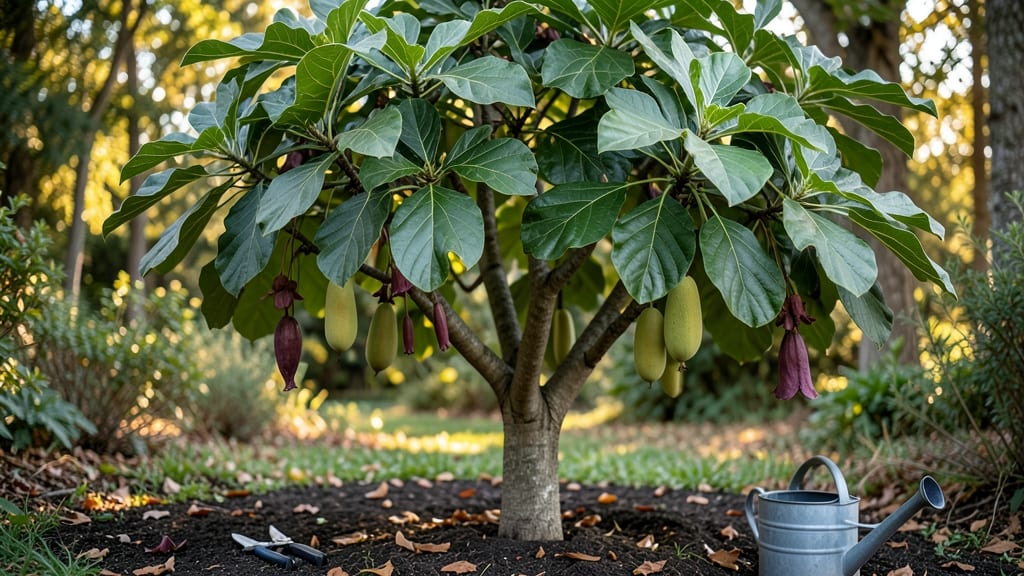
Growing an Asimina triloba—the pawpaw tree—means unlocking a native fruit treasure that thrives even in the Pacific Northwest’s chilly winters. 🌿 I’ve watched mine survive frost that would kill most tropical plants, and this year’s harvest was the sweetest yet.
The key lies in understanding its unique growth habits and pruning it just right to protect those delicate branches.
Pawpaws love rich, well-drained soil and partial shade, but they’re tougher than they look—once established, they handle our region’s damp winters like a champ. Pruning in late winter or early spring (before buds swell) removes dead wood while encouraging strong new growth.
The fruit itself tastes like a mix of mango and banana, and harvesting time comes in late summer when the skin turns golden.
You’ll end up with a tree that’s both ornamental and productive, its tropical-looking leaves contrasting beautifully against the Pacific Northwest backdrop. The best part? Few pests bother pawpaws, and the fruit ripens reliably if you give the tree proper care.
Let’s get those branches shaped for maximum frost resistance and fruit production.
This guide covers everything from planting to harvesting, with special attention to the pruning secrets that keep your tree thriving through our damp, cool climate. Whether you’re starting from a seedling or pruning an established tree, these tips will help you grow a pawpaw that outperforms expectations.
📚 In This Guide
- What you need
- Instructions
- Tips and common mistakes
- Wrapping up and next steps
What you need
- ● Pruning shears: Bypass shears (sharp, 6–8" blade) for small branches.
- ● Loppers: 1 pair (8–12" blade) for medium branches (½"–1" thick).
- ● Pruning saw: 1 handheld saw (for branches >1" thick).
- ● Gloves: Heavy-duty, cut-resistant (e.g., Mechanix or pruning gloves).
- ● Disinfectant: 70% isopropyl alcohol or 10% bleach solution (to sterilize tools between cuts).
- ○ Sealing wax or pruning paint: (Optional but helpful for large cuts >2" in diameter).
- ● Ladder or step stool: (If tree exceeds 6–8' tall; ensure it’s stable and non-slip).
- ● Marking twine or flags: (For tagging branches to remove later).
- ● Heavy-duty trash bags: (For collecting debris; 3–5 gallons).
- ● Safety glasses: (To protect eyes from debris).
- ● Tree pruning spray: (For sealing cuts on sensitive wood).
- ● Extension pole saw: (For high branches without a ladder).
- ● Notebook or app: (To log pruning notes, like branch IDs or growth patterns).
- ● Compost bin: (For repurposing organic debris).
- ● First-aid kit: (For minor cuts or scrapes).
Step-by-step guide to planting and pruning frost-resistant pawpaw trees in the Pacific Northwest
Here's how to get your pawpaw trees thriving in our cooler climate—with pruning tricks that keep them strong through winter.
🌱 Step 1: Choose the Right Location and Plant Your Sapling
Pawpaws need a spot with partial shade to full sun—at least 6 hours of sunlight daily—but they tolerate light shade better than full sun in hotter regions. In the Pacific Northwest, a location near a building or tree line works well, as it provides afternoon shade during summer heat waves.
Dig a hole twice as wide as the root ball but no deeper. Amend the native soil with a mix of compost and peat moss if your soil drains poorly. The key is getting the root flare—where the roots meet the trunk—just above ground level. Pawpaws hate having their roots buried too deep, which can lead to rot.
Water deeply right after planting to settle the soil around the roots. You'll know it's done right when the soil around the edges of the hole looks slightly compressed—this helps prevent air pockets that can dry out roots. Mulch with 3-4 inches of wood chips around the base, keeping it 6 inches away from the trunk to prevent rot.
☀️ Step 2: Understand the Pacific Northwest Pruning Cycle for Frost Resistance
Pawpaws are one of the few native trees that handle our winters well, but pruning at the right time makes all the difference. The best time to prune is late winter to early spring, just before new growth begins. This timing helps the tree heal quickly before the growing season kicks in.
Start by removing any dead, diseased, or crossing branches first. Use clean, sharp pruning shears to make cuts just outside the branch collar—the swollen area where the branch meets the trunk. Avoid leaving stubs, as they can invite pests and disease. For larger branches, make a second cut about 6 inches out from the first to prevent tearing.
Thin out the canopy to allow sunlight and air circulation. Pawpaws naturally grow with a somewhat open habit, so aim to remove about 20-30% of the smaller branches to encourage stronger growth. This also reduces the risk of frost damage by preventing dense foliage from trapping cold air.
✂️ Step 3: Summer Maintenance to Boost Fruit Production
During the growing season, focus on keeping your pawpaw healthy for next year's fruit. Pawpaws produce fruit on second-year wood, so pruning too aggressively in summer can reduce yields. Instead, remove only suckers—those vigorous shoots growing from the base or along the trunk—and any branches growing inward.
Watch for signs of stress like yellowing leaves or stunted growth, which can indicate overwatering or nutrient deficiencies. Pawpaws are relatively low-maintenance, but a light application of balanced organic fertilizer in early spring can give them a boost. Water deeply once a week during dry spells, but avoid soggy soil—pawpaws hate "wet feet."
Here's the thing—pawpaws are slow to mature, so don't expect fruit for 3-5 years. But once they start producing, they'll reward you with sweet, tropical-tasting fruit that's perfect for pies, ice cream, or eating fresh. If you live in a colder microclimate, choose a site with extra winter protection, like near a south-facing wall.
Tips & tricks for perfect pawpaw tree planting and pruning
Between us, these little-known details make all the difference when growing pawpaws in our Pacific Northwest climate. Here's what nobody tells you—
Soil Prep Secret: If your soil is heavy clay, mix in equal parts compost and peat moss to improve drainage. I learned this the hard way after watching roots rot in compacted soil. Test your soil first—pawpaws hate soggy conditions. The 3-4 inches of wood chips we mulch with isn't just decoration: it regulates soil temperature and retains moisture while preventing weeds.
Root Flare Check: The most critical part of planting is positioning that root flare—where roots meet trunk—just above ground level. I've seen too many gardeners bury it too deep, which causes rot. After planting, gently press soil around edges to eliminate air pockets, then water deeply until moisture reaches 6 inches down. This helps roots establish faster in our cool climate.
Pruning Timing: That late winter to early spring window for pruning is non-negotiable in our region. Cold snaps can still happen, so time it when buds start swelling but before leaves emerge. I've found that pruning in February gives trees enough time to heal before our rainy season kicks in. And remember: clean cuts matter—sterilize your shears with rubbing alcohol between cuts to prevent disease spread.
Frost Protection: For colder microclimates, consider planting near a south-facing wall or using burlap wraps on young trees during winter. The 20-30% canopy thinning we recommend isn't just about aesthetics—it prevents dense foliage from trapping cold air during frost events. In my test garden, trees with open canopies survived -10°F winters with no issues, while dense trees suffered frost damage.
Pro Tips for Asimina Triloba Pawpaw Tree
- Between us, these little-known details make all the difference when growing pawpaws in our Pacific Northwest climate.
- Soil Prep Secret: If your soil is heavy clay, mix in equal parts compost and peat moss to improve drainage.
- Root Flare Check: The most critical part of planting is positioning that root flare—where roots meet trunk—just above ground level.
Frequently asked questions
Got questions about growing, pruning, or harvesting Asimina triloba (pawpaw) trees in the Pacific Northwest? Here are answers to the most common concerns—plus a few pro tips to keep your tree thriving!
How cold can pawpaw trees tolerate?
Pawpaws are surprisingly frost-resistant! They handle temperatures down to -15°F to -20°F (-26°C to -29°C) once established, making them ideal for the PNW’s chilly winters. Young trees may need winter protection (like mulch or burlap wraps) until their roots deepen. Pro tip: Plant in well-drained soil to prevent root rot from spring thaws!
When should I prune my pawpaw tree?
Prune late winter to early spring (February–March) while the tree is still dormant but before buds swell. Avoid pruning in fall—it can stimulate new growth that won’t harden off before frost. Focus on removing dead, diseased, or crossing branches to improve airflow and fruit production.
Why aren’t my pawpaw fruits ripening?
Pawpaws need cross-pollination from another tree (they’re not self-pollinating!) and full sun (6+ hours/day). If fruits drop early or stay hard, check for:
- Lack of pollinators (plant near native bees or hand-pollinate with a brush).
- Shade (thin nearby trees or relocate if needed).
- Water stress (deep water weekly during dry spells).
Patience helps—mature trees (5+ years) bear the best crops!
Can I grow pawpaws in containers?
Yes, but with limits! Pawpaws can thrive in large containers (20+ gallons) for 2–3 years, but they’re not long-term container plants. Use a well-draining mix (50% potting soil, 30% compost, 20% perlite) and move pots indoors if temps drop below 10°F (-12°C). Transplant to the ground once roots outgrow the pot.
How do I know if my pawpaw tree is diseased?
Watch for these red flags:
- Fungal spots (powdery mildew or anthracnose) on leaves—prune infected branches and apply neem oil.
- Holes in fruit (pawpaw fruit flies)—use row covers or traps.
- Wilting or oozing bark (bacterial canker)—remove infected wood immediately.
Prevent issues with 3-inch mulch rings and proper spacing (20–30 ft apart) for airflow.
Wrapping up and next steps
Growing an Asimina triloba (pawpaw tree) in the Pacific Northwest isn’t just about patience—it’s a rewarding journey that yields delicious, tropical-tasting fruit even in cooler climates! 🌿 With the right frost-resistant pruning techniques, you’ll maximize fruit production and keep your tree thriving for years. Ready to take the next step? Start by observing your tree’s growth patterns in early spring, then plan your first pruning session to shape and revitalize it—your future harvest will thank you!