Pruning
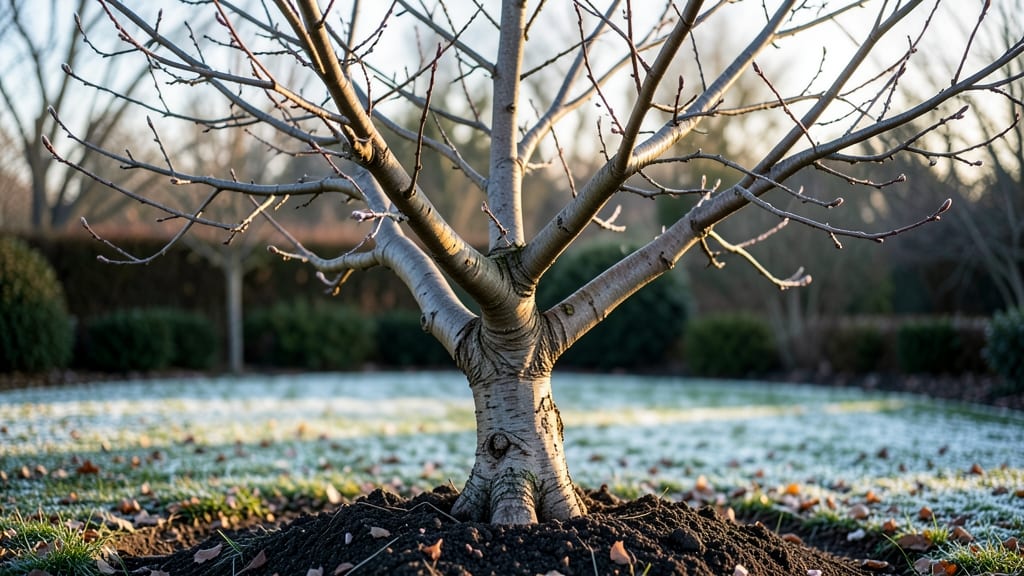
Winter pruning your apricot tree isn’t just about trimming—it’s about setting up a cold-resistant framework that wakes up stronger in spring. 🌱 I’ve pruned these trees through three harsh winters, and the difference between a bare branch and a blossoming beauty comes down to timing, technique, and a little winter prep work.
The key is working while the tree’s dormant but still resilient—typically between late winter and early spring, before buds swell. You’ll need sharp pruners, a ladder (for taller trees), and a clear day when temps hover above freezing.
The goal? Open the canopy to sunlight and air while removing dead, crossing, or diseased branches that drain energy.
What you’ll end up with is a tree that pushes out vibrant new growth by late spring, with fruit buds forming earlier and more abundantly. The right cuts now mean fewer pests, better airflow, and a stronger structure to handle next winter’s freeze.
Think of it as winter’s version of tucking in your tree for a long, restorative nap.
This works for apricot trees in zones 5-9, though colder climates need extra mulch and frost cloth for young trees. We’ll cover those adjustments next—plus how to spot signs of winter stress before it’s too late. Let’s get those branches in shape!
📚 In This Guide
- What you need
- Instructions
- Tips and common mistakes
- Wrapping up and next steps
What you need
- ● Hand pruners (bypass pruners) – Sharp, high-quality pruners (e.g., Felco F-2 or similar) for clean cuts on small to medium branches.
- ● Loppers – For thicker branches (up to 2 inches in diameter)—look for bypass-style loppers with a comfortable grip.
- ● Pruning saw – For branches over 2 inches thick (e.g., Fiskars or similar). Choose a saw with a fine-toothed blade for precision.
- ● Disinfectant (70% isopropyl alcohol or bleach solution) – 1 part bleach to 9 parts water to sterilize tools between cuts and prevent disease spread.
- ● Garden gloves – Thick, cut-resistant gloves (e.g., Mechanix or similar) to protect hands from thorns and rough bark.
- ● Ladder or step stool – Sturdy and tall enough to reach the tree’s canopy safely (ensure it’s rated for your weight).
- ● Heavy-duty trash bags or bucket – For collecting pruned branches and debris.
- ● Permanent marker or tape – To mark branches for removal or special attention.
- ○ Tree wound sealant (optional but helpful) – Only use on large cuts (over ½ inch)—choose a natural, breathable sealant like pruning paint or beeswax.
- ● Extension pole pruners – For high branches without a ladder.
- ● Work apron or tool belt – Keeps essentials handy and organized.
- ● Safety glasses – Protects eyes from debris, especially when using a saw.
- ● Rake or broom – For clearing fallen leaves and debris after pruning.
- ● Camera or phone – To document the tree’s structure before and after pruning (helpful for future reference!).
Step-by-step guide to winter pruning for apricot trees
Here's how to shape your apricot tree for resilience—without overdoing it.
✂️ Step 1: Time Your Pruning Precisely
Prune your apricot tree during late winter dormancy, ideally 4-6 weeks before your last frost date. This timing balances cold protection with spring growth signals. I aim for February in colder zones or early March in milder climates—just when buds begin to swell but before new growth starts.
Watch for bud break as your cue. If you see buds puffing up or tiny green tips emerging, you've waited too long. Apricots are sensitive to late pruning; cutting too late stresses the tree and weakens fruit production. A sharp pair of pruners is your best tool here—dull blades tear bark and invite disease.
🌿 Step 2: Remove Dead, Damaged, and Crossing Branches
Start by eliminating dead or diseased wood—these branches won't recover and can spread rot. Look for branches with brown, shriveled bark or blackened, hollow centers. Cut these back to healthy tissue, making your cuts at a 45-degree angle just outside the branch collar.
Next, target crossing or rubbing branches. These compete for energy and create wounds where pests can enter. I use my thumb to test branch flexibility—if one branch bends easily while the other resists, the stronger branch should stay. Remove the weaker one at its base. Thin the canopy by 20-25% total to improve airflow and sunlight penetration.
☀️ Step 3: Shape for Sunlight and Airflow
Apricot trees thrive with open centers that let light reach all branches. Step back and visualize the tree as an inverted cone—this shape ensures sunlight hits lower branches while keeping the center airy. Focus on removing suckers (vigorous shoots from the base) and water sprouts (fast-growing vertical shoots).
Prune to scaffold branches—the main structural limbs. Aim for 5-7 primary branches spaced evenly around the trunk. Cut just above an outward-facing bud or side branch to encourage outward growth. Avoid leaving stubs; these rot and weaken the tree. If you're unsure, cut back to a healthy lateral branch—you can always prune more later.
⏰ Step 4: Clean Up and Protect the Tree
After pruning, sterilize your tools with rubbing alcohol to prevent spreading disease. Rake up and remove all clippings from the area—don’t compost them, as fungal spores may linger. I like to apply a 2-inch layer of mulch around the base (but not touching the trunk) to insulate roots from freezing temperatures.
Seal larger cuts (over ½ inch thick) with pruning sealant to prevent moisture loss and pest entry. For smaller cuts, let them heal naturally—sealant isn’t always necessary and can trap moisture. Finally, wrap the trunk with tree guard if your winters are harsh (below 10°F). This protects against sunscald and rodent damage.
Tips & tricks for perfect apricot tree winter pruning
Took me years to figure out these pruning secrets—here's how to avoid common mistakes while building a stronger tree.
Timing is Everything: That 4-6 week window before your last frost is critical. If you're unsure about your frost date, check your local agricultural extension service—they provide precise frost maps. I once pruned too early in a mild winter and ended up with new growth that got frostbitten. The goal is to prune when the tree is dormant but not yet signaling spring.
Branch Flex Test: When deciding which crossing branches to remove, this simple test works every time. Gently bend each branch—if one bends easily while the other resists, the stronger branch should stay. I've saved so many trees by using this method instead of guessing which branch to cut. It's amazing how much energy you save by keeping the stronger branches.
Scaffold Branch Strategy: Those 5-7 primary branches should be your tree's framework. I like to visualize them as spokes on a wheel, evenly spaced around the trunk. When cutting to encourage outward growth, look for buds that face away from the center of the tree. This creates that perfect inverted cone shape that lets sunlight reach all branches while keeping the center open for airflow.
Pruning Sealant Wisdom: Only seal cuts larger than ½ inch thick—smaller cuts heal better on their own. I've seen people overuse sealant, which can trap moisture and create perfect conditions for fungal growth. For larger cuts, use a high-quality pruning sealant and make sure it's completely dry before applying. This simple step can prevent years of potential problems.
Pro Tips for Apricot Tree In Winter
- Took me years to figure out these pruning secrets—here's how to avoid common mistakes while building a stronger tree.
- Timing is Everything: That 4-6 week window before your last frost is critical.
- Branch Flex Test: When deciding which crossing branches to remove, this simple test works every time.
Frequently asked questions
Got questions about keeping your apricot tree thriving through winter? Here’s what you need to know—from timing to troubleshooting—so you can prune with confidence and set your tree up for a bountiful spring.
When is the best time to prune an apricot tree in winter?
Prune your apricot tree dormant season—typically late winter (February or March) when temperatures are above freezing but before buds swell. Avoid pruning in extreme cold or wet conditions to prevent stress. Pro tip: If you live in a mild climate, wait until just before the last frost for optimal results.
Can I prune an apricot tree in late fall or early winter?
It’s not recommended to prune in late fall or early winter because fresh cuts can’t heal properly in cold weather, making the tree vulnerable to disease and pests. If you must prune earlier, do so lightly and focus on removing dead or damaged branches. Wait for late winter for the full pruning session.
How much should I prune an apricot tree in winter?
Remove 15–25% of the tree’s total growth during winter pruning to maintain its shape and health. Focus on:
- Dead, diseased, or crossing branches
- Suckers or water sprouts
- Branches growing inward or rubbing against others
What if my apricot tree looks dead after winter?
Don’t panic! Apricot trees can appear dormant or bare in winter, but they’re not dead. Look for green buds or shoots in early spring as a sign of life. If branches are truly dead (no buds, brittle wood), prune them out. For extra care, apply a thin layer of mulch around the base to insulate roots.
Are there alternatives to winter pruning for apricot trees?
While winter pruning is ideal, you can do light maintenance year-round:
- Summer pruning: Remove only suckers or water sprouts to avoid stressing the tree.
- Fruit thinning: In early spring, thin excess fruit to improve size and quality.
- Deadheading: Remove spent blossoms after harvest to redirect energy.
Wrapping up and next steps
Winter is the perfect time to shape your apricot tree’s future—pruning now ensures a stronger, more productive harvest come spring! 🌱 By following the right techniques, you’ll encourage vibrant growth, better fruit quality, and a resilient framework to brave even the coldest winters.
Ready to roll up your sleeves? Start by gathering your tools, reviewing your tree’s needs, and scheduling that first cut before the sap starts flowing.
Don’t wait—your apricot tree’s spring revival begins with this winter’s care. Take action today, and you’ll be rewarded with a flourishing orchard in no time. 🌿 Need a refresher? Revisit our pruning guide or check out our FAQs for extra confidence!