Pruning
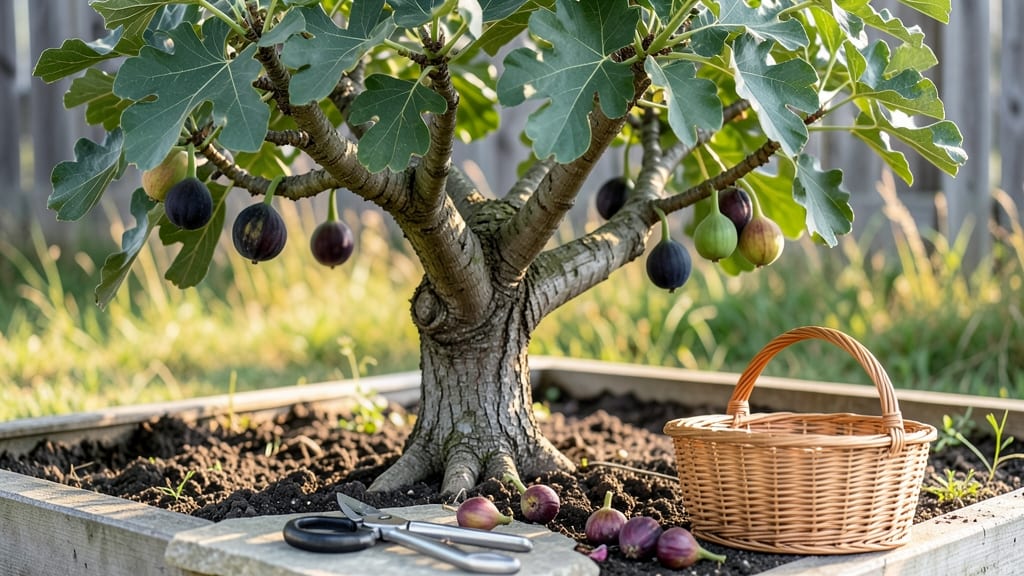
Spot the telltale blush of a fig tree ripe in your Pacific Northwest garden, and you’ll know summer’s sweetest secret is ready to pick—just wait for that deep purple or brown glow before harvesting. pick makes all the difference between jammy perfection and mealy disappointment.
I've learned the hard way—overripe figs on the tree attract squirrels faster than you can say "free snack," while underripe ones taste like rubber.
The real trick is combining three checks: color (that rich purple or brown blush), texture (a slight give when gently squeezed), and the "stem test" (if it pulls away easily, it's ready).
My favorite PNW figs, like 'Desert King' and 'Osborn Prolific,' ripen unevenly, so I harvest in batches every few days once they start changing color. This keeps the tree producing and gives me fresh figs for weeks instead of one big messy glut.
Once picked, store them in the fridge for up to a week—they'll soften further but stay sweet. Overripe? Toss them into smoothies or freeze for baking. And if you miss the window? Unripe figs won't ripen off the tree, but you can cook them down into jam or chutney.
The key is acting when the skin starts that magical color shift—before the birds or squirrels get there first.
This method works for both container-grown and in-ground figs in our damp climate, though container trees may need a little extra shade to prevent cracking. The first year I tried this, I went from throwing away half my harvest to filling jars with fig jam all winter.
Now that's what I call a PNW gardening win.
📚 In This Guide
- What you need
- Instructions
- Tips and common mistakes
- Wrapping up and next steps
What you need
- ● Figs: Mature fig tree with visible fruit (bonus points if it’s a Desert King or Chicago Hardy variety—common in the PNW!)
- ● Gloves: Heavy-duty gardening gloves (to protect from thorns and sap)
- ● Pruning shears: Sharp, clean bypass pruners (5-7 inch blades, stainless steel for durability)
- ● Notebook & pen: For tracking ripeness stages and harvest dates
- ● Small knife or fruit picker: For gently harvesting ripe figs without damaging the tree
- ● Bucket or basket: A shallow container (10+ gallons) lined with a towel to cushion figs
- ● Spray bottle with water: For quick moisture tests (see tricks below!)
- ● Magnifying glass: For inspecting tiny details like skin texture or insect activity
- ● Food scale: To weigh harvests and track growth patterns
- ○ Digital thermometer: For checking fig temperature (optional for advanced ripeness tests)
- ● Pruning sealant: (e.g., Tree Seal) to protect cuts if you’re also pruning
- ● Camera or phone: To document ripeness stages for future reference
How to tell when your Pacific Northwest figs are perfectly ripe
Here's how I've learned to spot ripe figs—no guesswork, just proven tricks.
Check the Skin Color Shift
Figs in the Pacific Northwest often ripen slower than in warmer climates, so don't rush it. The skin will deepen from green to a rich, purple-brown or deep pink when fully ripe. Some varieties stay green with a yellow blush—check your tree's expected color. The skin should also feel slightly softer than when firm.
If you're unsure, gently press the fig. A ripe one will yield slightly under pressure, almost like a ripe peach. This is your first clear sign. I always test 2-3 figs from different branches—they don't all ripen at once, even on the same tree.
Look for the Stem Signal
The stem is your secret weapon. When ripe, it will separate easily from the branch with just a light twist. If it resists, the fig needs more time. I've learned the hard way—don't pull too hard, or you'll snap the branch instead of the stem.
Here's the thing—some varieties have stems that stay attached even when ripe. If yours does this, check for another clue: the fig should feel heavier for its size. A ripe fig is denser because the sugars have concentrated. Hold one in each hand and compare—you'll notice the difference immediately.
Test the Sweetness
This is where patience pays off. Cut open a fig that's showing color changes and has a yielding skin. A perfectly ripe fig will have creamy, jelly-like flesh with no hard spots. The interior should smell intensely sweet and floral—like honey and warm bread.
If it tastes bland or mealy, it's not ready. I've had figs that looked perfect but were still tough inside. The Pacific Northwest's cooler summers can delay sugar development, so don't be afraid to wait a few extra days. A truly ripe fig should make your mouth water just from the scent alone.
Watch for Natural Dropping
One of my favorite tricks is simply watching the tree. Figs that are truly ripe will detach from the branch on their own—this is nature's way of telling you they're perfect. I place a sheet or tray beneath productive branches to catch these fallen treasures.
If your tree isn't producing many dropped figs, it might need more sun. Figs in the PNW often struggle with partial shade from surrounding trees. Move a branch into full sun for a week and watch—you'll often see a surge of ripening within days.
Tips & tricks for perfect Pacific Northwest fig ripeness
These simple tricks will help you avoid the frustration of picking figs too early—and missing out on their peak flavor.
Variety Matters: Different fig varieties ripen at different rates and show distinct color cues. For example, 'Desert King' figs turn deep purple-brown, while 'Chicago Hardy' may stay green with a yellow blush. When in doubt, cross-reference with your tree's specific variety—most nurseries provide this information. The Pacific Northwest's cooler climate can delay ripening, so don't be surprised if your figs take longer to develop these colors than you'd expect.
The Pressure Test: When checking for ripeness in Step 1, press gently but firmly—you should feel a slight give, like pressing a ripe avocado. If the fig feels rock-hard, it's not ready. I've found that testing 2-3 figs from different branches gives a more accurate picture, since figs don't all ripen simultaneously, even on the same tree. This is especially true in the PNW, where temperature fluctuations can create uneven ripening patterns.
Sunlight Strategy: If your tree isn't producing many dropped figs (Step 4), it might be struggling with shade. Move branches into full sun for a week—you'll often see a noticeable surge in ripening within days. I've even seen figs that were barely changing color suddenly drop when given proper sunlight. This is particularly important in the Pacific Northwest, where overcast skies and surrounding trees can create partial shade that slows ripening.
Pro Tips for Fig Tree Ripe
- These simple tricks will help you avoid the frustration of picking figs too early—and missing out on their peak flavor.
- Variety Matters: Different fig varieties ripen at different rates and show distinct color cues.
- The Pressure Test: When checking for ripeness in Step 1, press gently but firmly—you should feel a slight give, like pressing a ripe avocado.
Frequently asked questions
How do I know if my fig is truly ripe?
Look for these signs: skin softness (gentle pressure should yield slightly), color shift (deep purple, brown, or green depending on the variety), and easy detachment from the branch. A ripe fig may also ooze a milky sap when picked—this is normal! If it’s still firm or green, wait 2–3 days.
Why do my figs ripen at different times?
Figs on the same tree often ripen in waves due to crop load (early vs. late blooms) and sun exposure. Shadier branches lag behind. In the PNW’s cool summers, heatwaves can trigger a sudden rush—check your tree daily in August–September. Varieties like ‘Desert King’ ripen earlier than ‘Brown Turkey,’ so plant a mix for extended harvests!
Will a late PNW frost ruin my unripe figs?
Yes, but don’t panic! Green figs can survive light frosts (down to 28°F) and may ripen later if the tree isn’t damaged. Wrap young trees in burlap for extra protection. If branches blacken, prune them post-frost—healthy wood will produce new fruit. Pro tip: Harvest any near-ripe figs before cold snaps to avoid waste.
Can I force figs to ripen faster?
While you can’t speed up ripening, you can optimize conditions: Move potted figs to a sunny, sheltered spot (like a greenhouse) or wrap the tree in clear plastic to trap heat. Avoid ethylene-producing fruits (like apples) nearby—they can slow ripening. Once ripe, figs won’t get sweeter; pick them promptly!
What if my figs split or get mealy?
Splitting happens when rapid rain follows dry spells—prune affected fruit to prevent rot. Mealy texture (a sign of overripeness) means the fig is past its prime, but it’s still edible! Store it in the fridge for 2–3 days. To prevent issues, water deeply but consistently and avoid over-fertilizing with nitrogen (it promotes leafy growth over fruit).
Wrapping up and next steps
Identifying when your Pacific Northwest fig tree is ripe is all about patience, observation, and a little know-how! Remember, the color shift from green to deep purple or brown, the easy twist test, and the slight give when gently squeezed are your best friends.
Don’t rush it—overripe figs can be mealy, and underripe ones won’t satisfy your sweet tooth.
Now that you’re equipped with these tricks, go ahead and enjoy the fruits of your labor! 🌿 Whether you’re harvesting for fresh eating, jams, or drying, the reward of a perfectly ripe fig is worth the wait. Next up? Try experimenting with recipes or share your harvest with neighbors—because nothing beats the joy of a homegrown, sun-ripened fig!