
Pruning
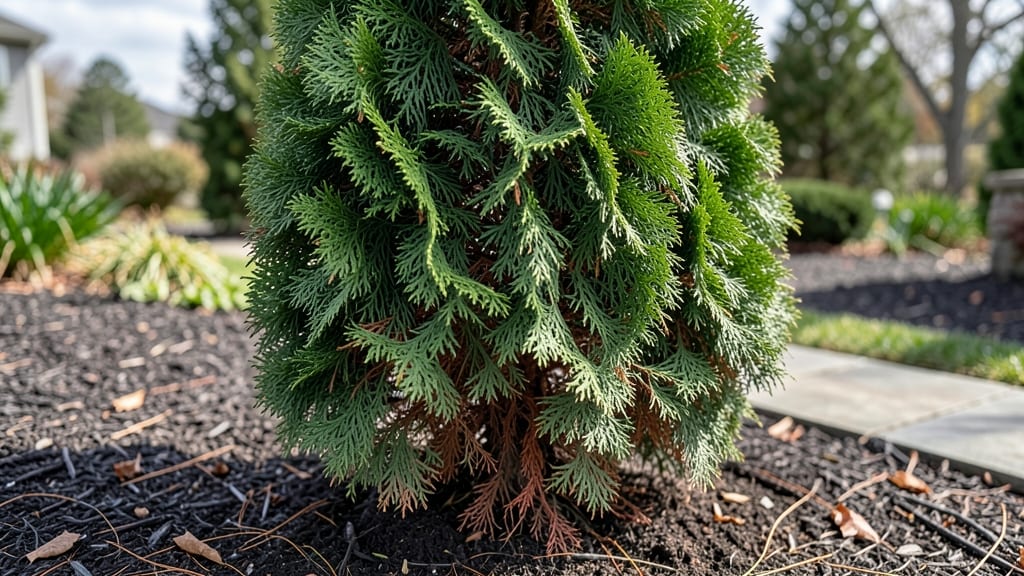
Planting an arborvitae tree near you in the Pacific Northwest means year-round greenery that outshines any seasonal display. 🌲 These evergreens thrive in our damp, mild winters and thrive in zones 2 through 7, making them perfect for your backyard.
Their dense foliage blocks wind while adding privacy and structure to any landscape design.
Finding the right spot is key—plant them where they’ll get partial shade to full sun, with at least 6 feet of space to grow. In the PNW, they’re naturally resistant to pests and drought once established, so maintenance stays low.
Pair them with rhododendrons or ferns for a lush, low-maintenance understory that complements their vertical presence.
What you’ll love most is how they transform your space: a soothing green wall that muffles traffic noise, frames patios, or anchors garden beds. Their soft, feathery branches create texture that softens modern homes or blends seamlessly with cottage-style gardens.
With proper placement, they’ll reward you for decades with minimal effort.
For best results, mulch around the base to retain moisture and prune lightly in early spring to shape young trees. In the PNW’s humid climate, they rarely need fertilizing—just watch for signs of brown tips, which usually mean they’re thirsty. Ready to add this classic evergreen to your landscape?
📚 In This Guide
- What you need
- Instructions
- Tips and common mistakes
- Wrapping up and next steps
What you need
- ● Pruning shears: Bypass pruners with sharp, bypass blades (for clean cuts on branches up to ½ inch thick). Example: Felco F-2 or Corona Classic.
- ● Loppers: For branches between ½ to 1½ inches thick. Look for ratcheting or bypass loppers for precision. Example: Fiskars X27 or Bahco.
- ● Pruning saw: A curved-tooth pruning saw for thicker branches (1½+ inches). Example: Felco F-22 or Fiskars X7.
- ● Ladder: A sturdy, extendable aluminum or fiberglass ladder (20–30 feet, depending on tree height). Safety tip: Use a ladder with non-slip feet and stabilizer bars.
- ● Gloves: Heavy-duty, cut-resistant gloves (e.g., Mechanix or PIP) to protect your hands from thorns and sharp tools.
- ● Disinfectant: A 70% isopropyl alcohol spray or bleach solution (1 part bleach to 9 parts water) to sterilize tools between cuts and prevent disease spread.
- ● Heavy-duty trash bags: For collecting pruned branches and debris (10–20 gallon size, depending on tree size).
- ● Safety gear: Safety glasses (ANSI-rated)
- ● Long-sleeve shirt and long pants (to protect from branches)
- ● Closed-toe shoes or steel-toe boots
- ● Pole pruner: For high branches (16+ feet). Example: telescoping pole pruner with bypass blades.
- ○ Tree wound dressing: Pruning sealant (optional for arborvitae; research shows mixed benefits for conifers).
- ● Work gloves with grip: For handling slippery branches or wet conditions.
- ● Extension cord & leaf blower: If you plan to mulch or dispose of debris immediately.
- ● First-aid kit: For minor cuts or scrapes.
Step-by-Step guide for maintaining a healthy arborvitae in the Pacific Northwest
Here’s how I keep my arborvitae thriving through PNW’s wet winters and dry summers.
🌿 Step 1: Assess Soil and Drainage for PNW Conditions
The Pacific Northwest’s mix of heavy winter rains and summer drought means arborvitae soil needs to breathe. Start by testing drainage—dig a hole near your tree’s drip line (the edge of its canopy) and fill it with water. If it drains in under an hour, you’re good. If it pools, amend the soil with 2-3 inches of compost mixed into the top 12 inches to improve aeration.
Arborvitae hate soggy roots, especially in winter. If your yard stays damp, consider a 4-inch layer of wood chips around the base (but keep it 6 inches away from the trunk). This mimics their natural forest-floor habitat while preventing compaction.
☀️ Step 2: Adjust Watering for Seasonal Shifts
Newly planted arborvitae need deep watering twice weekly for the first year, but established trees handle PNW’s rainfall well. The key is summer care: water once a week during dry spells (when topsoil feels dry 2 inches down). I use a soaker hose on the tree’s edges to avoid wetting the trunk.
Winter watering is trickier. If your area gets less than 1 inch of rain per month, give mature trees a light drink monthly—just enough to prevent desiccation. Overwatering in winter can lead to root rot, so always check soil moisture before reaching for the hose.
✂️ Step 3: Prune Strategically to Encourage Full Growth
Arborvitae grow best with minimal pruning, but shaping is key for PNW’s windy summers. Trim back overly long branches in late winter (February) to encourage bushier growth. Use clean, sharp shears and cut just above a leaf bud—never leave stubs, or you’ll invite disease.
Watch for brown tips in winter—they’re usually a sign of dry air or salt buildup from road spray. If you see widespread browning, prune those branches and apply a light mulch to retain moisture. Never prune more than 25% of the tree at once, or you’ll shock it.
🪴 Step 4: Protect Against PNW-Specific Pests and Fungi
The Pacific Northwest’s cool, damp climate makes arborvitae vulnerable to bagworms and root rot. Start by inspecting the undersides of branches in early summer for bagworm cocoons (they look like tiny pinecones). Handpick and crush them—no need for chemicals unless you see heavy infestation.
For fungal issues like canker disease, prune infected branches 6 inches below the damage and sterilize your tools with 70% rubbing alcohol. Avoid overhead watering to keep foliage dry, and consider a fungicide spray (like neem oil) if you spot blackened bark.
⏰ Step 5: Plan Year-Round Care for Long-Term Health
Fall is the best time to fertilize lightly—use a balanced 10-10-10 fertilizer in early October to support root growth before winter. Spring (March) is for aerating compacted soil if needed, and summer is for monitoring for pests. I also check for sun scorch on south-facing sides—if leaves look bleached, move the tree or provide afternoon shade.
Arborvitae are low-maintenance, but PNW’s extremes demand attention. By adjusting watering, pruning smartly, and watching for local pests, your tree will stay lush year-round. Real talk: the first year is the hardest, but after that, they’re basically set-and-forget.
Tips & tricks for Pacific Northwest arborvitae care
Keeping your arborvitae thriving in the PNW's ever-changing climate takes a few strategic adjustments. Here's what I've learned after years of trial and error with my own trees.
Soil Prep Secret: When amending soil in Step 1, mix in 1/4 cup of Epsom salt per 12 inches of soil depth for magnesium boost—this helps prevent the yellowing leaves that often show up in our acidic PNW soils. The 2-3 inches of compost is perfect, but add a handful of coarse sand if your soil feels like wet clay to improve drainage even more. For established trees, top-dress with 1 inch of compost annually in early spring instead of mixing it in—this mimics natural forest floor decomposition.
Watering Watch: In Step 2, the 2 inches down soil check is key, but I've found using a soil moisture meter makes it foolproof—especially when you're in a hurry. For newly planted trees, water deeply at 5 PM to reduce evaporation and give roots time to absorb moisture before nightfall. If your soil is sandy, you might need to water twice in one week during summer droughts—just check that 2-inch depth again after the first watering.
Pruning Precision: That 25% maximum pruning rule in Step 3 is non-negotiable, but here's the trick: spread it out over two sessions if you need to prune that much. For example, trim 15% in February and another 10% in early April. When you see those brown tips, don't just cut them off—look for the healthy green bud just below and cut there. Those buds are where new growth starts, and cutting above them creates ugly stubs that invite disease.
Pest Prevention: For Step 4's bagworm inspection, grab a flashlight and magnifying glass when checking undersides—early detection is everything. I've found that neem oil spray (mixed 1 tbsp per gallon of water) works better than handpicking for heavy infestations. Apply it in early June when bagworms are young and vulnerable. For fungal issues, sterilize your pruners with rubbing alcohol between every cut when dealing with canker disease—don't just wipe once!
Pro Tips for Arborvitae Tree Near Me
- Keeping your arborvitae thriving in the PNW's ever-changing climate takes a few strategic adjustments.
- Soil Prep Secret: When amending soil in Step 1, mix in 1/4 cup of Epsom salt per 12 inches of soil depth for magnesium boost—this helps prevent the yellowing leaves that often show up in our acidic PNW soils.
- Watering Watch: In Step 2, the 2 inches down soil check is key, but I've found using a soil moisture meter makes it foolproof—especially when you're in a hurry.
Frequently asked questions
What’s the best time of year to plant an arborvitae tree in the Pacific Northwest?
Plant your arborvitae in early spring (March–April) or fall (September–October) for best results. The cooler temps and consistent rain help roots establish before summer heat or winter frost. Avoid planting in late fall—young trees need time to harden off before winter!
How do I find a healthy arborvitae tree for sale near me?
Check local nurseries (especially PNW-specialized ones), big-box stores with garden centers, or online retailers like Proven Winners or Monrovia. Look for trees with dense, vibrant green foliage (no brown patches!) and flexible branches. Ask staff about Thuja plicata (giant arborvitae) or Thuja occidentalis (eastern white cedar) for PNW suitability.
When should I prune my arborvitae, and how much can I trim?
Prune in late winter or early spring (February–March) to shape your tree and encourage new growth. Never trim more than 25–30% of the foliage at once—this stresses the tree. Focus on thinning out crowded branches and removing dead wood. Pro tip: Use sharp, clean shears to avoid tearing!
What pests or diseases should I watch for with arborvitae trees in the PNW?
Keep an eye out for arborvitae sawfly larvae (white, fuzzy caterpillars that skeletonize foliage) and bagworms (pouch-like nests). Fungal issues like canker disease (sunken, oozing spots) or root rot (yellowing needles) can also pop up in soggy soil. Treat pests with neem oil or insecticidal soap, and improve drainage to prevent rot.
Can I grow an arborvitae in a container, or does it need to be planted in the ground?
Yes! Dwarf varieties (like ‘Emerald Green’ or ‘Golden Globe’) thrive in containers for 5+ years, but larger types (like Thuja plicata) need permanent ground planting. Use a well-draining potting mix and a pot 2x wider than the root ball. Move containers to partial shade in summer to prevent heat stress.
Why are my arborvitae needles turning brown?
| Cause | Fix It! |
|---|---|
| Overwatering or poor drainage | Let soil dry slightly between waterings; amend clay soil with compost. |
| Underwatering (drought stress) | Water deeply 1–2x/week in dry spells; mulch to retain moisture. |
| Winter burn (sun scald) | Use burlap windbreaks in exposed areas; avoid pruning late in the season. |
| Pests (sawflies, spider mites) | Spray with neem oil or insecticidal soap; hose off pests in early stages. |
If brown needles persist, test for fungal diseases—prune affected branches and treat with fungicide if needed.
Wrapping up and next steps
Finding the perfect arborvitae tree near you in the Pacific Northwest is just the first step—keeping it thriving year-round is where the real magic happens! 🌲 With the right pruning techniques, you’ll enjoy lush, healthy foliage that adds beauty and privacy to your space for decades.
Whether you’re a seasoned gardener or just starting, now’s the time to take action—grab those shears and give your arborvitae the care it deserves!
Ready to elevate your green thumb game? Start by scheduling a quick check-up of your tree’s health today—your future self (and your neighbors!) will thank you. 😊