Pruning
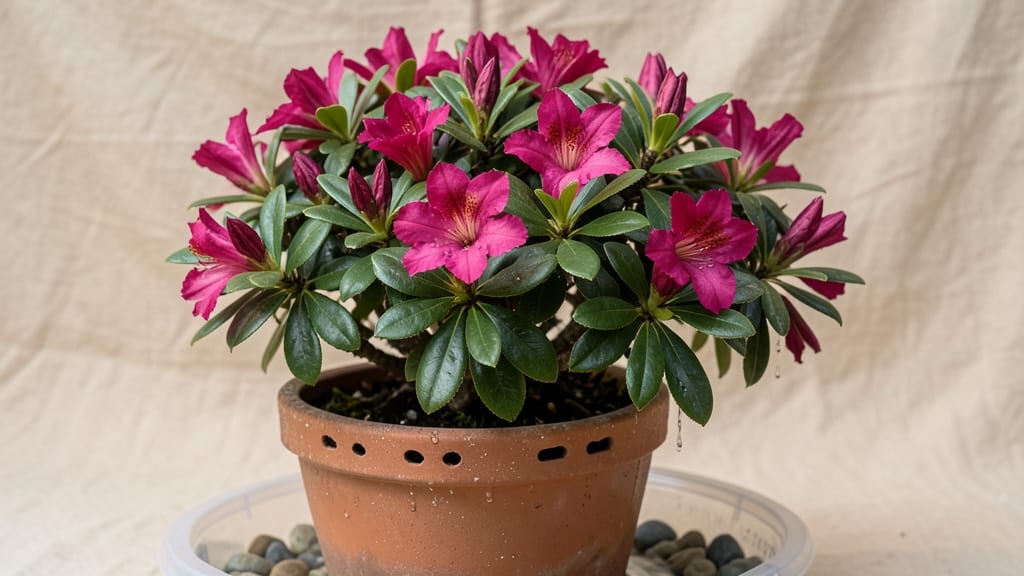
Growing an azalea tree indoors isn’t just possible—it’s a game-changer for small spaces craving color year-round. 🌸 I’ve watched mine transform from a struggling store-bought shrub to a blooming powerhouse by mimicking its natural habitat, and the secret lies in light, moisture, and a little seasonal trickery.
The key is balancing bright, indirect light with cool, damp conditions—think east-facing windows or grow lights paired with a peaty, acidic soil mix. Most people overwater, drowning the roots, but azaleas prefer consistently moist (not soggy) soil.
A humidity tray or regular misting keeps those delicate blooms happy, and a winter chill period tricks the plant into reblooming.
You’ll end up with glossy, deep-green leaves and clusters of vibrant blooms that last for weeks, even in winter. The fragrance alone makes it worth the effort—like a mountain retreat on your windowsill.
With the right care, your indoor azalea will outshine any cut flowers and become the star of your home.
Whether you’re dealing with leaf drop, bud failure, or just slow growth, we’ll cover how to diagnose and fix common issues. Here’s how to keep your azalea thriving indoors, no matter the season.
📚 In This Guide
- What you need
- Instructions
- Tips and common mistakes
- Wrapping up and next steps
What you need
- ● Azalea plant: Choose a dwarf or compact variety (e.g., Rhododendron simsii) suited for indoor growing (height: 12–36 inches).
- ● Well-draining potting mix: 1 gallon of acidic, peat-based soil (pH 4.5–5.5). Avoid garden soil—it’s too alkaline!
- ● Pot with drainage holes: 1 ceramic or terracotta container (size: 1–2 inches larger than the root ball).
- ● Pruning shears: Bypass pruners (sharp, clean, and sterilized with rubbing alcohol).
- ● Glove: 1 pair of gardening gloves (to protect from thorns and sap).
- ● Rooting hormone: 1 small bottle (for propagating cuttings).
- ● Misting bottle: 1 (to maintain humidity).
- ● Fertilizer: Acid-loving plant fertilizer (e.g., 10-10-10 or rhododendron-specific).
- ● Grow lights: 1–2 LED full-spectrum bulbs (if natural light is limited).
- ● Peat moss or perlite: Small bag (for amending soil or top-dressing).
- ● Tray or saucer: 1 (to catch excess water).
Step-by-step guide to growing azaleas indoors
Here’s how to coax vibrant blooms from your indoor azalea—no greenhouse needed.
🪴 Step 1: Choose the Right Container and Soil
Azaleas thrive in acidic, well-draining soil with a pH between 4.5 and 6.0. Use a 6-8 inch pot with drainage holes—terracotta works best because it breathes and helps prevent root rot. Fill the pot with a mix of peat moss, perlite, and pine bark (a 3:1:1 ratio) to mimic their natural woodland habitat.
Don’t compact the soil when planting. Azalea roots need air pockets to grow strong. Gently press the soil around the base of the plant to secure it, but leave the surface loose. If your soil feels heavy or clumps when squeezed, it’s too dense—add more perlite to lighten it up.
☀️ Step 2: Position for Bright, Indirect Light
Azaleas crave bright, indirect light—think east or north-facing windows. Too much direct sun scorches their leaves, while too little light stunts blooms. If your space only has south-facing light, place the plant 6 feet back from the window or use a sheer curtain to diffuse harsh rays.
Watch for these signs: Leaves turning yellow or crispy at the edges mean too much sun. Pale, leggy growth with sparse blooms means it’s not getting enough light. Adjust the position gradually—azaleas hate sudden light changes, which can shock them into dropping buds.
💧 Step 3: Master the Watering Routine
Azaleas despise soggy roots but also can’t handle dry soil. Water when the top 1-2 inches of soil feel dry—stick your finger in to check. Use room-temperature, distilled or rainwater (tap water’s minerals raise soil pH over time). Water until it drains freely from the bottom, then empty the saucer to prevent root rot.
Here’s the thing—azaleas love humidity. Mist the leaves weekly or place the pot on a tray of pebbles filled with water (keep the pot elevated so roots stay dry). If leaves curl or drop buds, it’s a cry for moisture. But if they yellow and feel mushy, you’ve overwatered. Balance is key.
✂️ Step 4: Prune and Fertilize for Continuous Blooms
After flowering, trim back one-third of the oldest stems to encourage new growth. Use clean, sharp shears and cut just above a leaf node at a 45-degree angle. This prevents water from pooling on the cut and keeps the plant bushy. Avoid heavy pruning in fall—it stresses the plant before winter dormancy.
Feed your azalea every 4-6 weeks in spring and summer with an acid-loving plant fertilizer (look for one labeled for rhododendrons or azaleas). Dilute it to half-strength to avoid burning roots. Skip fertilizer in fall and winter—this mimics their natural rest period and prevents weak, leggy growth.
⏰ Step 5: Adjust for Seasonal Needs
Azaleas need a cool, dormant period to rebloom. In fall, reduce watering slightly and move the plant to a cooler spot (50-60°F). If your home stays warm year-round, mimic winter by placing the pot in a bright, cool room (like a garage with a window) for 6-8 weeks. This break signals the plant to set buds for next season.
Resume normal care in early spring when you see new growth. Avoid fertilizing until you spot fresh leaves—this ensures energy goes to roots, not wasted on dormant tissue. Patience here pays off: azaleas that get this rest bloom longer and more vibrantly.
Tips & tricks for perfect indoor azalea care
Let me save you the trial-and-error of figuring out these plants on your own—these are the secrets that'll keep your azalea thriving year after year.
Soil Mix Secret: The 3:1:1 ratio of peat moss, perlite, and pine bark isn't just arbitrary—it's about balance. I've found that adding a handful of sphagnum moss to the mix (about 20% of the total volume) helps retain moisture better during dry spells while still preventing compaction. This keeps those delicate roots happy without smothering them. The key is to mix thoroughly so you don't create pockets of dense soil where roots might rot.
Light Positioning Hack: That 6 feet back from south-facing windows isn't just a suggestion—it's critical. I learned this the hard way when my azalea's leaves turned crispy after just two weeks in direct sun. For extra protection, place a sheer curtain between your plant and the window. If you notice leaves leaning toward the light, rotate the pot a quarter turn every week so it grows evenly. This prevents that lopsided, sad look that makes indoor plants seem so... well, indoor.
Humidity Boost: The weekly misting is great, but here's what nobody tells you—azaleas love humidity year-round, not just in summer. Place your pot on a tray filled with pebbles and water (just enough to cover the pebbles, not the pot). The evaporation creates a mini humidifier effect. I've seen azaleas in dry homes thrive with this simple setup. Just remember to keep the pot elevated so roots don't sit in water—this is about humidity, not soggy soil.
Seasonal Transition Tip: When you're moving your azalea to that 50-60°F cool spot in fall, don't just plop it in a dark corner. Find a bright location where it gets plenty of light—even in cooler conditions, azaleas need light to set buds for next season. I keep mine near a north-facing window in my garage during winter. The cool temps plus bright light create the perfect conditions for bud formation. This is when patience pays off—those 6-8 weeks of dormancy are what'll give you those spectacular blooms come spring.
Pro Tips for Azalea Tree Indoor
- Let me save you the trial-and-error of figuring out these plants on your own—these are the secrets that'll keep your azalea thriving year after year.
- Soil Mix Secret: The 3:1:1 ratio of peat moss, perlite, and pine bark isn't just arbitrary—it's about balance.
- Light Positioning Hack: That 6 feet back from south-facing windows isn't just a suggestion—it's critical.
Frequently asked questions
Got questions about keeping your azalea tree indoor thriving? Here are some of the most common ones—plus expert answers to help you grow stunning blooms year-round!
Can I grow an azalea indoors year-round, or do I need to bring it outside?
Yes! Many azalea varieties thrive indoors with the right care, especially dwarf or compact types like Rhododendron simsii. Just ensure bright, indirect light (east or north-facing windows), consistent humidity (40-50%), and cooler temps (60-65°F). If your azalea blooms heavily in spring, a brief outdoor stint in partial shade can recharge it—but it’s not mandatory.
How often should I water my indoor azalea, and how do I know it’s thirsty?
Water when the top 1-2 inches of soil feel dry—usually every 5-7 days, but adjust for humidity and light. Overwatering is the #1 killer! Check by sticking your finger in the soil: if it’s damp, wait. Yellow leaves or drooping stems signal thirst, while mushy soil or root rot means you’re overdoing it. Use room-temperature water to avoid shocking the roots.
Why isn’t my indoor azalea blooming, even though it has lots of leaves?
Azaleas need specific triggers to bloom: cool nights (50-60°F), bright light, and consistent care. If it’s leafy but not flowering, try these fixes:
- Move it to a cooler spot at night (a basement or garage for a few hours can help).
- Fertilize with acidic, high-phosphorus plant food (like 10-30-20) in early spring.
- Prune spent blooms to encourage new buds.
- Check humidity—dry air stresses the plant.
Are indoor azaleas prone to pests, and how do I prevent them?
Indoor azaleas can attract spider mites, aphids, or scale insects, especially in dry conditions. Prevent pests with these tips:
- Wipe leaves with a damp cloth weekly to remove dust.
- Mist leaves or use a pebble tray to boost humidity.
- Inspect new plants before bringing them inside.
- If pests appear, treat with neem oil or insecticidal soap (test on a small area first).
What’s the best alternative if I want a blooming indoor tree but azaleas are too finicky?
If azaleas seem too high-maintenance, try these low-maintenance, blooming indoor trees:
- Jasmine (Trachelospermum jasminoides): Fragrant white flowers, drought-tolerant.
- Orchid Tree (Bauhinia): Bold pink blooms, thrives in bright light.
- Fuchsia: Colorful, pendulous flowers; loves humidity.
- Dwarf Gardenia (Gardenia jasminoides ‘Radicans’): Sweet-scented white blooms, compact size.
Wrapping up and next steps
Growing an azalea tree indoors is a rewarding way to bring vibrant blooms into your space year-round—even in small apartments! With the right care, pruning techniques, and attention to light and humidity, you’ll enjoy stunning flowers and lush foliage for seasons to come. Don’t wait—start your indoor azalea journey today!
Ready to transform your home with color? Pick your favorite azalea variety, gather your supplies, and dive into pruning and maintenance. Check out our full guide for step-by-step tips to keep your azalea thriving!