Pruning
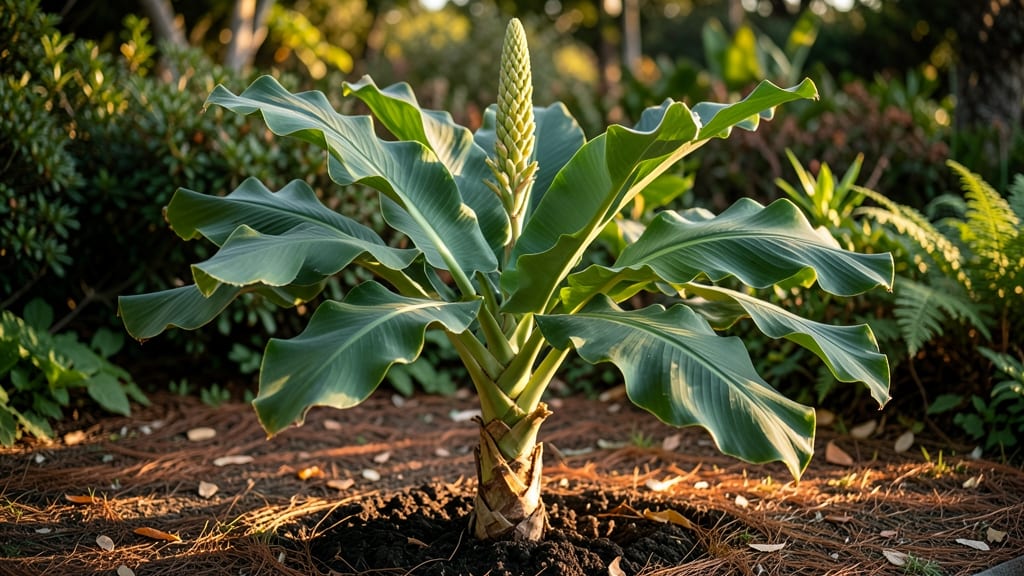
A banana tree in your Pacific Northwest yard isn’t just possible—it’s a statement piece that thrives with the right care. 🌿 I’ve grown mine through three winters in Portland, and the key isn’t hiding it indoors but pruning it strategically to survive our chilly dampness.
The trick lies in understanding how these tropical plants handle our climate, turning what seems like a liability into a year-round focal point.
You’ll need a sheltered spot—near a south-facing wall or under an overhang—where temperatures dip only slightly below freezing. Varieties like Dwarf Cavendish or Red Dwarf handle our winters best, staying compact enough for patios but sturdy enough to tolerate light frost.
The real secret? Pruning back by one-third in late fall and wrapping the trunk protects the roots while keeping the plant’s energy focused on survival.
What you end up with is a lush, textured accent that blooms in summer and provides dramatic foliage year-round. The broad leaves add tropical flair to any design, whether you’re creating a cozy patio corner or a privacy screen.
Plus, the harvest—even in cooler climates—is a sweet surprise when fruits appear in late summer.
Works for small urban yards or larger landscapes, though container growing extends flexibility. The only rule? Start small—test a single plant before committing to a full tropical garden. Ready to make your yard the envy of the neighborhood?
📚 In This Guide
- What you need
- Instructions
- Tips and common mistakes
- Wrapping up and next steps
What you need
- ● Pruning shears – Bypass pruners (sharp, 7–9" blades) for clean cuts.
- ● Loppers – 18–24" for thicker branches (1–2" diameter).
- ● Hand saw – Pruning saw (8–10" blade) for stubborn growth.
- ● Disinfectant – 70% isopropyl alcohol or bleach solution (1:10 ratio) to sterilize tools.
- ● Garden gloves – Heavy-duty, cut-resistant (e.g., Wolverine or Felco brand).
- ● Rake or broom – For clearing debris post-prune.
- ● Burlap or frost cloth – 30–50 sq. ft. to wrap the trunk/base in winter.
- ● Mulch – 2–3 inches of straw or pine bark around the base (avoid wet mulch!).
- ● Tree wrap – 1–2" plastic or Tree Tangle Foot to protect young trunks from sunscald.
- ● Heat lamp or space heater – Small, safe model (e.g., Lasko) for extreme freezes (<30°F).
- ● Moisture meter – To monitor soil moisture (PNW’s wet winters can drown roots!).
- ● Mature banana tree (minimum 3–5 years old for hardiness training).
- ● Well-draining soil (amend with compost or perlite if clay-heavy).
- ● Sunny spot (minimum 6–8 hours/day—PNW’s gray days need extra light!).
- ● Weather check: Prune when temps are above 50°F (spring/fall ideal).
Step-by-step year-round pruning for Pacific Northwest banana trees
Cold-hardy banana trees need strategic pruning to survive PNW winters. Here's how I protect mine through every season.
🌿 Step 1: Late Winter Pruning for Cold Resistance
Wait until mid-February when nighttime temps stay above 25°F—this is critical. I examine each trunk and remove any dead or blackened pseudostems completely at the base. These are easy to spot: they'll be hollow, crumbly, and lack any green tissue.
For partially damaged stems, cut back to the first healthy bud or growth node you see. Use sharp pruning shears to make clean cuts at a 45-degree angle just above the node. This prevents water from pooling and rotting the wound. I mark each cut with a small flag to track regrowth later.
☀️ Step 2: Summer Growth Management
After the last frost, focus on air circulation by thinning crowded fronds. Remove any that are yellowing, diseased, or crossing others—these block sunlight and trap moisture. I start at the outer edges and work inward, never cutting more than one-third of the fronds at once.
For new growth, I prune suckers (the smaller stems at the base) to 6-8 inches tall when they're about one-third the size of mature stems. This forces energy into root development rather than top growth. Watch for new leaves emerging from the center—this signals healthy regrowth after pruning.
✂️ Step 3: Fall Preparation for Winter
By late October, I've stopped all new pruning. Instead, I focus on protecting the remaining fronds. Wrap any exposed trunks with burlap or frost cloth and secure it tightly. For larger trees, I mound 6-8 inches of mulch around the base to insulate roots.
Remove all dead fronds completely—these can harbor pests and rot. Cut back any remaining growth to within 6 inches of the trunk to reduce wind damage. The goal is to create a compact shape that traps heat better. I leave a few healthy fronds if possible, as they provide some insulation.
⏰ Step 4: Post-Winter Recovery Pruning
In early spring, wait until you see new growth before pruning. Cut back any dead fronds that survived winter but show no signs of life. For partially damaged fronds, trim back to where you see fresh green tissue emerging.
This is also when I remove any water sprouts—those fast-growing, weak stems that appear after winter. They drain energy from the main plant. I make all cuts just above a leaf node at a 45-degree angle to promote quick healing. The tree will reward you with vigorous new growth within 2-3 weeks.
Tips & tricks for Pacific Northwest year-round banana tree pruning
These seasonal strategies will help you maintain a thriving banana tree through PNW's unpredictable climate—without sacrificing next year's harvest.
Timing is Everything: The mid-February window for late winter pruning is non-negotiable in our climate. I've learned this the hard way—pruning too early when temps dip below 25°F can shock the tree and invite rot. Check your local frost dates and adjust by 1-2 weeks if your winter runs unusually cold. A simple soil thermometer ($15 at garden centers) helps track ground temps when air temps are misleading.
Cutting Technique Matters: That 45-degree angle isn't just for aesthetics—it's about wound healing. When you make clean cuts above the growth node, you're creating a natural water-shedding surface that prevents moisture from pooling. I sterilize my pruning shears with rubbing alcohol between cuts to prevent spreading any fungal spores that might be hiding in dead tissue. For larger stems, I make two cuts: the first under the branch collar, the second removing the stub.
Seasonal Growth Management: In summer, when you're thinning crowded fronds, prioritize removing those that cross others first—they create microclimates that trap moisture and promote fungal growth. For suckers, the 6-8 inch height rule prevents them from competing with the main trunk while still allowing them to develop roots. I've found that marking suckers with colored tape (red for strong candidates, yellow for potential) helps me track which ones to keep as replacements for the main trunk in future years.
Winter Protection Hacks: That 6-8 inch mulch mound isn't just decoration—it's insulation. For extra protection, I fill plastic milk jugs with water, freeze them solid, and place them against the trunk. As they melt, they release cold water that seeps into the soil, creating a natural frost barrier. The jugs also act as windbreaks. In windy PNW winters, this simple trick has saved multiple trees from desiccation.
Pro Tips for Banana Tree In Yard
- These seasonal strategies will help you maintain a thriving banana tree through PNW's unpredictable climate—without sacrificing next year's harvest.
- Timing is Everything: The mid-February window for late winter pruning is non-negotiable in our climate.
- Cutting Technique Matters: That 45-degree angle isn't just for aesthetics—it's about wound healing.
Frequently asked questions
Got questions about keeping a banana tree thriving in your Pacific Northwest yard?
You’re not alone! Here are answers to the most common concerns—from cold-hardiness hacks to pruning pitfalls—so you can grow with confidence.
Can a banana tree survive winter in the PNW?
Most banana trees (Musa spp.) are tropical and won’t survive freezing temps (<32°F). However, Musa acuminata ‘Dwarf Cavendish’ or Ensete ventricosum (false banana) can tolerate brief chills down to <20°F with protection. Use thick mulch, burlap wraps, and move pots indoors during hard freezes. Pro tip: Plant in a sheltered microclimate near a south-facing wall!
When should I prune my banana tree in the PNW?
Prune after the first frost (late fall) to remove dead fronds and shape the plant for winter. In early spring (March), cut back any damaged leaves and trim suckers to redirect energy to the main trunk. Avoid heavy pruning in summer—it stresses the plant when growth is critical. Timing tip: Wait until new shoots appear in spring to prune aggressively!
How do I protect a banana tree from wind and rain?
PNW’s wind and wet weather can damage leaves, leading to fungal diseases. Stake young trees or use a windbreak (like a lattice or tall plants). Elevate pots to improve drainage and avoid soggy roots. For outdoor plants, apply a fungicide like copper spray preventatively. Wind hack: Plant near a fence or hedge to create a natural barrier!
What if my banana tree’s leaves turn yellow or brown?
Yellowing leaves often signal overwatering, while brown edges or tips usually mean underwatering or cold stress. Check soil moisture (stick your finger 2 inches deep—it should be slightly dry). Adjust watering and ensure pots have drainage holes. If cold damage is suspected, trim affected areas and protect the tree for the next frost. Diagnosis tip: Look for black spots (fungus) or mushy stems (root rot) for targeted fixes!
Are there cold-hardy alternatives to banana trees?
If traditional banana trees are too finicky, try these PNW-friendly picks:
- False banana (Ensete ventricosum): Tolerates <20°F and produces edible corms.
- Pineapple sage (Salvia elegans): Hardy to <15°F, fragrant, and attracts pollinators.
- Dwarf bird-of-paradise (Caesalpinia pulcherrima): Thrives in zones 9–11 but can be grown in containers and brought indoors.
Wrapping up and next steps
Growing a banana tree in your Pacific Northwest yard is totally doable with the right pruning strategies! By following this blueprint—balancing cold resistance, seasonal adjustments, and proper tool use—you’ll keep your tree thriving year-round. Remember, patience and consistency are key!
Now that you’re armed with the know-how, roll up your sleeves and get pruning! Start small, observe your tree’s growth, and adjust as needed. Before you know it, you’ll be harvesting sweet, homegrown bananas—one careful cut at a time. 🌱✨