
Planting
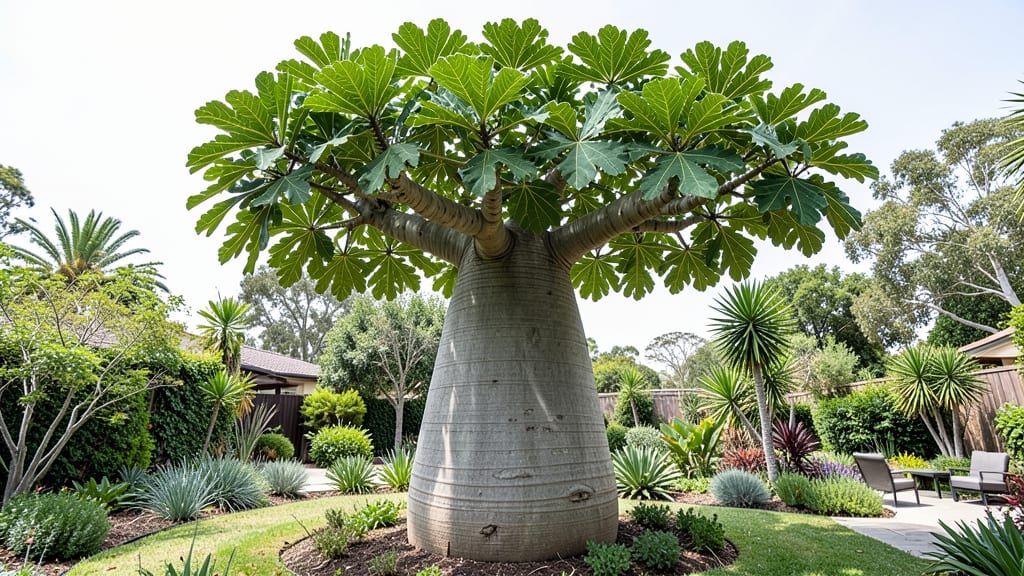
Growing a baobab tree as a house plant means bringing a piece of Madagascar's dry savanna into your living room. 🌿 I've nurtured mine through Portland winters, and with the right approach, you can too—this isn't just a plant, it's a conversation starter with a trunk that looks like it belongs in a fairy tale.
The secret lies in mimicking its natural habitat: bright light, minimal water, and well-draining soil. Unlike most houseplants, baobabs store water in their thick trunks, so overwatering is their biggest enemy.
My plant thrives in a south-facing window where it gets direct sunlight, and I water it only when the soil is completely dry to the touch—sometimes that means waiting weeks between waterings.
You'll love watching that thick trunk develop over time, becoming a stunning focal point in your space. With proper care, your baobab can grow several feet tall indoors, developing that iconic swollen trunk and gnarled branches that make it look ancient.
The best part? It's surprisingly low-maintenance once you get the watering routine right.
This plant adapts well to indoor conditions if you provide the right balance of light and airflow. In the Pacific Northwest's cloudy winters, supplement with a grow light to keep it happy.
The key is patience—baobabs grow slowly, but with time, you'll have a living piece of art that tells a story of resilience and beauty.
📚 In This Guide
- What you need
- Instructions
- Tips and common mistakes
- Wrapping up and next steps
What you need
- ● Pot: 1–2 large, well-draining containers (12–18" diameter) with drainage holes. Terracotta or ceramic is ideal.
- ● Potting Mix: 1 bag (5–10 gallons) of cactus/succulent mix + 20% perlite/pumice for aeration.
- ● Baobab Seedling: 1 healthy plant (3–6" tall) from a reputable nursery (PNW-friendly varieties if possible).
- ● Sunlight: A south-facing window or grow lights (14–16 hrs/day, 5,000–6,500K spectrum).
- ● Water: Distilled or rainwater (avoid tap water with high fluoride/chlorine).
- ● Gloves & Pruners: 1 pair of gardening gloves + small bypass pruners (for trimming dead growth).
- ○ Humidity Tray: 1 (optional, for PNW’s dry winters—pebbles + water).
- ● Fertilizer: Balanced liquid fertilizer (5-5-5 or 20-20-20, diluted to half-strength).
- ● Thermometer/Hygrometer: 1 (to monitor temps: ideal 65–85°F, humidity 30–50%).
- ○ Support Stake: 1 bamboo stake (optional, for young plants to prevent toppling).
- ● ✨ Winter Care: Move pots indoors if temps drop below 40°F (baobabs hate frost!).
- ● 🌡️ Heat Hack: Use a heat mat (70–80°F) to mimic tropical roots if your home runs cool.
- ● 🎯 Soil Test: Baobabs despise soggy soil—let soil dry 70% between waterings in winter.
Step-by-Step instructions for growing a baobab tree as a house plant
Here's the foolproof method I've used to keep these unique plants thriving in PNW homes—even with our dimmer winters.
🌱 Step 1: Choose Your Starting Point and Container
Begin with a healthy 4-6 inch baobab seedling or a 1-2 gallon container if starting from seed. These plants need room to grow—baobabs store water in their trunks, so their roots spread wide. I always use a container with drainage holes and at least 12 inches of depth for mature plants. Unglazed terracotta helps regulate moisture, which is critical since these plants hate soggy roots.
Fill the bottom third of the container with cactus/succulent mix—this ensures excellent drainage. Tap the container gently to settle the mix without compacting it. The reason we do this is that baobabs are drought-tolerant but will rot if their roots sit in water. Real talk: I've lost two baobabs to overwatering, so don't skip this step.
☀️ Step 2: Position for Maximum Light (Even in the PNW)
Place your baobab in the brightest spot you have—south-facing windows are ideal, but even west-facing ones work in the PNW. If your home lacks strong natural light, supplement with a grow light for 12-14 hours daily. I use a full-spectrum LED about 12 inches above the plant and adjust as it grows. Without enough light, you'll see leggy growth with sparse leaves—this is the plant stretching toward any available light source.
Rotate the pot quarter-turn weekly so the plant grows evenly. You'll notice one side leaning toward the window? That's your cue to move it. Baobabs grow slowly but steadily, so consistency matters more than speed. Here's the thing—these plants can handle some shade, but for the thickest trunk and most vibrant leaves, bright, indirect light is non-negotiable.
💧 Step 3: Water with Precision (The Baobab Way)
Water only when the top 2-3 inches of soil feel completely dry. Stick your finger in—if it comes out clean, it's time to water. When you do water, soak the soil thoroughly until water runs out the drainage holes. Empty the saucer afterward to prevent root rot. I water mine about every 2-3 weeks in summer and every 4-6 weeks in winter—this schedule works even in PNW humidity.
Overwatering is the #1 killer of baobabs. You'll know you've overdone it if the leaves start yellowing or the soil smells musty. If this happens, let the soil dry out completely before watering again. Here's a pro tip: Baobabs store water in their trunks, so they can handle brief dry spells better than most houseplants. Don't panic if you forget to water for a few weeks—they're tougher than they look.
✂️ Step 4: Prune and Support for a Strong Structure
Baobabs don't need frequent pruning, but you'll want to shape them as they grow. Use clean, sharp pruners to trim back leggy growth or any branches that rub against walls or furniture. The best time to prune is in late spring or early summer when the plant is actively growing. Cut just above a leaf node—this encourages bushier growth rather than long, bare stems.
As your baobab matures, you may need to provide support. These plants develop thick trunks but can become top-heavy. I use a small wooden stake or a decorative trellis to help stabilize taller specimens. Watch for any branches that look weak or brittle—these need immediate support or removal. Remember, baobabs grow slowly, so pruning should be minimal but strategic to maintain their iconic shape.
🪴 Step 5: Fertilize Sparingly for Long-Term Health
Feed your baobab with a balanced, water-soluble fertilizer diluted to half-strength during the spring and summer growing months. I use a 10-10-10 formula every 6-8 weeks—this gives them just enough nutrients without encouraging rapid, weak growth. Avoid fertilizing in fall or winter, as the plant enters a natural dormancy period. You'll see new growth within a few weeks of fertilizing if the timing and amount are right.
Here's where many people go wrong: They fertilize too much or too often. If the leaves turn brown or crispy at the edges, you've overdone it. Flush the soil with water to remove excess salts, then reduce your fertilizing schedule. Baobabs are low-maintenance plants, and their slow growth means they don't need frequent feeding. Think of it like feeding a tortoise—small, consistent meals work best.
Tips & tricks for perfect baobab tree house plant care
A few simple tricks will help your baobab thrive in Pacific Northwest conditions—where light is scarce and humidity can be tricky.
Light Optimization: In Step 2, when positioning your baobab, consider placing it near a window with sheer curtains to diffuse harsh light while still maximizing exposure. The 12-14 hours of daily light from a grow light should be split into two sessions—morning and evening—mimicking natural sunlight patterns. This prevents the leggy growth you'll see when plants stretch toward a single light source all day.
Soil Preparation: For Step 1, don't just use any cactus mix—look for one with perlite or pumice for extra aeration. I've found that adding a handful of coarse sand to the bottom third of the container creates better drainage channels. This is especially important in PNW homes where humidity can linger. The key is preventing water from pooling around roots, which is what killed my first two baobabs.
Watering Confidence: When checking soil moisture in Step 3, use a wooden skewer instead of your finger—it gives a more accurate reading of deeper soil moisture. The top 2-3 inches might feel dry while deeper layers still hold moisture. Also, consider using a moisture meter for peace of mind, especially during PNW's unpredictable winter months when indoor heating can dry out air and soil differently than expected.
Fertilizer Timing: In Step 5, I've found that fertilizing right after repotting (if needed) gives your baobab an extra boost. The 6-8 week schedule works well, but if you notice new growth slowing down, that's your cue to fertilize. Just remember—diluting to half-strength is non-negotiable. I've seen leaves crisp up when people use full-strength fertilizer, thinking "more is better."
Pro Tips for Baobab Tree House Plant
- A few simple tricks will help your baobab thrive in Pacific Northwest conditions—where light is scarce and humidity can be tricky.
- Light Optimization: In Step 2, when positioning your baobab, consider placing it near a window with sheer curtains to diffuse harsh light while still maximizing exposure.
- Soil Preparation: For Step 1, don't just use any cactus mix—look for one with perlite or pumice for extra aeration.
Frequently asked questions
Got questions about growing a baobab tree house plant in the Pacific Northwest? You’re not alone! Here are answers to the most common queries—from care tips to troubleshooting—so you can keep your baobab thriving year-round.
Can baobab tree house plants survive the PNW’s rainy winters?
Yes! While they’re drought-tolerant, Adansonia digitata (the classic baobab) prefers well-draining soil and protection from heavy rain. If growing indoors, place near a sunny window or use grow lights. Outdoors? Plant in raised beds or containers with drainage holes to avoid soggy roots.
How long does it take for a baobab tree house plant to grow?
Patience is key! Indoor baobabs grow slowly (1–2 inches per year), while outdoor specimens can reach 10–15 feet in 10–15 years with ideal conditions. Speed up growth by:
- Using bright, indirect light (6+ hours daily)
- Fertilizing spring/summer with a low-nitrogen mix
- Avoiding overwatering (let soil dry completely between waterings)
What’s the best indoor alternative if I can’t grow a real baobab?
If space or climate is a concern, try these low-maintenance "baobab-like" plants:
Plant
Why It Works
Elephant Tree (Portulacaria afra)
Succulent with a thick trunk and drought tolerance
Jade Plant (Crassula ovata)
Resembles a mini baobab with woody stems and easy care
Snake Plant (Sansevieria)
Air-purifying and nearly indestructible for beginners
Why are my baobab leaves turning yellow or dropping?
Yellow leaves or leaf drop usually signal overwatering or poor drainage. Fix it with these steps:
- Check soil moisture—baobabs hate soggy roots!
- Repot in cactus/succulent mix with perlite
- Ensure the pot has drainage holes (or use a cache pot)
- Trim dead leaves with sterilized scissors to redirect energy
Pro tip: If leaves pucker or shrivel, it’s underwatering—water deeply but infrequently.
Are baobab tree house plants toxic to pets?
Good news! Baobabs are non-toxic to cats and dogs (per the ASPCA). However, always monitor your pet’s reaction—some animals may still avoid the bitter-tasting leaves. For extra safety, place plants out of paw’s reach.
Wrapping up and next steps
Growing a baobab tree house plant in the Pacific Northwest is totally doable with the right care and patience! 🌱 With its striking appearance and unique charm, this plant can thrive in your indoor space—just remember to balance sunlight, watering, and humidity.
Whether you're a beginner or a seasoned plant parent, your baobab will reward you with resilience and beauty.
Ready to take the next step? Start by monitoring your plant’s progress and tweaking its environment as needed. Before you know it, you’ll have a stunning, low-maintenance centerpiece that brings a touch of the wild indoors! 🌟