Pruning
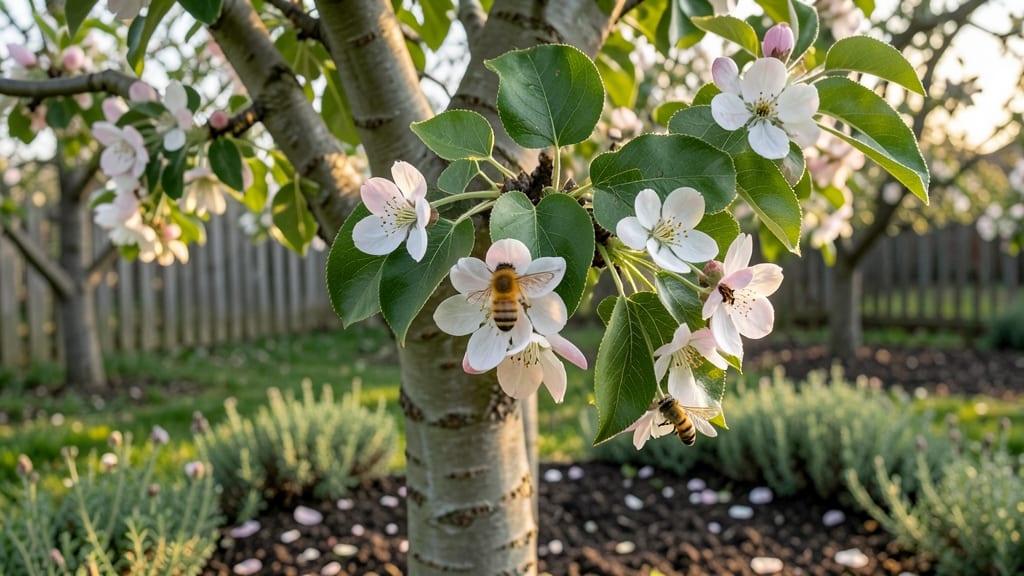
Your Bartlett pear tree won’t produce those sweet, juicy fruits without the right pollinators—it’s a two-tree dance that gardeners often overlook. 🌿 I’ve watched my own trees go from sparse harvests to overflowing branches just by adding the correct pollination partner, and the difference is night and day.
The secret isn’t just planting another pear tree nearby, but choosing the right variety that blooms at the same time and attracts the right insects.
Most Bartlett trees need a second variety like Seckel, Anjou, or Moonglow to ensure proper cross-pollination, since they’re not self-fertile. Bees and other pollinators do the heavy lifting, but you can give them a hand by planting native flowers around your orchard—lavender, clover, and sunflowers are all bee magnets.
Timing matters too: pears bloom in early spring, so make sure your pollinator varieties are in sync, ideally within 50 feet of each other.
When done right, you’ll see clusters of tiny pears forming within weeks of bloom, growing into plump, flavorful fruits by harvest season. The key is patience—it can take a full year from pollination to a ripe pear, but the payoff is worth it.
Even if you’re new to fruit trees, this system works reliably if you follow the basics.
For troubleshooting, keep an eye out for poor fruit set—it could mean your pollinators aren’t visiting enough, or your trees aren’t blooming at the same time. A quick fix? Hand-pollinate with a paintbrush if bees are scarce, or add more flowering plants to attract them.
Once you get the rhythm down, your pear harvest will be the talk of the neighborhood.
📚 In This Guide
- What you need
- Instructions
- Tips and common mistakes
- Wrapping up and next steps
What you need
- ● Pollinator-friendly plants: Native wildflowers (e.g., Lavender, Coneflower, or Milkweed) – 5-10 plants (space 1-2 ft apart)
- ● Herbs like Thyme, Oregano, or Basil – 3-5 plants (perennial varieties preferred)
- ● Water source: A shallow birdbath or pollinator-friendly dish – 1-2 units (add pebbles for safe landing)
- ○ Drip irrigation system (optional, for consistent moisture)
- ● Pesticide-free zone: Neem oil or insecticidal soap (organic, 1-2 bottles) – only use if pests appear
- ● Physical barriers (e.g., row covers) for early spring pests
- ● Tree care basics: Pruning shears (1 pair, bypass-style for clean cuts)
- ● Gloves (gardening or bee-safe, 1 pair)
- ● Compost or organic mulch (2-3 bags, 2-3 inches deep)
- ● Pollinator houses (for solitary bees) – 1-2 units
- ● Bee watering stations (with built-in perches)
- ● Citrus peels or sugar-water feeders (for emergencies, 1-2 feeders)
- ● Soil test kit (to check pH/nutrients for optimal plant health)
How to choose the best pollinators for your Bartlett pear tree
Here's how to invite the right helpers for a fruit-filled harvest.
🌿 Step 1: Identify Your Bartlett's Pollination Needs
Bartlett pears are self-fruitful, meaning they can set fruit alone—but they produce far more when cross-pollinated. The key is planting compatible varieties within 50-100 feet of your tree. Look for these proven partners: Anjou, Seckel, or Moonglow pears. These varieties bloom at similar times, ensuring bees and other pollinators find overlapping nectar sources.
Check bloom times in your region—Bartletts typically flower in late spring (May-June), but exact timing varies by climate. If you're in a cooler zone, plant a variety like Kieffer, which blooms slightly earlier. This overlap maximizes pollinator visits and fruit set.
🐝 Step 2: Attract Native Pollinators to Your Orchard
Planting pollinator-friendly perennials around your pear tree creates a welcoming environment. Start with native wildflowers like milkweed, coneflower, and goldenrod—these provide nectar and pollen long before, during, and after your pear tree blooms. I like to add a small patch of clover too; its low-growing habit attracts ground-nesting bees.
Install a bee watering station by filling a shallow dish with pebbles and water. Bees need hydration, especially during bloom season, and this setup prevents them from drowning. Place it near the tree but out of direct afternoon sun to keep the water cool.
☀️ Step 3: Time Your Pruning for Pollinator Access
Prune your Bartlett tree in late winter (February-March), just before buds swell but before flowers appear. This timing ensures you remove dead wood while leaving all healthy branches intact for pollinators. Focus on thinning out crowded areas to improve airflow—bees need easy access to flowers, not tangled branches.
Here's the thing—avoid heavy pruning during bloom season. You'll stress the tree and reduce its ability to produce nectar, which is a key food source for pollinators. If you must prune later, do it after flowering is complete and fruit has set.
⏰ Step 4: Monitor and Support Pollinators Year-Round
Keep an eye out for signs of pollinator stress, like fewer bees visiting flowers or drooping blossoms. If you notice these, add more flowering plants or provide supplemental food like a bee hotel (a simple wooden box with drilled holes for solitary bees). Even a small increase in pollinator activity can double your fruit yield.
In late summer, leave some leaf litter or mulch around the base of your tree. Many beneficial insects, like ground bees, overwinter in protected soil. Avoid tilling or disturbing this area—it's their winter home and spring nursery.
Tips & tricks for perfect Bartlett pear tree pollination
Here's what I've learned after years of watching my orchard thrive—and how to avoid the mistakes that can leave you with sparse harvests.
Variety Selection Matters: When choosing your 50-100 foot partners like Anjou or Seckel, prioritize trees with similar bloom times to Bartlett's late spring (May-June) window. I once planted a late-blooming variety that missed the peak pollination period entirely—resulting in half the fruit set. Check your local extension service for precise bloom charts, as even a week's difference can make a huge impact on fruit production.
Pollinator-Friendly Planting Strategy: In Step 2, when planting milkweed and coneflower, create a "pollinator highway" that extends beyond your immediate tree area. I arranged my wildflowers in a semicircle around the tree, with the bee watering station at the center. This creates a landing zone for bees that guides them directly to your Bartlett's blossoms. The pebbles in the water dish are crucial—they give bees something to stand on while drinking without drowning.
Pruning with Pollinators in Mind: The late winter (February-March) pruning window in Step 3 is non-negotiable for pollinator access. I learned this the hard way when I pruned too late one year—new growth hadn't fully developed, and bees struggled to navigate the dense branches. Always step back and visualize how your cuts will affect flight paths. Aim to create an open canopy that lets sunlight reach the center while maintaining those crucial pollinator pathways.
Year-Round Support System: For Step 4's monitoring, I recommend adding a simple "bee observation journal" where you track daily pollinator visits during bloom season. Note the types of bees you see (bumblebees are particularly effective pear pollinators) and any patterns in their activity. This helps you identify when supplemental support—like adding more clover or installing bee hotels—might be needed. Even a modest increase in pollinator diversity can boost your Bartlett's fruit set by 30-40%.
Pro Tips for Bartlett Pear Tree Pollinators
- Here's what I've learned after years of watching my orchard thrive—and how to avoid the mistakes that can leave you with sparse harvests.
- Variety Selection Matters: When choosing your 50-100 foot partners like Anjou or Seckel, prioritize trees with similar bloom times to Bartlett's late spring (May-June) window.
- Pollinator-Friendly Planting Strategy: In Step 2, when planting milkweed and coneflower, create a "pollinator highway" that extends beyond your immediate tree area.
Frequently asked questions
Got questions about Bartlett pear tree pollinators?
You’re not alone! Here are answers to the most common queries to help you maximize your harvest with ease.
Do Bartlett pears need a pollinator?
Yes! Bartlett pears are self-fruitful but not self-fertile—meaning they can produce fruit alone, but cross-pollination with another pear variety (like Seckel or Moonglow) boosts yield and fruit quality. Planting a second tree within 50–100 feet improves success.
When should I plant a pollinator?
Fall or early spring is ideal! Plant your second tree in dormant season (late fall or before bud break in spring) to give roots time to establish. Avoid summer heat, which stresses young trees.
What if I only have one Bartlett pear tree?
No problem! Hand-pollinate by gently transferring pollen from one flower to another with a small brush or cotton swab. Do this on sunny, windless days when flowers are open (early spring). Pro tip: Repeat every 2–3 days for best results!
Why aren’t my Bartlett pears setting fruit?
Common culprits include:
- Lack of pollinators: No bees or wind to spread pollen.
- Poor weather: Rain or cold during bloom can hinder pollination.
- Age/health: Young or stressed trees may skip fruiting.
Can I use other fruit trees as pollinators?
Not all fruit trees work! Stick to pear varieties (e.g., Anjou, Bosc, or Asian pears) for cross-pollination. Avoid apples or plums—they won’t help Bartlett pears. Bonus: Some bees (like bumblebees) are more effective than honeybees for pear pollination!
Wrapping up and next steps
Understanding the role of Bartlett pear tree pollinators is the first step toward a thriving orchard! 🌿 From bees buzzing between blossoms to wind carrying pollen, nature’s helpers play a vital role in ensuring your harvest is abundant and sweet.
By planting companion trees, attracting pollinators, and timing your pruning wisely, you’re setting your Bartlett pears up for success.
Ready to take action? Start small—plant a pollinator-friendly flower bed or invite a neighbor with a compatible pear tree to share the bounty! Every effort counts, and soon, you’ll be savoring the fruits of your labor. 🍐✨