Trees
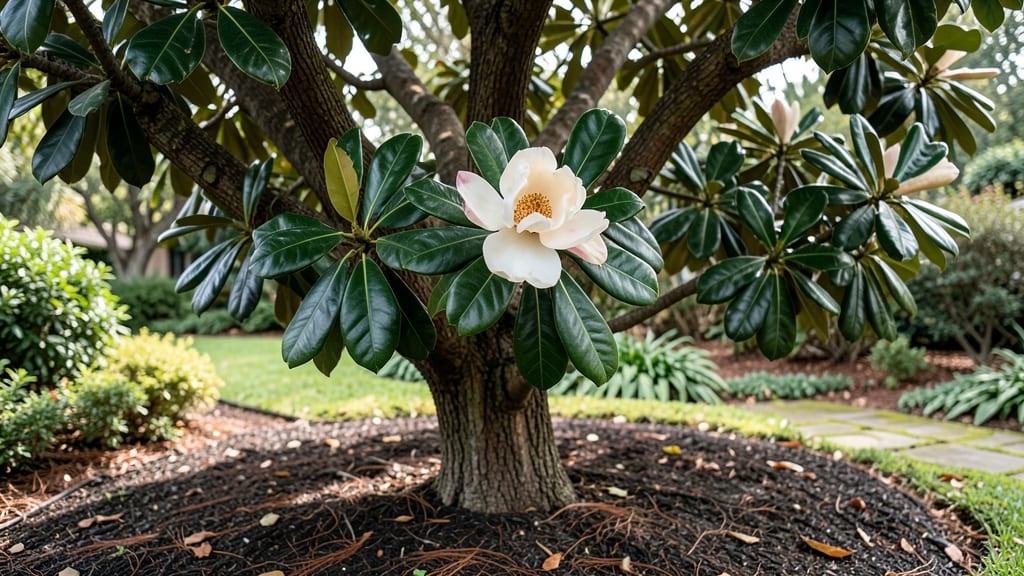
The Pacific Northwest's misty skies and lush forests demand big flowering trees that thrive year-round. 🌿 I’ve planted and pruned enough of these canopy stars to know which varieties bring both drama and durability to any landscape—from the bold pinks of Davidson’s magnolia to the delicate whites of Pacific dogwood.
These aren’t just trees; they’re the backbone of a garden that feels alive in every season.
What sets these trees apart? Their seasonal showstoppers—spring blooms, summer foliage, and autumn color—paired with mature sizes that create instant focal points. A well-placed Japanese maple or Western redbud can transform a backyard into a serene retreat, while their deep roots stabilize slopes and provide shade for decades.
The key is matching the tree’s growth habit to your space: understory varieties for borders, statements like cherry blossoms for lawns, and multi-season performers like serviceberry for mixed borders.
You’ll end up with a garden that feels like a curated art gallery—each tree contributing texture, height, and color shifts throughout the year.
The fragrant blooms of a mock orange in summer or the crimson foliage of a smoke tree in fall add layers of interest that no smaller plant can match. Plus, their mature canopies create microclimates that protect other plants from wind and drought.
Perfect for homeowners who want low-maintenance elegance with high impact. These trees handle the region’s wet winters and dry summers better than most, and their placement can even reduce heating/cooling costs. Let’s design a canopy that works as hard as it looks.
📚 In This Guide
- What you need
- Instructions
- Tips and common mistakes
- Wrapping up and next steps
What you need
- ● Big flowering trees: Choose 1–3 species like Magnolia grandiflora, Washington hawthorn (Crataegus phaenopyrum), or Pacific dogwood (Cornus nuttallii). Select mature trees (10–15 ft tall) or 5-gallon container-grown saplings for faster establishment.
- ● High-quality soil: 5–10 cubic yards of well-draining, acidic soil mix (pH 5.5–6.5). Amend with compost (1 part compost to 3 parts native soil) for nutrient-rich beds.
- ● Organic mulch: 2–3 inches of wood chips or bark mulch (avoid cedar—it’s acidic). Cover a 3-foot radius around the tree base.
- ● Slow-release fertilizer: 10-10-10 or 12-4-8 (1 lb per tree). Opt for organic options like fish emulsion or kelp meal for eco-friendly growth.
- ● Watering supplies: Hose with soaker nozzle or drip irrigation kit (for deep watering).
- ● 5-gallon watering can (for young saplings).
- ○ Tree supports (optional but recommended): Tree stakes (3–4 ft tall) + soft tree ties (for young trees in windy areas).
- ● Burlap wrap (to protect bark from sun/scratches).
- ● Digging tools: Shovel or spade (for planting holes).
- ● Post-hole digger (for larger trees or rocky soil).
- ● Safety gear: Gloves, closed-toe shoes, and safety glasses (for handling heavy mulch or sharp tools).
- ● Pruning tools: Bypass pruners (for small branches).
- ● Loppers or pruning saw (for thicker branches).
- ● Soil test kit: pH test strips or a local extension service (to check soil health before planting).
- ● Weather check: Plant on a cool, cloudy day (avoid extreme heat or frost).
- ● 🌡️ Soil temp: Wait until the ground is above 50°F (spring or early fall) to plant—frost can shock roots!
- ● ✨ Native companions: Pair your flowering trees with salal, sword fern, or rhododendrons for a PNW-native understory.
- ● 🚫 Avoid: Over-fertilizing (can burn roots). Stick to 2–3 applications per year (spring, summer, fall).
How to plant and maintain stunning year-round flowering trees
Here's the method I've perfected for transforming Pacific Northwest landscapes into vibrant, four-season canopies.
🌱 Step 1: Select and Prepare the Perfect Planting Site
Choose a location that receives at least 6 hours of sunlight daily—most flowering trees thrive with morning sun and afternoon shade. The Pacific Northwest's mild climate means you can plant in early spring or fall, avoiding summer heat stress. Dig a hole twice as wide as the root ball but no deeper, since planting too deep suffocates roots.
Amend the native soil with 3 inches of compost mixed into the bottom and sides of the hole. This improves drainage and provides essential nutrients. Gently loosen the roots of your tree if they're circling the root ball—this encourages outward growth instead of strangling itself.
🪴 Step 2: Plant with Proper Spacing and Support
Position the tree so the top of the root ball sits 1-2 inches above ground level. This prevents water from pooling around the trunk. Backfill with native soil, tamping lightly every 6 inches to remove air pockets. Create a 4-inch-high berm around the outer edge of the hole to direct water toward the roots during irrigation.
Stake only if necessary—most mature trees don't need support. If you do stake, use two stakes on opposite sides and fasten with flexible ties that won't girdle the trunk as it grows. Water deeply immediately after planting to settle the soil and eliminate air gaps.
☀️ Step 3: Establish a Year-Round Watering and Mulching Routine
Water deeply once per week for the first two years, providing 10-15 gallons per watering. You'll know it's enough when water drains 6 inches deep. The Pacific Northwest's frequent cloud cover means you won't need supplemental watering beyond this unless you experience prolonged dry spells.
Apply 3 inches of organic mulch around the base, keeping it 6 inches away from the trunk to prevent rot. Use bark chips or wood shavings—they break down slowly and improve soil structure over time. Replenish mulch annually to maintain this protective layer.
✂️ Step 4: Prune for Shape and Health During Dormant Seasons
Prune late winter or early spring before new growth begins. Remove dead, diseased, or crossing branches first—these are your priority. Then shape the tree by cutting back no more than 25% of the canopy to maintain its natural form and encourage flowering.
Use clean, sharp pruners to make cuts just outside the branch collar. Avoid leaving stubs, which invite decay. In the Pacific Northwest's mild climate, you can prune lightly throughout the year, but major structural work should always wait for dormancy.
🌿 Step 5: Fertilize Strategically for Continuous Blooms
Apply a balanced 10-10-10 fertilizer in early spring when you see new growth emerge. Use half the recommended rate for newly planted trees to avoid burning roots. Repeat in mid-summer with a low-nitrogen, high-phosphorus formula to support flowering.
Organic options like fish emulsion or compost tea work well too. The key is consistency—avoid heavy feeding in fall, as this encourages tender growth that won't survive winter. Your tree will reward you with season-long blooms when you match fertilization to its natural growth cycles.
Tips & tricks for perfect year-round flowering trees
Transforming your Pacific Northwest landscape into a vibrant four-season display starts with these game-changing insights—learned from years of trial and error.
Site Selection Wisdom: That 6 hours of sunlight requirement is non-negotiable for most flowering trees, but here's the secret: prioritize morning sun and afternoon shade to protect delicate blooms from our region's intense summer afternoons. I've seen dramatic differences in bloom quality between trees planted facing east versus west—east-facing sites consistently produce more vibrant flowers. Also, avoid low-lying areas where cold air pools in winter, which can damage tender roots.
Root Ball Preparation: When loosening circling roots in Step 1, don't go overboard—just gently tease apart any roots growing in tight circles. I've found that using a simple garden fork to make 3-4 vertical cuts around the root ball helps encourage outward growth without damaging the roots. This technique, combined with the 3 inches of compost, creates an ideal environment for roots to establish quickly in our Pacific Northwest soil.
Watering Strategy: The 10-15 gallons per week for two years might seem excessive, but here's why it works: our region's frequent cloud cover means trees rely more on deep watering than frequent light watering. Use a moisture meter to verify water reaches 6 inches deep—this prevents shallow root systems that struggle during summer droughts. I've seen trees wither when homeowners water lightly daily instead of following this deep watering approach.
Pruning Precision: When shaping the tree in Step 4, focus on creating an open center that allows sunlight to penetrate to lower branches—this encourages flowering throughout the canopy. I use the "third cut" rule: if a branch is thicker than one-third the diameter of the trunk, I leave it alone. Also, sterilize your pruners between cuts with rubbing alcohol to prevent spreading disease between branches.
Pro Tips for Big Flowering Trees
- Transforming your Pacific Northwest landscape into a vibrant four-season display starts with these game-changing insights—learned from years of trial and error.
- I've seen dramatic differences in bloom quality between trees planted facing east versus west—east-facing sites consistently produce more vibrant flowers.
- Root Ball Preparation: When loosening circling roots in Step 1, don't go overboard—just gently tease apart any roots growing in tight circles.
Frequently asked questions
Got questions about planting, caring for, or enjoying big flowering trees?
You’re not alone! Here are some of the most common queries—plus expert-backed answers to help you grow a stunning, year-round canopy.
What are the best big flowering trees for the Pacific Northwest climate?
The PNW’s mild, wet winters and sunny summers make Magnolia grandiflora (Southern magnolia), Cercis occidentalis (Western redbud), and Prunus serrulata (Japanese cherry) standouts. For year-round interest, opt for evergreens like Magnolia × soulangeana (Saucer magnolia) or Cornus florida (flowering dogwood), which offer spring blooms and vibrant fall foliage.
When is the ideal time to plant big flowering trees?
Late fall (October–November) or early spring (March–April) are the best windows. Cooler temps and moist soil reduce transplant shock. Avoid summer planting—heat and drought stress young roots. Pro tip: Water deeply 2–3 times weekly for the first month after planting to establish roots!
How do I keep my big flowering tree healthy long-term?
Prioritize well-draining soil, regular watering (1–2 inches weekly), and mulch (3–4 inches around the base). Prune in late winter to shape and remove dead branches. Watch for pests like aphids or fungal diseases—neem oil or copper fungicide can help. Fun fact: Many flowering trees thrive with minimal fertilizer; overdoing it can harm blooms!
What if my tree isn’t flowering? Troubleshooting tips.
Lack of blooms often stems from over-fertilizing (too much nitrogen = leafy growth, no flowers), poor sunlight (most need 6+ hours of sun), or stress (drought, transplant shock). For fruit trees like cherries, ensure cross-pollination with a compatible variety. Try this: Prune back dense growth to improve airflow and light penetration.
Are there dwarf or small-space alternatives to big flowering trees?
Yes! For patios or small yards, consider Viburnum plicatum (Japanese snowball bush), Hydrangea paniculata (panicle hydrangea), or Cotoneaster varieties. These deliver big blooms in compact packages (6–10 feet tall). Just ensure they get the right light and soil conditions for your space!
Wrapping up and next steps
Big flowering trees aren’t just stunning—they’re low-maintenance superstars that bring color, life, and even wildlife to your space year-round.
Whether you’re drawn to the bold blooms of a Magnolia grandiflora or the delicate charm of a Washington Hawthorn, these trees thrive in the Pacific Northwest’s climate with the right care. Their beauty and resilience make them a worthwhile investment for any yard or garden.
Ready to transform your outdoor space? Start small:
- Pick one tree that excites you most (or matches your yard’s needs!).
- Check local nurseries or native plant specialists for healthy saplings.
- Plant it with confidence—your future canopy awaits! 🌿✨