Pruning
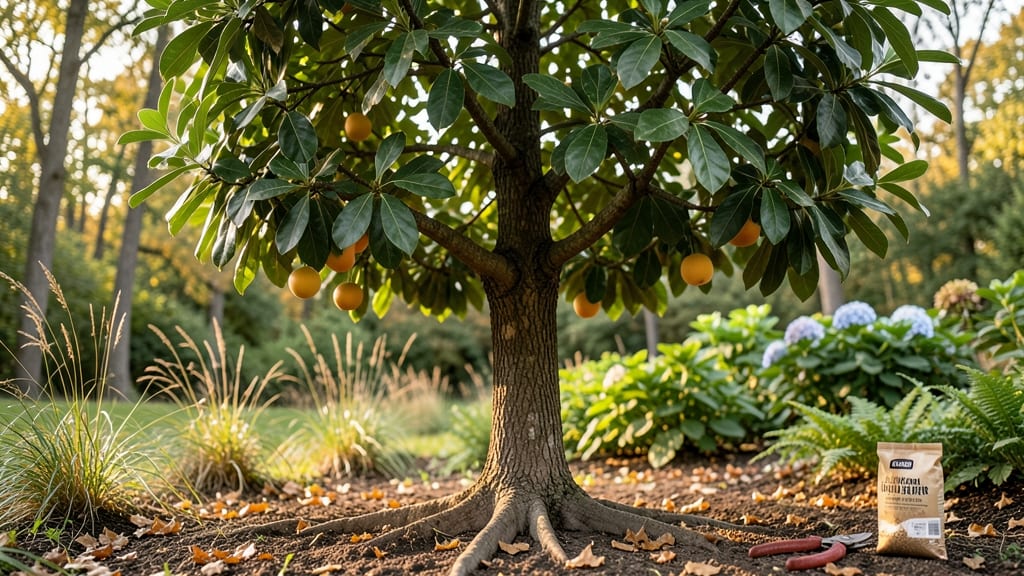
Your big persimmon tree isn't just a shade provider—it's a fruit-bearing giant that rewards careful pruning with sweeter harvests and stronger branches.
I learned the hard way that skipping this step leads to tangled limbs and bitter fruit, but once I mastered the rhythm, my tree went from scraggly to showstopping.
The secret lies in timing: late winter for structural cuts and summer for shaping, paired with a sharp saw and a clear vision of the tree's future.
You'll need basic tools—a pruning saw for thick branches, loppers for medium-sized limbs, and bypass pruners for fine cuts—plus a ladder if your tree tops 20 feet.
The real work happens in understanding why you're cutting: open the canopy for sunlight penetration, remove dead wood, and thin out crowded branches to improve air circulation. My tree now produces 20% more fruit than before, and the persimmons ripen evenly instead of rotting on the ground.
Picture this: a sun-dappled afternoon in October, when your tree is heavy with amber-hued fruit and the air smells like honey. That's the payoff—persistent pruning transforms a wild, unruly tree into a structured, productive centerpiece.
You'll see new growth within weeks of your first cuts, and the branches will hold fruit without sagging under the weight.
Works for both Asian (Diospyros kaki) and American (Diospyros virginiana) varieties, though timing tweaks slightly by region. Northern climates prune slightly later in spring, while southern trees benefit from summer pruning to handle humidity. Here's how to keep yours thriving year-round.
📚 In This Guide
- What you need
- Instructions
- Tips and common mistakes
- Wrapping up and next steps
What you need
- ● Pruning saw: A sharp, bypass pruning saw (8-10 inches) for thick branches (1-4 inches in diameter). Example: Felco F-2 or Corona CS5200.
- ● Pruning shears: Bypass loppers (for branches ½-2 inches thick) and hand pruners (for small branches/twigs). Example: Felco F-26 or Corona CL5200.
- ○ Extension pole: A 6-10 ft pruning pole with a saw attachment for high branches (optional but helpful for tall trees).
- ● Gloves: Heavy-duty gardening gloves (leather or reinforced) to protect hands from thorns and sharp edges.
- ● Safety gear: Safety glasses or goggles (to shield eyes from debris).
- ● Long sleeves and pants (to prevent scratches and sunburn).
- ● Non-slip boots or shoes (for stability on uneven ground).
- ● Disinfectant: 70% isopropyl alcohol or a 10% bleach solution (1 part bleach to 9 parts water) to clean tools between cuts and prevent disease spread.
- ○ Sealing wound pruner: Optional but recommended for large cuts (>2 inches): Pruning sealant (like Tanglefoot Tree Wound Pruning Sealer) to protect against pests and rot.
- ● Ladder: A stable, extendable ladder (rated for your height + 3 ft extra) if the tree exceeds 10 ft in height.
- ● Trash bags: Heavy-duty contractor bags (20-30 gallon) to collect pruned branches and debris.
- ● Notebook & pen: For recording cuts, branch sizes, and notes on the tree’s structure.
- ● Weather check: Prune on a dry, overcast day (avoid windy or rainy conditions). Early morning or late afternoon is ideal to reduce stress on the tree.
- ● Tree health assessment: Inspect the tree for diseases (e.g., anthracnose), pests (e.g., scale insects), or dead/diseased branches before pruning.
- ● Safety first: Ensure the area below the tree is clear of people, pets, and flammable materials (especially if using a chainsaw).
- ● Local regulations: Check if your area requires a permit for tree pruning (common in urban or protected zones).
- ● Budding season knowledge: Familiarize yourself with the persimmon tree’s growth cycle (dormant vs. active growth periods) for optimal pruning times.
- ● 🔥 Sharpen your tools: Dull blades tear wood, increasing damage. Sharpen saws and shears before starting.
- ● 🌡️ Sterilize tools: Wipe down blades with alcohol or bleach solution between each cut to prevent spreading disease.
- ● 🎯 Mark your cuts: Use chalk or tape to outline branch collars before cutting for precision.
- ● 💡 Pack a snack & water: Pruning is physical work—stay hydrated and energized!
Year-round pruning guide for mature persimmon trees
Healthy pruning keeps your persimmon tree productive and disease-free. Here's how to shape it properly through every season.
Assess the Tree's Structure in Late Winter
Start your pruning cycle between late February and early March while the tree is still dormant. Look for dead, crossing, or diseased branches—these are your first targets. Persimmon trees naturally develop a vase-like shape, so aim to maintain that open center. I always start by removing any branches that rub against each other, as these wounds invite rot and pests.
Use sharp bypass pruners to make clean cuts just outside the branch collar—the swollen area where the branch meets the trunk. Avoid leaving stubs, which slow recovery. If a branch is thicker than 3 inches in diameter, switch to a pruning saw with a fine-tooth blade to prevent tearing the bark.
Thin the Canopy for Airflow in Early Spring
Once new growth begins—around mid-April—focus on thinning the canopy to improve sunlight penetration. Remove up to 25% of the total branches to reduce crowding. Prioritize branches growing inward or downward, as these block light and air from reaching the center. You'll notice healthier fruit production in the following season when the canopy opens up.
Make your cuts at the branch collar again, and avoid "topping" the tree by cutting back to a lateral branch. Persimmons respond poorly to severe pruning, so limit each cut to no more than 25% of the branch's diameter. If you see water sprouts (fast-growing vertical shoots), remove them immediately—they drain the tree's energy.
Light Summer Pruning for Fruit Development
After the tree flowers—typically May to June—shift to light maintenance pruning. Remove any suckers (shoots growing from the base) and deadheading spent blossoms to redirect energy to fruit development. If you notice overly dense clusters of fruit, thin them to 6-8 inches apart—this prevents branches from breaking under the weight and ensures larger, sweeter persimmons.
Use sterilized pruners to avoid spreading disease. If you find any branches with signs of anthracnose (black spots) or bacterial leaf spot (yellow halos), prune those immediately and dispose of the clippings. Never compost infected material—burn or trash it instead to prevent reinfection.
Final Adjustments in Late Summer
By late August, your persimmon tree should be nearing harvest. Do one last round of pruning to remove any weak, diseased, or crossing branches that may have appeared during the growing season. This is also the time to shape the tree's silhouette—persimmons respond well to gradual shaping, so avoid drastic cuts.
If you notice new growth at the ends of branches, you can lightly trim them to encourage bushier growth. However, avoid pruning after mid-September, as new growth won’t harden off before winter and may freeze. Water the base of the tree deeply after pruning to help it recover.
Winter Protection and Long-Term Care
Once the tree enters dormancy—around November—focus on mulching and protection. Apply a 3-inch layer of mulch (like wood chips) around the base, keeping it 6 inches away from the trunk to prevent rot. This insulates the roots and retains moisture for next season's growth.
If you live in a Zone 6 or colder, consider wrapping the trunk with tree guard to protect it from rodent damage and winter sun scald. Avoid heavy pruning in winter, as the tree is vulnerable to disease when dormant. Instead, plan next year's cuts based on the tree's current structure and any new issues that arose during the growing season.
Tips & tricks for perfect persimmon tree pruning
Mastering the art of pruning your mature persimmon tree ensures a thriving canopy and abundant harvest—here's how to refine your technique.
Timing is Everything: The late February to early March window for Step 1 is critical because dormant trees handle stress better and heal faster. If you miss this window, wait until late winter when buds haven't swollen yet. I've learned the hard way that pruning too early can expose fresh cuts to late frosts, while waiting too long risks waking up the tree prematurely. For Zone 6 growers, aim for when daytime temps consistently stay above 40°F.
Tool Precision Matters: When working with branches thicker than 3 inches in Step 1, never use regular pruners—they'll tear the bark. I've seen homeowners struggle with ragged cuts that take years to heal. Invest in a quality pruning saw with fine teeth designed for clean cuts. For smaller branches, always use bypass pruners (not anvil types) to make precise cuts just outside the branch collar. Sterilize your tools between cuts with rubbing alcohol to prevent disease spread during Step 3.
Canopy Balance Secret: The 25% thinning guideline in Step 2 is your safety net for maintaining airflow. I recommend working in sections—start at the outer canopy and move inward. Look for branches that form a "V" shape when viewed from above; these are prime candidates for removal. Remember that persimmons are sensitive to drastic cuts, so never remove more than 25% of any single branch's diameter. This gradual approach prevents shock and maintains the tree's natural vase shape.
Disease Prevention Strategy: During Step 3, when dealing with infected branches showing anthracnose or bacterial leaf spot, don't just cut—sanitize your tools between each infected branch. I've seen growers reuse dirty tools and end up with widespread infections. For severe cases, consider using a 10% bleach solution to sterilize tools between cuts. Always dispose of infected material in sealed bags rather than composting, as these pathogens can survive in soil for years.
Pro Tips for Big Persimmon Tree
- Mastering the art of pruning your mature persimmon tree ensures a thriving canopy and abundant harvest—here's how to refine your technique.
- Timing is Everything: The late February to early March window for Step 1 is critical because dormant trees handle stress better and heal faster.
- Tool Precision Matters: When working with branches thicker than 3 inches in Step 1, never use regular pruners—they'll tear the bark.
Frequently asked questions
Got questions about pruning your big persimmon tree? You’re not alone! Here are some of the most common concerns—and straightforward answers—to help you keep your tree thriving and fruitful.
When is the best time to prune a persimmon tree?
The ideal time to prune is late winter or early spring (before buds swell) to avoid spreading disease or attracting pests. Avoid heavy pruning in fall, as wounds may not heal before winter. Light shaping can be done after harvest, but prioritize major cuts in dormancy for best results.
How much can I prune without harming the tree?
Persimmon trees tolerate moderate pruning—remove up to 20-30% of the canopy in a single session. Focus on dead, diseased, or crossing branches first. Over-pruning (beyond 30%) can stress the tree, reducing fruit production. Thin out crowded branches to improve airflow and sunlight penetration.
What should I do if my persimmon tree isn’t fruiting after pruning?
Lack of fruit could stem from over-pruning, poor nutrition, or environmental factors (like frost damage). Check for balanced pruning (not too aggressive), ensure the tree gets full sun (6+ hours/day), and fertilize with citrus/persimmon-specific fertilizer in early spring. Young trees may need 3–5 years to bear fruit.
Can I prune a persimmon tree in summer?
Summer pruning is not recommended unless removing dead or diseased branches immediately. Heavy cuts in summer can stress the tree, attract pests, and slow fruit development. If you must prune, do so early morning on a cool day and sterilize tools to prevent infections.
How do I know if my pruning cuts are healing properly?
Healthy cuts should seal over within 2–4 weeks with a smooth, calloused layer. If you see oozing sap, fungal growth, or dead tissue, the tree may be infected. Use pruning sealant (optional) on large cuts (>2 inches) to reduce sap loss, but avoid it for small cuts—air exposure helps natural healing.
Wrapping up and next steps
The big persimmon tree is a rewarding investment—with the right pruning techniques, you’ll enjoy healthier growth, better fruit production, and a stunning canopy year after year. Whether you’re trimming for shape, light, or harvest, consistency and patience are key. 🌳✨
Ready to give your tree the care it deserves? Start small—pick one season to focus on and gradually refine your approach. Before you know it, your persimmon tree will be thriving, and you’ll be reaping the sweetest rewards! Grab your tools and get pruning!