
Pruning
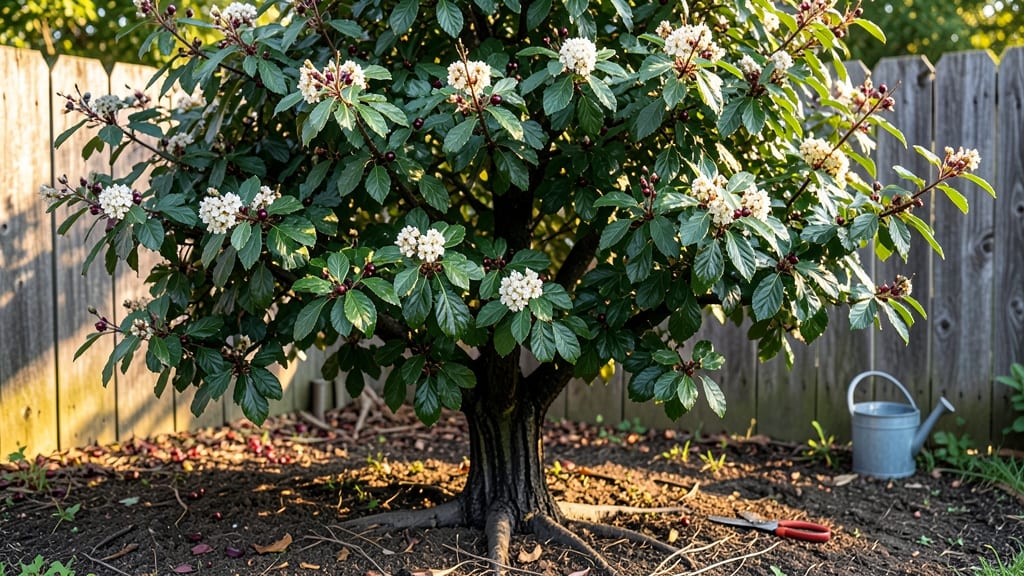
The Black Tartan cherry tree turns your yard into a year-round purple dream—no deadheading required. 🌿 Its deep burgundy foliage and glossy black fruit make it the standout star of any landscape, and unlike finicky cherries, it thrives with minimal fuss.
I planted mine last spring, and the neighbors still ask how I keep it looking so vibrant all season.
This tree loves full sun and well-draining soil, but it’s forgiving—even in slightly dry conditions. The key is planting it in spring or early fall when roots can establish before extreme weather.
Once settled, it handles drought better than most cherries, though a deep watering every 10-14 days keeps the foliage lush. Pruning is easy: just remove dead wood in late winter, and the tree rewards you with 3-4 feet of new growth each year.
What sets Black Tartan apart is its ornamental value year-round. The leaves stay dark purple through winter, and the fruit—though not for eating—adds dramatic contrast. No deadheading means no chores, just pure visual impact.
By summer, you’ll have a canopy so striking, your yard will feel like a secret garden. Ready to make it yours?
Works beautifully in USDA Zones 5-8, whether as a standalone specimen or mixed with other shade-loving plants. The only downside? Birds adore the fruit—so plan for a bird feeder nearby if you want to save a few for decorating. Let’s get growing!
📚 In This Guide
- What you need
- Instructions
- Tips and common mistakes
- Wrapping up and next steps
What you need
- ● Pruning shears (bypass or anvil type) – Opt for sharp, high-quality shears (e.g., Felco or Fiskars) with a 20-24" blade length for medium-sized branches.
- ● Loppers (for thicker branches) – Choose long-handled loppers (24-36") with a 2-3" cutting capacity for branches up to 2" in diameter.
- ● Pruning saw (for large branches) – A curved-tooth pruning saw (e.g., Bahco or Corona) for branches 2"+ in diameter.
- ● Disposable gloves (nitrile or leather) – Protects hands from thorns and sap. Waterproof gloves are ideal for wet conditions.
- ● Rubbing alcohol (70% or higher) – 1 small bottle for sterilizing tools between cuts to prevent disease.
- ● Sealing wax or pruning paint – Small tub (8 oz) to coat large cuts and prevent disease entry.
- ● Ladder or step stool – Ensure it’s stable and tall enough to reach the tree’s highest branches safely.
- ● Heavy-duty trash bags – For collecting pruned branches and debris.
- ● Extension pole pruners – For high branches without a ladder (e.g., 20-30' reach).
- ● Sharpener or honing stone – Keeps shears and saws razor-sharp between uses.
- ● Tree wound dressing (alternative to sealing wax) – Like Tanglefoot Tree Wound Pruning Seal for extra protection.
- ● Safety glasses – Protects eyes from debris, especially when using a pruning saw.
- ● Notebook & pencil – To sketch a pruning plan or mark cuts before you start.
Step-by-step guide to planting and caring for a Black Tartan cherry tree
This stunning purple-leaved tree thrives with minimal fuss—just follow these expert steps.
🪴 Step 1: Choose the Perfect Planting Site
Black Tartan cherries demand full sun—at least 6-8 hours daily—for their signature deep purple foliage to develop fully. I always scout the site first: look for open areas where branches can spread 15-20 feet wide at maturity. Avoid low spots where water pools after rain, as soggy roots trigger root rot.
Test the soil pH with a simple kit—ideal range is 6.0-7.0. If your soil tests alkaline, amend with 2-3 inches of compost mixed into the top 12 inches of soil. The tree tolerates most soil types but performs best in well-draining loam. Here's the thing—if your yard has heavy clay, dig a 3-foot-deep planting hole and fill the bottom third with 1 part sand to 2 parts native soil to improve drainage.
🌱 Step 2: Plant at the Right Depth and Stake for Support
Dig your planting hole twice as wide as the root ball but only as deep—this prevents burying the trunk too deeply, which causes girdling. Remove the tree from its container and gently loosen the roots if they're circling. Place it in the hole so the top of the root ball sits level with the surrounding soil—never mound soil against the trunk.
Backfill with native soil mixed with 1 part compost (about 3-4 gallons total). Water deeply to settle the soil, then add 2 wooden stakes positioned diagonally from the tree. Secure with soft tree ties (never wire)—tight enough to prevent swaying but loose enough to allow trunk growth. I stake newly planted trees for the first growing season to help establish root strength before winter.
☀️ Step 3: Water Deeply and Mulch for Long-Term Health
After planting, water deeply for 10-15 minutes using a soaker hose—this encourages roots to grow downward rather than staying shallow. Check soil moisture weekly by sticking your finger 2 inches deep; water again when it feels dry. The first year is critical: young trees need 1 inch of water per week (more in extreme heat). Here's where it gets fun—the purple foliage darkens with consistent moisture but fades if stressed.
Spread 3-4 inches of mulch (wood chips or shredded bark) in a 3-foot diameter circle around the base, keeping it 6 inches away from the trunk. This conserves moisture, regulates soil temperature, and suppresses weeds. Refresh the mulch layer annually in early spring—never let it pile against the trunk, as this traps moisture and invites rot.
✂️ Step 4: Prune Strategically for Shape and Airflow
Black Tartan cherries rarely need pruning, but first-year shaping sets the foundation. Remove any dead, crossing, or inward-growing branches using clean, sharp pruners. Cut just outside the branch collar (the swollen area where the branch meets the trunk) to prevent unsightly stubs. The tree's natural vase shape requires minimal intervention—just lightly trim any branches that rub together during wind.
Wait until late winter or early spring (just before buds swell) for any necessary pruning. Never prune in fall, as new growth won't harden off before winter. Real talk: If you accidentally prune at the wrong time, the tree will still recover—just expect slightly less vibrant foliage that season. The key is patience; these trees reward minimal intervention with year-round color and zero deadheading needs.
Tips & tricks for perfect Black Tartan cherry tree planting
Between us, these small details make all the difference between a tree that thrives and one that struggles. Here's what nobody tells you about getting it right the first time.
Sunlight Secret: That 6-8 hours of sunlight isn't just a suggestion—it's non-negotiable for the deep purple foliage. I've seen trees in partial shade develop pale, almost green leaves by mid-summer. If your yard has morning sun but afternoon shade, plant on the east side of structures to maximize those critical morning rays. The foliage color intensifies in cooler weather, so if you're in a hot climate, consider planting where it gets afternoon shade during peak summer months.
Soil Science: The 6.0-7.0 pH range is ideal, but here's the thing about compost: don't overdo it. Too much compost can make the soil too acidic. I've found that mixing just 3-4 gallons of compost with the backfill soil gives the perfect balance. For heavy clay soils, that sand-to-soil ratio in the bottom third of the planting hole is crucial—it creates a drainage layer that prevents root suffocation. Think of it like building a foundation with proper drainage for your house.
Watering Wisdom: Those 10-15 minutes of deep watering after planting aren't just about settling the soil—they're about encouraging root growth downward. I use a soaker hose for this because it delivers water slowly and evenly without disturbing the soil surface. The 1-inch weekly watering guideline is perfect, but during the first growing season, I actually check the soil moisture every 3-4 days. The roots need consistent moisture to establish properly, and the purple leaves will tell you when they're happy or stressed.
Pruning Precision: When you're doing that first-year shaping, focus on removing branches that grow toward the center of the tree. These "water sprouts" compete for nutrients and can weaken the tree's structure. I always make my cuts just outside the branch collar—this healing response is stronger than if you cut flush with the trunk. And remember, those soft tree ties should be checked every 3-4 months. The trunk needs room to grow, and ties that are too tight can actually girdle the tree over time.
Pro Tips for Black Tartan Cherry Tree
- Between us, these small details make all the difference between a tree that thrives and one that struggles. Here's wh...
- Sunlight Secret: That 6-8 hours of sunlight isn't just a suggestion—it's non-negotiable for the deep purple foliage. ...
- Soil Science: The 6.0-7.0 pH range is ideal, but here's the thing about compost: don't overdo it. Too much compost ca...
Frequently asked questions
Got questions about the stunning Black Tartan cherry tree? You're not alone!
Here are answers to the most common inquiries—from care tips to troubleshooting—so you can keep your tree thriving with minimal fuss.
How fast does the Black Tartan cherry tree grow, and how big will it get?
The Black Tartan cherry tree is a moderate grower, typically adding 12–24 inches per year under ideal conditions. At maturity, it reaches 20–30 feet tall with a 15–25-foot spread, making it perfect for medium to large landscapes. Plant it 15–20 feet from structures to avoid future pruning headaches!
When is the best time to plant a Black Tartan cherry tree?
For root establishment, plant in early spring or fall (4–6 weeks before the first frost). Avoid planting in summer heat or winter, as extreme temps stress young roots. If planting in fall, water deeply before the ground freezes to protect roots during winter.
Is the Black Tartan cherry tree cold-hardy, and how do I protect it in winter?
This tree is highly cold-hardy (Zones 3–8), but young trees may need winter protection. Wrap the trunk with tree guard to prevent rodent damage, and mulch heavily (3–4 inches) around the base (but avoid touching the trunk). No deadheading is needed—its dark foliage stays vibrant year-round!
Can I grow a Black Tartan cherry tree in a container, or is it strictly for gardens?
While it’s not ideal for containers long-term (roots get crowded), you can start it in a large pot (20+ gallons) for 2–3 years before transplanting. Use well-draining soil and a pot with drainage holes. For best results, plant it in the ground—its sprawling habit thrives in open spaces!
Why are the leaves on my Black Tartan cherry tree turning yellow or brown?
Yellowing leaves often signal overwatering or poor drainage, while brown edges may mean underwatering or drought stress. Check soil moisture—it should be evenly moist but not soggy. If leaves curl or drop prematurely, prune affected branches and adjust watering. Fungal issues (like powdery mildew) can also occur—ensure good airflow and avoid overhead watering.
Does the Black Tartan cherry tree produce edible fruit?
Nope! This tree is ornamental only—its small, insignificant cherries aren’t worth eating. The real star is its year-round deep purple-black foliage, which adds drama to gardens without the mess of fruit cleanup. Zero deadheading needed!
Wrapping up and next steps
The Black Tartan cherry tree is a stunning, low-maintenance choice for year-round color and beauty—no deadheading required! 🌿 Its striking purple foliage, delicate spring blooms, and glossy dark berries make it a standout in any landscape. With minimal pruning needs, it’s perfect for busy gardeners who still crave drama.
Ready to add this effortless elegance to your yard? Start by observing your tree’s natural shape and planning your first pruning session during late winter or early spring. Happy gardening!