Pruning
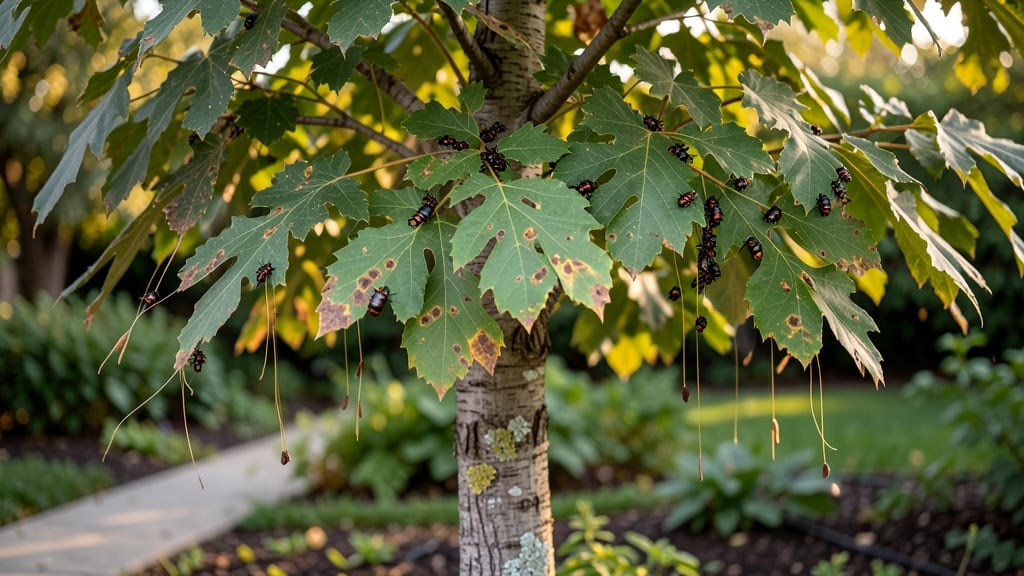
Box elder trees in the Pacific Northwest face unique struggles—leaf spot and bark issues that turn vibrant green canopies into sad, spotted messes. 🌿 I’ve battled these problems myself, and the key is acting fast before the tree’s health spirals.
These trees are tough, but fungal infections and pests like box elder bugs won’t hesitate to exploit weak spots if you ignore early warning signs.
The good news? Most issues respond well to organic treatments and smart pruning. A simple mix of copper fungicide (for leaf spot) and neem oil spray (for pests) can work wonders if applied at the first sign of trouble.
I’ve seen trees recover completely within a season when caught early—no heavy-duty chemicals required. The secret is consistency: check your tree every 2-3 weeks during rainy seasons, when fungal spores thrive.
You’ll know you’re on the right track when new leaves emerge clean and firm, not yellowed or curled. Prune out infected branches immediately (sterilize your tools with rubbing alcohol between cuts) to prevent spread.
Healthy bark should be smooth and grayish-brown, not cracked or oozing sap—a sign of borer infestations or environmental stress. With the right approach, your box elder can bounce back stronger than ever.
Works for both young saplings and mature trees in PNW climates. Let’s tackle those problems before they take root—literally. The sooner you act, the more your tree will thank you with lush, disease-free foliage all summer long.
📚 In This Guide
- What you need
- Instructions
- Tips and common mistakes
- Wrapping up and next steps
What you need
- ● Pruning shears or loppers: Bypass pruners (for small branches) and loppers (for thicker branches up to 1.5 inches)—sterilize with 70% isopropyl alcohol or a 10% bleach solution before and after use. (2-3 pairs recommended)
- ● Safety gear: Gloves (nitrile or leather, waterproof, and cut-resistant)
- ● Safety goggles (ANSI-rated)
- ● Long sleeves/pants (lightweight, breathable fabric)
- ● Dust mask or respirator (N95 or P100 rating for fungal spores)
- ● Diagnostic tools: Hand lens (10x magnification for inspecting bark/leaf spots)
- ○ Moisture meter (optional but helpful for assessing root health)
- ● Disposable sample bags (paper or zip-top for collecting leaf/bark samples)
- ● Fungicides: Copper fungicide (e.g., Copper Sulfate or Copper Hydroxide)—2-3 lbs per 100 gallons of water
- ● Systemic fungicide (e.g., Propiconazole or Myclobutanil)—follow label rates for box elder trees
- ● Pruning sealant: Prune ‘n Seal or Tanglefoot Tree Wound Pruning Seal (for cuts > 0.5 inches)
- ● Mulch: 3-4 inches of organic mulch (cedar or pine straw)—keep 6 inches away from the trunk
- ● Watering can or hose with adjustable nozzle (for deep watering)
- ○ Tree wound dressing (optional, but only for small wounds—avoid on large cuts)
- ● Soil test kit (PNW-specific for pH/nutrient analysis)
- ● Extension pole (for high branches, 6-10 feet)
- ● Camera or smartphone (for documenting progress before/after treatment)
Step-by-step guide for treating Pacific Northwest box elder tree issues
Here's how to tackle the most common problems in your region—leaf spot and bark damage—before they spread.
🌿 Step 1: Identify the Specific Problem
Start by closely examining your box elder tree. Leaf spot diseases in the Pacific Northwest often show as brown, circular patches with yellow halos. Bark issues may appear as cracked, peeling sections or dark streaks. I always check both the upper and lower leaf surfaces—some fungal spots only appear on the underside.
Compare your findings to common regional issues: anthracnose (small dark spots), septoria leaf spot (larger brown patches), or bark canker (sunken, dead areas). The Pacific Northwest's damp springs create perfect conditions for these problems. If you're unsure, take a sample to your local extension office—they can confirm with a microscope.
💧 Step 2: Prune Affected Branches Properly
Use sterilized pruning shears to remove branches with severe leaf spot or damaged bark. Cut back to at least 6 inches below the affected area—this removes infected tissue completely. I always sterilize my tools between cuts with 70% isopropyl alcohol to prevent spreading pathogens.
Remove all fallen leaves and debris from under the tree. These harbor spores that will reinfect next season. Bag and dispose of pruned material in yard waste, not your compost pile. The goal is complete sanitation—don't leave even small branches behind.
☀️ Step 3: Apply Targeted Fungicide Treatments
For leaf spot diseases, use a copper fungicide or neem oil solution (mix 1 tablespoon neem oil per quart of water with a drop of dish soap as an emulsifier). Apply when new leaves emerge in spring and again after rain events. The Pacific Northwest's frequent showers wash away protective sprays quickly.
For bark issues, focus on improving air circulation by thinning the canopy. Remove any branches growing inward or rubbing against others. This reduces humidity trapped against the bark where fungal spores thrive. Water at the base rather than overhead to keep foliage dry.
✂️ Step 4: Prevent Future Issues Through Maintenance
Mulch around the base with 3-4 inches of organic mulch (like wood chips) to improve soil health and reduce stress. Keep mulch 6 inches away from the trunk to prevent moisture buildup that encourages rot. I schedule a deep watering every 7-10 days during dry spells to encourage deep root growth.
Monitor your tree monthly during growing season. Early detection is key—catching problems when you see just a few spots means less severe treatment. If you notice repeated issues, consider a soil test to check for nutrient deficiencies that weaken the tree's defenses.
Tips & tricks for treating Pacific Northwest box elder trees
Here's what I've learned after dealing with these issues myself—simple tricks that make all the difference in saving your tree.
Diagnosis is Key: Don't guess which problem you're dealing with. I've seen people treat bark canker like leaf spot and end up making things worse. Always check both leaf surfaces—some fungal spots only show up on the undersides. If you're still unsure, take a sample to your local extension office. They can confirm the exact issue under a microscope, and that precision makes all the difference in treatment.
Pruning Precision: When cutting back those 6 inches below the affected area, make clean cuts at a 45-degree angle just outside the branch collar. This helps the wound seal properly and reduces the chance of reinfection. I also recommend marking branches you want to remove with flagging tape before you start—it helps you visualize the final shape and avoid missing any infected branches during the actual pruning.
Fungicide Timing: The Pacific Northwest's frequent rain means you'll need to reapply fungicides more often than in drier climates. I schedule applications right after new leaves emerge in spring and again immediately after heavy rain events. For the neem oil solution, I mix it fresh each time—old solutions lose effectiveness. And here's a pro tip: apply in the early morning so the solution has time to dry before evening dew forms.
Maintenance Matters: That 3-4 inches of mulch around your tree's base isn't just decoration—it's a protective barrier. I always use wood chips because they break down slowly and improve soil health over time. The key is keeping that mulch 6 inches away from the trunk to prevent rot. And when watering, focus on deep waterings every 7-10 days rather than frequent light waterings. This encourages deep root growth that makes your tree more resilient to diseases.
Pro Tips for Box Elder Tree Problems
- Here's what I've learned after dealing with these issues myself—simple tricks that make all the difference in saving your tree.
- Diagnosis is Key: Don't guess which problem you're dealing with.
- Pruning Precision: When cutting back those 6 inches below the affected area, make clean cuts at a 45-degree angle just outside the branch collar.
Frequently asked questions
Got questions about box elder tree problems in the Pacific Northwest?
You’re not alone! Here are some of the most common concerns—and straightforward answers to tackle them head-on.
What are the most common box elder tree diseases in the PNW?
The two biggest culprits are anthracnose leaf spot (brown, circular spots on leaves) and box elder blight (blackened bark and dieback). Timing matters: Wet springs and summers in the PNW create perfect conditions for these fungi. Prune infected branches in dry weather (avoid fall!) and sterilize tools with 70% isopropyl alcohol to prevent spread. Pro tip: Remove fallen leaves promptly—they’re disease reservoirs!
When is the best time to prune a box elder tree to prevent problems?
Prune in late winter or early spring (February–March) before new growth starts. This timing stops fungal spores from hitching a ride on fresh cuts. Skip fall pruning—cool, damp PNW air fuels infections. Why wait? Dormant trees bleed less sap, and you’ll spot winter-killed branches (a sign of blight) more easily. Avoid: Pruning during wet spells—wait 2–3 days after rain.
Are there disease-resistant box elder varieties for the PNW?
Unfortunately, no true "resistant" varieties exist, but some cultivars tolerate conditions better. Look for ‘Fastigiata’ (narrower growth) or ‘Columnaris’—they’re less prone to blight due to improved airflow. Better bet: Focus on cultural fixes: Space trees 30+ feet apart, improve drainage, and mulch with wood chips (not bark) to deter fungi. Bonus: Healthy soil = stronger trees!
How do I tell if my box elder’s bark issues are from disease or pests?
Use this quick checklist:
- Disease (blight): Black, sunken bark with oozing sap or dead branches. Often starts at the trunk’s base.
- Pests (borers/aphids): Sawdust-like frass (borers) or sticky honeydew (aphids). Check for tiny holes or curled leaves.
- Environmental stress: Peeling bark or cracks from drought or winter freeze (common in PNW’s temperature swings).
Next step: Scrape a small bark section—if it’s soft or discolored, it’s likely disease. For pests, treat with horticultural oil (follow label rates).
Can I save a severely infected box elder tree, or should I remove it?
If 50%+ of the canopy is dead or blight covers the trunk, removal is safest. But: If only branches are affected, aggressive pruning + fungicide (like copper fungicide) can revive it. Warning: Box elders have aggressive roots—hire a pro for stump removal to avoid regrowth. Silver lining: Replace with a maple or oak for long-term PNW resilience!
Wrapping up and next steps
Box elder trees in the Pacific Northwest can face unique challenges like leaf spot, bark damage, and pest invasions, but with the right tools and knowledge, you can keep them thriving! 🌿 By identifying issues early, using targeted treatments, and maintaining proper pruning techniques, you’ll protect your tree’s health—and your property too.
Ready to take action? Start by inspecting your tree now and applying the fixes you’ve learned. A little effort today means a stronger, more resilient tree for years to come! 💪