Pruning
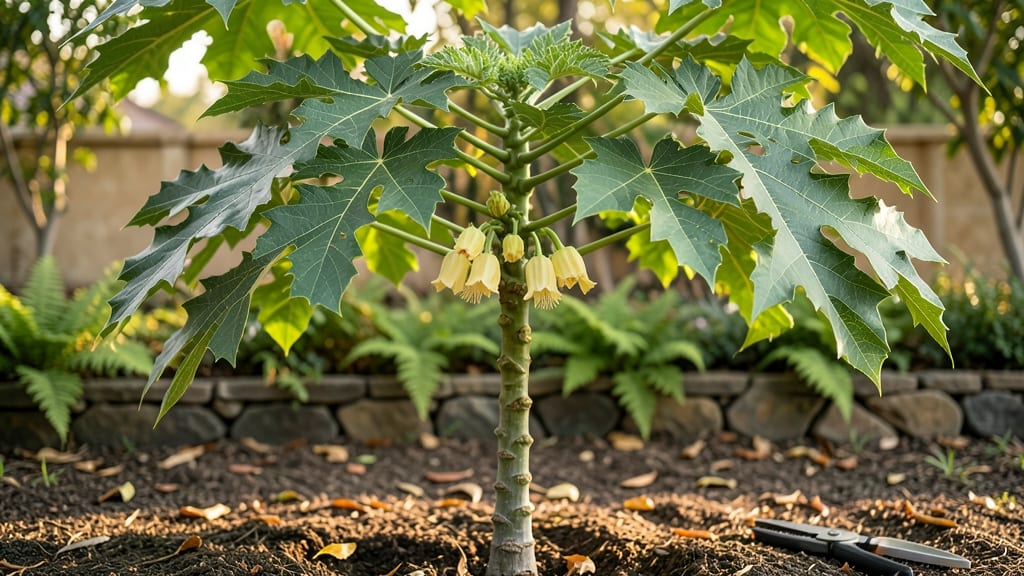
Growing a Brazilian papaya tree (Carica pubescens) is like cultivating a tropical treasure that actually thrives in cooler climates than its smooth-skinned cousin. 🌿 I’ve watched mine produce fruit in Zone 8—something I never thought possible with papayas—by mastering year-round pruning and a few key care tweaks.
The secret isn’t just patience; it’s understanding how this hairy-fruited variety handles temperature swings better than most.
This isn’t your average papaya. While smooth papayas bolt at 50°F, my Brazilian trees keep growing through light frosts, thanks to their native Andean roots.
You’ll need well-draining, slightly acidic soil (think 6.0–6.5 pH) mixed with compost, and a spot that gets 6+ hours of sunlight daily—but they tolerate partial shade better than most tropical plants. The real game-changer?
Pruning in three seasonal rounds (spring, summer, and late fall) to shape the tree while protecting it from cold snaps.
By winter’s end, you’ll see fresh new growth where others see dead branches. The fruits—smaller but packed with flavor—appear 6–12 months after planting, and with proper pruning, each tree yields 20–30 fruits per season.
The trade-off? More work upfront, but the payoff is a papaya harvest that lasts months longer than store-bought varieties ever could.
Works in containers for patios or in-ground for warmer microclimates. The key is adapting pruning to your zone—whether that means heavier cuts in Zone 7 or just light shaping in Zone 10. Let’s get those branches trimmed right.
📚 In This Guide
- What you need
- Instructions
- Tips and common mistakes
- Wrapping up and next steps
What you need
- ● Seeds or saplings: 1-3 Brazilian papaya seeds (or a young sapling from a trusted nursery). Pro tip: 💡 Use seeds from organic papayas for better cold resistance!
- ● Well-draining soil: 5-10 gallons of a mix of 60% potting soil, 30% perlite, and 10% compost.
- ● Pot or container: 1-2 large pots (15-20 gallons each) with drainage holes, or a raised garden bed (if planting outdoors in warm climates).
- ● Pruning tools: 1 pair of sterilized bypass pruners (for clean cuts).
- ● 1 small hand saw (for thicker branches, if needed).
- ● 1 rubbing alcohol (70% or higher) for tool sterilization.
- ● Support structure: 1-2 bamboo stakes or trellis (for training vines as the tree grows).
- ● Fertilizer: 1 cup of balanced organic fertilizer (10-10-10 NPK) or worm castings.
- ● Mulch: 2-3 inches of straw or shredded leaves to retain moisture.
- ● Watering can or hose: With a gentle spray nozzle for hydration.
- ● Grow lights: 1-2 LED grow bulbs (if indoor growing in low-light areas).
- ● Soil moisture meter: To monitor watering needs without over/under-watering.
- ● Cold frame or greenhouse: For extending the growing season in cooler climates. Pro tip: 🌡️ Use clear plastic tunnels for a budget-friendly solution!
- ● Pollination aid: A small paintbrush or cotton swab (if hand-pollinating flowers for fruit set).
- ● Pest control: Neem oil or insecticidal soap (for aphids or mites).
Step-by-Step guide to pruning your Brazilian papaya tree
Here's how I maintain vigorous growth and cold resilience in these tropical beauties—no green thumb required.
🌿 Step 1: Identify and Remove Dead or Damaged Wood
Start by examining your tree for any branches that are brown, brittle, or showing signs of disease. These are your first targets—they sap energy from healthy growth. Use clean, sharp pruning shears to make cuts just above a leaf node or lateral bud, angled slightly downward to prevent water pooling.
I always work from the bottom up, removing the worst offenders first. If a branch is larger than ½ inch in diameter, sterilize your tools with rubbing alcohol between cuts to prevent fungal spread. You'll know you're doing it right when the tree's canopy opens up and light reaches the inner branches.
✂️ Step 2: Prune for Airflow and Sunlight Penetration
Brazilian papaya trees thrive when their centers stay open and air circulates freely. Focus on thinning out crowded branches to create a vase-like shape, removing any that cross or rub against each other. This prevents disease and encourages fruit production by directing energy to the strongest growth.
I aim to keep the tree's center at least 12 inches clear of dense foliage. If your tree has grown leggy, cut back some of the longer branches by ⅓ of their length to promote bushier growth. Watch for new shoots emerging from the pruned areas—these will fill in nicely over time.
☀️ Step 3: Encourage Cold Resistance Through Strategic Pruning
To harden your Brazilian papaya for cooler weather, reduce its size by 20-30% in late summer. This helps the tree develop thicker stems and stronger root systems before winter. Focus on removing any weak, water-sprouted growth that won't survive cold snaps.
I also prune any fruit clusters that appear too late in the season—they won't ripen properly before cold weather sets in. Instead, let the tree focus its energy on building resilience. After pruning, give the tree a balanced fertilizer to support new growth and recovery.
🪴 Step 4: Shape for Year-Round Productivity
Throughout the year, maintain your tree's shape by trimming back any branches that grow too long or become unruly. Aim to keep the height manageable—6-8 feet is ideal for most home gardens. This makes harvesting easier and prevents the tree from becoming top-heavy in wind.
I like to prune lightly every 4-6 weeks during the growing season, removing only the tips of overgrown branches. This encourages branching and keeps the tree compact. Always prune just above a leaf node to stimulate new growth from that point.
⏰ Step 5: Time Your Pruning for Optimal Growth
Early spring is the best time to do major pruning—right after the last frost but before new growth begins. This gives the tree time to recover before summer heat sets in. Avoid heavy pruning in fall, as it can stimulate tender new growth that won't survive winter.
I also do a light maintenance prune in late winter to remove any dead wood that accumulated over the cold months. This keeps the tree looking tidy and ready to burst into growth with the first warm days. Always sterilize your tools before and after each session to keep your tree healthy.
Tips & tricks for pruning your cold-resistant Brazilian papaya tree
Mastering the art of pruning transforms your Brazilian papaya tree from a struggling tropical plant into a resilient, fruit-bearing powerhouse. Here's what I've learned after years of trial and error with these delicate beauties.
Tool Preparation: Before you begin, sharpen your pruning shears and sterilize them with rubbing alcohol—this is non-negotiable. I've seen fungal infections spread rapidly when tools weren't properly cleaned between cuts on branches over ½ inch in diameter. For larger branches, consider using a pruning saw to avoid tearing the bark, which can invite pests and disease. Always make clean cuts at a 45-degree angle just above a leaf node or lateral bud to promote proper healing.
Seasonal Timing Strategy: The early spring timing in Step 5 is absolutely critical, but don't just follow the calendar—watch for visual cues. When you see fresh green growth beginning but before the leaves fully unfurl, that's your window. I've found that pruning too early can expose tender new growth to late frosts, while waiting too long means you're removing potential fruit-bearing branches. For late summer pruning to encourage cold resistance, aim for when daytime temperatures consistently reach 75°F but nights begin to cool.
Pruning Pattern: When creating that open center in Step 2, think of your tree like an umbrella—you want sunlight to reach all the way to the ground. I've developed a system where I remove every third branch that's growing inward, starting from the bottom and working upward. This creates that perfect vase shape while maintaining structural integrity. Remember, you're not just cutting branches—you're sculpting the tree's future fruit production by directing energy to the strongest growth points.
Post-Pruning Care: After your major pruning sessions, give your tree a boost with a balanced fertilizer (10-10-10 works well) mixed with compost. The tree will be directing significant energy toward recovering from the cuts and developing new growth. I've found that watering deeply but infrequently—about once a week for established trees—helps prevent root rot while encouraging deep root development. Avoid overhead watering after pruning, as wet cuts are prime targets for fungal infections.
Pro Tips for Brazilian Papaya Tree
- Mastering the art of pruning transforms your Brazilian papaya tree from a struggling tropical plant into a resilient, fruit-bearing powerhouse.
- Tool Preparation: Before you begin, sharpen your pruning shears and sterilize them with rubbing alcohol—this is non-negotiable.
- Seasonal Timing Strategy: The early spring timing in Step 5 is absolutely critical, but don't just follow the calendar—watch for visual cues.
Frequently asked questions
Got questions about growing and pruning your Brazilian papaya tree? You’re not alone! Here are some of the most common queries—plus straightforward answers to help you keep your tree thriving year-round.
Can Brazilian papaya trees survive cold weather?
The Carica pubescens (Brazilian papaya) is the most cold-hardy papaya variety, tolerating brief dips to 25–28°F (-4 to -2°C). However, prolonged frost will damage leaves and fruit. Grow in USDA Zones 10–12 or use winter protection like frost cloth or a greenhouse.
When is the best time to prune for fruit production?
Prune your Brazilian papaya tree twice a year: lightly in early spring (to shape and remove dead wood) and heavily in late winter (just before new growth starts). Avoid pruning during flowering/fruiting—this stresses the tree and reduces yields.
How do I encourage more fruit on my papaya tree?
For a bountiful harvest, focus on balanced pruning (removing suckers but keeping 3–5 main branches) and regular feeding with citrus-specific fertilizer (high in potassium and phosphorus). Also, hand-pollinate flowers with a small brush if bees are scarce!
Why aren’t my papaya fruits ripening?
Common culprits include lack of sunlight (6+ hours daily), nutrient deficiencies (yellow leaves = nitrogen; purple stems = phosphorus), or over-pruning (reduces energy for fruit). Check for pests (like aphids) and ensure consistent watering—drought stress halts ripening.
Can I grow a Brazilian papaya tree in a container?
Yes! Use a large pot (15+ gallons) with drainage holes and a well-draining mix (cactus/succulent soil + perlite). Container-grown trees need frequent watering and may produce slightly smaller fruit. Move indoors or to a sheltered spot if temps drop below 40°F (4°C).
Wrapping up and next steps
Growing a Brazilian papaya tree is a rewarding journey that blends tropical beauty with practical fruit production—even in cooler climates! With the right pruning techniques and cold-resistant care, you can enjoy a year-round harvest of sweet, vibrant fruit.
Whether you're a seasoned gardener or just starting, your efforts will pay off in lush foliage and delicious rewards.
Ready to take the next step? Start small—plant your tree, master the pruning basics, and watch it thrive! 🌱 For even better results, consider joining local gardening groups or forums to share tips and celebrate your progress together.