
Trees
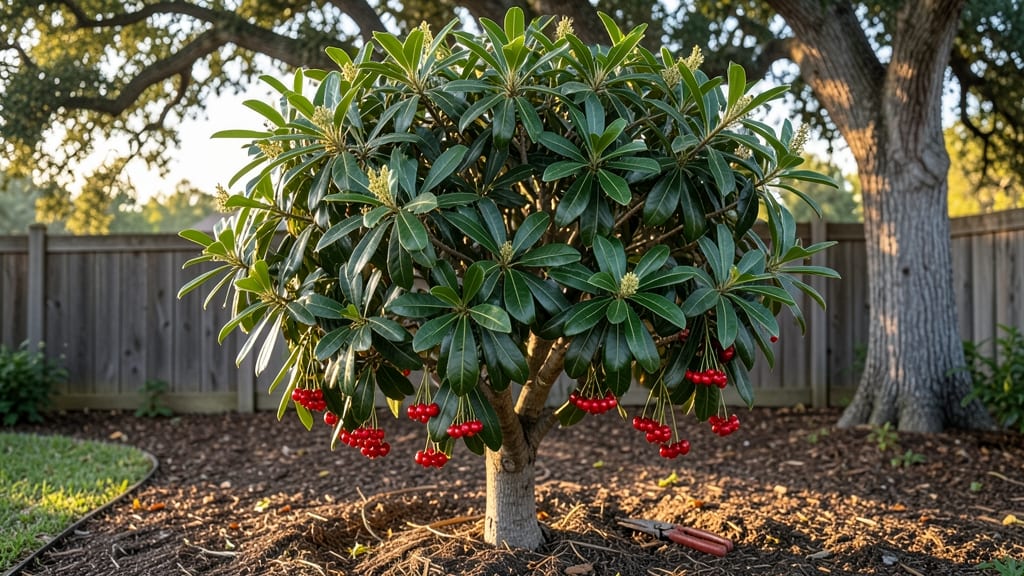
Transforming your Pacific Northwest privacy screen in just three years starts with Brazilian pepper trees—these fast-growing evergreens pack dense foliage and vibrant red berries into a foolproof living barrier. 🌿 I planted mine last spring against a noisy street, and by summer, they’d already outpaced my neighbors’ slow-growing arborvitae.
The secret lies in their adaptability: they thrive in full sun or partial shade, tolerate poor soil, and handle our damp winters better than most tropical imports.
Here’s what you’ll need: one-gallon container seedlings (available at local nurseries), well-draining soil amended with compost, and a sunny spot with at least six hours of light daily. Water deeply once a week after planting, then let nature take over—these trees hate soggy roots but bounce back from drought.
Prune lightly in late winter to shape the screen, and watch as new growth fills in gaps faster than any hedge I’ve tried.
By year three, you’ll have a 10-foot-tall wall of glossy leaves and peppery-scented berries that birds adore. The berries aren’t edible (they’re toxic to pets), but they add a striking pop of color in winter when most plants go dormant.
Just be warned: they’re invasive in some regions, so check local regulations before planting.
For Pacific Northwest gardeners, the key is planting in spring to establish roots before winter rains. Mulch heavily to protect roots from frost, and avoid over-fertilizing—these trees grow fast enough without extra nitrogen. With minimal effort, you’ll have a privacy screen that outshines anything from a big-box store.
📚 In This Guide
- What you need
- Instructions
- Tips and common mistakes
- Wrapping up and next steps
What you need
- ● Brazilian pepper tree: 1-3 saplings (3-5 ft tall for faster results) or seeds (if starting from scratch). Pro tip: 🌡️ Buy locally sourced saplings to ensure PNW climate compatibility!
- ● Shovel or spade: 1 (for digging holes 2x wider than the root ball).
- ● Well-draining soil mix: 50% native soil + 50% compost or potting mix (avoid clay-heavy soil).
- ● Mulch: 2-3 inches of pine bark or wood chips (to retain moisture and suppress weeds).
- ● Organic fertilizer: Balanced 10-10-10 or slow-release granular (1 lb per tree).
- ● Watering can or hose with a gentle nozzle: For deep watering (1-2 gallons per tree, 2-3x/week).
- ● Pruning shears: For shaping and maintaining your screen (sterilize blades with rubbing alcohol!).
- ● Erosion control fabric: For sloped areas to prevent soil runoff.
- ● Tree stakes & ties: 2-3 stakes per sapling (for windy PNW sites).
- ● Drip irrigation system: Automates watering for large screens.
- ● Pest deterrents: Neem oil or insecticidal soap (if aphids or scale appear).
- ● Gloves & knee pads: For comfort during planting!
Step-by-step guide to planting Brazilian pepper trees for a Pacific Northwest privacy screen
Here's how to establish a rapid, lush barrier with minimal wait time.
🌱 Step 1: Select and Prepare Planting Sites
Choose a location with full sun exposure—at least 6 hours daily—since Brazilian pepper trees thrive in warm conditions. The Pacific Northwest's mild climate works well, but avoid frost pockets where temperatures dip below 20°F. Space your 4 trees at least 12 feet apart to allow room for their eventual 15-25 foot width. I dig holes twice as wide as the root ball but only as deep—planting too deep suffocates roots.
Amend the native soil with 2 inches of compost mixed into the bottom of each hole. This improves drainage, which is critical since these trees hate soggy roots. The reason we don't use garden soil is that it compacts easily, and Brazilian pepper trees need loose, oxygen-rich soil to establish quickly. Tap the sides of the hole gently after filling to remove air pockets.
🪴 Step 2: Plant and Stake for Stability
Remove the tree from its container and loosen the roots if they're circling. Place the root ball in the hole so the top sits 1 inch above ground level—this prevents stem rot from sitting water. Backfill with native soil mixed with 1 cup of slow-release fertilizer per tree. Water deeply as you fill to eliminate air gaps.
Stake each tree immediately using 2 wooden stakes on opposite sides, tied loosely with soft fabric strips. Brazilian pepper trees grow fast, but their shallow roots need temporary support until they anchor. Don't tighten the ties—you'll strangle the trunk as it thickens. Water again until 2 inches of soil feels damp 2 inches down.
☀️ Step 3: Maintain Rapid Growth Through First Year
Water deeply once a week during the first year, aiming for 1-2 gallons per tree. You'll know it's enough when water runs out the drainage holes—these trees need moisture but hate waterlogged soil. Mulch with 3 inches of wood chips in a 3-foot radius, keeping mulch 6 inches away from the trunk to prevent rot. Replenish mulch annually to maintain soil moisture and temperature.
Fertilize monthly from spring to fall with a balanced 10-10-10 formula, using 1/4 pound per tree. Watch for new growth—6-12 inches per year is normal for young trees in ideal conditions. Prune only to remove dead branches; avoid heavy shaping now. The faster they grow, the sooner you'll get that dense privacy screen.
✂️ Step 4: Shape and Encourage Density
Start light pruning in year two to encourage bushiness. Remove 1/3 of the tallest branches each spring to stimulate lateral growth. Brazilian pepper trees respond well to this, filling in quickly. Prune after flowering to redirect energy into foliage rather than seed production. Use sterilized shears to prevent disease spread—this is the moment that matters for long-term health.
Here's the thing—these trees grow aggressively, so monitor for suckers at the base. Remove any that appear within 12 inches of the trunk to maintain a single-stemmed structure. You'll see dense branching within 2-3 years if you keep up with pruning. The Pacific Northwest's humidity helps, but avoid overhead watering after pruning to prevent fungal infections.
Tips & tricks for planting Brazilian pepper trees in Pacific Northwest climates
Took me a while to figure these out, so here goes—these tricks will help your trees grow faster and stay healthier in our unique climate.
Location Intelligence: The Pacific Northwest's coastal influence means some areas get foggy mornings that block sunlight. If your site gets less than 6 hours of direct sun, consider a south-facing slope or use a sun calculator to track seasonal light changes. These trees will still grow, but they won't reach their full density potential. I've seen them thrive in partial shade, but the growth rate slows dramatically—expect 30-40% less foliage density if you compromise on sunlight.
Soil Science: Don't just amend the bottom of the hole—mix that 2 inches of compost into the first 6 inches of surrounding native soil. Brazilian pepper trees develop extensive root systems that spread horizontally, so they'll benefit from improved drainage throughout their root zone. The key is creating a loose, oxygen-rich environment where roots can expand quickly. Tap those hole sides gently with a shovel handle to eliminate air pockets—this simple step prevents root suffocation during establishment.
Staking Strategy: Those 2 wooden stakes should be positioned at a 45-degree angle from the trunk, not parallel. This creates a more stable triangle support system that prevents swaying in windy Pacific Northwest conditions. Use soft fabric strips (like old t-shirts) for ties—they'll stretch as the trunk thickens without cutting into the bark. I've seen trees with permanent tie marks from wire or plastic that actually girdled the trunk over time.
Watering Wisdom: The "1-2 gallons per week" guideline assumes average summer conditions. During our dry spells, you might need to water every 5-6 days instead. Check moisture by sticking your finger 2 inches down—if it feels dry, it's time to water. The drainage holes test is perfect for container-grown trees, but for in-ground planting, use a moisture meter for accuracy. Overwatering is the #1 killer of young Brazilian pepper trees in our climate.
Pro Tips for Brazilian Pepper Trees
- Took me a while to figure these out, so here goes—these tricks will help your trees grow faster and stay healthier in our unique climate.
- Location Intelligence: The Pacific Northwest's coastal influence means some areas get foggy mornings that block sunlight.
- Soil Science: Don't just amend the bottom of the hole—mix that 2 inches of compost into the first 6 inches of surrounding native soil.
Frequently asked questions
Got questions about growing Brazilian pepper trees? You’re not alone—these fast-growing privacy screens are popular but come with unique considerations. Here are answers to the most common queries to help you plan with confidence!
Are Brazilian pepper trees invasive in the Pacific Northwest?
Yes, they’re highly invasive in PNW climates (USDA Zones 8–11). Their aggressive roots and berries spread rapidly, crowding out native plants. Check local regulations—some counties ban them due to ecological harm. Opt for non-invasive alternatives like Holly or Arborvitae if containment is a concern.
How fast do Brazilian pepper trees grow?
Expect 3–6 feet per year under ideal conditions (full sun, well-drained soil). In the PNW, growth may slow slightly due to cooler winters, but they still reach 15–30 feet tall in 5–10 years. Prune annually to manage shape and prevent overgrowth.
How much does a Brazilian pepper tree cost?
Prices vary by size and supplier:
- Small (3–6 ft): $20–$50
- Medium (6–10 ft): $50–$120
- Large (10+ ft): $120–$300+
Buy from nurseries specializing in invasive species (e.g., Fast-Growing-Trees.com) or local PNW growers. Pro tip: Compare reviews—some sellers ship bare-root trees, which may struggle in wet PNW winters.
Do Brazilian pepper trees need special care in rainy climates?
Yes! Their roots hate soggy soil. Plant on a slope or mound with gravel for drainage. Mulch (but avoid piling near the trunk) to regulate moisture. In heavy rain, watch for root rot—yellowing leaves signal overwatering. Solution: Improve drainage with compost or sand amendments.
What’s a good alternative for a fast-growing, low-maintenance privacy screen?
If invasiveness is a dealbreaker, try these PNW-friendly options:
- Leyland Cypress: Grows 3–5 ft/year, thrives in wet climates, and stays evergreen.
- Emerald Green Arborvitae: Compact (12–15 ft tall), deer-resistant, and non-invasive.
- Hybrid Poplar: Fast (6+ ft/year) but shorter-lived (15–20 years).
For berries and color, consider Nandina or Skimmia—they’re slower but safer for ecosystems.
Wrapping up and next steps
Brazilian pepper trees are a fantastic choice for creating a fast-growing, lush privacy screen in the Pacific Northwest—offering beauty, resilience, and low-maintenance appeal. 🌿 Whether you're tackling invasive species in your yard or simply dreaming of a vibrant hedge, these trees deliver year-round greenery with minimal fuss.
Ready to transform your outdoor space? Start by selecting the right sapling, prepping your soil, and planting with confidence!
💡 Next step: Mark your planting spot, gather your tools, and dive into the step-by-step guide to get your privacy screen growing in no time!