
Pruning
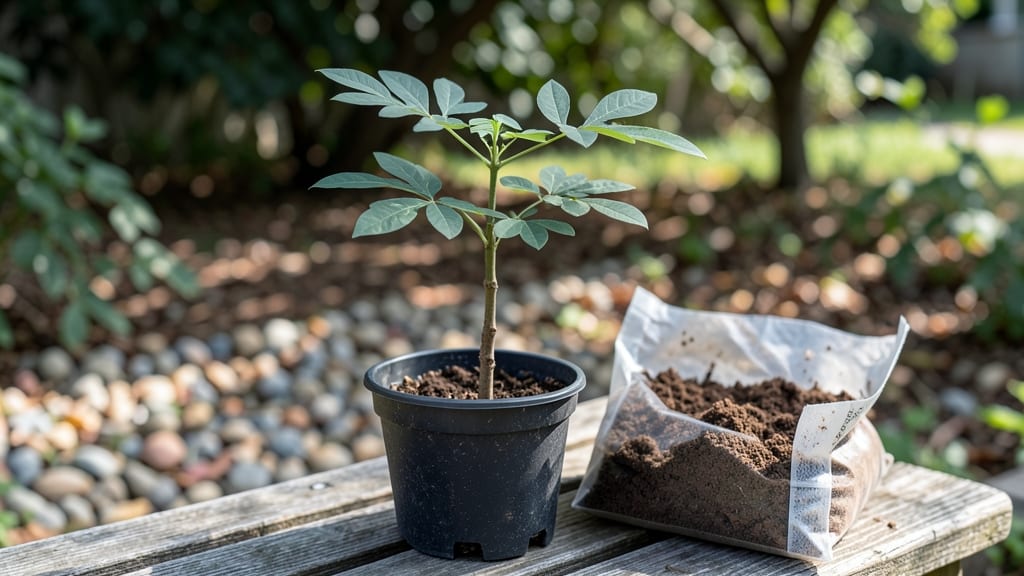
Growing carob tree seedlings in the Pacific Northwest means beating chilly winters with the right cold-resistant varieties and techniques. 🌱 I’ve nursed these hardy trees through our damp, cool summers and frosty winters—here’s how to give yours the best start.
The secret isn’t just the seedling; it’s matching the right soil, sunlight, and protection to our climate’s quirks.
You’ll need cold-hardy seedlings (look for ‘Celtiberica’ or ‘Aegilops’ varieties), well-draining soil mixed with compost, and a sunny spot that gets at least 6 hours of light daily. Plant in early spring after the last frost, and mulch heavily to insulate roots. Water deeply but infrequently—carobs hate soggy feet.
By summer, you’ll see glossy, deep-green leaves and sturdy branches, with the first pods appearing in 3-5 years if you prune correctly. The trees reward patience with drought tolerance and sweet, chocolate-flavored pods. Just watch for aphids and scale insects—neem oil keeps them at bay.
This method works for containers too, making it perfect for urban gardens. Whether you’re starting from seed or transplanting, the key is consistency. Let’s get those seedlings thriving!
📚 In This Guide
- What you need
- Instructions
- Tips and common mistakes
- Wrapping up and next steps
What you need
- ● Carob tree seeds or seedlings: 5–10 cold-hardy varieties (e.g., 'Aegilops' or 'Cypriot' types). Ensure they’re certified for Zone 7–9 resilience.
- ○ Well-draining soil mix: 50% potting soil + 30% perlite + 20% compost (sterilized to prevent pathogens). Optional: Add 1 tbsp of mycorrhizal fungi per gallon for root boost.
- ● Containers: 3–5 gallon pots with drainage holes (or biodegradable seedling pots for transplanting).
- ● Cold frame or greenhouse: A portable setup or unheated greenhouse to protect seedlings from PNW’s 20–30°F nights.
- ● Mulch: 2–3 inches of straw or wood chips to insulate roots in winter.
- ● Pruning shears: Sharp, sterile bypass pruners (size 6–8” for small branches).
- ● Garden trowel & spade: For transplanting seedlings (6–8” wide for ease).
- ● pH test kit: To ensure soil pH is 6.0–7.5 (carobs prefer slightly acidic to neutral).
- ● Watering can or hose with nozzle: Fine mist setting for seedlings; soaker hose for established trees.
- ● Thermometer: Soil probe type to monitor root-zone temps (aim for 45–65°F for optimal growth).
- ● Drip irrigation system for consistent moisture.
- ● Row covers (frost cloth) for late frosts.
- ● Epsom salt (1 tbsp/gallon) for magnesium-rich soil.
- ● Growth regulator (e.g., Bonide Fruit & Flower) to manage early blooms in cold climates.
Step-by-step instructions for cultivating cold-hardy carob tree seedlings
Carob thrives in our Pacific Northwest climate—here's how to coax resilient seedlings from seed.
🌱 Step 1: Stratify Seeds for Robust Germination
Carob seeds need cold stratification to break dormancy. Place them in a sealed container with a damp paper towel, then refrigerate for 8-12 weeks at 35-40°F. Check weekly—they should feel moist but not soggy. This mimics winter's chill, ensuring strong root development before spring planting.
After stratification, soak seeds in warm water for 24 hours to soften the hard outer shell. Watch for slight swelling—this signals readiness to plant. I've found that skipping stratification results in weak, slow-growing seedlings that struggle with our region's damp winters.
🪴 Step 2: Sow in Well-Draining Mix with Protection
Use a sterile seed-starting mix in 4-inch pots (4 seedlings total). Plant seeds ½ inch deep, spacing them 2 inches apart. Carob roots hate soggy conditions, so mix in 20% perlite to prevent rot. Gently firm the soil around seeds—don't compact it, or germination slows.
Place pots in a humidity dome or cover with plastic wrap to retain moisture. Keep soil at 65-70°F using a seedling heat mat if needed. Germination takes 4-8 weeks—patience is key. You'll notice tiny green spikes when it's time to adjust care.
☀️ Step 3: Acclimate to Gradual Light and Cold
Once seedlings show first true leaves, move them to bright, indirect light for 2 weeks. Avoid direct sun—young carob leaves burn easily. I use a grow light on a 12-hour cycle to prevent legginess. Rotate pots weekly so seedlings grow straight.
After 2 weeks, introduce outdoor conditions by placing pots in a sheltered spot for 1 hour daily. Gradually increase exposure to full sun and wind over 3 weeks. This hardening-off phase prevents transplant shock. Look for deep green leaves and sturdy stems—these are your cues for progress.
⏰ Step 4: Transplant to Permanent Site with Winter Prep
Plant seedlings 6-8 feet apart in well-draining soil with full sun exposure. Carob trees thrive in our region's USDA Zone 7-9 but need wind protection for the first year. I recommend planting near a fence or using burlap windbreaks until established.
Mulch heavily with 4-6 inches of wood chips to insulate roots during our damp winters. Water deeply once weekly after establishment—carob trees are drought-tolerant once mature but need consistent moisture as seedlings. You'll see new growth in spring, confirming your tree's resilience to Pacific Northwest winters.
Tips & tricks for cultivating cold-hardy carob seedlings
Real talk: The Pacific Northwest's damp winters can make or break your carob seedlings. These battle-tested tips will help you navigate each critical stage with confidence.
Stratification Success: The 8-12 week cold period at 35-40°F is non-negotiable for breaking dormancy. I've learned the hard way that rushing this step leads to weak, slow-growing seedlings that struggle with our region's chill. Place a small thermometer in your fridge to monitor temperature—consistent cold is key. After the 24-hour warm water soak, you'll notice the seeds swell slightly; this is your green light to plant.
Soil Science: That 20% perlite mix in your seed-starting soil isn't just for drainage—it's your first line of defense against root rot in our damp climate. I recommend using a sterile mix specifically formulated for seedlings to prevent fungal issues. When planting your 4 seeds in 4-inch pots, use a pencil to make small holes for each seed—this ensures proper depth without disturbing the soil structure.
Light Management: The 2-week bright indirect light phase is where most beginners go wrong. Young carob leaves are extremely sensitive to direct sun—even our mild Pacific Northwest sunlight can scorch them. If you don't have grow lights, place your seedlings near an east-facing window where they'll receive gentle morning light. Rotate your pots weekly to prevent leggy growth, which is a common issue when seedlings stretch toward one light source.
Hardening Off: That gradual 3-week outdoor acclimation period is your seedlings' boot camp for survival. Start with just 1 hour of sheltered outdoor time and increase by 30 minutes every few days. I've seen seedlings that weren't properly hardened off struggle with transplant shock, even in our relatively mild climate. Look for deep green leaves and sturdy stems as your cue that they're ready for full sun exposure.
Pro Tips for Carob Tree Seedlings
- Real talk: The Pacific Northwest's damp winters can make or break your carob seedlings.
- Stratification Success: The 8-12 week cold period at 35-40°F is non-negotiable for breaking dormancy.
- Soil Science: That 20% perlite mix in your seed-starting soil isn't just for drainage—it's your first line of defense against root rot in our damp climate.
Frequently asked questions
Got questions about growing cold-resistant carob tree seedlings in the Pacific Northwest?
You’re not alone! Here are answers to the most common concerns—from timing to troubleshooting—so you can plant with confidence.
What’s the best time of year to plant carob tree seedlings in the PNW?
Plant your seedlings in early spring (March–April) or early fall (September–October) when the soil is workable but not frozen. Avoid summer heatwaves, which stress young roots. PNW’s mild winters mean fall planting can work, but protect seedlings with mulch if frost is forecasted.
How cold-hardy are carob tree seedlings, and do I need extra protection?
Most carob varieties tolerate down to 15–20°F (-9 to -7°C), but seedlings are more vulnerable. In the PNW’s Zone 7b–9a, young trees benefit from 3–4 inches of mulch and a windbreak (like a burlap barrier) during harsh winters. Avoid planting in frost pockets!
Can I grow carob trees from seed, or should I buy seedlings?
While you can grow carob from seed, seedlings from nurseries are faster, more reliable, and cold-hardened for the PNW. Seeds may take 2–3 years to sprout and produce trees with unpredictable traits. For guaranteed success, opt for 1–2 year-old seedlings labeled for your zone.
What’s the ideal spacing for carob tree seedlings in my yard?
Space seedlings 15–20 feet apart if you want mature trees (they grow 20–30 feet tall). For hedges or smaller yards, trim regularly and space them 8–10 feet apart. Carob trees have aggressive roots, so avoid planting near sidewalks, driveways, or septic systems.
What pests or diseases should I watch for with carob seedlings?
PNW carob trees are pest-resistant, but watch for:
- Scale insects (sticky residue on leaves)—treat with horticultural oil.
- Root rot (from overwatering)—ensure well-draining soil and avoid soggy conditions.
- Aphids (rare, but check undersides of leaves).
Pro Tip: Slow and steady wins the race!
Carob seedlings grow slowly at first—don’t rush fertilization. Use a balanced 10-10-10 fertilizer in spring, but half the recommended dose for young trees. Over-fertilizing burns roots and attracts pests. Patience pays off with a hardy, drought-tolerant tree!
Wrapping up and next steps
Growing cold-resistant carob tree seedlings in the Pacific Northwest is not only achievable but also incredibly rewarding! 🌱 With the right preparation—from selecting hardy varieties to mastering pruning techniques—you’re setting the stage for a thriving, resilient tree.
Whether you’re a seasoned gardener or just starting out, every small step brings you closer to a bountiful harvest of sweet, nutritious pods.
Ready to take the next step? Start small: plant your first seedling this season and observe its progress. Document your journey, adjust techniques as needed, and soon, you’ll be sharing your expertise with fellow gardeners. The future of your carob grove is in your hands—let’s grow it together! 🌿