Pruning
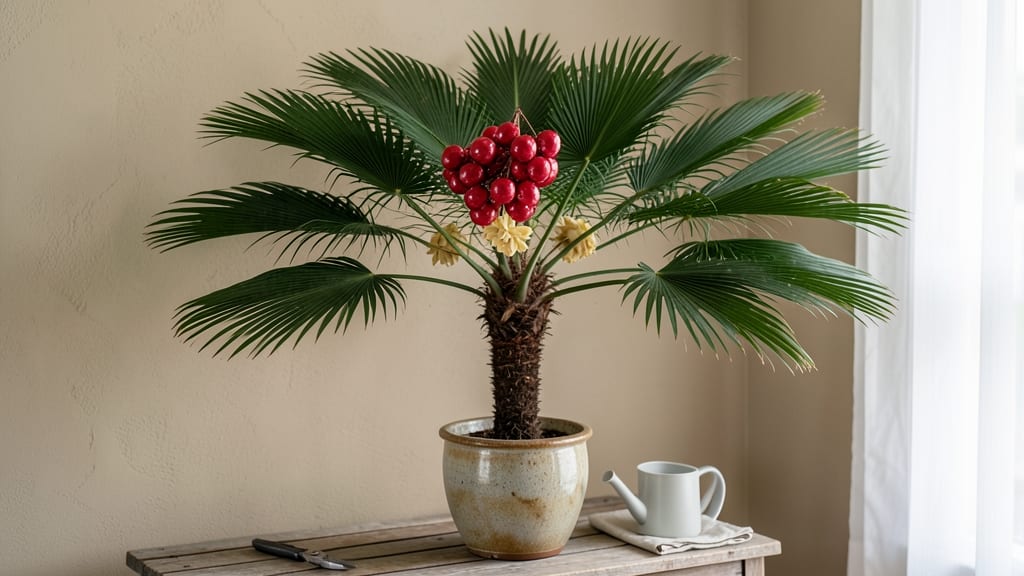
That Christmas palm tree brings holiday magic to Pacific Northwest gardens—its feathery fronds and elegant form make it the perfect year-round centerpiece. I’ve styled mine as both a festive outdoor statement and an indoor holiday focal point, and the results always turn heads.
The key is treating it like the architectural star it is, whether draped in fairy lights or surrounded by seasonal blooms.
The best part? It thrives in our mild coastal climate, needing only bright indirect light and occasional misting to stay lush. For holiday displays, pair it with pinecones, berries, or twinkling lights to amplify that cozy winter vibe.
Even after the season ends, its graceful shape keeps the garden looking polished all year.
You’ll love how it transforms any space—balconies, patios, or living rooms—into a festive retreat without overwhelming the room. The fronds stay vibrant when you prune sparingly in spring, and its slow growth means it ages beautifully over time. Think of it as your garden’s holiday MVP.
Works equally well in containers or planted in the ground, making it adaptable for any outdoor or indoor setting. Whether you’re going for rustic charm or modern elegance, this palm delivers effortless holiday appeal. Let’s make yours the talk of the neighborhood!
📚 In This Guide
- What you need
- Instructions
- Tips and common mistakes
- Wrapping up and next steps
What you need
- ● Pruning shears or bypass pruners: Sharp, clean shears (5–7" blade) for precise cuts.
- ● Disinfectant (70% isopropyl alcohol or hydrogen peroxide): 1–2 sprays to sterilize tools.
- ● Gloves (cut-resistant): 1 pair to protect hands from thorns.
- ● Decorative elements: Miniature ornaments (10–20 pieces, weather-resistant)
- ● Fairy lights (battery-operated or solar-powered)
- ● Ribbon or twine (1–2 yards, festive colors like gold, red, or green)
- ○ Artificial snow spray (optional, for a wintry touch)
- ● Ladder or step stool: If your palm is 6+ feet tall.
- ● Trash bag or bucket: For pruned fronds (1–2 large bags).
- ● Water spray bottle: To mist leaves before decorating (keeps them fresh).
- ○ Hot glue gun (optional): For securing lightweight ornaments.
- ○ Clear sealant spray (optional): To protect decorations from rain.
- ● Choose a dry, overcast day to prune (reduces stress on the tree).
- ● Ensure the palm is healthy (no pests, yellowing fronds, or disease).
- ● Work in a well-ventilated area if indoors (palms release pollen!).
Instructions for cultivating a thriving Christmas palm tree
Here's how to bring this festive favorite indoors while keeping it healthy year-round.
Select and Prepare the Right Spot for Your Christmas Palm
Place your Christmas palm in a location with bright, indirect light—think east or north-facing windows where it gets morning sun but avoids harsh afternoon rays. Direct sunlight can scorch the delicate fronds, while dim corners cause the leaves to yellow and drop. I always test a spot by holding my hand near the window for a minute: if the light feels warm, it's likely too intense.
This plant thrives in 60-75°F temperatures during the day and won't tolerate drafts or sudden temperature swings. Keep it away from heating vents or air conditioning units, which create unstable conditions. In the Pacific Northwest's cooler homes, a spot near an interior wall often provides the ideal balance of warmth and humidity.
Water with Care to Maintain Consistent Moisture
Water your Christmas palm when the top 1-2 inches of soil feel dry to the touch—this usually means every 5-7 days, though winter slows evaporation. I stick my finger into the soil up to my first knuckle to check moisture levels. If it comes out clean, it's time to water; if damp, wait another day or two.
Use room-temperature water and water thoroughly until it drains from the bottom of the pot. Empty the saucer afterward to prevent root rot, which is the Christmas palm's biggest enemy. Overwatering causes yellowing fronds and mushy stems, while underwatering leads to crispy brown tips—a common issue I see when people water on a strict schedule rather than checking soil moisture.
Feed and Prune for Year-Round Health
Fertilize your Christmas palm monthly during spring and summer with a balanced, water-soluble fertilizer diluted to half strength. I switch to a monthly feeding schedule in fall and winter, but cut back to every other month when the plant enters its natural dormancy period. Always water the plant first to prevent fertilizer burn on dry soil.
Prune only when necessary: remove any yellow or brown fronds by cutting them off at the base with clean, sharp scissors. Never trim healthy fronds—they're the plant's energy producers. If you notice small brown spots on the leaves, that's usually dust, which you can gently wipe away with a damp cloth. This keeps the plant looking fresh and encourages new growth.
Maintain Humidity and Cleanliness for Long-Term Beauty
Christmas palms love humidity—aim for 50% or higher, which is common in Pacific Northwest homes but may require extra effort in drier climates. Mist the leaves 2-3 times weekly or place the pot on a tray filled with pebbles and water (just make sure the pot isn't sitting directly in water). I often group my houseplants together to create a microclimate that maintains humidity naturally.
Wipe the leaves every few weeks with a damp, soft cloth to remove dust, which blocks light absorption. This simple maintenance keeps the plant looking vibrant and helps it photosynthesize efficiently. Avoid using leaf shine products—they can clog pores and harm the plant over time.
Rotate and Refresh for Balanced Growth
Rotate your Christmas palm quarter-turn weekly so all sides get even light exposure. This prevents the plant from growing lopsided toward the window. I set a reminder on my phone to check this—it's easy to forget when the plant looks fine from one side.
Repot every 2-3 years or when you see roots circling the bottom of the pot. Choose a container just 1-2 inches larger in diameter and use a well-draining potting mix. The Christmas palm prefers slightly root-bound conditions, so don't go too large. After repotting, hold off on fertilizing for 4-6 weeks to let the plant adjust to its new home.
Tips & tricks for perfect Christmas palm tree care
Here's what I've learned after keeping these elegant plants thriving for years—especially in our Pacific Northwest climate.
Light Testing Trick: The hand test in Step 1 is foolproof for finding the perfect spot. If your window faces south, place the plant at least 3 feet back from the glass during peak afternoon sun (1-4 PM). I've seen fronds develop crispy brown edges when placed too close to sunny southern exposures, even with indirect light. For north-facing windows, you can place the plant closer since the light is gentler.
Watering Confidence: When checking soil moisture in Step 2, press your finger in up to your first knuckle—this ensures you're testing the right depth. The "every 5-7 days" guideline works best during summer months, but in winter when heating runs constantly, I often stretch this to 7-10 days. Watch for the telltale weight difference: a dry pot feels noticeably lighter than when it's properly hydrated. The key is consistency—better to under-water slightly than to let it sit soggy.
Fertilizer Timing: The monthly spring/summer feeding schedule in Step 3 works perfectly, but here's the secret: I always fertilize right after watering on a Saturday morning. This gives the plant the full weekend to absorb nutrients before its natural metabolic slowdown on Sunday evenings. In winter, I actually cut back to every other month starting in November, which coincides with the plant's natural dormancy period—this prevents the yellowing tips that often appear when people over-fertilize during the holidays.
Humidity Hacks: For maintaining that 50%+ humidity in Step 4, I've found the pebble tray method works best when placed on top of a heating vent in winter. The warm air rises and creates a natural humidity dome around the plant. Another trick: place the pot on a bed of moss instead of pebbles—the moss holds moisture longer between waterings. And while misting is helpful, I've noticed the leaves actually benefit more from occasional showers under lukewarm water in the shower—it cleans dust while providing that humidity boost.
Pro Tips for Christmas Palm Tree
- Here's what I've learned after keeping these elegant plants thriving for years—especially in our Pacific Northwest climate.
- Light Testing Trick: The hand test in Step 1 is foolproof for finding the perfect spot.
- Watering Confidence: When checking soil moisture in Step 2, press your finger in up to your first knuckle—this ensures you're testing the right depth.
Frequently asked questions
about transforming your Christmas palm tree into a stunning Pacific Northwest holiday centerpiece—plus year-round care tips!When is the best time to prune my Christmas palm tree for holiday decor?
Prune your Christmas palm tree (or Adonidia merrillii) in late fall (October–November) to shape it for holiday decor. This timing ensures fresh growth for your decorations while avoiding stress during winter dormancy. Avoid heavy pruning in late winter or early spring, as the tree needs energy to recover.
Can I decorate my Christmas palm tree with lights or ornaments year-round?
While your Christmas palm tree can handle holiday decor year-round, be mindful of temperature extremes. In the Pacific Northwest’s mild winters, lights and lightweight ornaments are fine, but avoid heavy decorations that could damage branches. For summer, opt for waterproof ornaments and shade-sensitive lights to protect the tree’s delicate fronds.
How do I fix brown or yellow fronds after pruning?
Brown or yellow fronds are normal after pruning, but you can encourage new growth by ensuring your tree gets bright, indirect light (like a sunny window or grow light) and consistent moisture (water when the top inch of soil feels dry). Avoid fertilizing immediately—wait 4–6 weeks to let the tree recover before feeding with a balanced palm fertilizer.
What’s a good alternative if my Christmas palm tree is too small for decor?
If your Christmas palm tree is still young or petite, consider these PNW-friendly alternatives for holiday decor:
- Kentia palm (slow-growing, lush fronds)
- Parlor palm (compact, thrives indoors)
- Yucca plant (drought-tolerant, architectural)
How long does it take for a Christmas palm tree to recover after heavy pruning?
With proper care, your Christmas palm tree should show signs of new growth in 4–8 weeks. Focus on watering deeply (but not soggy), avoiding drafts, and keeping humidity moderate (a pebble tray helps!). If no growth appears after 3 months, check for pests (like spider mites) or root rot, which may require treatment.
Wrapping up and next steps
Transforming your Christmas palm tree into a stunning Pacific Northwest holiday centerpiece is simpler than you think—with the right tools, timing, and care.
Whether you're pruning for health, shaping for aesthetics, or preparing for the festive season, this guide gives you the confidence to tackle the task like a pro. 🌿✨
Now that you’re armed with knowledge, why not take the next step? Grab your pruning shears, schedule a weekend project, and give your palm tree the love it deserves. Your future holiday gatherings—and your green thumb—will thank you!