
Pruning
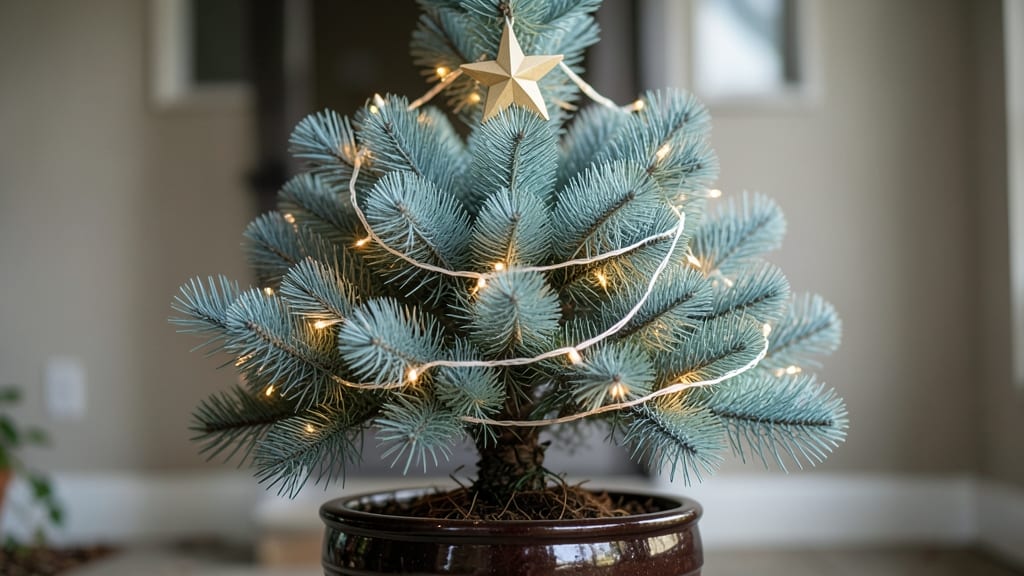
A Christmas tree in a planter pot brings holiday cheer year-round without needing a yard. 🌲 I’ve kept Norfolk Island pines and dwarf firs thriving on my balcony for years, and they’ve become the centerpiece of my winter decor—no yard required.
The trick is choosing the right tree, pot, and care routine to keep it lush and festive.
You’ll need a 15-20 gallon pot for stability, well-draining soil, and a tree that tolerates container life—Norfolk Island pines or dwarf Alberta spruces work beautifully. Place it in bright, indirect light and water when the top inch feels dry.
With the right setup, your tree stays green through holidays and beyond, acting as a living decoration that grows with you.
By spring, you’ll have a thriving evergreen that doubles as a conversation starter. The scent of pine needles fills the air, and the glossy foliage stays vibrant even in low-light spaces. Plus, you can swap out ornaments each season for a fresh look—no need to replant or replace.
This works for patios, balconies, or even sunny windowsills. Whether you’re decorating for Christmas or keeping the cozy vibe year-round, a potted tree adds evergreen elegance without the yard work. Let’s get yours growing!
📚 In This Guide
- What you need
- Instructions
- Tips and common mistakes
- Wrapping up and next steps
What you need
- ● Planter Pot: A sturdy, well-draining pot (12–18 inches in diameter) with drainage holes. Terracotta or ceramic pots work best for aesthetics and airflow.
- ● Christmas Tree: Real Mini Tree: A dwarf conifer (e.g., Norway Spruce, Blue Star Juniper, or Dwarf Alberta Spruce) in a 5–7 gallon container. Look for trees labeled "potted" or "container-friendly."
- ● Artificial Tree: A pre-pruned, branchy faux tree (1–3 feet tall) with a slim trunk for pot compatibility.
- ● Potting Soil: A high-quality, well-draining acidic mix (pH 4.5–6.0) for real trees. Avoid garden soil—it compacts and suffocates roots!
- ● Mulch or Pine Needles: 1–2 inches of organic mulch (e.g., pine straw) to retain moisture and mimic natural forest conditions.
- ● Fertilizer: Slow-release fertilizer pellets (e.g., Osmocote) or liquid acid-loving plant food (like Miracle-Gro for Azaleas/Rhododendrons).
- ● Watering Can: With a narrow spout for precise watering (avoid overhead spraying).
- ○ Decorative Elements (Optional but Fun!): Miniature ornaments, fairy lights, or a tiny star for topping.
- ● Ribbon, burlap, or holiday-themed planter wraps.
- ● Garden Gloves: To protect hands while handling soil or sharp pine needles.
- ● Trowel or Small Spade: For transferring soil and adjusting roots if repotting.
- ● Scissors or Pruners: To trim any overgrown roots or branches (if using a real tree).
- ○ Drainage Layer (Optional): Small pebbles or perlite (½ inch layer) at the pot’s bottom to prevent root rot.
- ● Sunlight Spot: A bright, indirect light area (east or north-facing window) for real trees. Artificial trees? No sunlight needed!
- ● Humidity Tray (For Real Trees): A shallow tray with pebbles and water to boost air moisture.
Step-by-step guide to growing a Christmas tree in a planter pot
Here's how to bring festive greenery indoors year-round with minimal fuss.
🪴 Step 1: Choose the Right Tree and Container
Select a dwarf variety like Fraser fir or Nordmann fir—these stay manageable in pots. Your container needs at least 18-inch diameter and 20-inch depth for a 4-foot tree, with drainage holes. I use a heavy ceramic pot to prevent tipping when decorated. Fill the bottom with 3-4 inches of gravel for drainage, then add 12 gallons of well-draining potting mix mixed with 2 cups slow-release fertilizer.
Here's the thing—don't skimp on soil quality. A blend of 50% peat moss, 30% perlite, and 20% compost keeps roots happy. Tap the pot gently to settle the mix without compacting it. The soil should feel like a damp sponge—not wet, not dry.
🌱 Step 2: Plant and Water for Initial Establishment
Remove the tree from its nursery pot and loosen the root ball with your fingers. Place it in the center of your container, ensuring the top of the root ball sits 1 inch below the rim. Fill gaps with additional potting mix, pressing lightly to eliminate air pockets. Water immediately until water runs freely from the drainage holes—this settles the soil and removes air bubbles.
Let the pot drain completely, then move it to a shaded spot indoors for 24 hours. This prevents transplant shock. After that, place it near a window with 6+ hours of indirect light daily. If your space is dim, supplement with a grow light kept 12 inches away for 8 hours daily.
☀️ Step 3: Maintain Light and Moisture Year-Round
Christmas trees need consistent moisture but hate soggy roots. Water when the top 2 inches of soil feel dry—usually once a week in winter, more often in summer. I use a moisture meter for accuracy. Always water until it drains from the bottom, then empty the saucer to prevent root rot.
Rotate the pot a quarter turn weekly so the tree grows evenly toward the light. You'll notice when one side leans—this is your cue to adjust. During holidays, keep the tree away from heat sources like fireplaces or vents. Needles dry out fast in dry indoor air, so mist the foliage lightly 2-3 times weekly.
✂️ Step 4: Prune and Fertilize for Healthy Growth
Prune in early spring by removing any dead or yellowing branches with clean, sharp shears. Cut just above a healthy bud or branch junction. This encourages fuller growth. I also trim back any leggy branches by ¼ inch to promote bushiness. Avoid heavy pruning—just enough to shape and refresh.
Fertilize every 6-8 weeks during the growing season (spring through fall) with a balanced 10-10-10 fertilizer. Reduce to every 12 weeks in winter. Here's a pro tip: Mix 1 tablespoon of worm castings into the top inch of soil monthly for extra nutrients without risking over-fertilization.
🎄 Step 5: Decorate and Care During the Holidays
Wait until 2 weeks before Christmas to decorate. The stress of lights and ornaments can weaken the tree. Use LED string lights (they generate less heat) and avoid heavy ornaments that can bend branches. Place the tree in a spot with 50-60°F temperatures and keep it away from direct heat sources.
After the holidays, remove decorations immediately and move the tree to a cool, bright spot. Reduce watering slightly—overwatering in winter is a common mistake. You'll see new growth in early spring, signaling it's ready for another year of holiday cheer.
Tips & tricks for perfect Christmas tree in planter pot
These simple strategies will help your indoor Christmas tree thrive year after year with minimal effort.
Pot Selection Matters: The 18-inch diameter and 20-inch depth are essential for root growth, but don't overlook the pot's stability. I've seen ceramic pots tip over when decorated—place yours on a saucer or non-slip mat. For extra security, use a pot with a wider base or add weights inside the pot if needed. The 3-4 inches of gravel at the bottom isn't just for drainage; it also prevents root rot by keeping the root zone elevated.
Lighting Strategy: That 6+ hours of indirect light is critical, but not all windows are equal. South-facing windows provide the most consistent light, while north-facing ones may need supplemental grow lights. If using a grow light, position it 12 inches away and keep it on for 8 hours daily—this mimics natural daylight cycles. I've found that trees near west-facing windows can get too much direct afternoon sun, which causes needle burn.
Watering Wisdom: The top 2 inches of soil being dry is your cue, but timing matters more than frequency. Water thoroughly until it drains from the bottom, then empty the saucer immediately. Overwatering is the #1 killer of potted Christmas trees—roots need oxygen too! I've learned the hard way that letting the pot sit in standing water for even an hour can lead to root rot. In winter, you'll likely water only once a week, but in summer heat, you might need to water every 3-4 days.
Holiday Prep: Those 2 weeks before Christmas are crucial for tree health. If you decorate earlier, the tree will struggle to photosynthesize properly, weakening it. I recommend setting up lights and ornaments in stages—start with the lights 2 weeks out, then add decorations a few days before the holiday. Keep the tree away from heat sources, as indoor air can dry out needles quickly. A humidifier nearby helps maintain that festive, lush look.
Pro Tips for Christmas Tree In Planter Pot
- These simple strategies will help your indoor Christmas tree thrive year after year with minimal effort.
- Pot Selection Matters: The 18-inch diameter and 20-inch depth are essential for root growth, but don't overlook the pot's stability.
- Lighting Strategy: That 6+ hours of indirect light is critical, but not all windows are equal.
Frequently asked questions
about growing a Christmas tree in a planter pot—because holiday cheer shouldn’t end with the season! Here are answers to the most common queries to help you keep your festive green friend thriving.Can a Christmas tree in a pot survive year-round?
With the right care—like choosing dwarf varieties (e.g., Nordmann or Fraser firs) and providing well-draining soil, regular watering, and winter protection—your tree can live for decades in a pot. Just avoid root-bound stress by repotting every 2–3 years.
When is the best time to plant a Christmas tree in a planter?
Spring or early fall are ideal! Planting in spring gives roots time to establish before winter, while fall (before frost) allows gradual acclimation. Avoid late fall or winter—cold soil can stunt root growth. Pro tip: Use a root stimulator when transplanting for a smoother transition.
How often should I water a potted Christmas tree?
Water when the top 1–2 inches of soil feel dry—usually 1–2 times per week in summer, less in winter (when growth slows). Overwatering is risky! Ensure pots have drainage holes and use a moisture meter for accuracy. Mulch lightly to retain moisture without suffocating roots.
Can I decorate my potted Christmas tree like a traditional one?
Go for it—but with caution! Skip heavy ornaments (they can break branches) and opt for lightweight, natural decorations (e.g., pinecones, fairy lights). Avoid spikes or metallic hooks that can damage bark. For extra safety, trim branches slightly before decorating to distribute weight evenly.
What should I do if my potted Christmas tree gets pests?
Common pests like spider mites or aphids can stress your tree. Start with a gentle hose spray to dislodge them, then use neem oil or insecticidal soap if needed. Inspect leaves regularly and prune infested areas immediately. For severe cases, consult a local nursery for targeted solutions.
How do I protect my potted tree from winter cold?
Move your pot to a sheltered spot (like a garage or porch) before hard frosts, or wrap the pot in burlap or frost cloth. Avoid plastic wraps—they trap moisture and cause rot. If outdoors, mulch the base and water sparingly (only when soil is dry). Dwarf varieties handle cold better than full-sized trees!
Wrapping up and next steps
Transforming your holiday cheer into a year-round tradition with a Christmas tree in a planter pot is simpler—and greener—than you think! 🌲 Whether you're pruning a dwarf tree or styling a pre-potted evergreen, this project breathes new life into your space while keeping maintenance low.
The key? Choose the right tree, prune with purpose, and embrace the cozy, ever-present magic of the holidays.
Ready to dive in? Start by picking your tree—then grab your tools and get creative! Your future self (and your home’s vibe) will thank you. 🎄✨