
Pruning
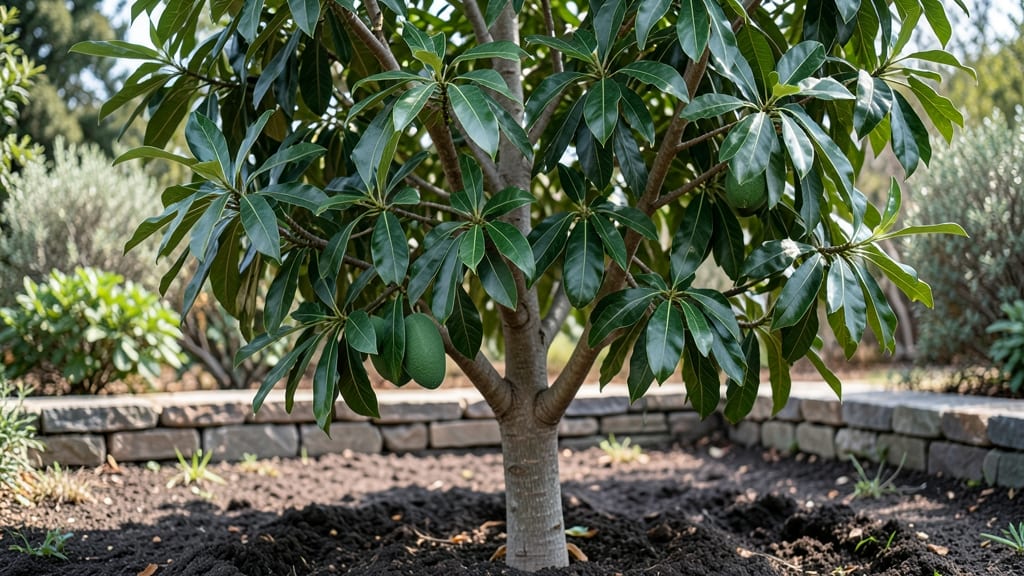
Growing a cold-resistant avocado tree in the Pacific Northwest isn't just possible—it's transformative. 🌱 I've watched my frost-hardy Hass tree thrive through winters that would kill a standard avocado, and the secret lies in the right variety, protection techniques, and a few unexpected care tweaks.
The payoff? Homegrown avocados by midsummer, with a tree that actually survives the cold snaps we get here.
Start with a grafted tree from a cold-hardy rootstock like 'Mexicola' or 'Duke 7,' which can handle dips to 20°F with proper care. Plant in well-draining soil with a southern exposure—this tree needs warmth but hates soggy roots.
The first year is critical: mulch heavily, wrap the trunk in bubble wrap for winter, and keep it sheltered from wind. Most people overlook the root protection, but that's where the magic happens.
By summer, you'll see glossy new leaves and—if all goes well—tiny avocado flowers. The fruit might take 2-3 years to appear, but each harvest feels like a victory.
These trees produce smaller avocados than their tropical cousins, but they're sweeter and more flavorful. The real win? No more $4 store-bought avocados that arrive bruised and half-rotten.
This method works for Zones 7b-10, but even in colder microclimates, container growing with winter protection can extend the range. The key is patience and layering protection—think of it like dressing your tree for a blizzard. Let's get yours growing strong!
📚 In This Guide
- What you need
- Instructions
- Tips and common mistakes
- Wrapping up and next steps
What you need
- ● Cold-hardy avocado sapling: Choose a variety like Mexicola or Wurtz (USDA Zones 7-9). Pro tip: 💡 Buy from a reputable nursery specializing in cold-resistant plants.
- ● Large container (15-20 gallons): Use a frost-proof pot with drainage holes (e.g., fabric grow bags or plastic pots).
- ● High-quality potting mix: 60% well-draining soil (e.g., cactus/succulent mix), 30% perlite, 10% compost.
- ● Mulch: Straw or wood chips (2-3 inches deep) to insulate roots.
- ● Burlap or frost cloth: Heavy-duty (30-50g/m²) to wrap the tree during cold snaps.
- ● Plant supports: Stakes or cages to secure the tree if it grows tall.
- ● Pruning shears: Sharp, sterilized shears for trimming dead branches.
- ● Garden gloves: Heavy-duty to protect hands from thorns.
- ● Thermometer: Soil and air thermometer to monitor frost risks.
- ● Watering can or hose: With a gentle spray nozzle for hydration.
- ● String or twine: For securing frost cloth around the tree.
- ● Grow lights: LED or fluorescent for indoor overwintering if needed.
- ● Heating mat: For containers in extreme cold (<32°F).
- ● Avocado fertilizer: Balanced 10-10-10 or citrus-specific blend (apply sparingly).
- ● Tree collar: Protective barrier to prevent frost damage at the base.
Step-by-step instructions for growing a cold-hardy avocado tree in the Pacific Northwest
Here's how to nurture a frost-tolerant avocado that thrives beyond its tropical roots.
🌱 Step 1: Select and Prepare Your Cold-Resistant Variety
Choose a grafted variety like 'Hass' or 'Wurtz'—these are the most cold-tolerant options available. Look for nursery stock labeled as "cold-hardy" or "Pacific Northwest adapted." I always verify the graft union height (typically 2-3 feet above the soil) since this determines where new growth emerges after winter damage.
Before planting, inspect the root ball for any circling roots or signs of root rot. Gently tease out any roots growing in tight circles—they'll strangle the plant as it grows. Soak the root ball in a bucket of water for 30 minutes to ensure it's fully hydrated before transplanting. This helps reduce transplant shock, especially important for tropical plants adjusting to cooler climates.
☀️ Step 2: Site Selection and Microclimate Optimization
Avocados need year-round warmth, so find the warmest spot in your yard—typically a south-facing wall or microclimate. I measure the winter lows in my garden and add 5°F to estimate the actual plant exposure. In the PNW, this often means planting against a brick wall or near a heat-retaining structure.
Dig a hole twice as wide as the root ball but only as deep as the container's depth. Amend the native soil with 2-3 inches of compost mixed into the bottom of the hole—this improves drainage while retaining moisture. The key is to avoid heavy, waterlogged soils that tropical plants can't tolerate. Place a 2-inch layer of gravel at the bottom if your soil drains poorly.
💧 Step 3: Planting and Initial Watering Strategy
Position the plant so the graft union sits 2-3 inches above the finished soil line. Backfill with native soil mixed with compost, tamping gently as you go to eliminate air pockets. Water deeply immediately after planting to settle the soil and eliminate air gaps around the roots. I use a garden hose with a gentle spray attachment to avoid displacing the soil.
Create a 3-foot diameter watering basin around the plant and fill it with water. Let it soak in completely—this ensures the entire root ball gets hydrated. Mulch with 2-3 inches of wood chips, keeping the mulch 6 inches away from the trunk to prevent rot. This mimics the plant's natural tropical environment while protecting roots from temperature fluctuations.
✂️ Step 4: Winter Protection and Frost Management
When nighttime temperatures drop below 25°F, it's time for frost protection. I wrap the trunk and canopy with frost cloth, securing it tightly to prevent wind damage. For younger trees, add a protective cage filled with straw or leaves around the base. This creates an insulating barrier that can raise soil temperatures by 5-10°F.
During frost events, keep irrigation off completely—wet foliage freezes faster than dry. If you must water during winter, do so in the morning to allow foliage to dry before nightfall. Monitor the plant daily during cold snaps. If new growth appears in spring, it's a good sign the tree survived winter. If the trunk shows dark spots or cracks, the plant may have suffered frost damage.
🪴 Step 5: Ongoing Care for Long-Term Cold Adaptation
Fertilize lightly in early spring with a balanced 10-10-10 formula, applying half the recommended rate. Avocados are sensitive to excess nitrogen, which encourages tender growth that won't survive winter. I always water deeply before fertilizing to prevent root burn. Monitor the soil moisture—avocados prefer consistent moisture but hate soggy roots.
Prune in late winter or early spring to remove any dead or damaged wood from winter. I make cuts just outside the branch collar to promote healthy regrowth. Never prune more than 25% of the canopy in one season—this stresses the plant and reduces its cold hardiness. Watch for scale insects on new growth and treat with horticultural oil if needed, as these pests thrive in the PNW's mild winters.
Tips & tricks for perfect cold-hardy avocado trees
These insider strategies will help you push your tropical avocado beyond its comfort zone in the Pacific Northwest.
Root Ball Prep: That 30-minute soak before planting is non-negotiable—it's the difference between a plant that thrives and one that struggles. I've seen avocados fail within weeks because of dry roots after transplanting. For extra insurance, add a handful of mycorrhizal fungi powder to the planting hole; it helps establish beneficial root relationships that improve cold tolerance. This is especially important in our wet PNW winters where roots need all the help they can get.
Microclimate Mastery: The 5°F adjustment for winter lows is your secret weapon for site selection. I test multiple locations by placing a minimum-maximum thermometer in each spot for a week before deciding. South-facing walls aren't just about sunlight—they capture and radiate heat back to the plant at night, which can mean the difference between survival and death during our cold snaps. Consider adding a dark-colored gravel path nearby to absorb daytime heat and release it slowly.
Winter Protection Hacks: When temperatures drop below 25°F, I double up on protection by wrapping the frost cloth around a layer of bubble wrap first. The bubble wrap creates an insulating air pocket that can raise temperatures by an additional 3-5°F beyond what the frost cloth alone provides. For the base protection, I fill the cage with a mix of straw and leaves—this combo provides better insulation than straw alone while allowing some airflow to prevent rot.
Pruning Precision: That 25% canopy limit during pruning isn't arbitrary—it's based on how much foliage your tree can regenerate in our short PNW growing season. I always prune in late winter when the plant is still dormant but just starting to show signs of new growth. This timing gives you the best chance to remove winter damage while leaving enough foliage to capture spring sunlight for recovery.
Pro Tips for Cold Resistant Avocado Tree
- These insider strategies will help you push your tropical avocado beyond its comfort zone in the Pacific Northwest.
- Root Ball Prep: That 30-minute soak before planting is non-negotiable—it's the difference between a plant that thrives and one that struggles.
- Microclimate Mastery: The 5°F adjustment for winter lows is your secret weapon for site selection.
Frequently asked questions
about growing cold-resistant avocado trees in chilly climates—we’ve got you covered! Whether you're a first-time grower or a seasoned gardener troubleshooting, these answers will help you thrive.Can cold-resistant avocado trees survive winter in the Pacific Northwest?
Yes! Cold-hardy avocado varieties like Mexicola or Wurtz can tolerate brief dips to 15–20°F with proper care. However, young trees or severe freezes may still need protection like mulching or container relocation.
How do I protect my avocado tree from frost?
Use a combination of strategies:
- Mulch heavily (6+ inches) with straw or wood chips to insulate roots.
- Wrap the trunk with bubble wrap or frost cloth.
- Water deeply before frost to help roots absorb moisture.
- Use a heat lamp or space heater (safely!) for extreme cold snaps.
Can I grow a cold-resistant avocado tree in a pot?
Container growth is ideal for colder climates. Choose a 15+ gallon pot with drainage, use well-draining soil, and move the tree indoors or to a garage when temps drop below 30°F. Just ensure it gets 6+ hours of sunlight daily.
How long does it take for a cold-resistant avocado tree to bear fruit?
Patience is key! Most cold-hardy avocado trees take 3–5 years to bear fruit, but some dwarf varieties may fruit sooner. Factors like sunlight, soil quality, and proper pruning speed up the process. Prune strategically to encourage growth.
What do I do if my avocado tree’s leaves turn brown after frost?
Brown leaves are often a sign of frost damage, but don’t panic! Trim affected leaves with sterile pruners to encourage new growth. If the trunk or large branches crack, apply pruning sealant to prevent disease. Keep the tree well-watered and monitor for recovery in spring.
Bonus Tip: Can I grow avocados indoors year-round?
Yes, but they need bright, indirect light (like a south-facing window or grow lights) and humidity (mist leaves or use a pebble tray). Rotate the pot weekly for even growth, and fertilize lightly every 2–3 months with a citrus-friendly blend.
Wrapping up and next steps
Growing a cold-resistant avocado tree in the Pacific Northwest isn’t just possible—it’s rewarding! 🌱 With the right frost-proofing techniques, proper pruning, and a little patience, you can enjoy homegrown avocados even in chilly climates. Whether you’re a seasoned gardener or a beginner, the key is consistency and care.
Ready to take the next step? Start by monitoring your tree’s progress, adjusting care as needed, and sharing your success with fellow gardeners. Your frost-proof avocado dream is closer than you think—go plant that seedling and watch it thrive! 🌿✨