
Trees
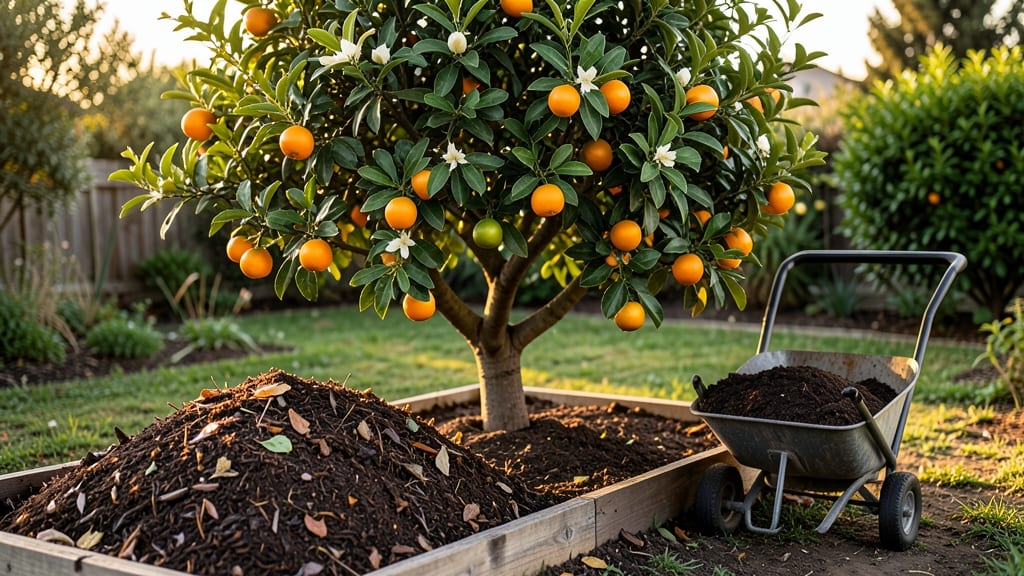
My orange trees went from struggling to thriving the year I started using the right compost—this citrus-boosting nutrient goldmine changed everything. 🌱 The secret isn't just any compost; it's a mix that mimics the well-draining, slightly acidic soil citrus trees crave naturally.
I learned this after watching my first harvest wither from poor soil, and now my trees produce fruit so sweet it rivals anything from the grocery store.
The beauty of compost for orange trees is how it solves multiple problems at once: it feeds roots with slow-release nutrients, keeps moisture without suffocating roots, and even helps prevent fungal diseases that plague citrus.
You don't need fancy equipment—just a shovel, some well-aged compost, and a little patience. The key is balancing organic matter with existing soil to avoid compacting the roots, which citrus trees hate more than anything.
What you'll end up with is trees that produce fruit earlier, with thicker skins and richer flavors. The leaves stay vibrant green instead of yellowing, and you'll notice fewer pests bothering your trees.
Best of all, this method works whether you're growing in containers or in-ground—just adjust the compost-to-soil ratio based on your setup.
Ready to transform your orange trees? We'll cover exactly how much compost to use, when to apply it, and how to tell if your trees are getting the right balance of nutrients. No more guesswork—just healthier trees and better fruit every season.
📚 In This Guide
- What you need
- Instructions
- Tips and common mistakes
- Wrapping up and next steps
What you need
- ● Browns (Carbon-Rich Materials): Dried leaves (10–15 lbs) – shredded for faster decomposition
- ● Straw or hay (5–8 lbs) – avoid seed-contaminated varieties
- ● Newspaper or cardboard (3–5 lbs) – shredded and ink-free
- ● Wood chips or sawdust (5 lbs) – untreated, coarse wood only
- ● Greens (Nitrogen-Rich Materials): Fresh citrus peels & pulp (2–3 lbs) – chopped into small pieces
- ● Coffee grounds (1–2 lbs) – used, unsweetened
- ● Grass clippings (5–7 lbs) – fresh but not matted
- ● Vegetable scraps (3–4 lbs) – avoid meat, dairy, or oily foods
- ● Essential Additives: Epsom salt (1 tbsp) – for magnesium boost
- ● Wood ash (½ cup) – sparingly, to balance pH (test soil first!)
- ○ Worm castings (1–2 cups) – optional but highly beneficial
- ● Compost bin or pile (3’x3’x3’ minimum) – or a dedicated corner of your yard
- ● Garden fork or compost turner – for mixing layers
- ● Gloves – to protect your hands from prickly materials
- ● Watering can or hose – for moisture control
- ● pH testing kit – to monitor acidity (ideal: 6.0–7.0 for citrus)
- ○ Thermometer (optional) – track heat levels (120–160°F is ideal)
- ● Biochar (½ cup) – improves drainage and microbial activity
- ● Citrus-specific compost starter (1 cup) – speeds up decomposition
- ● Mulch (straw or wood chips) – to retain moisture and regulate temperature
- ● Compost thermometer – for advanced monitoring
How to create citrus-optimized compost for orange trees
Here's the method I've used to transform my orange tree's soil—rich, balanced, and perfect for citrus.
🌱 Step 1: Build a Balanced Compost Foundation
Start with a 50-50 mix of green materials (nitrogen-rich) and brown materials (carbon-rich). For orange trees, focus on fruit peels, citrus leaves, and coffee grounds as your greens—they're packed with potassium and micronutrients citrus love. Browns like dry leaves, straw, or shredded newspaper provide structure and prevent compaction.
I chop everything into 1-2 inch pieces for faster decomposition. Too-fine pieces create a dense mat that suffocates microbes, while large chunks slow the process. Add a handful of wood ash (from untreated wood) to boost calcium and raise pH slightly—citrus thrives in slightly acidic to neutral soil (pH 6.0-7.0).
💧 Step 2: Maintain Moisture and Turn Regularly
Keep the pile moist like a damp sponge—not soggy, not dry. Citrus compost needs consistent moisture to break down evenly. I water it every 2-3 days in hot weather, checking with my fingers until the pile feels cool to touch at the center. If it smells like rot or ammonia, it's too wet—add more browns immediately.
Turn the pile every 5-7 days with a garden fork. This introduces oxygen, which speeds up decomposition and prevents anaerobic pockets that create foul odors. After 4-6 weeks, you'll see dark, crumbly material forming—this is your citrus-boosting gold. Stop turning once it looks like rich, dark soil with no recognizable chunks.
☀️ Step 3: Age and Condition for Citrus Needs
Let the compost mature for 2-3 more months in a shaded area. This final aging period ensures pathogens and weed seeds die off, making it safe for your orange tree. I sift it through a ¼-inch mesh screen to remove any coarse bits—citrus roots are sensitive to large particles that can cause root rot.
For extra citrus benefits, mix in 1 part finished compost with 2 parts existing soil before applying. This dilution prevents nutrient burn from high nitrogen levels. You'll know it's ready when it smells earthy and sweet, not sharp or chemical-like. Store any extra in a covered bin to keep it fresh for future applications.
✂️ Step 4: Apply to Orange Trees Strategically
Spread 2-3 inches of finished compost around the drip line (the outer edge of the tree's branches) but avoid the trunk. Orange trees need nutrients spread wide, not piled high. Water deeply after application to help it settle into the soil. This method mimics natural forest floor conditions where citrus originally thrived.
Reapply every 3-4 months during the growing season (spring through fall). You'll notice brighter green leaves, bigger blossoms, and more fruit set within 2-3 months. If leaves start yellowing between veins, your tree needs more iron or zinc—add chelated micronutrients to future compost batches. Avoid overdoing it; citrus trees prefer slow, steady feeding over sudden nutrient spikes.
Tips & tricks for perfect citrus-optimized compost
Here's what I've learned after years of perfecting this citrus-specific compost—small tweaks that make all the difference for your orange trees.
Citrus-Specific Green Boost: Don't just use any fruit scraps—orange peels and citrus leaves are gold for your compost because they're packed with potassium and micronutrients like magnesium that citrus trees crave. I always save my orange peels and lemon trimmings specifically for this compost pile, and I can see the difference in my tree's growth compared to regular compost.
Wood Ash Secret: That handful of wood ash in Step 1 isn't just about calcium—it's the citrus pH game-changer. Test your soil first (citrus loves pH 6.0-7.0), then add ash gradually. Too much can make your soil too alkaline, so start with just a small amount and test again after a few weeks. I keep a jar of ash from my untreated wood fires specifically for this purpose.
Turning Technique: When you're turning that pile every 5-7 days in Step 2, think of it like fluffing a pillow—you want to break up any compacted areas while keeping the structure loose. I use a pitchfork to gently lift sections rather than stabbing, which helps preserve those beneficial microbes we're nurturing. The goal is to create air pockets without destroying the compost's delicate ecosystem.
Final Screening: That ¼-inch mesh screen in Step 3 isn't just about removing coarse bits—it's your quality control step. I've found that citrus roots are particularly sensitive to texture, so removing any large particles prevents root irritation. Plus, the finer texture helps the compost blend more evenly into your soil when you apply it. Think of it as giving your orange tree's roots a spa treatment!
Pro Tips for Compost For Orange Trees
- Here's what I've learned after years of perfecting this citrus-specific compost—small tweaks that make all the difference for your orange trees.
- Citrus-Specific Green Boost: Don't just use any fruit scraps—orange peels and citrus leaves are gold for your compost because they're packed with potassium and micronutrients like magnesium that citrus trees crave.
- Wood Ash Secret: That handful of wood ash in Step 1 isn't just about calcium—it's the citrus pH game-changer.
Frequently asked questions
Got questions about using compost for your orange trees?
You’re not alone! Here are some of the most common concerns—and straightforward answers—to help you grow thriving citrus with confidence.
How often should I add compost to my orange tree?
For young trees (under 3 years), apply a 2–3 inch layer of compost every 3–4 months. Mature trees (3+ years) benefit from a 4–6 inch layer annually, preferably in early spring or late fall. Overdoing it can harm roots—think of compost as a slow-release fertilizer, not a quick fix!
Can I use fresh manure or other homemade compost?
Fresh manure (especially from horses or cows) can burn citrus roots due to high ammonia levels. Always use well-aged compost (6+ months) or composted manure. Homemade compost from kitchen scraps (fruit peels, coffee grounds) and yard waste works great—just avoid citrus peels if you suspect fungal diseases nearby.
How long does it take to see results from compost?
Patience is key! You’ll notice healthier foliage and roots within 2–3 months, but fruit production improvements take 6–12 months. Compost enhances soil structure over time, so consistency beats speed. Think of it like building a bank account for your tree’s nutrients.
What if my orange tree’s leaves turn yellow after adding compost?
Yellow leaves can signal too much nitrogen (common with fresh compost) or overwatering. Flush the soil with water, reduce compost frequency, and check drainage. If the problem persists, test your soil’s pH—citrus thrives in slightly acidic soil (6.0–7.0). A balanced citrus-specific fertilizer can also help.
Are there alternatives to compost for orange trees?
Yes! If compost isn’t an option, try:
- Citrus-specific fertilizer (low-nitrogen, high-potassium)
- Mulch (wood chips or straw) to retain moisture and suppress weeds
- Worm castings for a gentle, nutrient-rich boost
- Cover crops like clover (later tilled into the soil)
Wrapping up and next steps
Compost isn’t just a bonus for orange trees—it’s a game-changer that fuels their growth, sweetens their fruit, and strengthens their roots. By blending rich organic matter with the right nutrients, you’re giving your citrus trees the ultimate care boost, whether you’re a backyard gardener or a seasoned orchard keeper. 🌱✨
Ready to see those trees thrive? Start small—test a batch of compost in one section of your grove, monitor progress, and scale up as you go! Your future harvest will thank you.