
Pruning
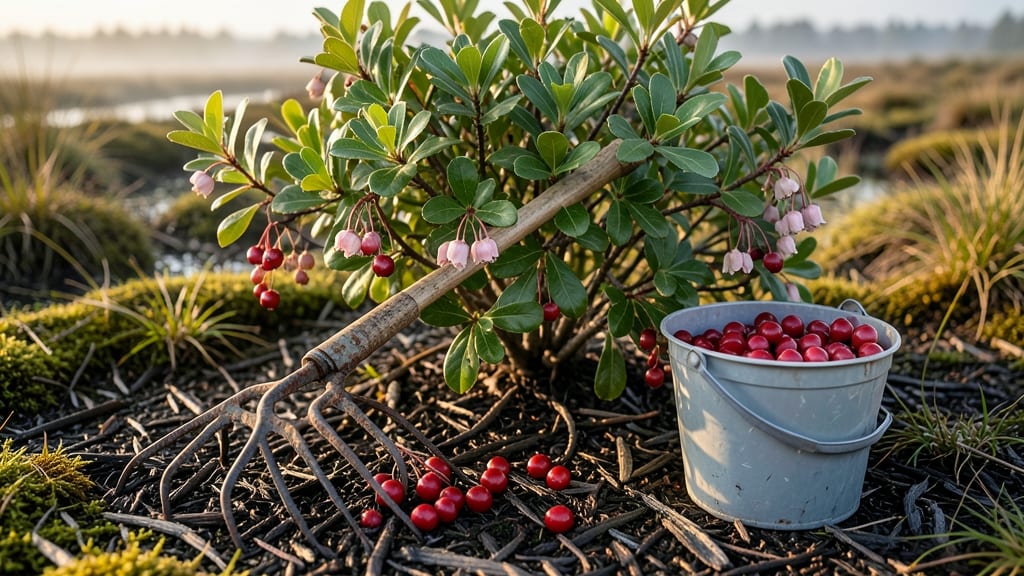
Growing cranberry trees or bushes means year-round purple drama in your landscape—and Ozark conditions don’t stand a chance against these hardy plants. ✨ I’ve grown both varieties in rocky, acidic soil for years, and the secret isn’t just the right pruning—it’s matching their natural habitat to your yard.
The key starts with soil: cranberries demand acidic, well-draining conditions (think peat moss or pine needles mixed into the soil). Plant in full sun, keep them consistently moist, and watch those vibrant berries turn your yard into a fall highlight.
Containers work too—just use a mix with high organic matter and a saucer to hold water.
Pruning in late winter reveals the real magic. Cut back old wood to encourage fresh growth, and you’ll see new shoots bursting by spring. The bushes stay compact, the trees grow sturdy, and both deliver sweet-tart berries that last from fall into winter.
Even in the Ozarks, these plants thrive with the right care.
Whether you’re growing in-ground or in pots, the same rules apply: acidic soil, regular water, and strategic pruning. The payoff? A landscape that stays stunning through every season—no matter where you live.
📚 In This Guide
- What you need
- Instructions
- Tips and common mistakes
- Wrapping up and next steps
What you need
- ● Pruning shears: Bypass pruners (sharp, 6–8" blades) for clean cuts—1 pair (sterilize with rubbing alcohol between cuts!).
- ● Loppers: Bypass or anvil type (16–24" handles) for thicker branches—1 pair.
- ● Hand saw: Pruning saw with 8–10" curved blade for stubborn wood—1.
- ● Gloves: Heavy-duty, cut-resistant (nitrile-coated for grip)—1 pair.
- ● Disinfectant: 70% isopropyl alcohol or 10% bleach solution (1 small spray bottle).
- ● Twine or zip ties: 10–15 ft for securing branches during pruning.
- ○ Marking twine or flags: Colored string or plastic tags to label cuts (optional but helpful!).
- ● Healthy plant: A Vaccinium macrocarpon (cranberry bush) or Vaccinium erythrocarpum (Ozark native) aged 3+ years (younger plants need minimal pruning).
- ● Weather window: Prune on dry, cool days (avoid frost or extreme heat—late winter/early spring is ideal!).
- ● Safety gear: Safety glasses and closed-toe shoes (branches can be heavy!).
- ● Pruning sealant: Tree wound dressing (for large cuts > ½" diameter—1 small tub).
- ● Ladder or step stool: For tall bushes (ensure it’s stable and rated for your weight).
- ● Notebook/pencil: To sketch pruning plans or track growth.
- ● Mulch: Pine straw or shredded leaves (2–3" layer) to protect roots post-pruning.
Step-by-Step instructions for planting and pruning cranberry trees or bushes in the Ozarks
Here's how to establish vibrant cranberry plants that thrive in your region's climate.
🌱 Step 1: Choose and Prepare the Planting Site
Cranberries demand acidic soil with a pH between 4.5 and 5.5—the Ozarks' natural clay is often too alkaline, so amend with 2-3 inches of peat moss mixed into the top 12 inches of soil. Test your soil first using a home kit; if it reads above 6.0, you'll need to add sulfur or pine needles to lower the pH gradually over months.
Select a location with full sun exposure (at least 6-8 hours daily) and consistent moisture—cranberries hate soggy roots but also dry spells. In the Ozarks, this means avoiding low spots where winter water collects. If your yard has heavy clay, raise beds 6-12 inches above grade to improve drainage while keeping roots cool.
🪴 Step 2: Plant Bare-Root or Container-Grown Cranberries
For bush varieties, space plants 4-6 feet apart in rows 6-8 feet apart to allow airflow and future harvesting. Dig holes twice as wide as the root ball but no deeper—cranberries resent being buried too deeply. Gently loosen roots before placing the plant so they spread naturally into the prepared soil.
Mulch immediately after planting with 3-4 inches of pine straw or wood chips (avoid cedar—it's acidic and toxic). Keep mulch 6 inches away from stems to prevent rot. Water deeply right after planting, then maintain 1-2 inches of consistent moisture in the root zone for the first 4-6 weeks—this encourages strong root establishment before summer heat arrives.
✂️ Step 3: Prune for Ozarks-Resistant Structure and Fruit Production
Prune newly planted cranberries in early spring before buds swell, removing 1/3 of the oldest canes at ground level. In established plants, prune annually in late winter to maintain a pyramid shape—this prevents the dense growth that invites fungal diseases common in the Ozarks' humid summers. Always use clean, sharp pruners and sterilize them with rubbing alcohol between cuts.
Here's the key: Remove all dead, diseased, or weak wood first, then thin out crowded canes to improve airflow. Leave 4-6 healthy canes per plant—more than that creates shade and reduces fruit quality. In the Ozarks, where summers are hot and humid, prune aggressively but strategically to balance fruit production with disease resistance.
💧 Step 4: Water and Fertilize for Ozark Conditions
Cranberries need consistent moisture—never let them dry out, but avoid waterlogging. In the Ozarks, drip irrigation is ideal; place emitters 6 inches from the plant base and run them for 15-20 minutes daily during dry spells. If using overhead watering, do it early in the day so foliage dries quickly and fungal spores don't take hold.
Fertilize twice yearly with an acid-loving plant formula (look for high nitrogen in spring, balanced NPK in fall). Apply ½ cup per plant in early spring and again after harvest. In the Ozarks, where rainfall is plentiful but soil nutrients leach quickly, top-dress with compost in late fall to replenish organic matter without altering soil pH.
☀️ Step 5: Protect and Maintain for Year-Round Purple Drama
In the Ozarks, winter protection is critical—young plants need mulch built up to 6 inches in late fall. For tree varieties, wrap trunks with burlap to prevent sunscald. Prune out any winter-killed canes in early spring before new growth begins—these appear as brown, mushy stems rather than the firm, green canes of healthy wood.
Watch for black rot (common in humid Ozark summers) and fruitworms—treat preventively with neem oil in early summer. Harvest when berries turn deep red and easily separate from the stem (usually late September to October in the Ozarks). Leave some unharvested fruit on the plant to ensure next year's crop.
Tips & tricks for Ozark-resistant cranberry care
Here's what nobody tells you about keeping cranberries thriving in the Ozarks' challenging climate.
Soil pH Precision: That 2-3 inches of peat moss in Step 1 isn't just about acidity—it's about creating a sponge-like layer that holds moisture while preventing compaction. In the Ozarks' heavy clay, I've found that adding 1 part sulfur to 10 parts soil (mixed into the top 12 inches) gives you more control than pine needles alone. Test your soil every spring after amending, because even with the right initial pH, rain can wash away amendments over time. The goal is 4.5-5.5—any higher and your plants will struggle to absorb nutrients, no matter how much you fertilize.
Planting Depth Secret: When you're digging those holes in Step 2, resist the urge to bury the root crown too deeply—cranberries hate having their necks covered. The top of the root ball should sit just above soil level after backfilling. I've seen new gardeners bury plants too deeply, which leads to rot and poor growth. After planting, press the soil gently but firmly around the roots to eliminate air pockets, then water immediately to help settle everything. This is especially critical in the Ozarks where our clay soil can be dense and impermeable.
Pruning Strategy for Humid Summers: In Step 3, when you're thinning those crowded canes, aim for an open center that lets sunlight and air circulate freely. The 4-6 healthy canes recommendation isn't arbitrary—it's about creating that pyramid shape where the oldest canes (which produce the sweetest fruit) get maximum sunlight while still having room for new growth. In my experience, Ozark summers' humidity creates the perfect conditions for fungal diseases, so aggressive but strategic pruning is your best defense. Always prune on dry days when tools are clean to minimize disease spread.
Watering Hack for Clay Soil: That 15-20 minute daily watering in Step 4 might seem excessive, but it's essential for breaking through the Ozarks' dense clay. I've found that using soaker hoses placed along the drip line (not at the base) gives more even moisture distribution. The key is to water deeply but infrequently—this encourages roots to grow downward where they'll find more stable moisture. In summer, I often increase to 20-25 minutes every other day to prevent stress, especially during heatwaves when evaporation is high.
Pro Tips for Cranberry Tree Or Bush
- Here's what nobody tells you about keeping cranberries thriving in the Ozarks' challenging climate.
- Soil pH Precision: That 2-3 inches of peat moss in Step 1 isn't just about acidity—it's about creating a sponge-like ...
- Planting Depth Secret: When you're digging those holes in Step 2, resist the urge to bury the root crown too deeply—c...
Frequently asked questions
Got questions about growing and maintaining your cranberry tree or bush? Here are answers to the most common queries to help you keep your Ozark-resistant plant thriving with year-round purple drama!
How often should I prune my cranberry tree or bush?
Prune your cranberry plant twice a year for best results: late winter/early spring (before new growth starts) to shape and remove dead wood, and summer (after fruiting) to encourage bushiness. Avoid heavy pruning in fall—it can stress the plant before winter. Focus on Ozark-specific resilience by thinning crowded branches to improve airflow.
Can cranberry bushes survive harsh Ozark winters?
Yes! Cranberry trees and bushes are hardy to USDA Zones 3-7, making them perfect for Ozark winters. To boost survival, mulch heavily (3–4 inches of straw or wood chips) around the base after the first frost, and avoid late-season pruning, which can expose tender new growth. Water deeply before the ground freezes to prevent root damage.
Why aren’t my cranberry bushes producing fruit?
Low fruit production often stems from over-pruning, poor pollination, or nutrient deficiencies. Ensure you’re leaving enough fruiting wood (older canes) during pruning. If bees are scarce, hand-pollinate with a small brush. Test soil pH (4.5–5.5 is ideal) and amend with sulfur if needed. Patience is key—young plants may take 2–3 years to bear fruit!
What’s the difference between a cranberry tree and a cranberry bush?
Both produce Vaccinium macrocarpon (true cranberries), but their growth habits differ:
- Cranberry bush: Low-growing (<12" tall), sprawling, and perfect for bog gardens or containers. Thrives in wet, acidic soil.
- Cranberry tree: Dwarf varieties (3–6 ft tall) with upright growth, ideal for landscapes or large pots. Needs well-draining, acidic soil with consistent moisture.
Can I grow cranberries in containers if I don’t have a bog?
Use a large container (at least 18" deep) with sphagnum moss or a peat-based mix to mimic bog conditions. Ensure it has drainage holes and keep the soil consistently moist (not soggy). Dwarf cranberry trees like ‘Ben Lear’ or ‘Stevens’ are great choices. Move containers to partial sun in winter if temps drop below 10°F.
What should I do if my cranberry plant gets powdery mildew?
Powdery mildew (white fungal spots) thrives in humid, crowded conditions. Prune immediately to improve airflow, and apply a baking soda spray (1 tsp baking soda + 1 quart water + a drop of soap) every 7–10 days. For severe cases, use neem oil or a fungicide labeled for berries. Prevent recurrence by spacing plants 3–4 feet apart and avoiding overhead watering.
Wrapping up and next steps
Growing a cranberry tree or bush in your Ozark garden isn’t just about adding beauty—it’s about embracing year-round purple drama with minimal fuss!
Whether you’re pruning for health, harvest, or aesthetics, mastering the basics ensures your plant thrives for seasons to come. Now’s the perfect time to roll up your sleeves—grab those shears, revisit your notes, and give your cranberry bush the TLC it deserves! 🌿✂️
Next steps:
- Schedule your pruning sessions (early spring or late winter are ideal!).
- Monitor your bush post-prune for signs of stress or pests.
- Share your progress—tag us in your Ozark garden pics! 📸