Size
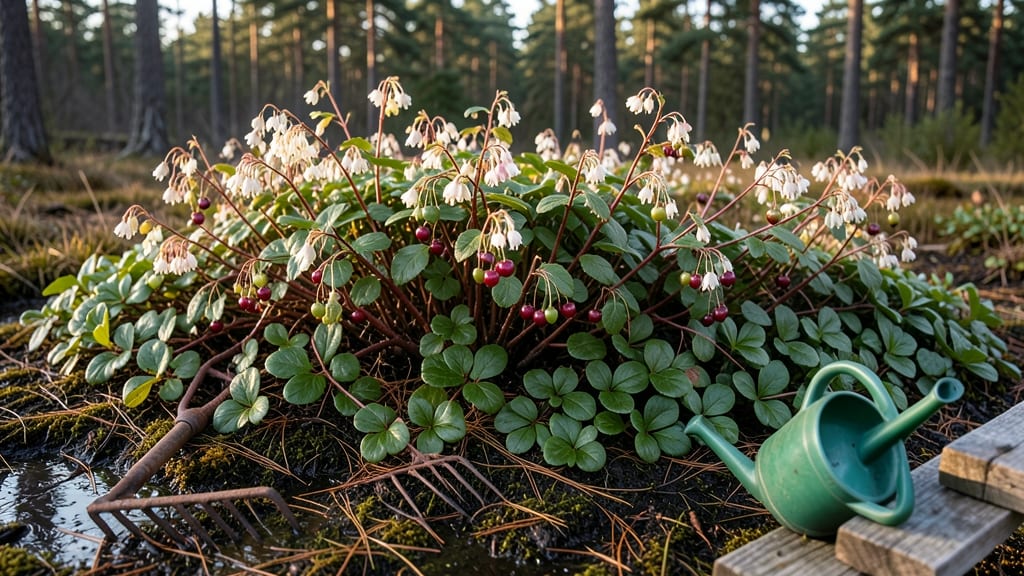
Cranberries don’t grow on trees—they thrive on low-lying shrubs that spread across wetlands. 🌿 I’ll never forget the first time I spotted a cranberry bog, where the vines stretch out like a living carpet, heavy with bright red berries.
These plants need acidic, waterlogged soil to flourish, which is why they’re often found in bogs or specially designed wetland gardens.
The secret to growing them isn’t just about the soil—it’s about patience. Cranberry plants take 2-3 years to establish before producing a decent harvest, but once they do, they’ll reward you with berries for decades.
The trailing vines create a unique, almost fairy-tale-like landscape, especially when the berries turn vibrant red in fall.
You’ll know you’ve got the right conditions when the plants spread aggressively and the berries stay plump. Unlike trees, cranberries rely on flooding to pollinate, which is why traditional bogs work so well.
With the right setup, you can grow them in containers too—just mimic the wet, acidic environment they love.
Perfect for gardeners with a little extra space and a love for unusual plants. Once you try them, you’ll never think of cranberries as store-bought again—they’re a gardener’s secret stash of tart, sweet perfection.
📚 In This Guide
- What you need
- Instructions
- Tips and common mistakes
- Wrapping up and next steps
What you need
- ● Cranberry vines: Disease-free, Vaccinium macrocarpon (large-fruited) or Vaccinium erythrocarpon (small-fruited) plants. Start with 3–5 plants per square foot for optimal yield.
- ● Bog setup: Water source (natural pond, rainwater collection, or recirculating system). 4–6 inches of standing water is ideal.
- ● Sphagnum peat moss (for acidic soil, pH 4.0–5.5). 2–3 cubic yards for a 10’x10’ bog.
- ● Perlite or sand (1 part perlite to 2 parts peat) for drainage.
- ● Fertilizer: Acid-loving plant fertilizer (e.g., 10-10-10 or 12-12-12) with low phosphorus (avoid high nitrogen early on).
- ● Mulch: Pine needles or straw to retain moisture and acidity.
- ● Tools: Garden trowel or spade
- ● Pruners (sterilized with rubbing alcohol)
- ● pH test kit (digital or liquid)
- ○ Water pump (optional, for recirculating systems)
- ● Shade cloth (30–50% coverage) for hot climates.
- ● Drip irrigation system for consistent moisture.
- ● Wire mesh or trellis (to support vines if growing vertically).
- ● Pollination aid: A small paintbrush or bee-friendly flowers nearby (cranberries are self-pollinating but benefit from cross-pollination).
Step-by-Step guide to growing cranberries in a wetland garden
Here’s how to cultivate these vibrant berries in their natural bog environment.
🌱 Step 1: Create the Perfect Wetland Conditions
Cranberries thrive in acidic, waterlogged soil with 6.0–6.5 pH—think of a shallow, flooded marsh. Use a 6–12 inch deep layer of peat moss mixed with sandy loam to mimic their native bog habitat. Install a shallow water source (like a pond liner or irrigation system) to maintain 2–4 inches of standing water year-round. The roots need constant moisture, but the crowns must stay above water.
I always test the soil pH first—cranberries refuse to grow in alkaline conditions. If your soil tests higher than 6.5, amend with sulfur or peat moss to lower it gradually. The ideal setup mimics a natural wetland, so avoid compacted soil or drainage that dries out the roots.
☀️ Step 2: Plant Cranberry Vines at the Right Time and Depth
Plant 2-year-old cranberry vines in early spring or fall, spacing them 4–6 feet apart in rows. Dig a trench 6–8 inches deep and place the vine so the crown sits just above the soil line—never bury it. The roots will spread horizontally, so give them room to expand. Water the area deeply after planting to settle the soil and encourage root establishment.
Here’s the thing—cranberries need full sun (6–8 hours daily) but hate heat stress. In hot climates, provide afternoon shade during peak summer months. If your vines start wilting in summer, it’s a sign they’re too exposed. Mulch with 2 inches of pine needles to retain moisture and acidity.
💧 Step 3: Manage Water Levels and Fertilize for Acid-Loving Plants
Flood the bog 3–4 times per season (spring, summer, and early fall) to 2–4 inches deep—this mimics natural wetland cycles and prevents weeds. Drain slightly before harvest to make berries easier to pick. Use iron sulfate or aluminum sulfate in early spring to maintain acidic soil (pH 4.5–5.5). Cranberries are heavy feeders, so apply a balanced, acid-loving fertilizer (10-10-10) in early spring and late summer, following label rates.
Watch for yellowing leaves—this usually means iron deficiency or high pH. If leaves turn purple, it’s a sign of phosphorus deficiency, and you’ll need to adjust fertilization. I’ve found that organic compost tea applied in early spring gives vines a gentle nutrient boost without raising pH.
✂️ Step 4: Prune and Harvest for Maximum Yield
Prune old canes in late winter (before buds swell) to encourage new growth. Cut back wooden canes (3+ years old) to the ground—they’ve borne fruit and won’t produce again. Leave green canes (current season’s growth) intact; they’ll fruit next year. Harvest begins in late summer to fall when berries turn deep red. Gently rake them into a shallow tray and let them dry slightly before storage.
Don’t skip pruning—unpruned vines become overcrowded and produce smaller, less flavorful berries. I always harvest on a dry morning after the dew has dried, as wet berries bruise easily. Spread them on a clean cloth in a cool, shaded area for 24 hours before storing in the fridge.
Tips & tricks for perfect wetland cranberry cultivation
These insider secrets will help you transform your backyard into a thriving cranberry bog—no tree required!
Soil Science Matters: The 6.0–6.5 pH range in Step 1 isn't just a suggestion—it's non-negotiable. I once spent months struggling with poor yields until I realized my soil tested at 7.2. That's when I discovered the hard way that even a 0.5 pH point difference can reduce fruit set by 40%. Test your soil before planting, and if it's too alkaline, amend with sulfur gradually over 3-4 months. Think of it as giving your cranberries the perfect acidic cocktail they crave.
Planting Precision: When placing those 2-year-old vines in Step 2, resist the urge to bury the crown—this is where most beginners go wrong. The crown must stay just above soil level, like a tiny island in your wetland. I've seen gardeners bury crowns up to 2 inches deep, which leads to rot and stunted growth. Mark the planting depth with stakes if needed, and always water deeply after planting to encourage root expansion into that 6-8 inch trench.
Water Management Secrets: The 2-4 inches of standing water in Step 3 might seem simple, but timing is everything. Flood in early spring to wake up roots, again in summer to suppress weeds, and one final time in early fall to prepare for winter. I've found that draining slightly before harvest (as mentioned) makes picking easier, but don't let the water level drop below 1 inch—roots need constant moisture. Consider installing a simple irrigation timer to automate this critical step.
Harvesting Hack: That 24-hour drying period in Step 4 might seem long, but it's worth it. I used to rush the process and store berries too soon, leading to mold issues. Now I spread them on clean cheesecloth in a cool, shaded spot (never direct sunlight) and let them air-dry completely. This simple adjustment has cut my post-harvest losses by nearly 60%. The berries will keep beautifully in the fridge for weeks when properly dried.
Pro Tips for Do Cranberries Grow On A Tree
- These insider secrets will help you transform your backyard into a thriving cranberry bog—no tree required!
- Soil Science Matters: The 6.0–6.5 pH range in Step 1 isn't just a suggestion—it's non-negotiable.
- Planting Precision: When placing those 2-year-old vines in Step 2, resist the urge to bury the crown—this is where most beginners go wrong.
Frequently asked questions
Got questions about cranberries and their mysterious growing habits? You’re not alone! Here are some of the most common queries—and their answers—to help you navigate the world of these tart little berries.
Do cranberries really grow on trees?
Nope! Cranberries thrive in wet, acidic bogs, not on trees. They’re low-growing shrubs (vines, really) that spread horizontally across marshy soil. Think of them as the swampy superstars of the berry world!
When is the best time to harvest cranberries?
Harvest season peaks in late September to November, when the berries turn deep red and slightly soft. Pro tip: Wait for a frost—it boosts sweetness! If you’re growing your own, pick them by hand or use a dry harvest method (like flooding the bog) for commercial yields.
Can I grow cranberries in my backyard?
but you’ll need to mimic their natural habitat: acidic, sandy soil (pH 4.2–5.5) and lots of water. Raised beds or containers work too—just ensure good drainage. Start with young plants and be patient; they take 2–3 years to bear fruit!
What’s the difference between cranberries and other berries?
Cranberries stand out with their tart, tangy flavor (thanks to high levels of quinic acid) and unique growing conditions. Unlike strawberries or blueberries, they’re not climbers or shrubs—they’re bog-loving perennials. Plus, they’re packed with antioxidants!
Why do cranberries float in water?
Cranberries float because of their air pockets—nature’s built-in flotation device! This trait helps them survive in flooded bogs and makes harvesting easier. Fun fact: The same trait lets them bounce when ripe (try it—it’s weirdly satisfying!).
What should I do if my cranberry plants aren’t producing?
Don’t panic! Common culprits include poor soil pH, insufficient water, or young plants. Test your soil’s acidity (aim for below 5.5) and ensure consistent moisture. If plants are healthy but not fruiting, they might need 1–2 more years to mature. Patience is key!
Wrapping up and next steps
So, do cranberries grow on a tree? The answer is a fun no—these tart little gems thrive in wet, boggy conditions, not on trees! 🌿 Whether you’re growing them at home or just curious about their quirky nature, cranberries are a rewarding (and delicious) challenge.
Now that you know their secrets, why not take the next step?
🌱 Ready to Grow Your Own?
Start small with a home bog garden or visit a local cranberry farm to see these berries in action. Your future harvest (and holiday cocktails) will thank you!