
Pruning
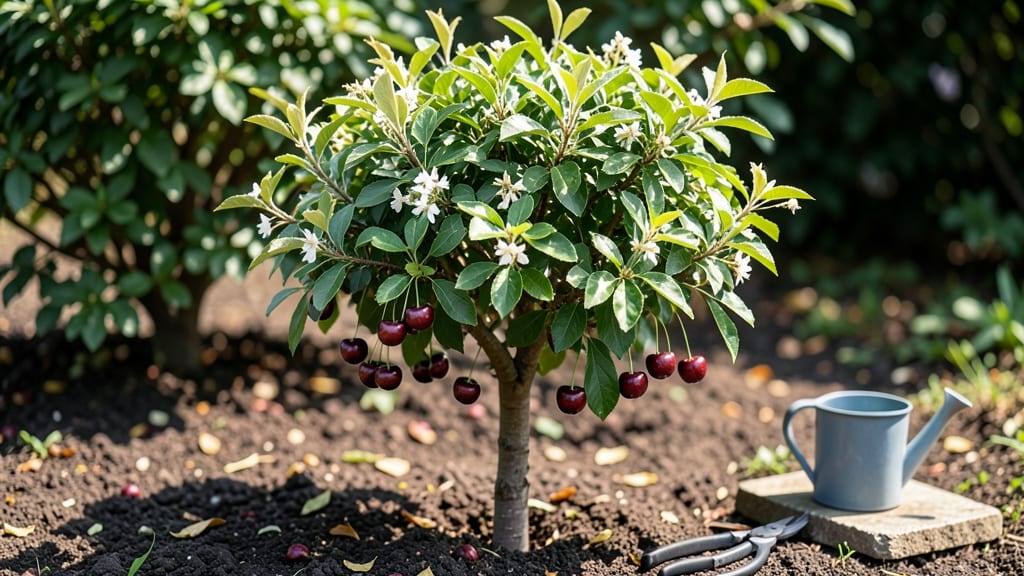
The dwarf Montmorency cherry tree is the Pacific Northwest gardener’s secret weapon for sweet-tart fruit and winter interest—if you prune it right. 🌿 I’ve watched mine survive subzero winters and still produce buckets of cherries, but it took learning the year-round pruning rhythm that keeps it compact and productive.
The key isn’t just cutting branches; it’s understanding when to encourage new growth, when to open the canopy for sunlight, and how to prevent winter damage before it starts.
This little powerhouse thrives in USDA zones 4-7, where cold snaps would kill full-size cherries. You’ll need well-draining soil (amend with compost if yours is heavy clay), 6+ hours of sun daily, and a spot sheltered from harsh winds.
The dwarf variety stays under 10 feet tall, making it perfect for small yards or even large containers—just plant it in a 15-gallon pot with drainage holes if space is tight. Water deeply once a week after establishment, but avoid soggy roots.
By late winter, you’ll see the payoff: vibrant pink blossoms in spring that turn into tart-sweet cherries by summer. The tree’s dark green foliage adds year-round structure, and its cold-hardy nature means you can harvest into early fall.
Prune correctly, and you’ll get heavier crops while keeping the tree manageable—no ladder required. The secret? A sharp pair of pruners and knowing exactly when to make each cut.
Whether you’re growing for fruit, ornamental value, or both, this tree delivers. The cherries are perfect for jams, pies, or fresh snacking, while the tree’s compact size makes it a standout in any landscape.
Let’s get into the pruning schedule that keeps yours thriving through every season—including winter, when most fruit trees take a nap.
📚 In This Guide
- What you need
- Instructions
- Tips and common mistakes
- Wrapping up and next steps
What you need
- ● Pruning shears: Bypass pruners (sharp, 4-6 inch blades) – 1 pair (sterilized with rubbing alcohol or bleach solution).
- ● Loppers: 8-10 inch bypass loppers for thicker branches – 1 pair.
- ○ Pruning saw: Curved-tooth saw for 1+ inch branches – 1 (optional but helpful for stubborn cuts).
- ● Gloves: Heavy-duty, cut-resistant (e.g., mechanic’s gloves) – 1 pair.
- ● Disposable pruning bags: 10-20 gallon capacity – 2-3 bags (for debris disposal).
- ● Rubbing alcohol (70%+) or bleach solution: 1:10 dilution (for sterilizing tools) – small bottle.
- ○ Tree wound paint or pruning sealant: (optional, for cuts > ½ inch) – 1 small jar.
- ● Ladder or step stool: Sturdy, 6+ ft reach – 1 (if tree exceeds 6 ft).
- ● Weather check: Prune on a dry, cloudy day (avoid frost or extreme heat).
- ○ Safety gear: Safety glasses (optional but recommended).
- ● Tree health assessment: Inspect for diseased or dead branches (remove immediately).
- ● Pruning plan: Sketch a rough outline of cuts (focus on open center or modified central leader shapes for Montmorency cherries).
Step-by-step pruning plan for your dwarf Montmorency cherry tree
Mastering seasonal pruning transforms this hardy tree into a prolific fruit producer.
✂️ Step 1: Late Winter Pruning (Before Bud Break)
This is your most critical pruning window—timing matters. Wait until late February or early March when temperatures hover around 35-45°F, but before buds begin swelling. You're shaping the tree's structure while it's dormant, so you won't stress the plant.
Start by removing dead, diseased, or crossing branches first—these are your priority. Use sharp pruning shears to make clean cuts just outside the branch collar (that swollen area where the branch meets the trunk). I always sanitize my tools with rubbing alcohol between cuts to prevent spreading any potential pathogens.
Next, open up the center of the tree by removing suckers (vigorous shoots growing from the base or trunk) and water sprouts (vertical shoots growing from the trunk or scaffold branches). These compete with fruit production. Aim to create an open vase shape that allows light and air circulation to reach all parts of the tree.
☀️ Step 2: Summer Pruning (June-July)
Light summer pruning maintains shape and encourages fruit production. Wait until after the June drop (when the tree naturally sheds excess fruit) but before mid-July, when new growth hardens off for winter. This is when you'll see the tree's true form emerge.
Focus on thinning out overcrowded branches—look for clusters where branches are growing too close together. Remove the smaller, weaker branch at its point of origin. You're creating space for remaining branches to develop stronger structure and better fruit set. Never remove more than 25% of the tree's foliage in one session.
Here's the thing—Montmorency cherries produce fruit on both old wood and new growth. So while you're pruning, keep an eye out for sucker growth that might have appeared since winter. These need removal to direct the tree's energy toward established branches rather than new shoots that won't bear fruit.
⏰ Step 3: Post-Harvest Pruning (Late August-September)
After your cherry harvest, give your tree a final trim to prepare it for winter. Wait until after leaf drop but before hard frosts—typically late August to early September in the Pacific Northwest. This timing helps the tree heal before cold weather sets in.
Your focus now shifts to removing any remaining dead or diseased wood that might have appeared during the growing season. Also prune out any shoots that grew too vigorously after summer pruning. These would have competed with fruit production but now have served their purpose.
This is also when I make any final structural adjustments—perhaps shortening branches that grew too long during the season or shaping the tree to maintain that open vase form. Remember, you're not just pruning for next year's fruit—you're preparing the tree to withstand winter's cold while maintaining its vigor.
🌿 Step 4: Winter Protection (December-February)
While not traditional pruning, winter protection is crucial for your cold-resistant Montmorency. After the first hard frost but before snowfall, wrap the trunk with tree wrap (available at garden centers) to protect against sunscald and rodent damage. This is particularly important for young trees.
For the first two winters, consider adding a lightweight burlap wrap around the entire tree to protect against extreme cold snaps. Remove it in early spring before bud break. This protection helps maintain the tree's energy reserves for next year's fruit production.
I know it seems counterintuitive to do anything in winter, but this small effort pays off dramatically. Your tree will enter dormancy stronger, emerge earlier in spring, and produce more abundant fruit. Think of it as giving your tree a cozy winter jacket—it's not pruning, but it's just as important for long-term health.
Tips & tricks for perfect dwarf Montmorency cherry tree pruning
Here's what nobody tells you about keeping your cherry tree thriving year after year.
Branch Collar Precision: When making cuts in Step 1, focus on the branch collar—the swollen area where the branch meets the trunk. This is where the tree's natural healing begins. Cutting flush with the trunk creates wounds that heal poorly and invites disease. I use a small paint mark to identify the collar before making my cut, especially with smaller branches where it's harder to see.
Seasonal Timing Nuances: The specified temperature range of 35-45°F in late winter is ideal, but don't stress if you're a week early or late. The key is avoiding bud swell—test by gently pressing a bud. If it feels firm, you're good; if it's starting to plump up, wait a few days. In the Pacific Northwest's variable climate, this can mean the difference between successful pruning and stressing your tree.
Tool Sanitization Secret: Between every cut, especially when dealing with diseased wood, I don't just wipe my pruning shears—I use a 70% isopropyl alcohol solution and let it air dry completely. This prevents cross-contamination between branches. For larger pruning jobs, I keep a small spray bottle of diluted alcohol handy. The extra 30 seconds per cut saves you from potential tree-wide infections later.
Structural Balance Check: After your summer pruning in Step 2, step back and look at your tree from all angles. The goal is to create a balanced vase shape where light can reach all branches. If one side looks heavier, you may need to redistribute cuts. I often use a string line technique—tie a string between two branches and adjust cuts until the string represents your ideal symmetrical shape.
Pro Tips for Dwarf Montmorency Cherry Tree
- Here's what nobody tells you about keeping your cherry tree thriving year after year.
- Branch Collar Precision: When making cuts in Step 1, focus on the branch collar—the swollen area where the branch meets the trunk.
- Seasonal Timing Nuances: The specified temperature range of 35-45°F in late winter is ideal, but don't stress if you're a week early or late.
Frequently asked questions
When is the best time to prune my dwarf Montmorency cherry tree in winter?
Prune your tree during its dormant season—typically late winter (February–March) in the PNW—before buds swell but after harsh freezes. Avoid pruning in fall, as it can expose wounds to fungal diseases like silver leaf fungus. Aim for 5–10% of the tree’s canopy per year to maintain shape and airflow.
How cold-hardy is this tree, and do I need extra protection?
The dwarf Montmorency cherry tolerates USDA Zones 4–7, making it ideal for the PNW. However, young trees or extreme cold snaps (<10°F) may benefit from burlap wraps or tree guards. Focus on pruning to improve sunlight exposure—more light = faster warming in spring!
Can I prune for fruit production, or is it just about shaping?
Yes! Prune to open the canopy—remove suckers, dead wood, and crossing branches to boost airflow and sunlight, which directly improves fruit quality. Thin out excessive fruit clusters in late spring (after blooms) to prevent overburdening branches. Pro tip: Cut back 1/3 of last year’s growth annually to encourage new, productive wood.
What if my tree isn’t fruiting? Common fixes?
If your tree skips fruit, check these fixes:
- Age: Dwarf Montmorency trees may take 2–4 years to bear fruit.
- Pollination: Plant a second tree (even a different variety) within 50 feet for cross-pollination.
- Pruning errors: Over-pruning weakens the tree—stick to light annual cuts.
- Nutrients: Test soil for low nitrogen or zinc (common in PNW clay soils).
Try a balanced fertilizer in early spring if growth is slow.
Should I avoid pruning in wet PNW winters?
Yes! Prune on dry, frost-free days (even in winter) to prevent bacterial canker or fungal infections. If rain is forecasted within 24 hours, delay pruning. Use sterilized tools (rubbing alcohol or bleach solution) and seal cuts with pruning paint (optional but helpful in humid climates).
Wrapping up and next steps
The dwarf Montmorency cherry tree is a fantastic choice for Pacific Northwest gardeners—packing cold-hardy resilience, year-round productivity, and compact charm into one low-maintenance package. 🌿 With the right pruning blueprint, you’ll enjoy abundant tart cherries while keeping your tree healthy and thriving for decades.
Now that you’re armed with the seasonal pruning secrets, it’s time to roll up your sleeves and give your tree the care it deserves!
Your next step? Mark your calendar for the upcoming dormant season (late winter) and grab those pruners—your future harvests will thank you! 🍒✨