Pruning
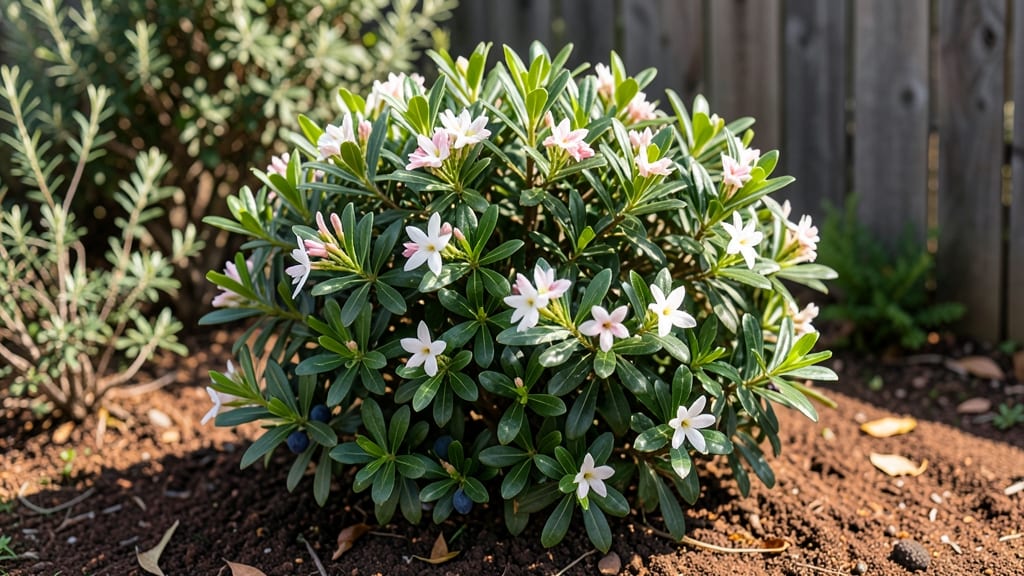
Pruning your flowering myrtle tree (Lagerstroemia indica) isn’t just about shaping its branches—it’s the secret to year-round blooms that make your garden smell like a summer sunset.
I’ve pruned these trees for over a decade, and the difference between a pruned and unpruned myrtle is like night and day: one stays lush and flowering, the other gets leggy and sparse.
The key is timing and technique. You’ll need basic pruning tools—a sharp pair of shears, gloves, and a ladder if your tree is tall—and just four simple cuts to revive growth.
Most gardeners overthink it, but myrtles are forgiving: they reward bold pruning with dense foliage and nonstop flowers. Even in winter, when others are dormant, a well-pruned myrtle keeps showing off.
By spring, you’ll see new shoots bursting with vibrant green leaves and clusters of fragrant blooms in shades of pink, purple, or white. The tree’s natural shape returns, pests stay away, and you’ll have a showstopper that neighbors will envy.
The best part? This method works whether your myrtle is young or mature, in containers or planted in the ground.
Ready to transform your tree? We’ll walk through the exact cuts to make—when to do them, where to stop, and how to avoid common mistakes that leave myrtles looking sad. No green thumb required, just a willingness to get your hands dirty.
📚 In This Guide
- What you need
- Instructions
- Tips and common mistakes
- Wrapping up and next steps
What you need
- ● Pruning shears – Bypass shears (8-10”) for clean cuts on small branches.
- ● Loppers – 16-24” for thicker branches (2-4” diameter).
- ○ Pruning saw – For branches 4”+ in diameter (optional but handy for mature trees).
- ● Disinfectant (70% isopropyl alcohol or bleach solution) – 1 part bleach to 9 parts water to sterilize tools.
- ● Garden gloves – Heavy-duty, cut-resistant for protection.
- ○ Pruning sealant (optional) – For large cuts (1”+ diameter) to prevent disease.
- ● Bucket or bag – For collecting debris (10+ gallon capacity).
- ● Ladder or step stool – Sturdy, extendable (if tree is 6’+ tall).
- ● Know your tree’s age: Young trees (light shaping; mature trees may need rejuvenation cuts.
- ● Check the weather: Prune on a dry, cloudy day to reduce stress on the tree.
- ● Gather inspiration: Sketch or take photos of your tree’s current shape before cutting.
- ● Safety first: Wear eye protection and avoid pruning near power lines.
Step-by-Step guide for pruning flowering myrtle trees
Here's the straightforward approach I've used for years to keep my flowering myrtle trees blooming beautifully all season.
Clean Up Winter Damage in Early Spring
Start your pruning in late winter or early spring before new growth begins. Look for dead, broken, or crossing branches first—these are your priority. I grab my pruning shears and make clean cuts just outside the branch collar, where the branch meets the trunk. This ensures the tree heals properly and prevents disease from entering the wound.
Remove any branches that are rubbing against each other or growing inward. These compete for energy and can weaken the tree's structure. You'll know you're doing it right when the canopy opens up and sunlight reaches the center of the tree. This is also the time to trim back any overly long branches that grew during the previous season—cut them back to a strong outward-facing bud to encourage fuller growth.
Shape the Tree for Better Airflow and Bloom
Once the spring flush of new growth is about 6-8 inches long, it's time to shape the tree. I focus on maintaining an open, vase-like shape by selectively pruning branches that are growing too close together or blocking light from the center. Flowering myrtles bloom best when they receive plenty of sunlight, so aim to create a balanced, rounded form.
Use your pruning shears to trim back any branches that are growing straight up—these are called "water sprouts" and they take energy away from flowering. Cut them back to a side branch or bud that grows outward. You'll notice the tree starts to look fuller and more symmetrical as you work. Avoid removing more than 25% of the tree's foliage in one session to prevent stress.
Encourage Summer Blooms with Light Pruning
After the first flush of flowers appears in late spring or early summer, give your tree a light trim to promote another round of blooms. Focus on deadheading spent flowers by cutting just above a set of healthy leaves or buds. This encourages the tree to produce more flowers instead of focusing on seed production.
I also check for any branches that are growing too long or leggy. Trim these back by about one-third to encourage bushier growth. You'll see new shoots forming within a few weeks—this is your tree's way of responding to the pruning. Avoid heavy pruning during the summer, as this can stress the tree and reduce flowering.
Light Pruning in Fall to Prepare for Winter
In late fall, after the tree has finished blooming for the season, do a final light pruning to clean up any remaining dead or diseased branches. This helps the tree enter dormancy in good shape. I also remove any suckers—those small shoots growing at the base of the tree—that can drain energy from the main structure.
Keep your cuts clean and angled just outside the branch collar. You won't need to do much here—just a little tidying up to make sure the tree looks neat and healthy going into winter. This final pruning ensures your flowering myrtle will have a strong start in the spring and continue producing beautiful blooms year after year.
Tips & tricks for perfect flowering myrtle tree pruning
Here's what I've learned after years of keeping my flowering myrtles thriving—these simple tricks make all the difference.
Timing is Everything: The late winter/early spring timing in Step 1 is crucial because that's when your tree is just waking up from dormancy. Pruning too early can damage new buds trying to form, while waiting too long risks removing next year's flowers. I always check for swollen buds—if they're still tight, it's safe to prune.
Branch Collar Matters: When you make those clean cuts in Step 1, focus on the branch collar—the swollen area where the branch meets the trunk. Cutting just outside this collar (about 1/8 inch) prevents the wound from sealing improperly, which can lead to disease. I use a sharp pruning saw for larger branches and hand pruners for smaller ones—never tear branches off.
Visual Cues for Summer Pruning: In Step 3, when you're deadheading spent flowers, look for the first set of leaves below the flower cluster. Cut just above that point—this is where new blooms will form. For leggy branches, trim back to a strong outward-facing bud rather than just cutting randomly. You'll know you're doing it right when you see fresh green growth appearing within 2-3 weeks.
Seasonal Stress Prevention: Remember that 25% foliage limit in Step 2? That's not just a suggestion—it's a rule. Removing more than that can shock your tree, especially in summer when it's already working hard to produce flowers. I spread my pruning across all four seasons to avoid overstressing the tree at any one time.
Pro Tips for Flowering Myrtle Tree
- Here's what I've learned after years of keeping my flowering myrtles thriving—these simple tricks make all the difference.
- Timing is Everything: The late winter/early spring timing in Step 1 is crucial because that's when your tree is just waking up from dormancy.
- Branch Collar Matters: When you make those clean cuts in Step 1, focus on the branch collar—the swollen area where the branch meets the trunk.
Frequently asked questions
Got questions about keeping your flowering myrtle tree looking its best with pruning? Here are some common concerns—and their answers—to help you maintain vibrant blooms year-round!
When is the best time to prune a flowering myrtle tree for maximum blooms?
The ideal time to prune is right after flowering (late spring to early summer). This ensures you don’t cut off next year’s buds, which form on old wood. For light shaping, you can also prune lightly in early fall—but avoid heavy cuts during winter or early spring.
Can I prune my flowering myrtle tree too much? What are the signs?
Yes! Over-pruning can stress the tree, leading to fewer blooms or even leaf drop. Signs include sparse foliage, weak growth, or no flowers. Stick to removing no more than 25% of the canopy per year and avoid "topping" (cutting back to a flat top).
How do I encourage more flowers on my flowering myrtle tree?
To boost blooms, prune strategically—focus on dead, diseased, or crossing branches first. Thin out dense areas to improve airflow, and fertilize lightly in early spring with a balanced, slow-release fertilizer (10-10-10). Water deeply but avoid soggy soil, as myrtles hate "wet feet."
What if my flowering myrtle tree isn’t blooming at all? Could it be pruning-related?
Possible causes include over-pruning (cutting back too aggressively), nutrient deficiency, or poor sunlight. If you’ve pruned heavily in the past, give it a year to recover. Check for yellow leaves (nitrogen deficiency) or pale foliage (phosphorus deficiency) and adjust care. Most myrtles need full sun (6+ hours daily) to bloom.
Are there alternatives to pruning if my flowering myrtle tree is small or delicate?
For small or sensitive myrtles, focus on minimal shaping—just remove dead wood, suckers, or wayward branches with clean cuts. Use sharp bypass pruners for precision, and avoid heavy-handed cuts. If the tree is young (<3 years old), skip pruning entirely unless necessary for safety (e.g., branches near power lines).
Still unsure? Snap a photo of your tree’s current state and compare it to healthy examples—often, the fix is simpler than you think!
Wrapping up and next steps
Your flowering myrtle tree is now primed for a stunning year-round display—all thanks to those four simple cuts! 🌸 Pruning isn’t just about shaping; it’s about unlocking your tree’s full potential, ensuring vibrant blooms and lush foliage.
With the right tools, timing, and technique, you’ve got everything you need to keep your myrtle thriving.
Ready to put your new skills into action? Grab your pruners, pick a sunny day, and give your tree the care it deserves. Watch it bloom with gratitude—and maybe even share your success with fellow plant lovers! 🌿✨