Flowers
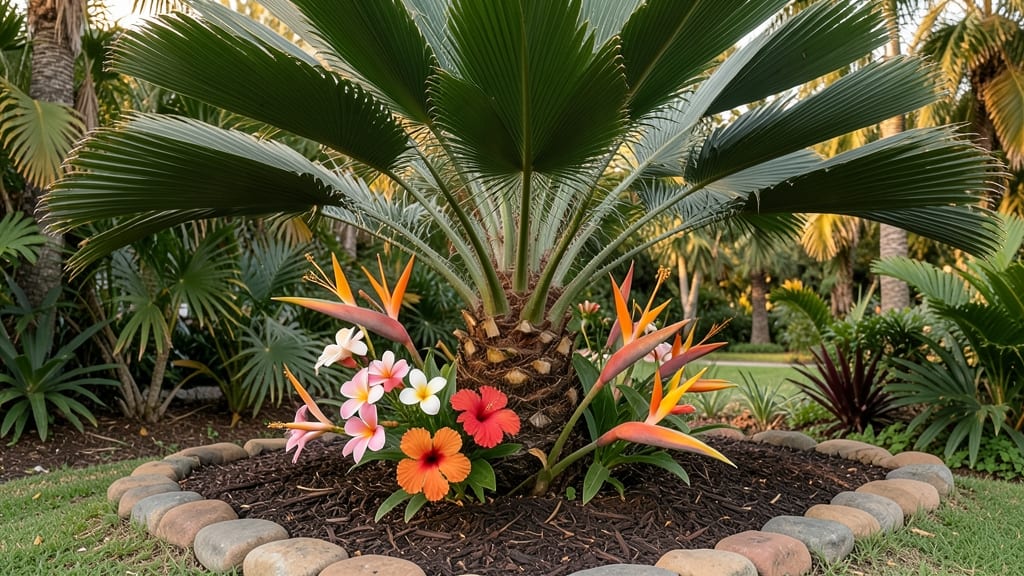
Creating a tropical paradise with flowers around your palm tree transforms any yard into a sun-drenched escape. ✨ The right plants—like hibiscus, bird of paradise, and plumerias—thrive in the same warm climates where palms flourish, creating a cohesive look that feels intentional, not forced.
Start with sun-loving perennials that match your palm’s height and spread. Dwarf bird of paradise stays compact, while trailing lantana adds vibrant color without overwhelming the tree. Space them 3-5 feet apart for airflow and easy maintenance—critical for keeping both palms and flowers healthy.
By summer, you’ll have a lush, fragrant border that blooms continuously. The velvety leaves of agave contrast beautifully with palm fronds, while hibiscus adds bold pops of red or yellow. This combo works in zones 9-11, but even cooler climates can try heat-tolerant varieties in containers.
Low-maintenance is the key—mulch to retain moisture, water deeply but infrequently, and prune spent blooms to encourage new growth. The result? A year-round tropical vibe that requires minimal effort but maximum impact.
📚 In This Guide
- What you need
- Instructions
- Tips and common mistakes
- Wrapping up and next steps
What you need
- ● Palm tree: 1 mature or young palm (e.g., Areca, Kentia, or Majesty Palm), 3–10 ft tall, depending on your space.
- ● Tropical flowers: Choose 5–10 plants from these low-maintenance picks: Bird of Paradise (Strelitzia nicolai) – 1–2 plants
- ● Plumeria (Frangipani) – 2–3 plants (for fragrance!)
- ● Hibiscus (Hibiscus rosa-sinensis) – 3–5 plants (bright colors!)
- ● Bromeliads (e.g., Aechmea) – 3–5 plants (dramatic foliage)
- ● Orchids (e.g., Dendrobium) – 2–4 plants (elegant & drought-tolerant)
- ● Heliconias (Heliconia) – 2 plants (tropical vibes!)
- ● Soil: 1–2 bags of well-draining tropical potting mix (or amend garden soil with perlite/peat moss for pots).
- ● Containers (if potted): 3–5 large pots (12–18" diameter) with drainage holes.
- ● Garden tools: Trowel or small shovel
- ● Pruning shears
- ○ Gloves (optional but recommended!)
- ● Mulch: 1 bag of pine bark or coconut coir (to retain moisture).
- ● Fertilizer: Slow-release palm/flower fertilizer (e.g., 10-10-10 NPK ratio).
- ● Watering can or hose with nozzle (for gentle watering).
- ○ Stakes & ties (optional): For young palms or windy areas.
- ○ Decorative elements (optional): Solar-powered lights
- ● Tropical-themed statues or wind chimes
- ● Pebbles or river rocks for ground cover
- ● ✅ Sunlight: A spot with 6+ hours of direct sun (or partial shade for delicate flowers like orchids).
- ● ✅ Climate: USDA Zones 9–11 (or containers for colder zones—bring indoors in winter!).
- ● ✅ Space: At least 3–5 feet of clearance around the palm for airflow.
- ● ✅ Water source: Access to water for deep, weekly watering (adjust for rain).
How to design a stunning flower bed around your palm tree
Here's how to create a tropical oasis that complements your palm's natural beauty.
🌱 Step 1: Choose Complementary Tropical Flowers
Select plants that thrive in the same conditions as your palm—think bright sunlight, well-draining soil, and moderate water. I recommend bird of paradise, hibiscus, or plumeria for bold tropical impact, while ginger lilies and heliconias add lush texture. Avoid anything with aggressive roots that could compete with your palm.
Space your flowers 12-18 inches apart for mature size, allowing room for growth without overcrowding. Group similar plants together for a cohesive look—tall flowers behind, mid-height plants in the middle, and spreading ground covers like caladiums or ferns in front. This creates visual layers that frame your palm beautifully.
🪴 Step 2: Prepare the Soil for Drainage and Nutrition
Palms hate soggy roots, so amend the soil with 3-4 inches of coarse sand or perlite mixed into the top 12 inches of native soil. This prevents waterlogging while still providing nutrients. I also add 2-3 inches of compost to feed the flowers without smothering the palm's root system.
Test the soil pH—most tropical flowers prefer slightly acidic to neutral (6.0-7.0). If your soil is alkaline, mix in sulfur or peat moss to adjust. Avoid heavy mulch near the palm trunk; instead, create a 3-foot-wide ring around the base where flowers will thrive without competing for water.
☀️ Step 3: Plant with Strategic Spacing and Light
Dig holes twice as wide as the root ball but only as deep as the container. Gently remove plants from pots, tease the roots outward, and place them so the top of the root ball sits level with the ground. This prevents crown rot in tropical plants.
Position taller flowers on the north side of the palm to avoid shading smaller plants. If your palm provides partial shade, choose shade-tolerant flowers like ginger lilies or caladiums for the inner circle. Water deeply after planting to settle the soil, then let it dry slightly before watering again—this prevents root suffocation.
💧 Step 4: Water and Mulch for Long-Term Health
Water deeply 2-3 times per week in hot climates, aiming for 1-1.5 inches of water per session. Let the top 2 inches of soil dry between waterings to encourage strong root growth. I use drip irrigation to avoid wetting leaves, which reduces fungal diseases in tropical flowers.
Apply a 2-inch layer of mulch (like pine bark or coconut coir) around the flowers, keeping it 6 inches away from the palm trunk. This retains moisture, suppresses weeds, and adds organic matter as it breaks down. Replenish mulch every 3-4 months to maintain its benefits.
✂️ Step 5: Prune and Maintain for Year-Round Bloom
Deadhead spent blooms weekly to encourage continuous flowering in hibiscus and plumeria. Trim leggy stems back by one-third in early spring to promote bushier growth. For bird of paradise, cut back old flower stalks after they brown to make room for new ones.
Fertilize every 6-8 weeks with a balanced, slow-release fertilizer (10-10-10 or 8-3-9). Avoid high-nitrogen fertilizers—they encourage leafy growth at the expense of flowers. If your palm is slow-growing, reduce fertilizer applications to prevent competition for nutrients.
Tips & tricks for perfect flower beds around palm trees
Transforming your palm tree's base into a vibrant tropical display takes more than just planting—here's how to elevate your design with intentional techniques.
Layering for Visual Impact: The 12-18 inch spacing recommendation isn't just about growth—it's about creating visual depth. For maximum impact, place your tallest flowers like bird of paradise directly behind the palm trunk, then work downward with mid-height plants like hibiscus, and finally ground covers like caladiums in the front. This creates a natural stair-step effect that draws the eye upward, making your palm appear even more majestic. Think of it as a living frame that highlights your palm's natural beauty.
Soil Science Matters: When amending that top 12 inches of soil with 3-4 inches of coarse sand or perlite, don't just mix it in—create a textured profile. The top 4 inches should be your sand-perlite mixture for drainage, while the bottom 8 inches can contain more compost-rich soil. This layered approach mimics natural tropical soil profiles and prevents waterlogging at the roots while still providing nutrients where they're needed most.
Seasonal Plant Rotation: While the recommended flowers thrive year-round, consider seasonal accents to keep your display dynamic. In summer, add heat-loving annuals like canna lilies for bold color, then replace them in fall with cooler-season bloomers like impatiens. This rotating strategy maintains your tropical aesthetic while giving you fresh visual interest without disrupting your palm's established root zone.
Pruning Precision: That weekly deadheading for hibiscus and plumeria isn't just about looks—it's a growth hack. Use clean, sharp pruners and cut just above a leaf node at a 45-degree angle. For bird of paradise, wait until stalks turn completely brown before cutting—this ensures you're not removing next season's blooms. The key is to prune in the morning when plants are hydrated, which reduces stress on your tropical beauties.
Pro Tips for Flowers Around Palm Tree
- Transforming your palm tree's base into a vibrant tropical display takes more than just planting—here's how to elevat...
- Layering for Visual Impact: The 12-18 inch spacing recommendation isn't just about growth—it's about creating visual ...
- Soil Science Matters: When amending that top 12 inches of soil with 3-4 inches of coarse sand or perlite, don't just ...
Frequently asked questions
What are the best low-maintenance flowers to plant near a palm tree?
Opt for drought-tolerant, sun-loving blooms like bougainvillea, plumbago, or bird of paradise. These thrive in sandy soil and require minimal watering once established. Avoid heavy mulch near the palm’s base—stick to 2–3 inches to prevent root rot.
How long does it take for flowers to grow around a palm tree?
Most annuals bloom in 6–12 weeks, while perennials like hibiscus or allamanda may take 3–6 months. Palm trees themselves grow slowly (1–2 feet per year), so focus on fast-growing flowers for instant impact. Patience pays off—tropical gardens mature beautifully over time!
Can I plant flowers around a palm tree in a hot, dry climate?
Choose native or adapted species like blanket flower or desert marigold for arid zones. Water deeply but infrequently (1–2 times per week) to encourage deep root growth. Group plants with similar water needs to simplify care.
Will flowers compete with my palm tree for nutrients?
Not if you plan ahead! Space flowers 3–5 feet from the palm’s trunk to avoid root competition. Use a slow-release fertilizer (like 10-10-10) in early spring for both plants. Mulch lightly with palm-safe options like pine bark to retain moisture without smothering roots.
How can I add color without overwhelming the palm tree’s natural look?
Stick to a monochromatic palette (e.g., pinks and purples) or mimic nature’s layers: tall canna lilies in back, medium impatiens in the middle, and trailing petunias at the front. Avoid overcrowding—aim for 6–8 flower types max for a balanced, tropical feel.
Wrapping up and next steps
Creating a tropical paradise with flowers around a palm tree is all about embracing nature’s beauty while keeping it low-maintenance and stunning. Whether you’re drawn to vibrant hibiscus, fragrant plumeria, or lush ferns, the right plants will turn your yard into a serene escape. 🌺
Now that you’re armed with the best flowers, tips, and answers to common questions, it’s time to roll up your sleeves and get planting! Start small—pick one or two showstopper plants to frame your palm tree, then expand as your confidence (and garden!) grows. Your tropical oasis awaits—happy gardening! 🌴✨