Pruning
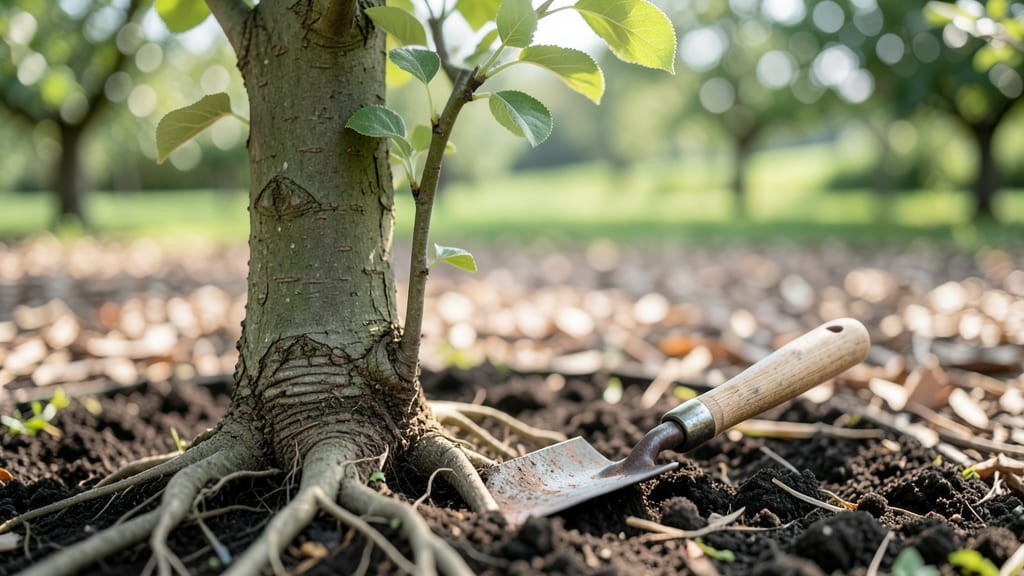
Choosing the right fruit tree rootstocks can turn your Pacific Northwest orchard from a gamble into a guaranteed harvest—even through our famously wet, cold winters. 🌱 I’ve learned the hard way that the wrong rootstock leaves trees stunted, diseased, or struggling to fruit, while the right one makes all the difference between a backyard disappointment and a neighbor-envy garden.
The key is matching rootstock to your climate and goals: dwarfing rootstocks like M.9 keep trees small but need protection from late frosts, while semi-dwarf B.9 or seedling rootstocks handle our chillier zones better. For apples, Antonovka or Malling-Merton rootstocks thrive here; cherries do best on Mahaleb or Gisela types.
Each has trade-offs—size, cold hardiness, and disease resistance—but once you pick the right one, your tree’s health and productivity skyrocket.
You’ll end up with trees that fruit earlier, resist common PNW pests like apple scab, and recover faster from winter stress. The payoff? A reliable harvest for decades, not just a few years.
Plus, you’ll save space and money by choosing rootstocks that fit your yard’s layout—whether you’re grafting your own trees or planting bare-root stock.
Works for home orchards, urban yards, or even container growing with the right dwarfing rootstock. Let’s get your trees off to the right start—because the foundation matters more than the scion you graft onto it.
📚 In This Guide
- What you need
- Instructions
- Tips and common mistakes
- Wrapping up and next steps
What you need
- ● Rootstock Varieties: Choose PNW-tested cold-hardy options like Malling 9 (M.9), Budagovsky 9 (B.9), or Antonia (for apples/pears). Quantity: 1–5 plants per variety (depending on orchard size).
- ● Scion Wood: Disease-free, dormant-season cuttings (1/4" diameter) from compatible fruit trees (e.g., Honeycrisp apple scions). Quantity: 10–20 cuttings per rootstock.
- ● Grafting Tools: Sharp grafting knife (budding/chipping type) or cleft grafting saw.
- ● Pruning shears (sterilized with rubbing alcohol).
- ● Rubber grafting tape or parafilm (for sealing cuts).
- ○ Grafting Compound: Optional but helpful (e.g., Tanglefoot Tree Wound Pruning Sealer).
- ● Soil & Amendments: Well-draining loamy soil (pH 6.0–7.0).
- ● Compost or mycorrhizal fungi (to boost root health).
- ● Grafting Clamps: For whip-and-tongue grafts (e.g., HFT® Grafting Clamps).
- ● Humidity Tent: Clear plastic dome to retain moisture post-grafting.
- ● Root Stimulator: Seaweed extract or hydrogen peroxide (3%) for root growth.
- ● Label Tags: Waterproof markers to track varieties.
- ● Cold Frame: For overwintering tender rootstocks (if starting from bare-root stock).
- ● ✅ Timing: Graft in late winter/early spring (dormant season) or summer (for T-budding).
- ● ✅ Weather: Overcast days (50–60°F) reduce stress on cuts.
- ● ✅ Sterility: Clean tools with bleach or alcohol to prevent disease.
- ● ✅ Site Prep: Test soil for nutrient deficiencies (PNW soils often lack phosphorus).
Step-by-step guide to selecting and planting cold-hardy fruit tree rootstocks
Here's how to choose and establish rootstocks that thrive in Pacific Northwest winters.
🌱 Step 1: Choose the Right Rootstock for Your Climate and Needs
Select rootstocks specifically bred for USDA Zones 7-9—the Pacific Northwest's range. Dwarfing rootstocks like M.9 or B.9 are ideal for urban gardens, while semi-dwarfing options like MM.106 or MM.111 suit larger properties. Cold-hardy varieties like Antonovka or Siberian crabapple rootstocks tolerate 10°F or lower without bud damage.
Match the rootstock to your desired fruit variety. For example, apple trees on MM.111 rootstock handle wet soils better than M.9. Research compatibility charts before purchasing. I always verify the rootstock's chilling requirement—most PNW varieties need 500-1,000 hours below 45°F annually.
🪴 Step 2: Prepare the Planting Site for Winter Resilience
Test your soil's pH—most fruit rootstocks prefer 6.0-7.0. Amend heavy clay soils with 2-3 inches of compost mixed into the top 12 inches of soil. Avoid fresh manure, which can burn tender roots. In wet areas, raise the planting mound by 6-12 inches to improve drainage.
Choose a location with 6-8 hours of sunlight and protection from prevailing winds. Young trees benefit from a windbreak like a fence or shrubs to their north. I plant rootstocks in late fall or early spring when soil temperatures are 45-55°F—this minimizes transplant shock before winter.
☀️ Step 3: Plant Rootstocks with Proper Technique for Cold Adaptation
Dig a hole twice as wide as the root ball but no deeper. Place the rootstock so the graft union sits 2-3 inches above ground level—this prevents soil heave in freeze-thaw cycles. Backfill with native soil (no amendments) to avoid disrupting root establishment.
Water deeply immediately after planting to eliminate air pockets. Mulch with 3-4 inches of wood chips (not bark) to insulate roots while allowing moisture penetration. Avoid piling mulch against the trunk—keep it 6 inches away to prevent rot.
⏰ Step 4: Winterize Young Rootstocks for First-Year Survival
Apply 2-3 inches of straw mulch around the base in late fall, leaving the graft union exposed. Wrap the trunk with tree wrap or burlap to protect against sunscald and rodent damage. In exposed areas, construct a simple windbreak using burlap or snow fencing.
Monitor soil moisture monthly during winter—thaw cycles can dry soil unexpectedly. Water lightly if the ground feels frozen solid at 4 inches deep. Avoid heavy watering, which can heave roots in freeze-thaw cycles. Prune only to remove broken branches in early spring.
Tips & tricks for perfect fruit tree rootstock planting
Took me years in the PNW to learn these cold-hardy planting secrets—trust me, they'll save you from frozen failures.
Rootstock Selection: Beyond just cold tolerance, consider your site's specific challenges. For areas with heavy clay soils, MM.111 rootstock handles moisture better than M.9, which can lead to root rot. I've seen M.9 trees struggle in wet winters despite their cold hardiness. Always cross-reference your rootstock choice with your local microclimate—some urban areas experience colder pockets than official zone maps suggest.
Soil Preparation Strategy: When amending heavy clay soils with 2-3 inches of compost, I recommend mixing in a handful of perlite or coarse sand to improve drainage without altering the soil's natural structure. This creates tiny air pockets that prevent waterlogging during our wet winters. The key is to work the amendments into the top 12 inches—this matches the depth where most rootstock roots will establish in their first year.
Graft Union Protection: The 2-3 inches above-ground placement for the graft union is critical—it prevents soil heave during freeze-thaw cycles that can crack the graft. I've seen many trees fail because this detail was overlooked. After planting, I add a small mound of gravel around the base (about 6 inches wide) to further stabilize the soil level and prevent water pooling that could rot the union.
Winter Watering Insight: The monthly winter moisture check at 4 inches deep is non-negotiable in our climate. I've learned to use a screwdriver as a simple moisture gauge—if it goes in easily, the soil needs water. But here's the trick: water only when the ground is completely frozen at that depth. Thaw cycles can cause sudden moisture loss, but watering when the ground isn't frozen can lead to root heave.
Pro Tips for Fruit Tree Rootstocks
- Took me years in the PNW to learn these cold-hardy planting secrets—trust me, they'll save you from frozen failures.
- Rootstock Selection: Beyond just cold tolerance, consider your site's specific challenges.
- Soil Preparation Strategy: When amending heavy clay soils with 2-3 inches of compost, I recommend mixing in a handful of perlite or coarse sand to improve drainage without altering the soil's natural structure.
Frequently asked questions
Got questions about fruit tree rootstocks?
Whether you're a beginner or a seasoned gardener, these answers will help you grow stronger, healthier trees in the Pacific Northwest's chilly climate.
What’s the best rootstock for cold climates like the Pacific Northwest?
For the PNW’s harsh winters, Malling-Merton (M.9, MM.106, MM.111) and Antonovka rootstocks are top picks. They offer cold hardiness (down to -15°F to -30°F) while balancing vigor and dwarfing traits. Always check your specific fruit tree’s compatibility with the rootstock!
When is the best time to plant fruit trees with rootstocks?
Plant in early spring or fall (4-6 weeks before frost) for optimal root establishment. Avoid summer heat stress. Bare-root trees can go in winter, but keep soil moist until roots rehydrate. Pro tip: Amend soil with compost for better water retention!
Can I graft my own rootstock onto an existing tree?
Yes! Grafting is doable for DIYers, but timing and technique matter. Use whip-and-tongue or cleft grafting in late winter (dormant season). Sterilize tools, match cambium layers, and wrap grafts with grafting tape. Warning: Success rates vary—practice on scraps first!
What if my fruit tree isn’t thriving on its rootstock?
Check for graft incompatibility (poor growth, yellowing leaves) or disease (e.g., fire blight). If roots are weak, try topworking (grafting a new scion) or replacing the tree. PNW tip: Monitor soil pH (6.0–7.0) and drainage—compacted or acidic soil stresses rootstocks.
Are dwarf rootstocks worth the extra cost?
Dwarf rootstocks (like M.9) save space, mature faster, and produce more manageable harvests. However, they’re less cold-hardy—pair with semi-dwarf options (e.g., B.9) for PNW balance. Cost tradeoff: Smaller trees = easier pruning and pest control!
Wrapping up and next steps
Choosing the right fruit tree rootstocks for the Pacific Northwest’s chilly climate can make all the difference in your orchard’s success! 🌲 From hardy apple varieties like Malling 9 to resilient cherries like Mahaleb, these cold-tolerant options ensure stronger growth, better disease resistance, and bountiful harvests—even in frost-prone zones.
With the right prep and knowledge, you’re well on your way to thriving fruit trees that stand the test of winter.
Ready to take the next step? Start small—plant a few rootstocks this season, monitor their progress, and refine your approach. Happy growing! 🍏🌿