
Pruning
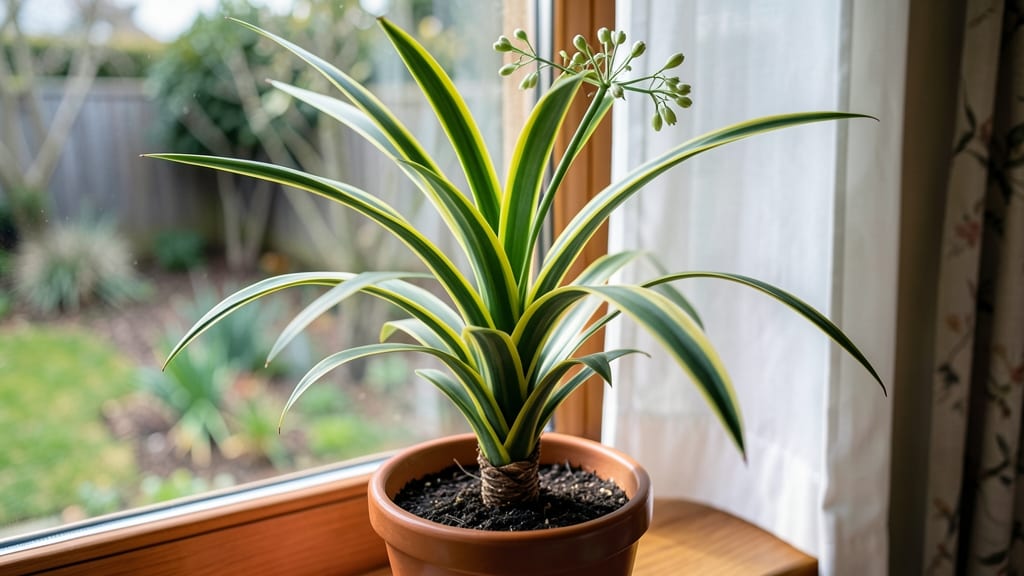
Your Golden Dragon Tree’s rare golden dragon tree flower is worth the wait—and the cold. This striking succulent thrives in zones 10-11, but with the right pruning, you can coax blooms even in cooler climates where it’s normally dormant.
The key isn’t forcing flowers but creating the perfect conditions for its natural cycle to unfold.
Start by pruning dead or leggy growth in early spring, just as new shoots emerge. This isn’t about aggressive trimming—think of it as sculpting the plant to focus energy on flowering.
Keep soil well-draining (a mix of cactus soil and perlite works best) and water only when the top inch is bone-dry. Overwatering is the #1 enemy of blooms, so let that soil dry out completely between drinks.
When conditions are right, your Golden Dragon Tree will reward you with clusters of fragrant, star-shaped flowers in late spring or early summer. These aren’t showy like roses, but they’re delicate and unexpected—like a hidden treasure in a desert garden.
The real magic? With proper care, your plant will keep producing new growth and occasional blooms for decades.
Cold climates? No problem. Bring potted plants indoors before frost, but keep them in a bright, cool spot (50-60°F) to mimic their natural dormancy. This trick keeps them healthy and ready to bloom again next season. The secret to year-round revival is patience and precision—just like the plant itself.
📚 In This Guide
- What you need
- Instructions
- Tips and common mistakes
- Wrapping up and next steps
What you need
- ● Pruning shears or bypass pruners – Sharp, clean, and sterilized (for precise cuts; avoid dull tools that crush stems).
- ● Hand pruners or felco pruners – For smaller branches (test sharpness on a scrap leaf first!).
- ● Rubbing alcohol (70% or higher) – 1 small bottle (to sterilize tools between cuts and prevent disease).
- ○ Horticultural sealant (optional but helpful) – 1 small tube (like Tree Seal Tape or Pruning Wax to protect cuts in cold weather).
- ● Disposable gloves – 1 pair (nitrile or latex-free for sensitivity).
- ● Trash bag or bucket – For clippings (compost or dispose—avoid leaving debris near the base!).
- ● Ladder or step stool – If your tree is taller than 6 feet (safety first—never stand on wobbly surfaces!).
- ● Disinfectant spray (e.g., hydrogen peroxide) – For wiping down tools mid-pruning if you’re tackling multiple plants.
- ● Sharpie or permanent marker – To label cuttings if propagating new plants.
- ● Rooting hormone gel – If propagating from cuttings (speeds up growth!).
- ● Mulch or bark chips – To protect the base after pruning (especially in winter).
How to prune golden dragon trees for continuous cold-climate blooms
Here's the approach that keeps my golden dragon trees flowering reliably even in chilly climates.
Time Your First Pruning After Spring Growth
Wait until after your last frost when new growth reaches about 4-6 inches tall. This timing ensures you're not cutting back tender winter growth that might have survived. Look for fresh, bright green leaves—those indicate the plant has fully broken dormancy and is ready for shaping.
Golden dragon trees flower on new growth, so pruning too early removes potential bloom sites. I always prune in late April or early May in my Zone 5 garden, just as the leaves begin unfurling but before the first flowers appear. This gives the plant plenty of warm-season growing time to develop new blooms.
Remove Dead or Weak Growth First
Start by examining the plant from all sides and remove any brown, brittle stems or branches with fewer than 3 healthy leaves. These are energy drains that prevent the plant from putting resources into new blooms. Use clean, sharp pruners to make cuts just above a leaf node where new growth can emerge.
I also look for branches growing inward or crossing others—these compete for sunlight and air circulation. Removing them improves airflow, which is crucial for preventing fungal issues that can stress the plant. Make your cuts at a 45-degree angle about ¼ inch above a bud facing outward from the plant's center.
Shape for Airflow and Light Penetration
Step back and visualize the plant's natural shape. Golden dragon trees respond well to an open, vase-like form that allows light to reach the center. Remove about ⅓ of the oldest growth from the outer edges, cutting back to just above a strong leaf node or bud.
This encourages bushier growth from the center where light previously couldn't penetrate. I make my cuts just above a set of leaves growing outward—this ensures new growth will fill in the gaps. Avoid cutting into the main trunk unless absolutely necessary, as this can stimulate excessive suckering.
Light Summer Maintenance Pruning
After the initial spring pruning, do a light maintenance trim in mid-summer when you notice leggy growth or branches that have finished flowering. Remove spent flower clusters by cutting back to the nearest leaf node. This redirects the plant's energy toward developing new blooms rather than seed production.
I also check for any water sprouts—those fast-growing, weak stems that appear in response to pruning. These don't produce flowers and should be removed immediately. A quick once-over every 4-6 weeks keeps the plant in top shape without over-pruning.
Prepare for Winter Dormancy
In late fall, do one final light pruning to remove any dead or diseased growth that might harbor pests over winter. This is more about cleanup than shaping. I also reduce watering significantly as the plant prepares for dormancy, which helps it enter winter in better condition.
Leave the plant with a natural, slightly open shape—this prevents snow and ice buildup that can damage branches. In my coldest winters, I add a 2-3 inch layer of mulch around the base to protect the roots from freeze-thaw cycles. This simple step has kept my golden dragon trees thriving through multiple winters.
Tips & tricks for perfect golden dragon tree pruning
A few simple tricks can transform your pruning routine from basic maintenance to a bloom-boosting strategy that keeps your golden dragon tree thriving in cold climates.
Timing is Everything: The late April to early May window for your first pruning is critical because it aligns with the plant's natural growth cycle after dormancy. I've learned the hard way that pruning too early can remove potential bloom sites, while waiting too long risks overcrowding. Check for those fresh, bright green leaves—this visual cue means the plant has fully broken dormancy and is ready for shaping. In colder microclimates, you might need to adjust by a week or two, but never before your last frost date.
Tool Sharpness Matters: Using clean, sharp pruners isn't just about making neat cuts—it's about preventing damage that can stress the plant. Dull tools crush stems, creating larger wounds that take longer to heal and invite disease. I keep a small file in my gardening toolkit to maintain sharpness between uses. For larger branches, I use loppers with bypass blades that make clean cuts without tearing the bark. Always disinfect your tools with rubbing alcohol between cuts to prevent spreading any potential pathogens.
Visualize the Final Shape: Before making any cuts, step back and visualize your golden dragon tree's natural vase-like form. The goal is to create an open structure that allows sunlight to reach the center where new blooms will develop. I find it helpful to sketch a rough outline on paper first—this prevents impulsive cuts that might disrupt the plant's balance. Remember, you're not just pruning for aesthetics; you're creating an environment where light can penetrate to all parts of the plant, which is essential for continuous blooming.
Seasonal Maintenance Calendar: Mark your calendar for mid-summer maintenance every 4-6 weeks to catch leggy growth or spent flower clusters before they become problems. I set phone reminders because these quick check-ins prevent the plant from putting energy into non-flowering growth. In late fall, that final cleanup pruning is just as important—removing dead growth prevents pests from overwintering in your tree. The 2-3 inch layer of mulch I add in cold winters has become my secret weapon for protecting roots from freeze-thaw damage.
Pro Tips for Golden Dragon Tree Flower
- A few simple tricks can transform your pruning routine from basic maintenance to a bloom-boosting strategy that keeps your golden dragon tree thriving in cold climates.
- Timing is Everything: The late April to early May window for your first pruning is critical because it aligns with the plant's natural growth cycle after dormancy.
- Tool Sharpness Matters: Using clean, sharp pruners isn't just about making neat cuts—it's about preventing damage that can stress the plant.
Frequently asked questions
Got questions about keeping your Golden Dragon Tree Flower (Lagerstroemia 'Natchez') blooming beautifully in cold climates? Here are answers to the most common ones!
When is the best time to prune for year-round blooms?
Prune your Golden Dragon Tree after its first bloom cycle (late spring/early summer) to encourage new growth and flowers. Avoid heavy pruning in late fall—focus on shaping then. Cold climates? Light pruning in early spring (before buds swell) helps prevent winter damage.
How do I protect my tree from cold snaps?
Wrap young trees in burlap or use frost cloth for temps below 20°F. Mulch the base (3–4 inches) with shredded bark to insulate roots. Mature trees handle cold well, but avoid overwatering before winter—drainage is key! Pro tip: Prune damaged branches in early spring.
Can I prune too much? What are the signs?
Yes! Over-pruning (removing >30% of foliage) stresses the tree, reducing blooms. Signs include sparse leaves, weak stems, or no flowers. Fix it: Lighten up next season—focus on removing only dead/diseased wood or crossing branches.
Are there alternatives to Golden Dragon for cold climates?
Try Lagerstroemia 'Tuscarora' (darker flowers) or Cercis canadensis 'Forest Pansy' (redbud tree). Both thrive in zones 4–9. For year-round interest, pair with Hamamelis (witch hazel)—its winter blooms complement pruned crepe myrtles.
My tree isn’t blooming—what’s wrong?
Check these first:
- Age: Young trees (under 3 years) may not bloom.
- Light: Needs full sun (6+ hours/day).
- Pruning: Heavy late-winter cuts remove next year’s buds.
- Fertilizer: Low phosphorus (middle number on NPK) can stunt flowers.
Try a balanced 10-10-10 fertilizer in early spring if soil tests are poor.
Wrapping up and next steps
The golden dragon tree flower is a stunning addition to cold-climate gardens, and with the right pruning techniques, you can keep its vibrant blooms thriving year-round! 🌸 By understanding seasonal needs, using the proper tools, and following a consistent schedule, you’re well on your way to a lush, healthy plant that rewards you with breathtaking flowers for seasons to come.
Now that you’re armed with knowledge, grab your pruners and get ready to transform your garden! Start small—pick one section of your golden dragon tree to prune first, observe its response, and build confidence. Before you know it, your garden will be bursting with color and life! 🌿✨