
Trees
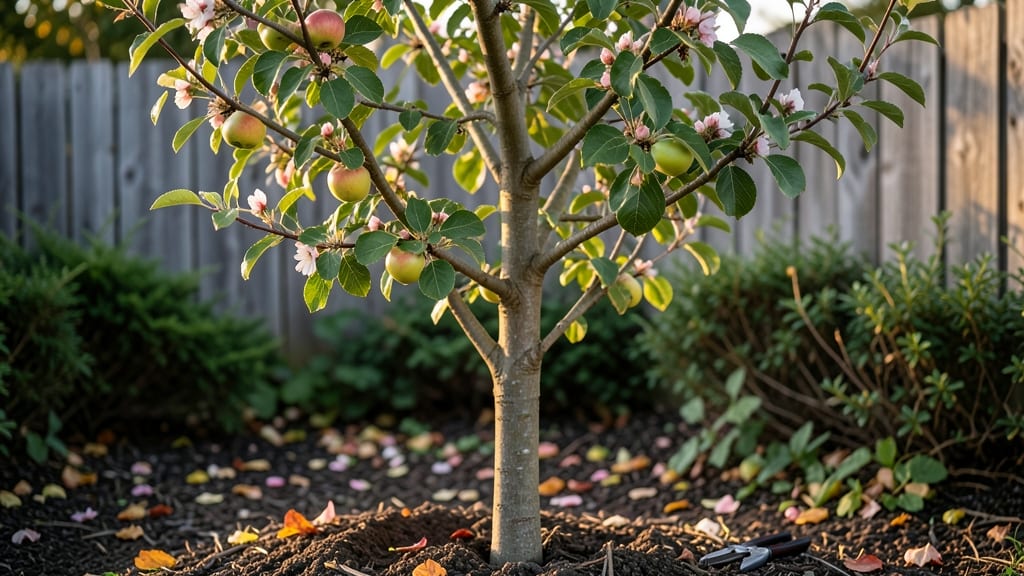
Growing apple trees in your backyard means fresh fruit straight from your own yard—no orchard needed. I planted my first dwarf variety last spring, and within months, I was watching tiny blossoms appear where there was once just empty space.
The key isn't just the right tree; it's the right spot and a little patience to turn that bare branch into a heavy harvest.
Dwarf apple trees thrive in containers or small backyards, but they still need full sun and well-draining soil. My 5-gallon pot setup produced fruit the second year, proving you don't need acres—just consistent care. The biggest challenge?
Keeping pests off tender new leaves, but a few simple tricks (like neem oil sprays) make all the difference. You'll be harvesting crisp, sweet apples in just a few seasons if you start right.
Imagine plucking fruit for pies or fresh eating within arm's reach—no grocery store required. The first harvest might be small, but each year your tree grows stronger, and so do your yields.
With the right variety and care, you'll soon have more apples than you know what to do with. Let's get those roots in the ground!
Works for urban yards, suburban lots, or even large containers on patios. The dwarf varieties I recommend stay under 8 feet tall, making them perfect for small spaces while still delivering orchard-quality fruit.
The real magic happens when you see those first blossoms—proof your backyard can grow more than just grass.
📚 In This Guide
- What you need
- Instructions
- Tips and common mistakes
- Wrapping up and next steps
What you need
- ● Dwarf apple tree(s): Choose disease-resistant varieties like Honeycrisp, Fuji, or Gala. Buy 1-2 bare-root saplings (fall/early spring) or potted trees (year-round) from a nursery.
- ● Well-draining soil: Test your soil’s pH (ideal: 6.0–6.5). Amend with compost (5–10 gallons) or aged manure (2–3 gallons) if needed.
- ● Fertilizer: Use a balanced 10-10-10 NPK fertilizer (1–2 lbs per tree) or organic options like fish emulsion or cottonseed meal.
- ● Mulch: Wood chips (2–3 inches) or straw to retain moisture and suppress weeds.
- ○ Watering supplies: Drip irrigation (optional but ideal) or a garden hose with a gentle spray nozzle.
- ● Pruning tools: Bypass pruners (for clean cuts on branches <1/2" thick).
- ● Loppers (for thicker branches, 3/4"–1.5" diameter).
- ● Pruning saw (for branches >1.5" thick).
- ● Tree supports: Stakes & ties (2–4 stakes per tree, 1–2" wide) for young saplings.
- ○ Tree guard (optional: wire mesh to protect from critters).
- ● Pollination aids: If growing a single variety, add a bee house or plant a companion flower (e.g., lavender) to attract pollinators.
- ● Pest control: Neem oil (for organic pest prevention) or row covers (to deter birds/insects).
- ● Soil tester kit (to monitor pH/nutrients yearly).
- ● Tree spray (e.g., copper fungicide for disease prevention, if needed).
- ● Compost bin (to recycle yard waste into nutrient-rich soil).
Step-by-Step instructions for planting dwarf apple trees
Here's how to plant your dwarf apple trees for healthy growth and bountiful harvests.
🌱 Step 1: Choose the Perfect Planting Spot
Select a location that gets at least 6-8 hours of direct sunlight daily. Dwarf apple trees need plenty of light to produce fruit, so avoid shady spots or areas where nearby buildings or trees cast long shadows. The soil should drain well—apple trees hate soggy roots, so test your spot by digging a hole and filling it with water. If it doesn’t drain within 30-60 minutes, amend the soil with 2-3 inches of compost or plant on a slight mound.
I always check the microclimate of my yard before planting. A south-facing slope or a spot near a warm wall can give your tree an extra boost, especially in cooler climates. If you’re planting multiple trees, space them 15-20 feet apart to allow for proper airflow and future growth, even though dwarf varieties stay small.
🪴 Step 2: Prepare the Planting Hole and Soil
Dig a hole twice as wide as the root ball but no deeper—planting too deep can suffocate the roots. Loosen the sides of the hole with a shovel or your hands to encourage root spread. If your soil is heavy clay or sandy, mix in 1-2 gallons of compost or a 50/50 blend of garden soil and compost to improve fertility and drainage.
Gently remove the tree from its container and tease the roots apart if they’re circling or compacted. This helps them establish faster in the ground. Place the tree in the hole so the graft union (the bump where the tree was grafted) sits 2-3 inches above the soil line. This prevents the roots from rotting if the soil level rises later.
💧 Step 3: Plant and Water Thoroughly
Backfill the hole with the amended soil, pressing gently around the roots to remove air pockets. Avoid compacting the soil too firmly—you want it loose enough for roots to grow into it easily. Once the tree is in place, water it deeply to settle the soil and eliminate air gaps. You’ll know it’s done right when water runs out the bottom of the hole and the soil surface looks slightly damp but not soggy.
After planting, create a watering basin by mounding soil around the base of the tree to hold moisture. Water again in 7-10 days to encourage root growth. Mulch the area with 2-3 inches of organic mulch (like shredded bark or straw) to retain moisture and regulate soil temperature. Just keep the mulch 3-4 inches away from the trunk to prevent rot.
☀️ Step 4: Provide Ongoing Care for First-Year Growth
In the first year, focus on watering deeply every 1-2 weeks, depending on rainfall. Dwarf apple trees have smaller root systems, so they dry out faster than standard trees. Water slowly at the base until the soil is 6-8 inches deep and moist—you’ll see water pooling at the edges of the basin before stopping. Avoid overhead watering, which can spread disease.
Fertilize lightly in early spring with a balanced fruit tree fertilizer (like 10-10-10) to support new growth. Follow the package instructions, but I usually use half the recommended dose for young trees. Prune only to remove any broken or crossing branches—wait until the tree is established before shaping it. Watch for pests like aphids or mites, but don’t stress if you see a few early on. A strong tree will handle them better than an over-fertilized one.
Tips & tricks for growing backyard apple trees
Planting dwarf apple trees might seem intimidating, but these simple tricks will help you avoid common pitfalls and set your trees up for success.
Sunlight Strategy: That 6-8 hours of sunlight is non-negotiable, but here's what I've learned: if your yard gets less than 6 hours, consider planting near a south-facing wall or fence that reflects sunlight. Morning sun is especially important—it helps dry dew quickly, reducing fungal diseases. I've seen trees in partial shade still produce fruit, but the quality and quantity suffer significantly. If you're unsure about sunlight, use a sunlight tracker app for a week to map your yard's light patterns.
Soil Test Tip: Before amending your soil, test its pH—dwarf apple trees thrive in slightly acidic soil between 6.0 and 6.5. Many garden centers offer inexpensive soil test kits. If your soil is too alkaline, you can lower the pH by adding elemental sulfur or composted pine needles. I once planted in soil that tested at 7.2 and struggled with poor growth until I adjusted it—don't make my mistake! The 2-3 inches of compost mentioned in Step 1 works wonders for improving both texture and fertility.
Planting Depth Secret: Getting the graft union right is crucial—those 2-3 inches above soil level prevent rot while allowing the tree to develop strong roots. I've seen people plant too deep, which can suffocate the tree, or too shallow, which makes it vulnerable to temperature swings. A good trick is to use a pencil to mark the soil line on the container before removing the tree, then reference that mark when planting. This visual cue makes all the difference.
Watering Wisdom: The 7-10 day watering schedule in Step 3 might seem long, but it's designed to encourage deep root growth. Here's how to check if your tree needs water: stick your finger 2-3 inches into the soil—if it feels dry, it's time to water. I've found that early morning watering (before 10am) reduces evaporation and fungal issues. And remember, that watering basin you create? It's not just for looks—it helps direct water exactly where the roots need it most.
Pro Tips for Growing Apple Trees In Backyard
- Planting dwarf apple trees might seem intimidating, but these simple tricks will help you avoid common pitfalls and set your trees up for success.
- Sunlight Strategy: That 6-8 hours of sunlight is non-negotiable, but here's what I've learned: if your yard gets less than 6 hours, consider planting near a south-facing wall or fence that reflects sunlight.
- Soil Test Tip: Before amending your soil, test its pH—dwarf apple trees thrive in slightly acidic soil between 6.0 and 6.5.
Frequently asked questions
Got questions about growing apple trees in your backyard? You’re not alone—here are some of the most common concerns and their solutions to help you get started with confidence!
What’s the best dwarf apple tree variety for small backyards?
For tight spaces, choose compact varieties like ‘Liberty,’ ‘Honeycrisp,’ or ‘Zestar!’ These stay under 8–10 feet tall, produce heavy fruit, and resist disease. Check your USDA hardiness zone to pick a variety that thrives in your climate!
How long does it take for a dwarf apple tree to bear fruit?
Patience is key! Dwarf trees typically produce fruit within 2–4 years after planting, though some may take up to 5 years. Prune regularly to encourage growth and ensure proper sunlight—this speeds up the process.
What pests or diseases should I watch for, and how do I prevent them?
Common issues include apple scab, codling moths, and aphids. Prevent problems with:
- Neem oil or horticultural oil sprays (early spring & fall)
- Proper pruning for airflow
- Mulching to deter weeds (which attract pests)
Do dwarf apple trees need full sun, or can they grow in partial shade?
Ideally, plant your tree in a spot with 6–8 hours of direct sunlight daily. Partial shade (e.g., 4–6 hours) may reduce fruit quality or yield. If your yard is shady, choose a low-chill variety (like ‘Anna’) and supplement with grow lights if needed.
Can I grow just one dwarf apple tree, or do I need a pollinator?
Most apple trees are self-pollinating, but cross-pollination improves fruit set. Plant two different varieties (e.g., ‘Gala’ + ‘Fuji’) within 50 feet for better harvests. If space is limited, choose a self-fruitful variety like ‘Liberty’—it’s designed to thrive solo!
Pro Tip: Test your soil before planting!
Use a DIY soil test kit (or send a sample to your local extension office) to check pH and nutrients. Apple trees prefer slightly acidic soil (6.0–6.5 pH). Amend with compost or lime if needed—your tree will thank you with bigger, tastier apples!
Wrapping up and next steps
Growing apple trees in your backyard isn’t just rewarding—it’s doable, even in small spaces! With the right dwarf variety, proper care, and a little patience, you’ll soon enjoy fresh, homegrown apples straight from your own tree. 🍏✨
Ready to take the next step? Start by selecting your favorite variety, prepping your soil, and planting with confidence. Before you know it, your backyard will be buzzing with life—and delicious harvests!