Trees
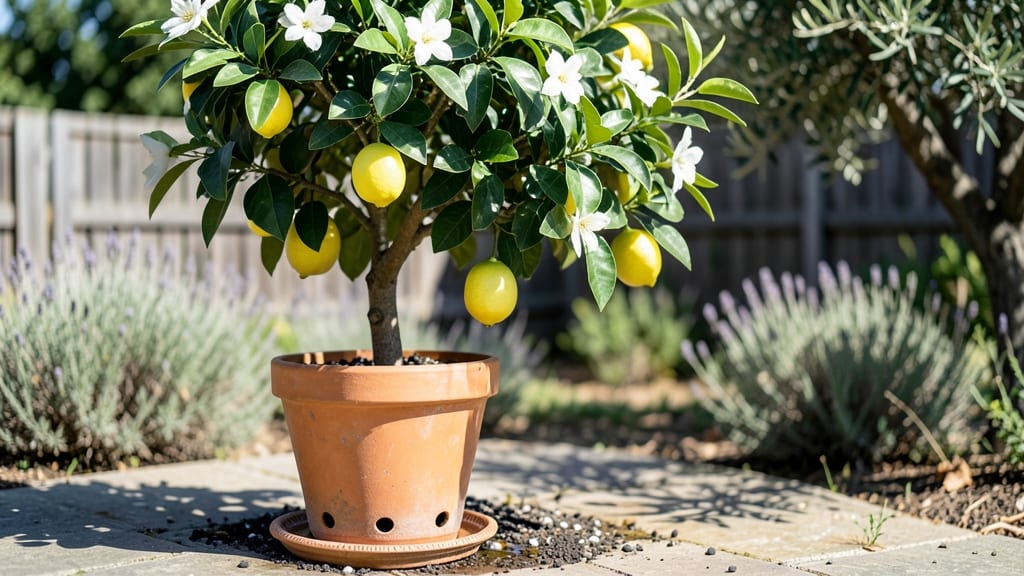
Growing citrus trees in pots is like bringing a slice of Mediterranean sunshine to your balcony—except these trees actually bear fruit. 🌿 I’ve watched my Meyer lemon tree produce bright yellow fruit indoors, and the key isn’t luck but matching the right variety to your climate and container setup.
The trickiest part? Keeping roots happy in limited space while mimicking the warm, humid conditions citrus trees crave.
Start with dwarf varieties like Meyer lemon, Calamondin orange, or Kaffir lime—they thrive in pots and produce fruit faster than full-sized trees.
You’ll need a pot at least 12 inches wide with drainage holes, well-draining soil (think cactus mix with perlite), and a sunny spot getting 6-8 hours of light daily. Overwatering is the #1 killer, so let the top inch of soil dry before watering again.
By summer, you’ll be harvesting small but sweet fruit straight from your balcony. The scent of blossoms in spring and the tart tang of ripe citrus in winter make it worth every bit of care.
Just watch for spider mites and keep humidity up—citrus trees reward attention with lush growth and surprising harvests.
Works year-round in zones 9-11, but even in cooler climates, a sunny window or grow light keeps them productive. Here’s how to make it simple and foolproof—no green thumb required.
📚 In This Guide
- What you need
- Instructions
- Tips and common mistakes
- Wrapping up and next steps
What you need
- ● Citrus Tree: Choose dwarf varieties like Meyer lemon, Calamondin orange, or Kumquat (available at nurseries or online).
- ● Pot: 1–2 large containers (15–20 gallons each) with drainage holes. Terracotta or fabric pots work best.
- ● Potting Mix: 1 bag of well-draining citrus-specific mix (or blend 60% potting soil + 40% perlite/sand).
- ● Fertilizer: Citrus-specific fertilizer (e.g., Espoma Citrus-Tone) or a balanced 8-8-8 blend.
- ● Mulch: Pine bark fines or coconut coir to retain moisture.
- ● Tools: Trowel
- ● Pruning shears
- ● Watering can or hose with a gentle nozzle
- ○ pH tester (optional but helpful)
- ● Sunlight: 6–8 hours of direct sun daily (south-facing balcony ideal).
- ● Water: Access to soft, chlorine-free water (rainwater or filtered is best).
- ● Space: Ensure pots can be moved indoors (or to a garage) if temps drop below 40°F (4°C).
- ● Patience: Citrus trees thrive long-term—expect blooms and fruit in 2–5 years!
Step-by-Step instructions for growing citrus trees in containers
Here's my foolproof method for keeping citrus thriving year-round on patios and balconies.
🪴 Step 1: Choose the Right Pot and Drainage Setup
Start with a container that's at least 12-15 inches deep—citrus roots need room to spread. I recommend unglazed terra cotta because it breathes and prevents root rot, but any pot with drainage holes works. If your pot only has one small hole, drill 2-3 additional ones to ensure proper drainage.
Place a 1-inch layer of gravel or broken pottery at the bottom before adding soil. This creates an air pocket that prevents water from pooling around the roots. The reason this matters: citrus trees hate soggy feet, and poor drainage is the #1 cause of container citrus failure.
🌱 Step 2: Prepare the Soil Mix for Optimal Growth
Use a blend of 50% high-quality potting mix and 50% perlite or coarse sand to create a fast-draining yet moisture-retentive medium. I add a handful of slow-release citrus fertilizer mixed into the bottom inch of soil—this gives roots a nutrient boost right where they need it most.
Fill the pot to about 2 inches below the rim and water thoroughly until moisture runs freely from the drainage holes. Let it drain completely before planting. The soil should feel like a damp sponge—not wet or dry. This initial watering settles the mix and removes air pockets that could strangle young roots.
☀️ Step 3: Plant and Position for Maximum Sunlight
Dig a hole in the center of the pot just deep enough to accommodate the root ball without burying the graft union (the bump where the tree was grafted). Gently remove the tree from its nursery pot and place it in the hole, then backfill with soil, pressing lightly to eliminate air gaps.
Here's the thing—citrus trees need 6-8 hours of direct sun daily. A south-facing balcony gets the best results, but even east or west exposures work if you rotate the pot weekly. You'll know your tree is getting enough light when new growth appears within 4-6 weeks and leaves stay a vibrant green.
💧 Step 4: Water and Fertilize with Precision
Water deeply when the top 2-3 inches of soil feel dry—this usually means every 5-7 days in summer, but less often in winter. I check by sticking my finger in the soil; if it's dry at 1 inch down, it's time to water. Overwatering is the silent killer of potted citrus.
Feed with a balanced citrus fertilizer every 4-6 weeks during the growing season (spring through fall). I dilute it to half-strength the first time to avoid burning tender roots. In winter, cut back to monthly feeding or stop entirely if the tree shows dormancy signs like dropping leaves.
✂️ Step 5: Prune and Maintain for Long-Term Health
Prune in late winter or early spring to remove any dead, crossing, or inward-growing branches. I use clean, sharp shears to make cuts just above a leaf node or outward-facing bud. This encourages bushier growth and better fruit production. Never prune more than 25% of the tree at once—citrus trees are sensitive to heavy pruning.
Watch for pests like aphids or scale on the undersides of leaves. I treat early infestations with a strong spray of water (aphids hate it) or neem oil for stubborn cases. A healthy citrus tree in a pot should produce fruit within 2-3 years—that's the real reward of container growing.
Tips & tricks for perfect container citrus trees
Real talk: Container citrus thrives when you pay attention to these small details that make all the difference.
Drainage is Non-Negotiable: That 1-inch gravel layer in Step 1 isn't just decoration—it's your tree's insurance policy against root rot. If your pot lacks drainage holes, drill them yourself. I've seen citrus trees die from soggy soil when owners skipped this step, thinking "a little extra water won't hurt." Wrong. The roots need oxygen as much as moisture.
Soil Mix Secrets: The 50/50 blend of potting mix and perlite/sand is your sweet spot for drainage and moisture retention. Pro move: Add a handful of worm castings to that bottom inch with fertilizer—worms create natural aeration channels that help roots breathe. And never skip the thorough watering after planting; those air pockets in Step 2 need to disappear completely.
Sunlight Strategy: Those 6-8 hours of direct sun in Step 3 are non-negotiable, but here's the trick: If you're in a shadier spot, supplement with a grow light for 4-6 hours daily. I've kept lemon trees thriving on east-facing balconies using this combo. Watch for yellowing leaves—they're your tree's way of saying "I need more light."
Watering Wisdom: The finger test in Step 4 is your best friend. When that top 2-3 inches feels dry at 1 inch down, water until it runs freely from the bottom. In winter, I cut back to every 10-14 days—citrus trees go semi-dormant when days shorten. The key is consistency: better to underwater slightly than drown your tree.
Pro Tips for Growing Citrus Trees In Pots
- Real talk: Container citrus thrives when you pay attention to these small details that make all the difference.
- Drainage is Non-Negotiable: That 1-inch gravel layer in Step 1 isn't just decoration—it's your tree's insurance polic...
- Soil Mix Secrets: The 50/50 blend of potting mix and perlite/sand is your sweet spot for drainage and moisture retent...
Frequently asked questions
Got questions about potted citrus? You’re not alone—growing these sun-loving trees in containers is rewarding but comes with its own quirks! Below, we tackle the most common curiosities to help you cultivate thriving lemon, lime, or orange trees with confidence.
Can citrus trees thrive in pots year-round, or do they need winter care?
Citrus trees can survive indoors year-round, but they’re tropical and prefer warmth (60–70°F). In winter, move them near a sunny window or use a grow light. If temps drop below 50°F, they’ll struggle—even in pots. A heated garage or insulated porch can help, but most citrus trees need a winter “rest” in cooler conditions (50–60°F) to avoid stress. Pro tip: Use a thermometer to monitor temps and avoid drafts!
How big should the pot be for a citrus tree, and what’s the best soil mix?
Start with a pot 12–18 inches wide for dwarf varieties (like ‘Meyer’ lemon) and upgrade as the tree grows. Citrus trees hate soggy roots, so use a well-draining mix: 60% potting soil, 30% perlite or pumice, and 10% compost. Add a drainage layer (like pebbles) at the bottom to prevent root rot. Pro tip: Repot every 2–3 years or when roots circle the pot!
Why are my citrus leaves yellowing, and how do I fix it?
Yellow leaves usually signal overwatering or nutrient deficiency. Let the top 1–2 inches of soil dry out between waterings, and avoid saucers that trap water. If leaves are pale or spotted, feed with a citrus-specific fertilizer (high in nitrogen, zinc, and iron) every 4–6 weeks in growing season. Pro tip: Check for pests (like spider mites) on the undersides of leaves—wipe with soapy water if needed!
Will my potted citrus tree ever produce fruit, and how long does it take?
Dwarf citrus trees (like ‘Calamondin’ or ‘Improved Meyer Lemon’) can bear fruit in 2–5 years with proper care! Ensure they get 6+ hours of sunlight daily, consistent watering, and occasional pruning to encourage blooms. Smaller pots may delay fruiting—upgrade containers as the tree matures. Pro tip: Hand-pollinate flowers with a soft brush if bees aren’t visiting!
Can I grow citrus trees in pots outdoors in warm climates?
In USDA zones 9–11, citrus trees thrive outdoors in pots year-round. Choose a large, sturdy container (20+ gallons for mature trees) and place it in full sun. Move pots indoors or to a sheltered spot before winter frosts (below 30°F). Pro tip: Water deeply 2–3 times per week in summer—potted trees dry out faster!
Wrapping up and next steps
Growing citrus trees in pots isn’t just possible—it’s a rewarding way to bring sunshine and zesty flavors to your space! 🌿 With the right container, soil, sunlight, and care, you’ll enjoy fresh lemons, oranges, or limes year-round, even on a balcony.
Start small, stay patient, and soon you’ll be harvesting your own homegrown citrus for everything from cocktails to homemade preserves.
Ready to take the next step? Pick your favorite variety, grab a pot, and plant your first seedling today! Your future self (and taste buds) will thank you.