Container Gardens
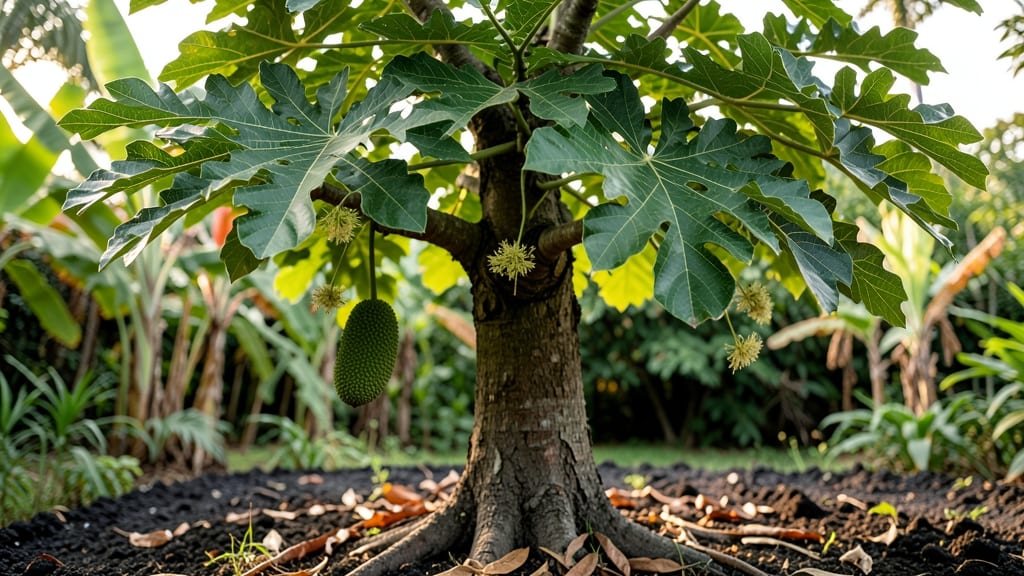
Growing a jackfruit tree from seed or sapling is like bringing a piece of the tropics to your patio—if you nail the basics. 🌿 I’ve watched these trees go from a curious seedling to producing fruit in just a few years, and the key is treating them like the high-maintenance divas they are (but in a good way).
The secret isn’t just warm weather—it’s the right container (big enough to avoid root-bound stress), well-draining soil, and mimicking their natural humidity. Most people overlook how much these trees hate soggy feet, so we’ll focus on drainage and watering schedules that keep them happy without drowning them.
Even in cooler climates, a sunny spot and a little winter care keeps them thriving.
By the time you’re harvesting those sweet, custard-like fruits, you’ll have a tree that’s not just surviving but flourishing—with glossy leaves, sturdy branches, and the occasional surprise jackfruit. The first harvest might take 3-5 years, but the journey is worth it. Let’s get those roots growing strong.
Whether you’re in Florida or California, this method adapts to container life—just adjust for your zone’s chillier months. The payoff? Fresh tropical fruit without the travel. Ready to grow one?
📚 In This Guide
- What you need
- Instructions
- Tips and common mistakes
- Wrapping up and next steps
What you need
- ● Jackfruit Seed or Sapling: 1 fresh, viable seed (or a 1–2 ft tall nursery-grown sapling for faster growth).
- ● Container: A large, sturdy pot (20–30 gallons) with drainage holes. Opt for fiberglass, plastic, or wood (avoid metal if in direct sun).
- ● High-Quality Potting Mix: 5–10 gallons of well-draining, airy mix (e.g., 50% coconut coir, 30% perlite, 20% compost). Avoid heavy garden soil!
- ● Drainage Materials: 2–3 inches of gravel, pumice, or broken pottery shards for the container’s base.
- ● Fertilizer: Balanced Liquid Fertilizer (10-10-10 or 20-20-20): 1 bottle (for foliar feeding).
- ● Slow-Release Granular Fertilizer (e.g., Osmocote): 1–2 cups (mixed into soil at planting).
- ● Watering Can or Hose: With a gentle spray nozzle (jackfruit hates soggy roots!).
- ● Pruning Tools: 1 pair of sterilized pruning shears (for shaping and harvesting).
- ● 1 sharp knife (for seed extraction or grafting, if applicable).
- ● Mulch: 1–2 inches of organic mulch (straw or wood chips) to retain moisture.
- ● Growth Regulator: 1 bottle of seaweed extract or humic acid (boosts root development).
- ● Support Stake: 1 6–8 ft bamboo or metal stake (for young trees needing stability).
- ● Container Stand or Wheels: If your pot is heavy, a casters or sturdy stand makes moving easier.
- ● Humidity Tray: A pebble tray with water (helps in dry climates).
- ● Pollination Aid: A soft paintbrush (if hand-pollinating flowers).
Step-by-step instructions for growing a jackfruit tree in containers
Here's how to nurture a thriving tropical fruit tree indoors or on patios.
🌱 Step 1: Select and Prepare Your Container and Soil
Choose a 5-gallon or larger container with drainage holes—jackfruit roots need room to spread. I like using glazed ceramic or high-quality plastic pots because they retain moisture while allowing airflow. Avoid metal containers, which can overheat roots in summer.
Fill the bottom 1 inch with orchid bark mix or coarse gravel for drainage. Then add a 4-inch layer of well-draining potting mix blended with 20% perlite or pumice. Jackfruit trees hate soggy roots, so this ensures excess water drains quickly. Tap the pot gently to settle the mix without compacting it.
🌿 Step 2: Plant Your Seedling at the Right Depth
Remove the seedling from its nursery pot and gently loosen the roots if they're circling. Place it in the center of your container so the top of the root ball sits 1 inch below the rim. This prevents water from spilling over when you water deeply.
Fill around the roots with the remaining potting mix, pressing lightly to eliminate air pockets. The soil should feel firm but still crumbly—like a damp sponge. Water thoroughly until water runs freely from the drainage holes. This helps settle the soil and removes any air gaps around the roots.
☀️ Step 3: Position for Maximum Sunlight and Humidity
Jackfruit trees need 6-8 hours of direct sunlight daily. Place your container near a south- or west-facing window, or use a full-spectrum grow light for 12-14 hours daily if indoors. Leggy growth or pale leaves mean your tree isn't getting enough light—adjust immediately.
Mist the leaves daily to maintain high humidity, especially in dry climates. Grouping your jackfruit pot with other plants creates a microclimate that retains moisture. In winter, keep the pot away from cold drafts—ideal temperatures stay between 65-85°F.
💧 Step 4: Water and Fertilize for Healthy Growth
Water when the top 2 inches of soil feel dry. Stick your finger in the soil—if it's dry past your first knuckle, it's time to water. Pour water slowly until it drains from the bottom, then empty the saucer to prevent root rot. Overwatering is the #1 killer of container-grown jackfruit trees.
Feed with a balanced liquid fertilizer (10-10-10) every 4-6 weeks during growing season (spring-fall). Reduce to monthly in winter when growth slows. You'll see new leaves emerge within 2-3 weeks of fertilizing—that's your sign the tree is thriving.
✂️ Step 5: Prune and Support for Fruit Production
Prune leggy branches in early spring to encourage bushier growth. Cut back 1/3 of the longest stems just above a leaf node. This redirects energy to fruit production rather than just foliage. Wear gloves—jackfruit sap can irritate skin.
Install a sturdy support stake if your tree grows taller than 4 feet. Tie the main stem loosely with soft plant ties to prevent wind damage. When flowers appear, hand-pollinate with a small brush to increase fruit set. Patience is key—container-grown jackfruit trees may take 3-5 years to bear fruit.
Tips & tricks for growing a thriving jackfruit tree in containers
Here's what I wish I knew when I first started growing jackfruit—these tricks will help you avoid common pitfalls and get the best results from your container-grown tree.
Container Selection: While the instructions mention a 5-gallon minimum, I recommend upgrading to a 7-gallon container as soon as your tree reaches 2 feet tall. The extra space gives roots room to grow without becoming root-bound, which is crucial for fruit production. Look for containers with at least 4 drainage holes—more holes prevent waterlogging better than fewer large ones.
Soil Mix Secrets: The 4-inch layer of well-draining mix with 20% perlite is perfect, but I add an extra 10% coconut coir to retain moisture while still allowing airflow. This helps maintain consistent moisture levels between waterings, especially in dry climates. If you notice the soil drying too quickly, add a 1-inch layer of organic mulch on top to slow evaporation.
Lighting Hacks: For indoor growers, those 6-8 hours of direct sunlight can be tricky. I use a full-spectrum LED grow light on a timer for 12-14 hours daily, positioned 6-12 inches above the plant. If you notice leaves stretching toward the light (etiolation), move the light closer or increase the duration to 14 hours. South-facing windows work best for natural light—east-facing windows may not provide enough intensity for optimal growth.
Fertilizer Timing: The 4-6 week feeding schedule works well, but I've found that applying half-strength fertilizer during the first 2-3 feedings helps prevent root burn. Also, switch to a higher-phosphorus fertilizer (like 5-10-10) when you notice flowering buds forming—this supports fruit development. Always water thoroughly before fertilizing to prevent salt buildup in the soil.
Pro Tips for Growing Jackfruit Tree
- Here's what I wish I knew when I first started growing jackfruit—these tricks will help you avoid common pitfalls and get the best results from your container-grown tree.
- Container Selection: While the instructions mention a 5-gallon minimum, I recommend upgrading to a 7-gallon container as soon as your tree reaches 2 feet tall.
- Soil Mix Secrets: The 4-inch layer of well-draining mix with 20% perlite is perfect, but I add an extra 10% coconut coir to retain moisture while still allowing airflow.
Frequently asked questions
Got questions about growing jackfruit in containers? You’re not alone!
Here are answers to the most common concerns—from timing to troubleshooting—so you can grow this tropical giant with confidence.
How long does it take for a jackfruit tree to bear fruit in a container?
A young jackfruit tree (Artocarpus heterophyllus) typically takes 5–7 years to bear fruit, even with ideal care. In containers, growth may be slightly slower due to root restriction, but patience pays off—healthy trees reward you with huge harvests! For faster results, choose a grafted tree (1–2 years younger) from a nursery.
Can jackfruit trees survive winter in containers?
Jackfruit trees are tropical and cannot tolerate frost—even a light freeze will kill them. If you live in a cold climate (USDA Zones 10–11), move your container indoors near a bright window or grow lights during winter. A greenhouse or heated garage works too! Pro tip: Gradually acclimate the tree to cooler temps in fall to avoid shock.
What’s the best container size for a jackfruit tree?
Start with a 5-gallon pot for young trees, then upgrade to 15–25 gallons as they grow. Jackfruit trees have aggressive roots, so choose a container at least 2 feet deep with drainage holes. Avoid plastic—fiberglass or ceramic pots help regulate moisture and prevent root rot. Bonus: Use a cache pot (outer decorative pot) to hide the functional inner container!
Why are my jackfruit tree’s leaves turning yellow or dropping?
Yellow leaves usually signal overwatering, underwatering, or nutrient deficiency. Check the soil—it should be moist but not soggy. Brown edges? Too dry. Mushy roots? Root rot from poor drainage. Feed your tree with a balanced fertilizer (10-10-10) every 2–3 months in growing season. Fix it: Adjust watering and repot if roots are circling.
Can I grow jackfruit from seed instead of buying a tree?
Yes, but seed-grown trees take longer to fruit (10+ years!) and may not produce true-to-type fruit. If you’re patient, plant the seed in moist soil and keep it warm (75–85°F). For faster, more reliable results, buy a grafted nursery tree—they’re bred for container growth and fruit production. Fun fact: Even seedlings make stunning ornamental trees!
Wrapping up and next steps
Growing a jackfruit tree in containers is a rewarding adventure that brings tropical flair to your space—even if you don’t have a sprawling backyard! 🌴 With the right care, patience, and a dash of creativity, you’ll soon enjoy fragrant flowers, lush foliage, and the sweet (or savory!) promise of homegrown jackfruit.
Start small, stay consistent, and don’t hesitate to experiment—your green thumb will thank you.
Ready to take the next step? Whether you’re pruning for shape, troubleshooting pests, or dreaming of your first harvest, check out our FAQs for quick answers. Then, grab your shears and get growing—your future jackfruit feast awaits! 🍴✨