
Pruning
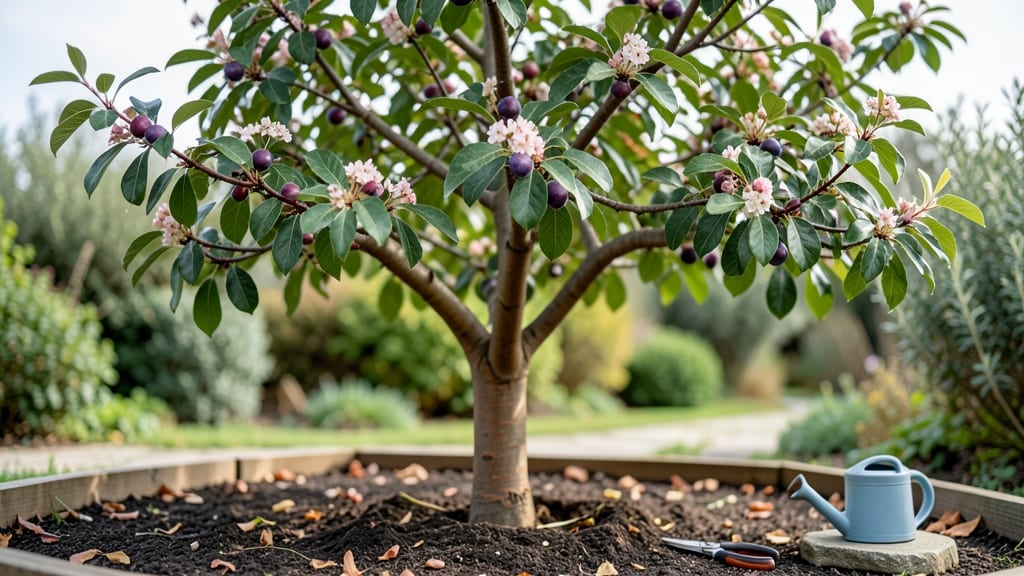
The Hollywood plum tree thrives in the Pacific Northwest's mild climate, offering year-round interest with glossy foliage, delicate spring blooms, and edible fruit. 🌿 I planted mine three years ago, and it's become the star of my urban garden—compact enough for small spaces but sturdy enough to handle coastal winds.
The key to its success lies in understanding its needs: partial shade tolerance, well-draining soil, and minimal fuss once established.
This tree isn't just pretty—it's practical. The dark purple fruit ripens in late summer, perfect for jams or fresh eating, while the evergreen leaves provide year-round structure. Unlike fussy fruit trees, Hollywood plums handle our rainy winters and dry summers with ease, making them ideal for hedges or specimen planting.
Even in tight city lots, they deliver big rewards with minimal effort.
You'll love how low-maintenance this tree is once it's settled in. Prune lightly after flowering to shape it, and water deeply but infrequently—this drought-tolerant beauty hates soggy roots. The real magic happens in spring when fragrant white blossoms appear, followed by glossy new leaves that stay vibrant all winter.
It's the kind of tree that makes neighbors stop and ask, "What is that?"—then want one for themselves.
Perfect for gardeners who want beauty without the drama. Whether you're lining a driveway, screening a noisy street, or simply adding year-round interest to your yard, this plum delivers. Let's get yours growing strong for decades to come.
📚 In This Guide
- What you need
- Instructions
- Tips and common mistakes
- Wrapping up and next steps
What you need
- ● Pruning shears: Bypass pruners (for clean cuts on small branches, 4–6" blade length). Anvil pruners (budget-friendly, but can crush stems).
- ● Loppers: Bypass loppers (for branches ¾"–2" thick, 18–24" handles).
- ● Pruning saw: Curved-tooth handsaw (for branches >2" thick; 10–12" blade).
- ● Disinfectant: 70% isopropyl alcohol or bleach solution (1 part bleach : 9 parts water) (to sterilize tools between cuts).
- ● Garden gloves: Heavy-duty, cut-resistant (to protect hands from thorns and sap).
- ○ Tree wound dressing: Pruning sealant (optional; only use if the cut is >2" in diameter).
- ● Tarp or drop cloth: (to catch debris and protect the ground).
- ● Extension pole: (for high branches; 3–6' adjustable pole with pruner attachment).
- ● Ladder: Sturdy, non-slip (if branches are >8' off the ground).
- ● Sharpie or paint: (to mark branches for removal before cutting).
- ● Compost bin: (to collect pruned branches for mulch or compost).
- ● First-aid kit: (for minor cuts or scrapes—just in case!).
Step-by-step guide to cultivating a thriving Hollywood plum tree
This is the care routine I've perfected for PNW's unpredictable climate—keeping your tree healthy through all four seasons.
🌱 Step 1: Plant in Early Spring for Strong Root Establishment
Choose a location with full sun exposure (6+ hours daily) and well-draining soil. The Pacific Northwest's damp winters mean poor drainage will drown roots, so amend heavy clay with 3-4 inches of compost mixed into the top 12 inches of soil. Dig a hole twice as wide as the root ball but only as deep—planting too deep suffocates the graft union.
Remove the tree from its container and loosen any circling roots with your fingers. Place it in the hole so the top of the root ball sits 1 inch above ground level. Backfill with native soil, tamping gently to eliminate air pockets. Water deeply to settle everything, then add a 2-inch layer of mulch around the base, keeping it 3 inches away from the trunk to prevent rot.
☀️ Step 2: Summer Maintenance for Fruit Production and Pest Prevention
Water deeply once weekly during dry spells, aiming for 1-1.5 gallons per watering—more frequent shallow watering encourages weak roots. You'll know it's time when the top 2 inches of soil feel dry. Fertilize in early summer with a balanced 10-10-10 fertilizer spread ½ cup per tree, working it into the soil surface. This boosts fruit set without excessive leaf growth.
Watch for peach leaf curl fungus, common in PNW's wet springs. Spray with a copper fungicide in late fall and again at bud swell in early spring. Prune in late winter to remove crossing branches and thin the canopy for better airflow. Always sterilize your pruners with rubbing alcohol between cuts to prevent disease spread.
⏰ Step 3: Winter Protection for Cold-Hardy Survival
While Hollywood plums tolerate 15-20°F temperatures, young trees or severe winters need extra care. Wrap the trunk with tree wrap in late fall to prevent sunscald and rodent damage. Mound an additional 4-6 inches of mulch around the base, but don't pile it against the trunk—this creates a moisture trap that invites rot.
Prune out any damaged branches in late winter before new growth begins. The PNW's rainy winters can cause branch breakage, so inspect your tree after heavy storms. If you notice any dead wood, remove it immediately to prevent diseases from entering through open wounds. Avoid heavy pruning during winter dormancy—wait until early spring when the tree is actively growing.
🌿 Step 4: Year-Round Monitoring for Early Problem Detection
Check for aphids and scale insects regularly—these pests thrive in the PNW's mild winters. Spray with horticultural oil in early spring before buds break to smother overwintering eggs. You'll spot them as sticky residue on leaves or white cottony masses on branches. For established trees, this preventive measure works better than reactive treatments.
Harvest plums when they're fully colored and slightly soft to the touch, usually in late summer to early fall. Leave them on the tree a day or two past peak ripeness—they'll develop deeper flavor during storage. Store at 35-40°F and high humidity to preserve freshness for 2-3 weeks. The PNW's cool climate actually improves their storage life compared to warmer regions.
Tips & tricks for perfect Hollywood plum tree care
Real talk: The PNW's climate makes Hollywood plum trees tricky—but these pro tips will keep yours thriving year after year.
Soil Preparation Secret: Before planting, mix that 3-4 inches of compost into the top 12 inches of soil and add a handful of perlite or coarse sand if your native soil feels compacted. The extra drainage is crucial—Hollywood plums hate soggy roots, especially in our rainy winters. I've seen trees drown in heavy clay within months if this step gets skipped.
Watering Wisdom: When aiming for 1-1.5 gallons per watering, use a rain gauge or trowel to check soil moisture. The top 2 inches should feel dry before watering again—this prevents shallow root systems. For young trees, I like to water in the morning so the soil has all day to dry out, reducing fungal risks.
Fertilizing Timing: That ½ cup of 10-10-10 fertilizer in early summer is your tree's growth boost—but don't apply it after mid-July. Late-season feeding encourages tender new growth that won't harden off before winter, making your tree more vulnerable to cold damage. Think of it as the tree's last chance to bulk up before dormancy.
Winter Protection Hack: For young trees or harsh winters, wrap the trunk with tree wrap AND add a layer of burlap around the canopy. This creates a microclimate that traps heat—especially helpful when temperatures dip below 15°F. I've seen wrapped trees survive 10°F nights when unwrapped ones suffered frost cracks.
Pro Tips for Hollywood Plum Tree
- Real talk: The PNW's climate makes Hollywood plum trees tricky—but these pro tips will keep yours thriving year after year.
- Soil Preparation Secret: Before planting, mix that 3-4 inches of compost into the top 12 inches of soil and add a handful of perlite or coarse sand if your native soil feels compacted.
- Watering Wisdom: When aiming for 1-1.5 gallons per watering, use a rain gauge or trowel to check soil moisture.
Frequently asked questions
When is the best time to prune a Hollywood Plum Tree in PNW?
Prune your Hollywood Plum Tree late winter to early spring (February–March) while it’s still dormant but before buds swell. Avoid heavy pruning in fall—it can stimulate late growth vulnerable to frost. Light shaping in summer (after harvest) is fine, but focus on major cuts in its off-season!
How much can I trim back my Hollywood Plum Tree?
For healthy growth, remove no more than 20-30% of the canopy in one pruning session. Over-pruning stresses the tree and reduces fruit production. Prioritize dead, diseased, or crossing branches first. If your tree is overgrown, spread cuts over 2–3 years to avoid shock.
Why are my Hollywood Plum Tree’s leaves turning yellow or dropping?
Yellow leaves often signal nutrient deficiencies (iron/zinc), fungal issues, or root stress. Check for powdery mildew (white coating) or brown spots (bacterial leaf spot). Improve drainage, mulch well, and fertilize with citrus-specific micronutrients in early spring. If pests like aphids are present, hose them off or use neem oil.
Will pruning affect my plum harvest next year?
Pruning correctly boosts fruit quality by improving airflow and sunlight—just avoid heavy cuts during bloom (late winter). Focus on opening the canopy and removing suckers/sprouts. If you prune too late (after buds form), you might reduce next year’s yield, but light shaping won’t harm production.
How do I protect my Hollywood Plum Tree from PNW’s wet winters?
Excess moisture causes root rot and fungal diseases. Ensure proper drainage (raised beds or mounds) and mulch 3–4 inches deep with wood chips (keep mulch away from the trunk). Prune for airflow, and avoid overhead watering. If your tree is in a low spot, consider a drip irrigation system to keep foliage dry.
Wrapping up and next steps
The Hollywood plum tree thrives in the Pacific Northwest’s unique climate—but only with the right care! Remember, year-round pruning keeps it healthy, productive, and stunning, while protecting it from pests and disease. Whether you’re a seasoned gardener or just starting, these steps ensure your tree stays vibrant for decades.
Ready to level up your green thumb? Grab your tools, mark your calendar for seasonal tasks, and give your Hollywood plum the love it deserves. Your future harvests will thank you! 🌿✨