
Planting
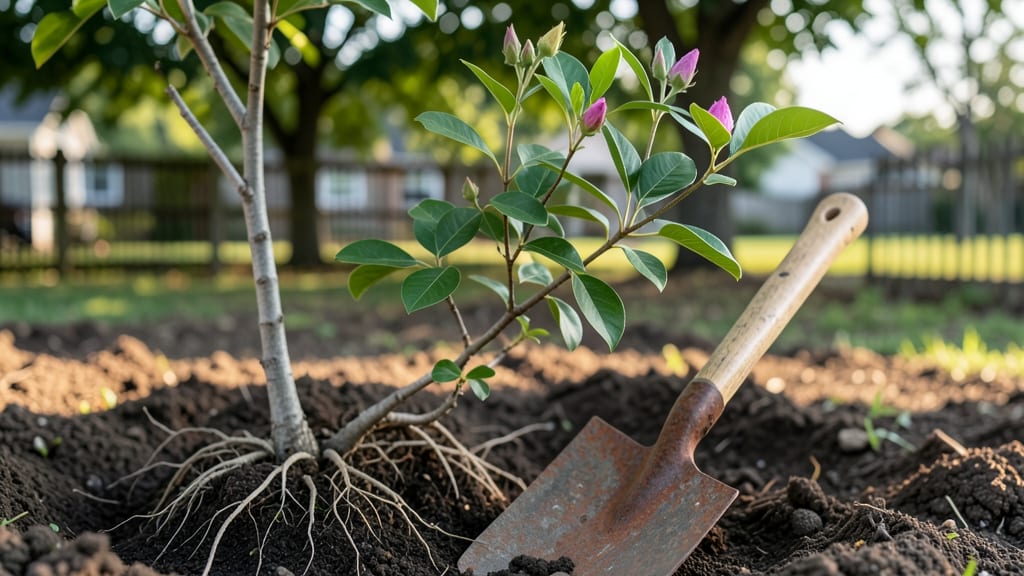
Planting a crape myrtle tree in the Pacific Northwest means choosing the right timing and technique to ensure those vibrant blooms take hold. I’ve learned that spring or early fall planting gives roots the best chance to establish before summer’s heat or winter’s chill sets in.
The key isn’t just digging a hole—it’s creating the right conditions for revival, especially in our region’s cooler, wetter climate.
Start with a healthy tree from a reputable nursery, one with strong stems and no signs of disease. Amend your soil with compost to improve drainage, since crape myrtles hate soggy roots.
Space your tree 10 to 15 feet from other plants, giving it room to grow into its full, striking form. The planting depth is critical, too—set it so the top of the root ball sits just above ground level to prevent rot.
Water deeply right after planting, then keep the soil consistently moist for the first few weeks. Mulch around the base to retain moisture and protect roots, but avoid piling it against the trunk.
Within a season, you’ll see new growth signaling success—those first leaves mean your tree is reviving and ready to thrive in your landscape.
This method works for both young trees and larger specimens, though smaller ones establish faster. Avoid common mistakes like planting too deep or overwatering, which can suffocate roots.
With the right care, your crape myrtle will reward you with years of bold, summer-long blooms that brighten even the driest Pacific Northwest days.
📚 In This Guide
- What you need
- Instructions
- Tips and common mistakes
- Wrapping up and next steps
What you need
- ● Crape myrtle tree: 1 bare-root or container-grown sapling (choose a variety suited for your zone, like Lagerstroemia fauriei for PNW resilience).
- ● Shovel or trowel: 1 medium-sized digging tool (for planting holes).
- ● Garden gloves: 1 pair (to protect your hands from soil and thorns).
- ● Mulch: 2–3 bags (3–4 inches of organic mulch, like pine bark or wood chips, to retain moisture and suppress weeds).
- ○ Well-draining soil mix (optional but recommended for PNW): 50% native soil
- ● 30% compost
- ● 20% coarse sand or perlite (to improve drainage).
- ● Watering can or hose with a gentle spray nozzle: 1 (for post-planting hydration).
- ● Stakes & twine (for young trees): 2–3 stakes + twine (to provide support if needed).
- ● Fertilizer: 1 slow-release, balanced fertilizer (10-10-10 or similar) to give your tree a nutrient boost.
- ● Tree collar guard: 1 (to protect the trunk from lawnmower damage).
- ● Soil pH tester: 1 (crape myrtles prefer slightly acidic to neutral soil, pH 6.0–7.0).
- ● Pruning shears: 1 pair (for shaping or removing dead branches post-planting).
- ● Epsom salt: 1 small bag (a magnesium boost can help with leaf health in PNW’s cooler climates).
Step-by-step guide for planting a crape myrtle tree
Here's how to plant a crape myrtle with confidence, using proven techniques for strong root growth.
Choose the Right Location and Prepare the Soil
Crape myrtles thrive in full sun—pick a spot that gets at least 6-8 hours of direct sunlight daily. In the Pacific Northwest, where summers can be mild, a south- or west-facing site works best. Avoid low spots where water pools, as soggy soil leads to root rot.
Test the soil by digging a 12-inch deep hole. If the soil is heavy clay or compacted, mix in 2-3 inches of compost or organic matter to improve drainage. Crape myrtles tolerate a range of soil types but perform best in well-draining, slightly acidic soil with a pH of 5.5-6.5. If your soil is alkaline, amend it with sulfur or peat moss before planting.
Dig the Planting Hole and Amend as Needed
Dig a hole twice as wide as the root ball but only as deep as the container it came in. This prevents burying the trunk too deeply, which can cause girdling and weaken the tree. If the root ball is tightly bound, loosen the roots gently with your fingers or a knife to encourage outward growth.
Place the tree in the hole so the top of the root ball sits level with the surrounding soil. Fill the hole halfway with native soil mixed with a handful of slow-release fertilizer (like 10-10-10). This gives the tree a nutrient boost without overwhelming it. Tap the soil lightly to remove air pockets, then add more soil until the hole is ¾ full. Water deeply to settle everything in place.
Backfill, Water, and Mulch Properly
Finish filling the hole with soil, mounding it slightly around the base to create a small water-retaining well. Press down gently to eliminate gaps, but avoid compacting the soil too firmly. Water the tree deeply once more to ensure the roots make contact with moist soil.
Spread 2-3 inches of mulch (like wood chips or shredded bark) over the soil surface, keeping it 6 inches away from the trunk to prevent rot. Mulch helps retain moisture and regulate soil temperature, but too much can suffocate the roots. Water the tree once a week for the first month, ensuring the soil stays evenly moist but not soggy. In the Pacific Northwest’s cooler summers, you may need to water less frequently.
Stake and Protect the Tree if Necessary
If your crape myrtle is tall or top-heavy, use two stakes placed on opposite sides of the tree, tied loosely with soft tree ties or strips of fabric. Position the stakes just outside the root ball to avoid damaging the trunk. Secure the tree to the stakes without constricting it—you want to stabilize it without restricting growth.
In windy areas or during storms, additional support may be needed. Once the roots establish (usually after 6-12 months), the tree will stand on its own. Remove the stakes gradually to avoid shocking the tree. If you notice the ties digging into the bark, loosen or replace them immediately.
Monitor and Maintain for Long-Term Health
After planting, keep an eye on the tree for signs of stress, like yellowing leaves or wilting. These can indicate overwatering, underwatering, or poor drainage. Crape myrtles are drought-tolerant once established, so adjust your watering schedule based on rainfall and soil moisture—water when the top 2 inches of soil feel dry.
Fertilize lightly in early spring with a balanced fertilizer to encourage new growth. Prune in late winter or early spring to remove dead wood and shape the tree, but avoid heavy pruning, which can reduce flowering. With proper care, your crape myrtle will reward you with stunning blooms for years to come.
Tips & tricks for planting a crape myrtle tree
Here's what I wish I knew before planting my first crape myrtle—these tricks help your tree thrive from day one.
Sunlight Strategy: While 6-8 hours of sun is ideal, Pacific Northwest summers can be deceptive. If your site gets afternoon shade, position the tree to catch the strongest morning sun. Crape myrtles will still bloom but may produce fewer flowers in less-than-ideal light conditions. I've seen them adapt to 5 hours of sun, but the blooms won't be as vibrant.
Soil Test Tip: Before amending your soil, do a simple pH test using a kit from your local garden center. If your soil tests above 6.5, you'll need to mix in sulfur or peat moss at planting time. I've planted in soil that tested 7.2, and while the tree survived, it took two years to really establish compared to trees in ideal 5.5-6.5 range soil.
Root Ball Prep: When loosening tightly bound roots, be gentle but thorough. I use my fingers to separate roots at the edges of the root ball, working my way inward. This encourages roots to spread outward into the surrounding soil rather than circling around the root ball. If you're planting in heavy clay soil, you might want to soak the root ball for 10-15 minutes before planting to help break up compacted soil.
Watering Wisdom: That first week is critical. Water deeply once a week for the first month, but check the soil before each watering. Stick your finger 2 inches into the soil—if it's dry, water thoroughly. If it's still moist, wait another day. Overwatering is just as damaging as underwatering, especially in our Pacific Northwest climate where cool, damp conditions can promote root rot.
Pro Tips for How Do You Plant A Crape Myrtle Tree
- Here's what I wish I knew before planting my first crape myrtle—these tricks help your tree thrive from day one.
- Sunlight Strategy: While 6-8 hours of sun is ideal, Pacific Northwest summers can be deceptive.
- Soil Test Tip: Before amending your soil, do a simple pH test using a kit from your local garden center.
Frequently asked questions
about planting crape myrtles—especially in the Pacific Northwest—can save you time and frustration. Here are answers to the most common queries to ensure your tree thrives!When is the best time to plant a crape myrtle in the PNW?
The ideal window is early spring (March–April) or early fall (September–October). Avoid planting in summer heat or winter frost, as these extremes stress young roots. If you must plant in summer, water deeply daily and use shade cloth to protect the tree.
Will crape myrtles survive the PNW’s wet winters?
Yes! While they prefer well-drained soil, crape myrtles are hardy to USDA zones 6–9. In the PNW, choose dwarf varieties (like ‘Acoma’ or ‘Tonto’) for smaller gardens, and plant on a slight mound to improve drainage. Mulch heavily (3–4 inches) to insulate roots from cold and retain moisture.
Can I plant a crape myrtle from a nursery pot in rainy weather?
Rainy conditions aren’t ideal, but you can plant during light showers. Dig the hole before rain arrives to avoid soggy soil. If the ground is waterlogged, wait 2–3 days for it to dry slightly. Amend heavy clay soil with compost to prevent root rot—PNW’s signature dampness can be tricky!
What’s the best alternative if my soil is too acidic for crape myrtles?
Crape myrtles prefer slightly acidic to neutral soil (pH 5.5–7.0). If your PNW soil is too acidic (common in areas like western Washington), try:
- Japanese maple (tolerates acidity, stunning foliage)
- Smoke tree (Cotinus) (drought-tolerant, thrives in zones 3–8)
- Oakleaf hydrangea (adapts well to acidic soil, blooms late summer)
Why are my new crape myrtle leaves turning yellow?
Yellowing leaves often signal overwatering or poor drainage. Check for:
- Soggy soil (stick your finger 2 inches deep—if wet, reduce watering)
- Root rot (black, mushy roots? Prune affected areas and repot if in a container)
- Nutrient deficiency (feed with a balanced 10-10-10 fertilizer in spring)
Wrapping up and next steps
Planting a crape myrtle tree in the Pacific Northwest is a rewarding way to add vibrant color and resilience to your landscape!
With the right soil prep, root revival method, and ongoing care, you’ll enjoy stunning blooms for years. 🌸 Whether you’re a beginner or a seasoned gardener, this guide gives you the confidence to succeed.
Now that you’re ready to plant, take the next step: watch your tree thrive by monitoring its progress and adjusting care as needed. Happy planting—your future blooms will thank you! 🌱