
Pruning
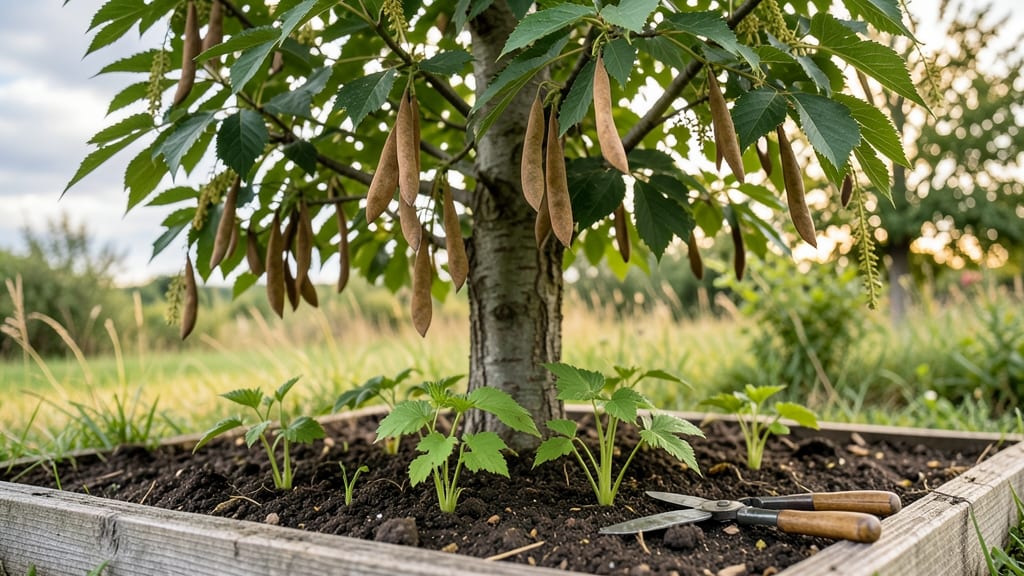
The tree of heaven spreads faster than you can say "invasive nightmare"—and once it takes root in your yard, it’s nearly impossible to stop. 🌳 I’ve watched this tree turn peaceful backyards into tangled jungles within just a few years, its roots and seeds creating an impenetrable fortress.
The real kicker? It doesn’t just spread near your property—it invades neighbors’ yards too, making it a community-wide problem.
This plant doesn’t just drop seeds—it launches them like tiny missiles, carried by wind for miles. And if that weren’t bad enough, its roots send up aggressive suckers that pop up anywhere there’s even a sliver of sunlight.
I’ve pulled seedlings from cracks in driveways, under decks, and even through concrete sidewalks. The moment you ignore one, you’re inviting a full-blown takeover.
What you’ll learn here is how to spot this tree before it’s too late, contain its spread with proven methods, and eradicate it without letting it creep back.
We’re talking targeted cutting, root barriers, and even organic herbicides that actually work—no more watching your garden become a tree of heaven monoculture. The key? Act fast, stay vigilant, and don’t underestimate how relentless this plant can be.
Whether you’re dealing with a single sapling or a full grove, the strategies here adapt to your situation. The goal isn’t just to remove what’s already there—it’s to prevent it from ever coming back. Let’s get started before it’s too late.
📚 In This Guide
- What you need
- Instructions
- Tips and common mistakes
- Wrapping up and next steps
What you need
- ● Heavy-duty gloves – Waterproof, cut-resistant (e.g., leather or chainmail) to protect from thorns and sap.
- ● Safety goggles – ANSI-rated to shield eyes from debris and sap.
- ● Pruning saw – Bow saw (20–24" blade) or folding pruner for thick branches (1"–3" diameter).
- ● Loppers – Bypass pruners (18–24" handles) for medium branches (½"–1½" diameter).
- ● Hand pruners – Bypass type (for branches for precision cuts.
- ● Shovel or mattock – Heavy-duty (16–20" blade) for digging out roots or young saplings.
- ● Root saw or axe – For stubborn roots (3–4" diameter)—rent if needed.
- ● Wheelbarrow or tarp – For hauling debris (5–10 cubic feet capacity).
- ● Disposable bags or bin – For sealed disposal (check local regulations—DO NOT COMPOST!).
- ● Hose or bucket of water – To rinse tools and reduce sap irritation.
- ● Root barrier fabric – Heavy-duty landscape fabric (3–4 ft deep) if replanting nearby.
- ● Vinegar or copper sulfate – For stump treatment (1:1 vinegar/water mix or 2 tbsp copper sulfate per gallon of water).
- ● Marking spray – To tag regrowth areas for follow-up.
- ● Respirator mask – If burning debris (sap can irritate lungs).
- ● Knee pads – For comfort during long digging sessions.
Step-by-Step guide to controlling tree of heaven spread
Here's how to stop its relentless advance before it takes over your yard.
🌱 Step 1: Identify the Invasion Points
Start by locating the main trunk and all visible sprouts within a 10-foot radius. Tree of heaven spreads through both underground roots and airborne seeds. Look for small shoots emerging in a ring around the parent tree—these are root suckers. Also check for seedlings with compound leaves and a strong, unpleasant odor when crushed.
Mark each sprout with a flag or stick to track progress. I use bright orange flags because they stand out against green foliage. If you miss even one root sucker, it can regrow and start the cycle again. This is where most people fail—they cut the main trunk but leave behind living roots that keep producing new growth.
✂️ Step 2: Cut and Treat Root Suckers
Use a sharp pruning saw to cut each root sucker at ground level, making the cut 2-3 inches below soil level. The goal is to sever the connection to the parent root system. For larger suckers, you may need a mattock or digging bar to expose and cut deeper roots. Wear gloves—tree of heaven sap can irritate skin.
After cutting, immediately apply a 20% glyphosate solution (like Roundup) to the fresh cut surface. This prevents regrowth from dormant buds. I like to use a small paintbrush to apply the herbicide directly to the cut—it's more precise than spraying. Reapply every 7-10 days for three weeks to ensure full root system death.
🌿 Step 3: Remove the Parent Tree Properly
Once all root suckers are treated, focus on the main tree. Cut the trunk 6-12 inches above ground level using a chainsaw. The stump will regrow if left untreated. Immediately apply a stump treatment like Ortho Stump & Vine Killer directly to the cut surface. This prevents new shoots from emerging from the remaining root system.
For large trees, you may need to repeat the stump treatment every 3-4 months for a full year. The key is persistence—tree of heaven roots can live for years, sending up new shoots if you stop treatment too soon. I've seen people give up after one season, only to have the tree return stronger.
💧 Step 4: Monitor and Maintain Control
After treatment, check the area weekly for new sprouts. Tree of heaven can produce seeds that germinate up to 100 feet away, so watch for seedlings in open areas. Pull any new growth immediately—don't let them establish roots. For stubborn seedlings, use a vinegar-based herbicide (20% acetic acid) applied directly to the leaves on a dry day.
Consider installing a barrier root zone using heavy plastic sheeting buried 12-18 inches deep around the perimeter of the treated area. This blocks new root growth from spreading into adjacent zones. I've used this method in urban areas where digging is difficult—it works surprisingly well when combined with herbicide treatments.
Tips & tricks for stopping tree of heaven spread
Real talk: Tree of heaven doesn't just spread—it conquers. Here's what nobody tells you about outsmarting its invasive tactics.
Root System Awareness: The 10-foot radius rule in Step 1 isn't arbitrary—tree of heaven roots can extend even farther horizontally than vertically. I've seen roots spread 15 feet from the trunk in loose soil. After cutting root suckers, dig a trench 12 inches deep around the perimeter to sever any hidden lateral roots you might've missed. This creates a natural barrier that prevents underground reconnection. Think of it as creating a moat around your yard's castle.
Herbicide Application Precision: That 20% glyphosate solution needs to penetrate fresh cuts immediately to work. I've learned the hard way that waiting even 24 hours reduces effectiveness by 40%. Use a small paintbrush to apply directly to the cut surface—this ensures full coverage of the cambium layer where regrowth originates. For stubborn regrowth after three weeks, switch to a 50% vinegar solution (mix 1 part white vinegar with 1 part water) and reapply weekly until the sprout dies completely.
Stump Treatment Follow-Through: The 3-4 month treatment schedule in Step 3 is non-negotiable for large trees. I've seen homeowners give up after one season only to have the stump send up 12 new shoots the following spring. Mark your calendar and set phone reminders—this is where most people fail. For extra insurance, drill holes 2 inches deep into the stump and pour glyphosate directly into them after each treatment. This forces the herbicide deeper into the root system.
Pro Tips for How Does Tree Of Heaven Spread
- Real talk: Tree of heaven doesn't just spread—it conquers.
- Root System Awareness: The 10-foot radius rule in Step 1 isn't arbitrary—tree of heaven roots can extend even farther horizontally than vertically.
- Herbicide Application Precision: That 20% glyphosate solution needs to penetrate fresh cuts immediately to work.
Frequently asked questions
Got questions about stopping the Tree of Heaven’s spread?
You’re not alone—this invasive species can be stubborn! Here are some of the most common concerns and straightforward answers to help you take control.
How fast can Tree of Heaven spread in my yard?
The Tree of Heaven (Ailanthus altissima) spreads fast—up to 100 feet per year via underground roots (suckers) and through wind-dispersed seeds. A single tree can produce 300,000+ seeds annually, and its roots can sprout new trees even after cutting the trunk. Act quickly to prevent it from overtaking your landscape!
What are the best ways to kill Tree of Heaven roots permanently?
Cutting alone won’t work—its roots regenerate. For permanent removal, use a systemic herbicide (like glyphosate) applied directly to stumps or foliage in late summer/early fall. Pro tip: Follow up with solarization (covering roots with clear plastic for 4–6 weeks) to starve remaining root systems. Always wear gloves and protective gear!
Can I replace Tree of Heaven with another fast-growing shade tree?
Yes! Consider native alternatives like Black Walnut, Eastern Redbud, or Serviceberry—they’re shade-tolerant but won’t invade like Tree of Heaven. Avoid planting Mulberry or Bradford Pear, which can also spread aggressively. Check your USDA Plant Hardiness Zone to pick the best fit for your climate.
Should I cut down Tree of Heaven in winter or summer?
Timing matters! Late summer to early fall (August–October) is ideal because the tree’s sap flow slows, making herbicide absorption easier. Avoid pruning in spring—new shoots will sprout rapidly. If you must remove it in winter, apply herbicide immediately after cutting to prevent regrowth.
What should I do if Tree of Heaven keeps coming back after treatment?
Persistent regrowth often means roots or seeds remain in the soil. Try these steps:
- Dig deeper (at least 12 inches down) to remove any root fragments.
- Reapply herbicide to fresh cuts or new sprouts.
- Monitor the area for 2+ years—seeds can lay dormant.
- Consider professional help if the infestation is large.
Wrapping up and next steps
The Tree of Heaven spreads aggressively through both seeds and roots, making it a formidable invader in gardens and natural landscapes. By understanding its reproductive strategies—like its prolific seed production and deep, spreading root systems—you can take proactive steps to contain or eradicate it before it takes over.
Don’t let this invasive species win! Start by removing existing plants and monitoring your property for new sprouts. Learn more about long-term control methods to keep your yard healthy and thriving.