
Propagation
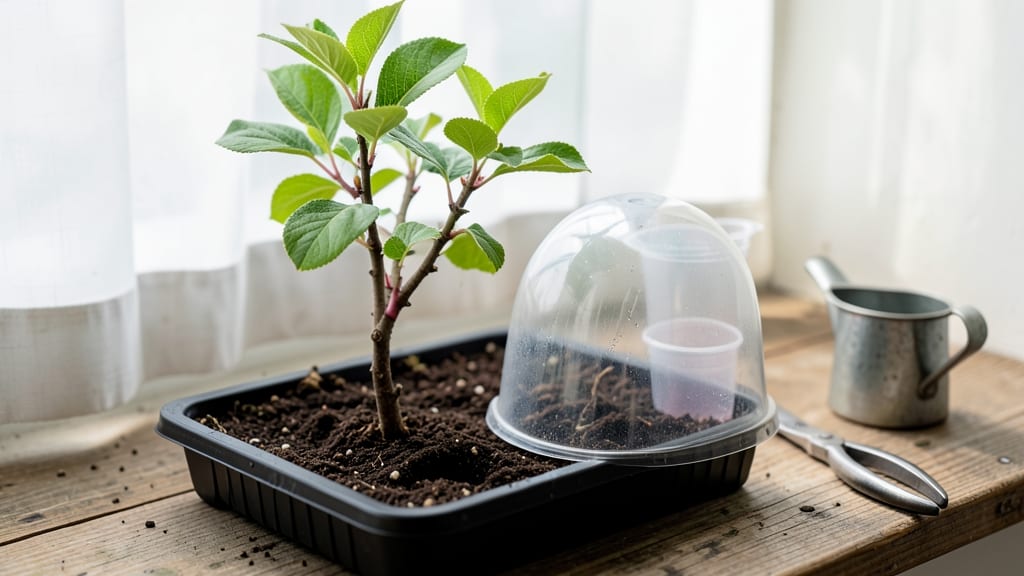
Germinating apple tree seeds takes patience—but the payoff is worth it. ✨ Those tiny seeds from a backyard apple can grow into a tree that produces fruit in 5-10 years, and the process starts with a simple trick called cold stratification.
The key is mimicking winter’s natural chilling period to break dormancy, and I’ve perfected a foolproof method that works even for beginners.
You’ll need just a few supplies: apple seeds (fresh is best), a damp paper towel or peat moss, a sealed container, and a freezer. The process takes about 3 months, with seeds sprouting in late winter when planted outdoors.
The biggest challenge is waiting—some seeds take weeks longer than others—but consistency with moisture and temperature is what makes the difference.
Once those first green shoots appear, you’ll transplant them into pots, and within a few months, you’ll have sturdy seedlings ready for the garden. The roots develop slowly at first, but with proper care, you’ll end up with a hardy young tree that can handle your climate’s winters.
This method works for any apple variety, though heirloom seeds often produce the most exciting surprises.
Fair warning: Grafting later will be needed for consistent fruit, but the thrill of growing from seed is unmatched. Whether you’re planting in a backyard or container, the same principles apply—just adjust timing for your local frost dates. Let’s get those seeds sprouting!
📚 In This Guide
- What you need
- Instructions
- Tips and common mistakes
- Wrapping up and next steps
What you need
- ● Apple seeds: 5–10 fresh, plump seeds from a ripe apple (avoid hybrid varieties—stick to heirloom or named cultivars for better results).
- ● Paper towels or coffee filters: 2–3 sheets (for moisture retention during stratification).
- ● Plastic bag or airtight container: A quart-sized ziplock bag works perfectly.
- ● Refrigerator: A standard fridge with a temperature range of 34–40°F (1–4°C) for cold stratification.
- ● Spray bottle with water: To keep seeds hydrated without over-saturating.
- ● Small pots or seed trays: 3–4 inch pots with drainage holes (for transplanting after germination).
- ● Potting mix: A well-draining, sterile mix (cactus/succulent blend or 50% perlite/50% peat moss).
- ○ Heat mat (optional but helpful): To maintain soil warmth (70–75°F / 21–24°C) post-stratification.
- ● Labeling tags: To track seed varieties and germination dates.
- ● Humidity dome: For creating a mini greenhouse effect after planting.
- ● Grow lights: If natural light is limited (12–16 hours/day post-germination).
- ● Fungicide: A light spray to prevent mold during stratification.
Step-by-Step instructions for germinating apple tree seeds
Here's how to break dormancy and coax life from apple seeds—no fancy tools needed.
🌱 Step 1: Extract and Clean the Seeds
Start with fresh apple seeds—never store-bought, as they're often treated to prevent sprouting. Cut open the apple and scoop out the seeds, then rinse them thoroughly under cool water to remove any fruit flesh. This prevents mold and rot during stratification.
Spread the seeds on a paper towel and let them air-dry for 24 hours at room temperature. You'll know they're ready when they feel dry to the touch but don't crumble. Store them in a sealed container lined with a damp paper towel until you're ready to stratify—this keeps them from drying out completely.
⏰ Step 2: Stratify in the Fridge for 8-12 Weeks
Place the damp paper towel with seeds inside a ziplock bag and seal it tightly. This mimics winter conditions, breaking dormancy. Put the bag in the fridge's crispier drawer (around 35-40°F) for 8-12 weeks. Check monthly—if the towel dries out, spritz it lightly with water and reseal.
Here's the thing—don't rush this step. The cold period mimics natural winter, and skipping it means seeds may never sprout. You'll see tiny white roots (radicles) emerge after 4-6 weeks of stratification—that's your cue to move to the next phase.
🌿 Step 3: Plant Stratified Seeds in Moist Soil
Fill small pots (3-4 inches deep) with sterile potting mix (not garden soil—it's too dense). Plant each seed ½ inch deep, spacing them 2 inches apart to avoid crowding. Water gently until the soil feels evenly moist—no puddles, just dampness.
Cover the pots with clear plastic wrap or a humidity dome to retain warmth and moisture. Place them in a warm spot (65-75°F) like on top of the fridge. Germination can take 2-4 weeks, but be patient—some seeds take longer. You'll notice tiny sprouts first, followed by the first true leaves.
☀️ Step 4: Provide Light and Gradual Hardening
Once sprouts appear, remove the plastic and move pots to bright, indirect light (a south-facing window works). Avoid direct sun at first—young seedlings are sensitive. After 2-3 weeks, when seedlings have 2-3 sets of leaves, introduce them to morning sun for 1-2 hours daily, gradually increasing exposure.
This is the moment that matters: Overwatering now causes damping-off, a fungal disease that collapses stems overnight. Water only when the top inch of soil feels dry, and use a spray bottle to avoid disturbing delicate roots.
🪴 Step 5: Transplant Seedlings to Larger Pots
When seedlings reach 4-6 inches tall (after 3-4 months), transplant them to 5-gallon pots with fresh potting mix. Handle roots gently—apple seedlings are fragile. Bury them slightly deeper than before to stabilize stems, but leave the top set of leaves above soil level.
Place the pots outside in partial shade for 1 week to acclimate. Then, move them to full sun (6+ hours daily). You'll see new growth within 2 weeks—that's your signal the seedlings are thriving. Keep soil consistently moist but never soggy.
Tips & tricks for germinating apple tree seeds
Don't let impatience ruin your apple tree dreams—these key tricks will help you coax life from those tiny seeds.
Seed Selection Matters: Always use seeds from fresh, organic apples—store-bought seeds are often chemically treated to prevent sprouting. I learned this the hard way after struggling with seeds from grocery store apples that never germinated. Look for seeds that are plump and firm, not shriveled or discolored, for the best success rate.
Stratification Timing Secret: The 8-12 week cold stratification period in Step 2 is non-negotiable—this mimics winter conditions that break seed dormancy. If you're short on time, you can extend it up to 16 weeks, but don't rush it. I've seen radicles appear as early as 4 weeks, but patience here means higher germination rates. Mark your calendar when you start this phase!
Soil Preparation Tip: For Step 3, mix your sterile potting soil with a bit of perlite or vermiculite (about 10% by volume) to improve drainage. Apple seedlings hate soggy roots, and this simple adjustment prevents the dreaded damping-off disease that can wipe out your seedlings overnight. I use a 90/10 ratio of potting mix to perlite for perfect balance.
Light Transition Strategy: When moving seedlings to sunlight in Step 4, start with just 1-2 hours of morning sun as instructed, but watch for leaf color changes. If leaves develop yellow patches, they're getting too much direct sun—gradually increase exposure over 1-2 weeks instead of all at once. This slow transition prevents sunburn that can stunt growth.
Pro Tips for Germinate Apple Tree Seeds
- Don't let impatience ruin your apple tree dreams—these key tricks will help you coax life from those tiny seeds.
- Seed Selection Matters: Always use seeds from fresh, organic apples—store-bought seeds are often chemically treated to prevent sprouting.
- Stratification Timing Secret: The 8-12 week cold stratification period in Step 2 is non-negotiable—this mimics winter conditions that break seed dormancy.
Frequently asked questions
Got questions?
Germinating apple seeds can feel like a gamble—here’s what you need to know to avoid common pitfalls and boost your success rate.
How long does it take for apple seeds to germinate?
With cold stratification, expect sprouts in 4–12 weeks after planting. Some seeds may take longer (up to 6 months), especially if they’re old or poorly stratified. Patience is key—keep the soil moist and warm (60–70°F) once stratification ends.
Can I grow an apple tree from any apple seed?
Nope! Seeds from store-bought apples often produce wild, unpredictable trees with different flavors, sizes, or even thorns. For reliable fruit, use seeds from heirloom or grafted trees (if you know the variety) or buy certified apple tree seeds from nurseries.
What if my seeds rot during stratification?
Overly wet or moldy seeds are a red flag. If you see fuzzy mold or a foul smell, your seeds may be rotting. Fix it by drying the mix slightly, using sterile peat moss, or adjusting your container’s drainage. Discard any slimy seeds—they won’t sprout!
Do I need to plant seeds outdoors right away after stratification?
Not yet! Start indoors in small pots with well-draining soil, then harden off seedlings (acclimate to outdoor temps) for 2–3 weeks before transplanting after the last frost. Young trees are delicate—rushing outdoors can shock them.
What if my seeds don’t sprout at all?
Try these fixes:
- Check viability: Test-float seeds—sinkers are viable, floaters are dead.
- Re-stratify: Some seeds need longer cold exposure (try 3–4 months).
- Use a germination aid: Soak seeds in hydrogen peroxide (3%) for 24 hours to boost sprouting.
Wrapping up and next steps
Germinating apple tree seeds may take patience, but the reward of nurturing a fruit-bearing tree from scratch is incredibly satisfying!
By following cold-stratification techniques and giving your seeds the right care, you’re well on your way to growing a thriving sapling. Now’s the time to celebrate your green thumb—once your seedlings sprout, transplant them into pots or directly into the soil and watch them flourish!
Ready for the next step? Research proper planting techniques or explore grafting methods to ensure your young tree grows into a healthy, productive fruit tree. Happy gardening! 🌱🍏