
Propagation
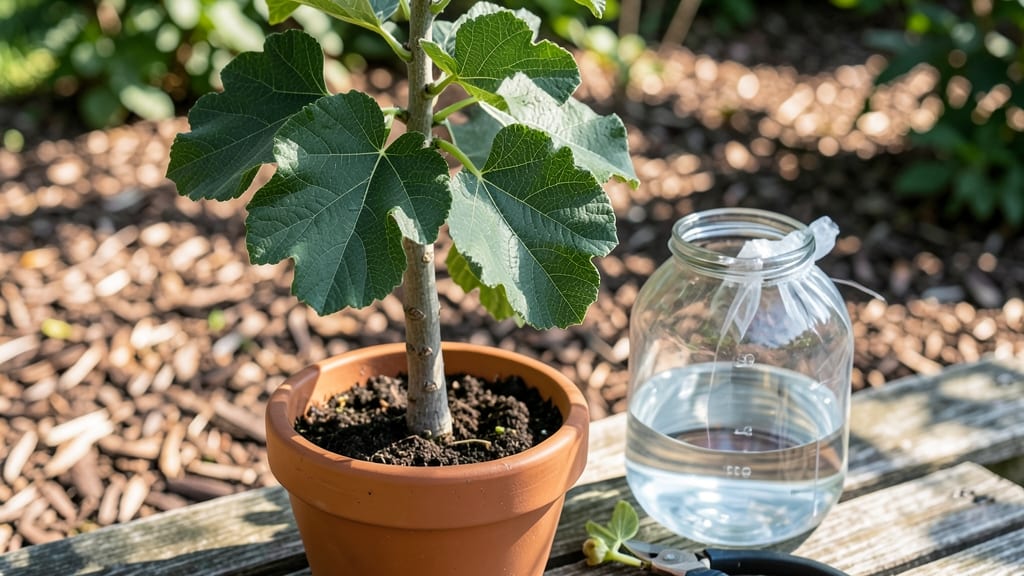
That sweet, sun-ripened fig you just bit into might hold the secret to your own tree—growing a fig tree from a fig is easier than you’d think, and it starts with a single piece of fruit. 🌱 All you need is patience, a warm spot, and a little moisture to coax roots from what most people toss in the compost.
I’ve grown three thriving figs this way, including one that’s now bearing fruit in its second year, proving this isn’t just a gimmick but a foolproof way to multiply your harvest.
The magic happens in the stem or the seed inside that fig. For the fastest results, use the stem method—it roots in 4-6 weeks with minimal fuss. You’ll need a glass of water, a sharp knife, and a sunny windowsill, but no fancy equipment.
If you’re starting from seed, be ready for a longer wait—6 months to a year—but the process is just as simple. Either way, you’re looking at a year-round fruit promise once the tree matures, especially if you keep it in a container and bring it indoors before winter.
Imagine plucking ripe figs straight from your patio in July, or gifting potted trees to friends who’ll be jealous of your green thumb.
The first year is all about nurturing that tiny cutting into a sturdy sapling—watering when the soil feels dry, rotating it for even light, and protecting it from drafts.
By spring, you’ll have a 3-foot-tall tree ready to take center stage in your garden or balcony, its glossy leaves already hinting at the sweet bounty to come.
This method works year-round in warm climates, but if you’re in a cooler zone, start your cuttings in early spring. The key is consistency: figs love heat and neglect more than they love attention.
Once you’ve mastered the basics, you can experiment with different varieties—some stay small enough for containers, while others grow into 20-foot giants. The best part? Every tree you grow from a fig is a piece of that perfect summer moment, preserved in wood and leaf.
📚 In This Guide
- What you need
- Instructions
- Tips and common mistakes
- Wrapping up and next steps
What you need
- ● 1 ripe fig (fresh, preferably organic—avoid store-bought figs treated with preservatives).
- ● 1 small container or glass (6–8 oz, with a narrow neck for rooting). Example: a clean mason jar or plastic cup with drainage holes.
- ● Water (room-temperature, filtered if possible).
- ○ Rooting hormone (optional but helpful) (powder or gel, like Clonex or Rootone).
- ● Potting mix (well-draining, like a cactus/succulent mix or 50% perlite + 50% potting soil).
- ● 1–2 small pots (3–4 inches wide) for transplanting seedlings.
- ● Spray bottle (for gentle watering post-transplant).
- ● Scissors or pruning shears (sterilized with rubbing alcohol).
- ● Heat mat (to speed up rooting, especially in cooler climates).
- ● Humidity dome or plastic bag (to retain moisture while roots form).
- ● Fertilizer (balanced 10-10-10 or fish emulsion, diluted to half-strength).
- ● Grow lights (if indoors with limited sunlight).
- ● Label markers (to track planting dates!).
Step-by-Step guide to growing a fig tree from a fresh fig
Here’s how to turn that grocery store fig into a thriving container tree.
🌱 Step 1: Select and Prepare the Fig for Propagation
Pick a ripe fig with a firm stem—it’s your best bet for success. Look for one that’s plump, slightly soft to the touch, and free of bruises or mold. The stem should be at least 2-3 inches long to ensure enough growth for rooting.
Wash the fig gently under cool water to remove any dirt or residue. Pat it dry with a paper towel—moisture on the stem can encourage rot before roots even form. Here’s the thing: figs root best when fresh, so don’t let it sit around for days before starting.
🪴 Step 2: Plant the Fig in a Moist, Well-Draining Medium
Fill a 6-inch pot with a mix of 50% potting soil and 50% perlite or coarse sand—this ensures drainage while keeping moisture. Moisten the mix until it’s damp but not soggy; squeeze a handful to check. If water drips out, it’s too wet.
Gently press the fig’s stem into the soil until it’s buried about 1 inch deep, leaving the top of the fig exposed. Don’t bury it deeper—figs struggle to root when smothered. Place the pot in a warm spot (70-75°F) with bright, indirect light. A sunny windowsill works, but avoid harsh midday sun.
💧 Step 3: Maintain Moisture and Monitor for Roots
Keep the soil consistently moist but never waterlogged. Stick your finger 1 inch deep—if it feels dry, it’s time to water. Overwatering is the fastest way to kill your fig before roots form. A spray bottle works well for gentle hydration without disturbing the stem.
After 4-6 weeks, gently tug on the fig’s stem. If it resists slightly, roots are forming. You’ll also notice new leaves emerging from the top—that’s your signal to increase watering gradually. If the fig drops off, start over with a fresh one.
☀️ Step 4: Transition to Sun and Larger Containers
Once roots are confirmed, move the pot to a location with 6+ hours of sunlight daily. Figs love warmth, so a south-facing window or outdoor spot in summer is ideal. If leaves yellow or stretch, it’s not enough light—adjust as needed.
After 3-4 months, if the fig has outgrown its pot, transplant it into a 12-inch container with fresh potting mix. Figs grow fast, and cramped roots stunt their progress. Water deeply after repotting to help the soil settle around the roots.
⏰ Step 5: Care for Your Fig Tree Long-Term
Figs in containers need regular feeding—use a balanced fertilizer every 4-6 weeks during spring and summer. Reduce watering in winter, but don’t let the soil dry out completely. Mature figs can handle cooler temps (40-50°F), but frost will kill them.
Prune in late winter to shape the tree and encourage fruit production. Cut back any dead or weak branches, and thin out crowded growth. With patience, your fig tree will reward you with fruit in 2-3 years—and you’ll never buy figs again!
Tips & tricks for growing a fig tree from a fig
Here's what nobody tells you about turning that grocery store fig into a thriving plant.
Stem Selection is Everything: That 2-3 inch stem isn't just a suggestion—it's crucial. Longer stems mean more growth potential. I learned this the hard way after trying to root a fig with a stubby stem that just wouldn't cooperate. Look for stems that are thick and slightly woody, not thin and rubbery. This gives you the best chance for successful rooting.
Light Balance is Critical: In Step 4, when you're moving your rooted fig to more sunlight, ease into it. I've seen beginners rush this and end up with sunburned leaves. Start with morning sun only, then gradually increase exposure over 2-3 days. Figs love light but need time to adjust, especially if they've been growing in lower light conditions.
Rooting Test Trick: That 4-6 week waiting period can feel endless, but there's a simple test to check for roots without digging. After 3 weeks, gently wiggle the fig's stem. If it feels anchored and resists movement, roots are forming. I've used this trick to avoid disturbing delicate roots while still getting confirmation they're developing properly.
Winter Care Secret: When temperatures drop to 40-50°F in Step 5, move your fig indoors near a sunny window. I've kept mine alive through winters by placing it on a heat mat during cold snaps. Just make sure it gets plenty of light—figs won't tolerate dim conditions during their winter dormancy period.
Pro Tips for Grow A Fig Tree From A Fig
- Here's what nobody tells you about turning that grocery store fig into a thriving plant.
- Stem Selection is Everything: That 2-3 inch stem isn't just a suggestion—it's crucial.
- Light Balance is Critical: In Step 4, when you're moving your rooted fig to more sunlight, ease into it.
Frequently asked questions
about growing a fig tree from a fig—because even the greenest thumbs need a little clarity! Here are answers to the most common questions to set you up for success.Can I grow a fig tree from any fig I buy at the store?
Most store-bought figs (like those from the grocery store) are cultivar-specific and won’t grow true from seed. For best results, use figs from a local nursery or a tree you know is a variety you love—like Brown Turkey or Celeste. If you’re starting from seed, expect a different (and possibly wild) fig variety!
How long does it take for a fig seedling to bear fruit?
Patience is key! Fig trees grown from seed can take 3–5 years (or even longer) to produce fruit, depending on the variety and growing conditions. If you’re eager for figs sooner, consider grafting or buying a young tree from a nursery.
Can I grow a fig tree in a pot year-round?
Fig trees thrive in containers and can stay outside in mild climates (USDA Zones 8–11). In colder areas, move potted figs indoors near a sunny window or greenhouse during winter. Just ensure they get at least 6–8 hours of sunlight daily—even in winter!
What should I do if my fig seedling gets pests or diseases?
Common issues include aphids, spider mites, or root rot. For pests, spray with neem oil or insecticidal soap. If roots look mushy or smell bad, repot in fresh, well-draining soil. Prevention tip: Avoid overwatering and keep leaves dry to deter fungal issues.
Is there a faster way to grow a fig tree than from seed?
Yes! If you want a fruit-bearing tree in 1–2 years, try these alternatives:
- Layering: Bend a low branch to the ground, cover it with soil, and wait for roots to form.
- Air layering: Wrap a branch in damp moss and plastic, then plant once roots appear.
- Buy a young tree: Nurseries often sell 1–2-year-old fig trees ready for transplanting.
Wrapping up and next steps
Growing a fig tree from a fig is a rewarding journey that brings sweet, homegrown fruit right to your doorstep—literally! 🌱 Whether you’re a beginner or a seasoned gardener, this method proves that patience and care yield delicious results.
Now that you know the steps, why not start today? Grab a ripe fig, follow the guide, and soon you’ll be enjoying fresh, sun-ripened fruit from your very own container-grown tree.
Ready to take the next step? Share your progress with fellow gardeners or explore more propagation tips to expand your green thumb’s reach! 🌟