
Propagation
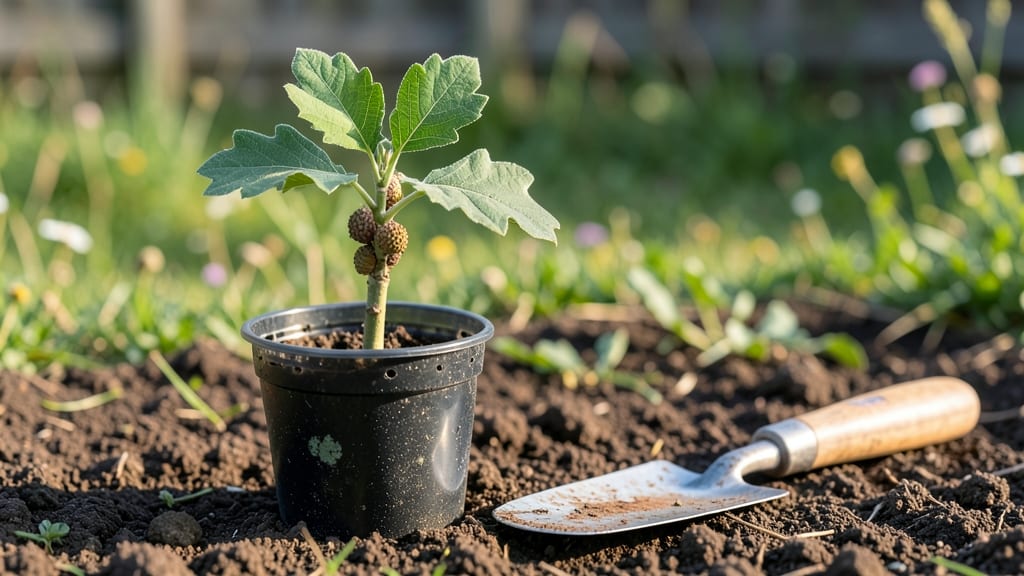
Growing an oak tree from an acorn is the ultimate test of patience—because the real magic starts years before you see a sapling. 🌱 My first attempt taught me that oak seeds need a winter chill to break dormancy, and rushing the process means waiting even longer for results.
The payoff? A tree that could live for centuries, starting from something no bigger than your thumbnail.
You’ll need a few simple supplies: fresh acorns from a mature oak (white oaks germinate faster), a pot with drainage, and a cold frame or refrigerator for stratification. Plant the acorn just deep enough so the cap stays above soil—too deep, and it rots; too shallow, and it dries out.
Most gardeners overlook this step, but it’s the difference between a thriving seedling and a lost cause.
By spring, you might see a tiny shoot, but don’t expect much growth at first—oaks are slow starters. Keep the soil consistently moist (not soggy) and in full sun, and within 2-3 years, you’ll have a sturdy 2-foot sapling ready for transplanting.
The wait is worth it when you realize you’re nurturing a future giant.
Common challenges include squirrels stealing acorns or mold from overwatering, but with proper care, your oak will outpace those problems. The first 5 years are the hardest—after that, it’s just watching your tiny tree grow into something monumental. Here’s how to make it through the early years without losing hope.
📚 In This Guide
- What you need
- Instructions
- Tips and common mistakes
- Wrapping up and next steps
What you need
- ● Fresh acorns: Collect at least 10–20 acorns from mature oak trees (preferably white oak or red oak). Ensure they’re plump, heavy, and free of cracks or holes.
- ● Well-draining potting mix: Use a blend of 50% peat moss or coconut coir, 30% perlite, and 20% sand (or a pre-mixed seed-starting mix).
- ● Small pots or seed trays: 3–4 inch diameter with drainage holes (one per acorn).
- ● Plastic wrap or humidity dome: To create a mini greenhouse effect.
- ● Spray bottle: For gentle watering (avoid over-saturating!).
- ● Grow lights or sunny windowsill: Acorns need bright, indirect light (6+ hours/day).
- ● Patience: 😉 Oak trees grow slowly—this isn’t a quick project!
- ● Acorn stratification setup: A refrigerator (40–50°F) to mimic winter cold if planting outside of fall.
- ● Fungicide: A light dose to prevent mold (like hydrogen peroxide or mycorrhizal inoculant).
- ● Larger nursery pots: 5–7 gallons for transplanting after germination.
- ● Mulch: Shredded bark or leaves to retain moisture in outdoor plantings.
- ● Tree tags or labels: To track planting dates and varieties.
Step-by-Step instructions for growing an oak tree from an acorn
Here's how I turn tiny acorns into towering oaks—it takes time, but the results are worth it.
🌱 Step 1: Collect and Prepare Your Acorns
Gather acorns from mature oak trees in late fall when they've fallen naturally. Avoid acorns with holes—they're likely infected. Store them in a breathable container like a mesh bag in the refrigerator until you're ready to plant, which can be the following spring or fall.
Before planting, soak the acorns in water for 24 hours to soften the shell. This helps break dormancy and encourages faster germination. I like to place them in a jar with a damp paper towel to keep them moist while they soak. After soaking, let them dry slightly so they don't rot.
🪴 Step 2: Plant the Acorns in a Container
Fill a 6-inch deep container with a mix of 50% potting soil and 50% perlite or sand for drainage. This prevents waterlogging, which can rot the acorn before it germinates. Press the soil down lightly to create a firm but not compacted surface—this helps the acorn stay in place.
Plant the acorn 1 inch deep in the soil, pointed end down. If you're unsure which end is up, don't worry—the acorn will orient itself correctly as it germinates. Place 2-3 acorns per container since not all will sprout. Water lightly until the soil feels evenly moist but not soggy.
☀️ Step 3: Provide the Right Conditions for Germination
Oak acorns need consistent moisture and warmth to germinate. Keep the soil moist by watering every 2-3 days until the top inch feels dry to the touch. Place the container in a warm, shaded spot—direct sunlight can dry out the soil too quickly, while too much shade may slow germination.
Germination can take 4-6 weeks, but sometimes it takes longer, especially if the acorn was stored for a while. Be patient! Once you see a small sprout, move the container to a bright, indirect light spot. Avoid strong afternoon sun at first—young seedlings are delicate and can scorch easily.
🌿 Step 4: Transplant and Care for Young Seedlings
When the seedlings reach 4-6 inches tall and have developed their first true leaves (not just the initial seed leaves), it's time to transplant them. Choose a larger container or a spot in the ground with well-draining soil. If planting outdoors, wait until spring or early fall to avoid frost damage.
Dig a hole twice as wide as the seedling's root ball but only as deep as the container it came from. Gently loosen the roots if they're tangled, then place the seedling in the hole and cover it with soil. Water deeply to settle the roots and encourage growth. Mulch around the base with 2-3 inches of organic mulch to retain moisture and protect the young roots.
⏰ Step 5: Nurture for Long-Term Growth
Young oak seedlings need regular watering—about 1 inch of water per week—but avoid overwatering, which can suffocate roots. As the tree grows, reduce watering frequency but increase the amount per session to encourage deep root development. Fertilize lightly in spring with a balanced, slow-release fertilizer to support steady growth.
Oaks grow slowly, so don't rush the process. In 3-5 years, you can transplant the young tree to its permanent location in the yard. Choose a spot with full sun and plenty of space—oaks need room to spread their roots and branches. With patience and care, your acorn will grow into a mighty oak tree!
Tips & tricks for growing an oak tree from an acorn
Here's what nobody tells you about growing oak trees from acorns—these tricks make all the difference between success and disappointment.
Acorn Selection Matters: Focus on acorns from white oak trees—they germinate more reliably than red oak acorns. Look for plump, whole acorns without cracks or holes, as these are less likely to be infected. I always collect mine from the ground under mature trees in late fall, when they've naturally fallen. The fresher the acorn, the better your chances of successful germination.
Soaking Technique: The 24-hour soaking period in Step 1 is crucial, but how you do it makes a difference. Use room-temperature water and place the acorns in a jar with a damp paper towel to keep them moist. After soaking, let them air dry slightly for about 30 minutes before planting—this prevents them from rotting in the soil. I've found that acorns soaked this way sprout about 2 weeks earlier than uns soaked ones.
Container Depth and Drainage: The 6-inch deep container specified in Step 2 needs proper drainage to prevent root rot. If you don't have perlite, you can substitute coarse sand or even small gravel at the bottom of the container. I like to add a thin layer of small rocks about 1 inch deep at the bottom before adding the soil mix—this creates a drainage layer that lasts the entire growing process.
Germination Patience: Those 4-6 weeks of waiting can feel endless, but don't be tempted to move the container or disturb the soil. Oak acorns need complete darkness to germinate properly. When you finally see sprouts, resist the urge to transplant immediately—wait until they reach 4-6 inches tall with true leaves before moving them, as specified in Step 4. This gives their delicate root systems time to establish.
Pro Tips for Grow An Oak Tree From An Acorn
- Here's what nobody tells you about growing oak trees from acorns—these tricks make all the difference between success and disappointment.
- Acorn Selection Matters: Focus on acorns from white oak trees—they germinate more reliably than red oak acorns.
- Soaking Technique: The 24-hour soaking period in Step 1 is crucial, but how you do it makes a difference.
Frequently asked questions
Got questions about growing an oak tree from an acorn? You’re not alone! Here are some of the most common queries—and their answers—to help you navigate this rewarding (but slow) journey.
How long does it take for an acorn to sprout?
Patience is key! Most acorns sprout within 4–8 weeks under ideal conditions (moisture, warmth, and darkness). Some may take longer—up to 3 months—so don’t lose hope if you don’t see immediate action. Keep the soil consistently damp and warm (around 70°F) to encourage germination.
Can I plant an acorn directly in the ground?
Yes, but timing matters! Plant acorns in fall or early winter (before the ground freezes) to mimic natural conditions. If planting in spring, pre-sprout them indoors first. Choose a spot with full sun and well-draining soil—oaks hate soggy roots. Bury the acorn 1–2 inches deep and water lightly.
Will my acorn survive the winter if planted outside?
Oak acorns are hardy and often self-stratify (a fancy term for needing cold to break dormancy) during winter. If you plant in fall, nature handles the chilling process. For spring planting, chill acorns in a damp paper towel in the fridge for 6–8 weeks first. Mulch the soil in winter to protect young roots.
What if squirrels or animals eat my acorns before they sprout?
Squirrels love acorns, but you can outsmart them! Collect acorns from the ground (not fresh from the tree) to reduce theft risk. Store them in a mesh bag or container with ventilation until planting. For extra security, plant acorns in wire cages or deep holes until sprouts appear.
What if my acorn doesn’t sprout at all?
Don’t give up! Some acorns are non-viable (especially from young or diseased trees). Try these fixes:
- Check freshness: Older acorns (>1 year) have lower success rates.
- Test viability: Fill a glass with water—sinkers are good, floaters are bad.
- Adjust conditions: Increase humidity (use a plastic bag) or warmth (try a seedling heat mat).
- Try a new acorn: Collect from multiple trees for better odds!
How big should my oak tree be before transplanting?
Wait until your sapling is 3–5 feet tall (usually 2–3 years old) and has a sturdy root system. Transplant in early spring or fall, water thoroughly, and use a root stimulator to reduce shock. Avoid moving oaks in summer heat—they’re sensitive to stress!
Wrapping up and next steps
Growing an oak tree from an acorn is a rewarding journey that teaches patience, care, and connection to nature—and yes, it’s absolutely possible! 🌱 With the right conditions, a little time, and consistent attention, your tiny acorn can grow into a mighty oak.
Start small, stay committed, and watch your efforts bloom into something truly majestic.
Ready to take the next step? Once your sapling is strong enough, consider transplanting it into a permanent spot in your yard. Celebrate every milestone—your future oak will thank you! 🌳