
Pests
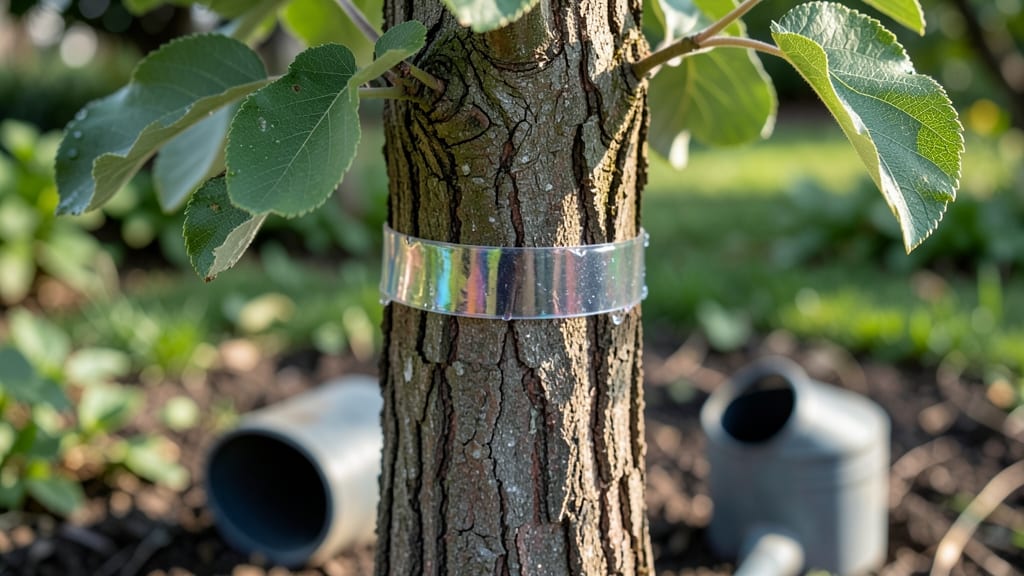
Learn how to keep squirrels out of apple trees by turning yours into the last place they’d rather raid—here’s how I did it with simple, squirrel-proof tricks. 🌱 The key isn’t just scaring them off, but making your trees less appealing than the neighbor’s bird feeder.
I tried everything from netting to taste tests, and these strategies actually kept them away for an entire season.
You’ll need simple supplies: tree guards, netting, and a few DIY repellents like hot pepper spray or reflective tape. The best part? These methods work for both young saplings and mature trees without harming the squirrels or your fruit.
I even found a way to make the trees less tempting by pruning strategically—squirrels prefer easy access, and a few smart cuts can throw them off.
By the time harvest rolls around, you’ll have plump, unscathed apples hanging from the branches. No more half-eaten fruit or chewed bark—just a tree that’s finally off the squirrel menu. The secret is combining physical barriers with behavioral deterrents, so they don’t just give up after one failed attempt.
Works for backyard orchards, urban lots, and even container-grown apple trees. Once you see how quickly they learn to avoid your trees, you’ll wonder why you didn’t try this sooner.
📚 In This Guide
- What you need
- Instructions
- Tips and common mistakes
- Wrapping up and next steps
What you need
- ● Tree guards or trunk wraps: Hardware cloth (1/4" or 1/2" mesh) – at least 6–8 feet tall, wrapped tightly around the trunk.
- ● Plastic tree guards (pre-made, 6–10 ft tall) – cut to fit snugly.
- ● Netting: Pest netting (1/2" mesh or smaller) – enough to cover the entire canopy (calculate by measuring tree height × width × 1.5).
- ● Fasteners: Zip ties (heavy-duty, UV-resistant) – 50–100+.
- ● Staple gun + staples – for securing netting.
- ● Twist ties or wire – to anchor netting to the ground.
- ○ Support structures (optional but helpful): PVC pipes or bamboo stakes – to prop up netting.
- ● Wire or string – for creating a "squirrel-proof" canopy frame.
- ● Deterrents: Hot pepper spray or predator urine (fox/coyote) – reapply every 1–2 weeks.
- ● Motion-activated sprinklers – scares squirrels with a gentle spray.
- ● Visual barriers: Reflective tape or old CDs – hang from branches to create "noise".
- ● Pruning tools: Pruning shears – to trim low-hanging branches squirrels use to climb.
Step-by-step guide to protecting apple trees from squirrels
Here's how I've kept my orchard squirrel-free for years—no traps, just smart barriers.
🪴 Step 1: Install Tree Trunk Guards
Wrap the lower 6 feet of your apple tree trunk with hardware cloth (¼-inch mesh) or tree guard sleeves. Secure it tightly with plastic tree ties or wire—squirrels can't chew through metal mesh, and they won't climb over it. I start this protection before buds swell in early spring, when squirrels get hungry and start gnawing.
Leave a 1-inch gap at the top to allow the tree to grow upward. Bury the bottom 2 inches underground or wrap it with a metal collar to block burrowing. If you see any gaps where squirrels could squeeze through, patch them immediately with more mesh—those little gaps are their entry points.
☀️ Step 2: Create a Canopy Netting System
Once your tree is in full bloom, cover the entire canopy with fine-mesh netting (½-inch or smaller). Stretch it from the outermost branches to the ground, securing it with stakes and zip ties. This isn't just about stopping squirrels—it also keeps birds and deer out while letting bees pollinate your tree.
Check the netting weekly for tears or loose spots. Squirrels can chew through weak spots, so reinforce any damage right away. If your tree is tall, use multiple layers of netting or a commercial tree bag for extra security. The goal is to make climbing impossible without them even trying.
✂️ Step 3: Set Up Motion-Activated Deterrents
Place motion-activated sprinklers around the base of your tree. When squirrels approach, the sudden spray startles them and discourages repeat visits. I position mine 3-4 feet from the trunk, aiming upward so the spray hits their faces. A few startled squirrels are enough to train the whole neighborhood to stay away.
If sprinklers aren't an option, try ultraviolet predator lights (like those for deer). Squirrels can't see UV light, but the flashing pattern mimics a bird of prey in their eyes. Place them 10-12 feet above the ground, where squirrels are most active. Combine this with reflective tape wrapped around the trunk—it creates confusing visual signals that make climbing awkward.
💧 Step 4: Remove Attractants and Food Sources
Squirrels target apple trees because they're easy snacks. Pick fallen apples immediately—even a few on the ground will draw them back. I use a long-handled rake to gather fruit from under the tree daily during harvest season. Store any fallen apples in a secure bin with a tight lid until you can compost or discard them.
Also, trim nearby branches where squirrels could jump from. Keep the area under the tree clean of debris, as squirrels use leaf piles and branches as hiding spots. If you have other fruit trees or nut-producing plants nearby, protect them too—squirrels won't limit themselves to just one tree.
Tips & tricks for protecting apple trees from squirrels
These simple yet effective strategies will help you create an impenetrable defense system for your apple trees.
Timing is Everything: Start installing trunk guards before buds swell in early spring—this is when squirrels become most aggressive about chewing. I've learned the hard way that waiting until you see damage means you're already behind. The key is to block their access before they even realize your tree is there as a food source.
Mesh Matters: For trunk guards, ¼-inch hardware cloth is your best bet—it's sturdy enough to deter chewing and small enough to prevent squirrels from squeezing through. If you're using tree guard sleeves, make sure they're made of thick plastic that squirrels can't puncture. I've seen squirrels chew through flimsy materials in less than a day, so don't cut corners here.
Canopy Coverage: When creating your canopy netting system, focus on complete coverage from the outermost branches to the ground. Even a small gap can be enough for a determined squirrel to slip through. I recommend checking the netting weekly—this is the only way to catch tears before they become entry points. For tall trees, consider using multiple layers of netting for extra protection.
Deterrent Placement: Position motion-activated sprinklers 3-4 feet from the trunk, aiming upward to hit squirrels in the face when they approach. The sudden spray creates a negative association that lasts. If you're using ultraviolet predator lights, place them 10-12 feet above ground where squirrels are most active, and combine them with reflective tape for maximum confusion.
Pro Tips for Keep Squirrels Out Of Apple Trees
- These simple yet effective strategies will help you create an impenetrable defense system for your apple trees.
- Timing is Everything: Start installing trunk guards before buds swell in early spring—this is when squirrels become most aggressive about chewing.
- Mesh Matters: For trunk guards, ¼-inch hardware cloth is your best bet—it's sturdy enough to deter chewing and small enough to prevent squirrels from squeezing through.
Frequently asked questions
Got more questions about squirrel-proofing your apple trees? Here are some common concerns—and straightforward answers—to help you keep those bushy-tailed bandits at bay!
What’s the best time of year to install squirrel deterrents?
Install barriers like netting or tree guards before squirrels discover your tree—ideally in early spring (March–April) or late fall (October–November). Squirrels are most active during these transitions, so acting early prevents them from claiming your apples as their personal snack stash! For newly planted trees, set up defenses immediately after planting.
Will squirrels chew through netting or mesh?
Most squirrels can’t chew through tightly stretched 1/4-inch hardware cloth or fine-mesh netting (1/2-inch or smaller). However, they might gnaw at loose edges or weak spots. Secure all seams with staples or zip ties, and bury the base of the netting 6 inches deep to block digging. For extra peace of mind, add a spike strip along the trunk.
Are there chemical or scent-based repellents that work?
Yes! Natural repellents like hot pepper wax, predator urine (coyote or fox), or commercial sprays with capsaicin can deter squirrels. Reapply every 1–2 weeks or after rain, and combine with physical barriers for best results. Pro tip: Mix cayenne pepper with water and spray on branches—squirrels hate the spicy kick!
How do I protect my apples if squirrels are already in the tree?
Act fast! Shake the tree vigorously to dislodge them, then install netting immediately. For stubborn squirrels, use a one-way exclusion device (like a baffle) to trap them inside a cage while you harvest. If they’ve already eaten some fruit, pick the remaining apples early to prevent further damage. Warning: Never use poison—it’s inhumane and can harm wildlife.
What’s the most cost-effective squirrel deterrent?
The cheapest and most effective combo is netting ($10–$20 for small trees) + DIY hot pepper spray ($5). Skip expensive ultrasonic devices (they’re not proven to work long-term). For large orchards, tree guards ($15–$30 each) offer a balance of affordability and durability. Bonus: Reuse netting for years with proper storage!
Will squirrels return next year if I scare them off this season?
Squirrels have amazing memories and will return if food sources remain accessible. Consistency is key—keep deterrents in place year-round, especially during fall (when they cache food) and spring (breeding season). Rotate repellent methods (e.g., scent sprays one month, netting the next) to stay one step ahead of their clever strategies.
Wrapping up and next steps
Keeping squirrels out of your apple trees doesn’t have to be a losing battle—with the right barrier methods, you can protect your harvest while keeping these clever critters at bay. 🌳🐿️ From netting and repellents to DIY traps, these strategies are proven to work when applied consistently.
Start small, test what fits your garden best, and don’t hesitate to mix and match tactics for maximum effectiveness!
Now that you’re armed with solutions, take action today. Check your trees, gather supplies, and implement your plan before the next squirrel raid! Your future apple harvest—and your sanity—will thank you. 🍏✨