
Planting
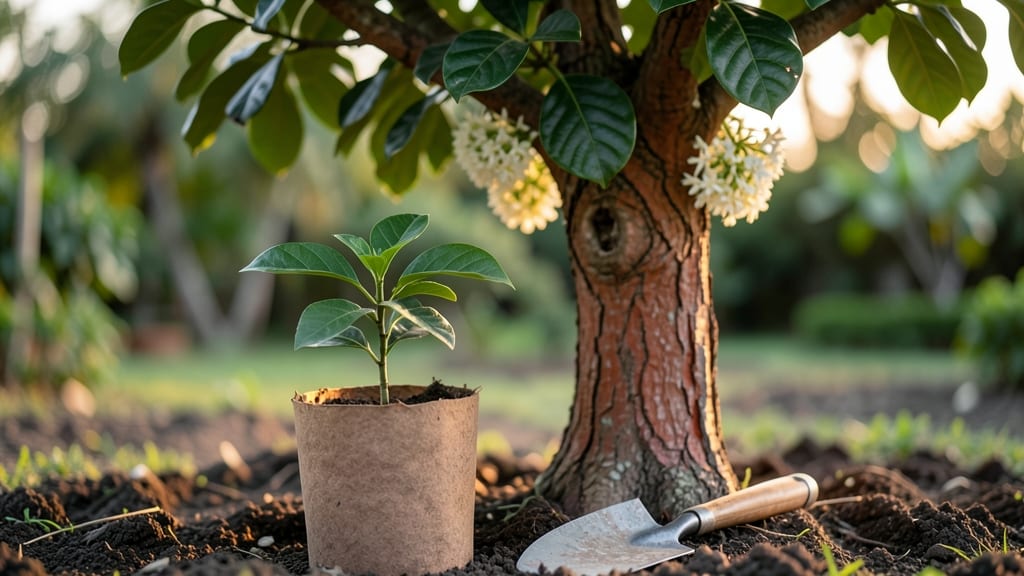
Planting a cacao tree means unlocking the potential for homegrown chocolate in your backyard—if you live in the right climate. 🌿 I’ve grown cacao in my humid subtropical zone, and the key isn’t just the soil or seeds but understanding the tropical conditions these delicate trees demand.
Without the right setup, even the healthiest seedlings can struggle.
The ideal spot mimics their natural rainforest home: 60-80% humidity, 70-85°F temperatures, and partial shade (think dappled sunlight, not harsh afternoon rays). My first attempt failed because I planted it in full sun—now I use a 50% shade cloth during the hottest months.
The soil needs to be well-draining yet rich in organic matter, almost like a mix of topsoil and composted leaves.
Once planted, cacao trees reward patience with glossy, dark-green leaves and—years later—those coveted cacao pods. The first harvest won’t come for 3-5 years, but the journey is worth it.
You’ll need to prune strategically to encourage airflow and protect against fungal diseases, which thrive in the same humid conditions the trees love.
Don’t let the challenges scare you off—cacao is more forgiving than most tropical plants once you nail the basics. With the right care, your tree could produce pods for decades. Here’s how to set it up for success from day one.
📚 In This Guide
- What you need
- Instructions
- Tips and common mistakes
- Wrapping up and next steps
What you need
- ● Cacao seeds (fermented & dried): 10–20 seeds (ensure they’re from a reputable source for quality).
- ● Potting mix: 5–10 gallons of well-draining, acidic soil (pH 5.0–6.5). Mix 60% peat moss, 20% perlite, and 20% coconut coir.
- ● Large nursery pots: 2–3 pots (12–18 inches in diameter) with drainage holes.
- ● Shade cloth: 30–50% shade fabric (4’x6’ sheet) to protect seedlings from direct sun.
- ● Watering can or hose: With a gentle spray nozzle for hydration.
- ● Fertilizer: Balanced organic fertilizer (10-10-10) or composted manure (e.g., worm castings).
- ● Gloves: Heavy-duty gardening gloves (cacao seeds can irritate skin).
- ● Trowel: Small hand trowel for planting seeds.
- ○ Spray bottle: For misting seedlings (optional but helpful for humidity).
- ● Thermometer: Soil thermometer (ideal germination temp: 75–85°F).
- ● Pruners: Small bypass pruners for trimming (once mature).
- ● Climate: Tropical or subtropical zone (USDA Hardiness Zones 10–12).
- ● Location: Full shade for seedlings; partial shade (50%) for mature trees.
- ● Water source: Reliable access to soft, slightly acidic water (rainwater ideal).
- ● Patience: Cacao trees take 3–5 years to bear fruit!
- ● Humidity dome: Clear plastic cover for pots to retain moisture.
- ● Mycorrhizal fungi: Inoculant to boost root health (mix into soil).
- ● Mulch: Wood chips or cocoa husks to retain soil moisture.
- ● Pollination aid: Small paintbrush for hand-pollinating flowers (if growing for fruit).
Step-by-step guide to planting a cacao tree in humid climates
Here's how to give your cacao tree the perfect start—where shade, moisture, and patience create tropical success.
🌱 Step 1: Select the Right Seedlings and Prepare the Soil
Start with high-quality cacao seedlings from a reputable nursery, ideally grafted varieties for better disease resistance. Cacao thrives in well-draining, slightly acidic soil with a pH between 6.0 and 6.5. If your soil is heavy clay, amend it with 3-4 inches of compost and 1-2 inches of coarse sand to improve aeration and drainage.
Choose a location with dappled shade—cacao trees need protection from harsh midday sun but still require at least 4-6 hours of indirect light daily. Avoid full sun, which can scorch young leaves. If planting in a container, use a 10-12 gallon pot with drainage holes and fill it with a mix of 50% potting soil, 30% coconut coir, and 20% perlite for optimal moisture retention and root health.
☀️ Step 2: Plant in the Ideal Climate and Season
Cacao trees grow best in tropical climates with temperatures between 70°F and 85°F. They cannot tolerate frost, so plant only after the last frost date in your area—typically spring or early summer when soil temperatures are consistently above 65°F. If you're in a cooler region, consider growing cacao in containers and moving them indoors during winter.
Dig a hole twice as wide as the root ball but only as deep as the container. Gently remove the seedling from its pot and loosen any circling roots. Place the tree in the hole so the top of the root ball sits 1-2 inches below soil level—this prevents the stem from rotting while allowing roots to establish firmly. Backfill with the amended soil and press lightly to remove air pockets.
💧 Step 3: Water Deeply and Maintain High Humidity
After planting, water deeply and thoroughly to settle the soil around the roots. Cacao trees love moisture but hate soggy roots, so aim for 1-2 inches of water per week, adjusting based on rainfall. Mulch the base with 2-3 inches of organic mulch (like shredded leaves or wood chips) to retain moisture, regulate soil temperature, and suppress weeds. Keep the mulch 2-3 inches away from the trunk to prevent rot.
Cacao thrives in high humidity (70-80%), so mist young trees daily or use a humidity tray if growing indoors. In dry climates, consider installing a drip irrigation system to maintain consistent moisture without overwatering. You’ll know your watering is right when the top 1-2 inches of soil stay moist but not waterlogged—stick your finger in to check.
🪴 Step 4: Provide Support and Prune for Strong Growth
Young cacao trees need staking or trellising to support their top-heavy growth. Use 3-4 foot bamboo stakes or a lightweight wooden frame to guide the main stem upright. Tie the trunk loosely with soft plant ties every 6-12 inches as it grows, ensuring the tree isn’t constricted. Prune any dead, diseased, or crossing branches to encourage airflow and reduce humidity-related issues.
Once the tree reaches 3-4 feet tall, begin pinching back the tips of new growth to encourage bushier development. Avoid heavy pruning—cacao responds best to light, strategic trimming. This step is critical for shaping the tree and ensuring it develops a strong framework for future fruit production. Real talk: Patience here pays off—cacao trees can take 3-5 years to bear fruit, but proper pruning sets the stage for a productive harvest.
⏰ Step 5: Monitor for Pests and Fertilize Seasonally
Cacao trees are susceptible to pests like mealybugs, spider mites, and thrips, so inspect leaves weekly for signs of infestation (sticky residue, discolored leaves, or tiny webs). Treat early with neem oil or insecticidal soap, applying in the early morning or late evening to avoid harming beneficial insects. Avoid chemical pesticides—they can damage the tree’s delicate foliage.
Fertilize every 2-3 months with a balanced, slow-release fertilizer (10-10-10 ratio) during the growing season. In early spring, add a potassium-rich fertilizer to support root development. Reduce fertilization in winter months when growth slows. Over-fertilizing can burn roots, so always water thoroughly before and after applying fertilizer. You’ll see healthy growth when leaves are deep green and glossy, with no yellowing or browning at the edges.
Tips & tricks for planting a thriving cacao tree
Growing cacao trees isn't just about planting—it's about creating the perfect tropical environment. Here's what I've learned from years of nurturing these delicate plants to fruition.
Soil pH Precision: While the instructions specify a pH range of 6.0-6.5, I've found that testing your soil before planting is worth the small investment. Use a digital pH meter for accuracy—it's more reliable than test kits. If your soil is slightly off, you can adjust with elemental sulfur to lower pH or lime to raise it, but do this gradually over weeks to avoid shocking the roots. The right pH makes all the difference in nutrient uptake, especially for young seedlings.
Shade Strategy: That 4-6 hours of indirect light is non-negotiable, but here's what nobody tells you—you'll need to adjust your shade strategy as your tree grows. Start with 50% shade cloth for young seedlings, then gradually reduce to 30% as the tree matures. I've seen trees struggle when moved too quickly from heavy shade to partial shade. Transition slowly over 2-3 months to prevent leaf scorch. For containers, place them near a north-facing window or under a larger shade tree that provides dappled light.
Seasonal Planting Insight: The instructions mention planting after the last frost when soil temperatures are above 65°F, but here's the real talk: timing matters even more than you think. In tropical regions, the wet season is actually the best time to plant—those consistent rains help establish roots more quickly. If you're in a temperate zone, aim for early spring planting but be prepared to provide extra humidity through misting systems if your climate dries out during summer months. I've had better success rates with trees planted in May compared to those planted in April, even when both met the 65°F soil temperature requirement.
Container Growth Hack: If you're growing cacao in containers, here's my game-changer: use a self-watering pot system with a reservoir at the bottom. This maintains consistent moisture without overwatering—a common issue with container-grown cacao. I've seen trees in regular containers struggle when owners forget to water, but those in self-watering systems thrive even with less frequent attention. Just make sure your container has those drainage holes and that excess water can escape freely. The key is keeping that top 1-2 inches of soil moist but never soggy.
Pro Tips for Plant A Cacao Tree
- Growing cacao trees isn't just about planting—it's about creating the perfect tropical environment.
- Soil pH Precision: While the instructions specify a pH range of 6.0-6.5, I've found that testing your soil before planting is worth the small investment.
- Shade Strategy: That 4-6 hours of indirect light is non-negotiable, but here's what nobody tells you—you'll need to adjust your shade strategy as your tree grows.
Frequently asked questions
Got questions about growing your own cacao tree? You’re not alone—this tropical treasure has a few quirks! Here are answers to the most common curiosities to set you up for success.
How long does it take for a cacao tree to bear fruit?
A cacao tree typically takes 3 to 5 years to produce its first pods, but patience pays off! Young trees focus on root and trunk growth first. With ideal conditions (warmth, shade, and consistent moisture), you’ll see flowers by year 2 and pods by year 3 or 4. Pro tip: Prune lower branches to encourage upward growth and better airflow.
Can I grow a cacao tree in a pot or do I need a garden?
Cacao trees can thrive in large pots (15+ gallons) for 2–3 years, but they’re not long-term container plants. Pots restrict root growth, limiting nutrient uptake and pod production. If you lack garden space, choose dwarf varieties (like Criollo) and upgrade to the ground once established. Warning: Avoid freezing temps—keep pots indoors or in a greenhouse during winter.
What’s the best time of year to plant cacao trees?
Plant during the warm, wet season (spring or early summer) when temperatures hover above 68°F (20°C). Avoid frost-prone months—cacao is a tropical diva! If you’re in a mild climate, plant year-round, but never during droughts. Hot tip: Use a soil thermometer to ensure roots stay cozy (ideal: 70–85°F / 21–29°C).
Why are my cacao leaves yellowing or dropping?
Yellow leaves (chlorosis) usually signal nutrient deficiencies (like magnesium or nitrogen), overwatering, or root rot. Check the soil—it should stay moist but not soggy. Adjust care by:
Pest alert: Watch for cacao mites or thrips—neem oil spray helps! Nope! Store-bought chocolate contains processed cacao (roasted, fermented, and mixed with sugar), so it won’t sprout. For propagation, use fresh cacao seeds (from pods) or buy a young sapling from a nursery. Fun fact: Seeds germinate best when planted within 2 weeks of removal—so act fast! Cacao loves consistent moisture but hates waterlogged soil. Water deeply 2–3 times weekly (more in extreme heat) to keep the top 2 inches of soil damp. Mulch with organic matter (like banana peels or leaves) to retain humidity. Drought stress causes flower drop—don’t let it dry out!
Can I grow cacao from a grocery store chocolate bar?
How much water does a cacao tree need daily?
Wrapping up and next steps
Planting a cacao tree is a rewarding journey—one that connects you to ancient traditions and the rich, velvety promise of homemade chocolate! 🌱 With the right climate, soil, and care, your tree can thrive for decades, gifting you (and future generations) with luscious pods.
Start small, stay patient, and remember: every expert gardener began with a single seedling.
Now that you’re armed with knowledge, take the next step—order your cacao seeds or seedlings and mark your calendar for planting! Whether you’re dreaming of a backyard orchard or just a single tree, your tropical fruit adventure begins today. Happy planting! 🌿✨