Planting
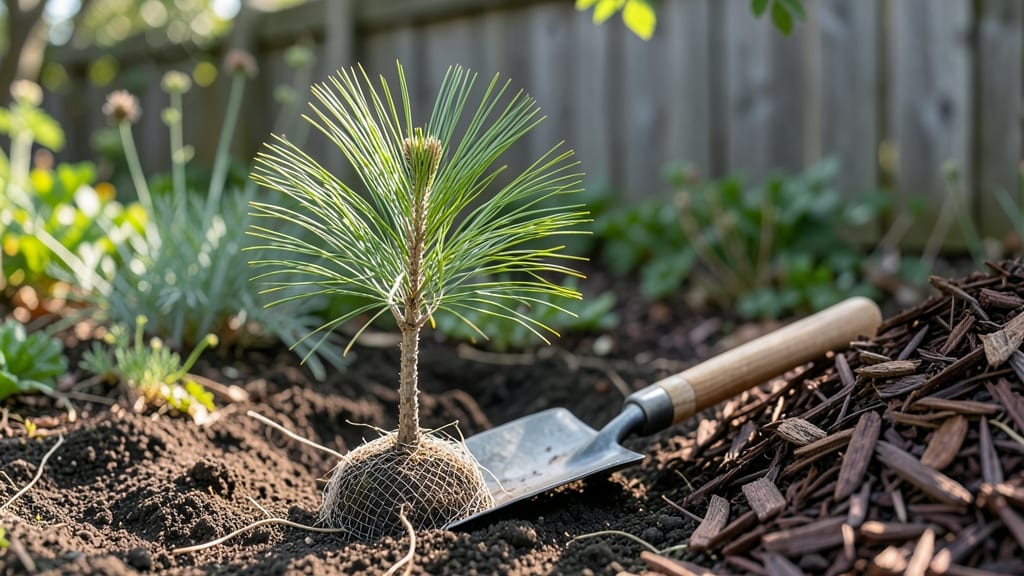
Planting a pine tree from a pine cone isn't just possible—it's a rewarding challenge that turns a simple seed into a towering evergreen over decades. 🌲 I've watched my own pine seedlings sprout from store-bought cones, and the process is simpler than most gardeners realize, especially with the right timing and care.
The key starts with selecting fresh pine cones from healthy trees in late fall or early spring, then soaking them to soften the scales and extract the seeds.
You'll need well-draining soil, a sunny spot with at least 6 hours of light daily, and patience—pine seeds can take 3-6 months to germinate. The real magic happens when you mimic their natural forest environment at home.
By following these four steps, you'll end up with sturdy young seedlings ready for transplanting in 2-3 years. Imagine the satisfaction of watching your tiny pine grow into a shade-providing giant that outlives generations.
The journey starts with proper watering (keep soil moist but never soggy) and protection from pests during those vulnerable early months.
This method works for most pine species, though some like ponderosa or white pine germinate more reliably than others. Whether you're planting in containers or directly in the ground, the principles stay the same—just adjust for your climate's frost dates. Let's get those cones soaking!
📚 In This Guide
- What you need
- Instructions
- Tips and common mistakes
- Wrapping up and next steps
What you need
- ● Fresh pine cones – Collect only from healthy, mature pine trees (avoid cones from ornamental pines, which may not produce viable seeds). Aim for 5–10 cones to increase your chances of success.
- ● Sharp knife or pruning shears – For carefully opening cones to extract seeds.
- ● Small container or tray – A seed tray, plastic container, or even a repurposed egg carton with drainage holes (if using soil).
- ● Well-draining potting mix – A blend of peat moss, perlite, and sand (3:1:1 ratio) works best for germination.
- ● Spray bottle – For gently misting seeds to keep them moist without overwatering.
- ○ Plastic wrap or clear lid – To create a humid microclimate (optional but highly recommended for germination).
- ● Grow lights or sunny windowsill – Pine seeds need bright, indirect light (6–8 hours daily) to sprout.
- ● Patience and a warm spot (60–75°F) – Germination can take 4–12 weeks, so consistency is key!
- ● Stratification setup – A refrigerator (34–40°F) for 30–90 days mimics winter cold, boosting germination rates.
- ● Fungicide (like hydrogen peroxide, 3%) – A 1:10 dilution can prevent mold if seeds sit too wet.
- ● Labeling tags – To track seed varieties and planting dates.
- ● Transplant pots (3–4 inches) – For moving seedlings once they sprout.
- ● Garden journal – To log progress, watering schedules, and growth milestones!
Step-by-Step instructions for germinating pine tree seeds
Here’s the straightforward method I’ve used to coax pine seedlings from cones—no fancy tools or guesswork.
🌱 Step 1: Extract and Stratify the Seeds
Collect fresh pine cones (preferably from your own tree) and let them dry indoors for 2-3 weeks until the scales open naturally. This ensures the seeds are mature and ready for germination. Once the cones release seeds, separate them from the woody scales by hand—no need to force it, as the seeds will drop cleanly.
Place the seeds in a paper towel or moistened peat moss inside a sealed plastic bag. Store them in the refrigerator for 30-90 days—this cold treatment (called stratification) mimics winter conditions and breaks seed dormancy. Check the bag monthly; if the paper towel feels dry, mist it lightly with water. You’ll know stratification worked when the seeds start to swell slightly.
☀️ Step 2: Prepare the Germination Medium
Fill a small container (like a seedling tray or even a repurposed plastic container) with a mix of 50% sterile potting soil and 50% perlite or coarse sand. This blend ensures drainage while retaining enough moisture for tender roots. Moisten the mix until it’s damp but not soggy—squeeze a handful; water should drip out slowly but not pool.
Poke ¼-inch-deep holes in the soil, about 1 inch apart, using a pencil or dowel. Drop one seed per hole and cover lightly with additional mix. Avoid pressing down—you want the soil to stay loose so the emerging seedling can push through easily. Place the container in a warm, shaded spot (around 65-75°F) where it won’t dry out.
💧 Step 3: Maintain Moisture and Patience
Keep the soil consistently moist but never waterlogged. Use a spray bottle to mist the surface every 2-3 days—overwatering now can cause rot before the seeds even sprout. Cover the container loosely with clear plastic wrap to retain humidity, but prop it open slightly to allow airflow. Germination can take 3-6 months, so don’t rush it; pine seeds are slow but steady.
Watch for the first green shoot—it’ll appear as a tiny, grass-like blade breaking through the soil. Once you see true needles (not just the initial sprout), remove the plastic wrap entirely. This is your signal to move the seedlings to bright, indirect light (no direct sun yet). If mold forms on the soil, sprinkle a thin layer of sand on top to prevent it.
🌿 Step 4: Transplant and Foster Growth
After 6-12 months, when seedlings reach 2-3 inches tall with a sturdy root system, transplant them into individual 4-inch pots filled with the same soil-perlite mix. Handle the seedlings carefully—their roots are fragile. Bury them to the same depth they were growing before, and water lightly to settle the soil around the base.
Place the pots in a sunny window or under grow lights for 12-14 hours daily. Pine seedlings grow slowly, so be patient. In 2-3 years, they’ll be ready for outdoor planting in a well-draining, acidic soil spot. Here’s the thing—pine trees take decades to mature, but starting from seed gives you a head start on a tree that’ll outlive you. That’s the real reward.
Tips & tricks for perfect pine cone tree germination
These simple but game-changing strategies will help you coax those stubborn pine seeds into life without the guesswork.
Stratification Secret: The 30-90 day cold treatment in Step 1 is non-negotiable for pine seeds. I've tried skipping it—don't make my mistake! Place a small dish of water in the fridge with your seed bag to maintain humidity. You'll know it's working when the seeds visibly swell after about 45 days. This mimics nature's winter cycle that breaks dormancy.
Medium Mix Mastery: For Step 2, I recommend using a 60/40 ratio of sterile potting soil to perlite instead of the standard 50/50. The extra perlite prevents compaction, which is crucial since pine roots are delicate. When mixing, add a handful of horticultural charcoal to prevent mold—trust me, you'll thank me when you don't have to deal with fuzzy soil later.
Germination Patience: Those 3-6 months in Step 3 can feel like forever, but here's the thing: pine seeds germinate best when they're not rushed. I've seen seeds take 9 months if conditions are perfect. The key is consistency—keep that soil at 65-75°F and maintain even moisture. Use a moisture meter if you're unsure; aim for 40-50% moisture content. The first green shoot might not look like much, but it's your signal to celebrate.
Transplant Timing: When you reach Step 4, wait until you see true needles (not just the initial sprout) before transplanting. I've transplanted too early and lost seedlings because their root systems weren't developed enough. Use a pencil to gently loosen the soil around the roots before moving them to pots—this reduces transplant shock. The 2-3 year outdoor planting timeline might seem long, but it ensures your tree establishes strong roots before facing outdoor conditions.
Pro Tips for Plant A Pine Cone Tree
- These simple but game-changing strategies will help you coax those stubborn pine seeds into life without the guesswork.
- Stratification Secret: The 30-90 day cold treatment in Step 1 is non-negotiable for pine seeds. I've tried skipping i...
- Medium Mix Mastery: For Step 2, I recommend using a 60/40 ratio of sterile potting soil to perlite instead of the sta...
Frequently asked questions
Got questions about growing a pine tree from a pine cone? You’re not alone—this method takes patience and care! Below, we’ve answered the most common questions to help you succeed.
How long does it take for a pine cone seedling to sprout?
A pine cone seedling typically takes 4–12 weeks to sprout after planting, depending on the species and conditions. Some varieties like Pinus strobus (white pine) may sprout faster, while others like Pinus ponderosa (ponderosa pine) can take longer. Keep the soil consistently moist and warm (around 70°F) to encourage germination.
What’s the best temperature for germinating pine cone seeds?
Pine seeds germinate best in temperatures between 60–80°F (15–27°C). If your climate is too cold, use a seedling heat mat or place the pot near a sunny window. Avoid extreme heat or cold, as it can stunt growth or kill the seed. Pro tip: Most pine species prefer consistent warmth over sudden temperature swings!
Can I plant a pine cone directly in the ground, or do I need to start indoors?
While some hardy pine species (like Pinus sylvestris) can be planted outdoors in mild climates, most pine seeds germinate better indoors first. Starting them in pots gives them a controlled environment to establish roots before transplanting. Wait until the seedling is 6–12 inches tall and has 3–4 sets of needles before moving it outside.
Why isn’t my pine cone seed germinating? Troubleshooting tips.
If your pine cone seeds aren’t sprouting, check these common issues:
- Dry soil: Pine seeds need consistent moisture—don’t let the soil dry out.
- Poor stratification: Some pine seeds need a cold period (stratification) to break dormancy. Try refrigerating the seeds for 30–90 days before planting.
- Old or low-quality seeds: Fresh pine cones yield better results. Collect cones from healthy, mature trees in late fall or early winter.
- Lack of light: Pine seedlings need bright, indirect light (a south-facing window or grow lights work best).
If problems persist, try a fresh batch of seeds or research your specific pine species’ needs.
How big should my pine tree be before transplanting outdoors?
Transplant your pine seedling outdoors when it’s at least 6–12 inches tall with a sturdy root system (gently tug to check). Choose a permanent spot with full sun (6+ hours/day) and well-draining soil. Harden off the seedling by gradually exposing it to outdoor conditions for 1–2 weeks before full transplant. Spring or early fall are the best times to plant!
Wrapping up and next steps
Planting a pine cone tree from seed is a rewarding journey that connects you to nature’s timeless beauty! 🌲 With patience, the right tools, and a little care, you can nurture a majestic evergreen that will thrive for decades.
Whether you’re a gardening novice or a seasoned green thumb, every step—from seed extraction to transplanting—brings you closer to success.
Now that you’re armed with knowledge, take the next step: gather your supplies, pick a sunny spot, and start sowing! Your future pine tree is waiting—let’s grow something extraordinary together. 🌱