
Propagation
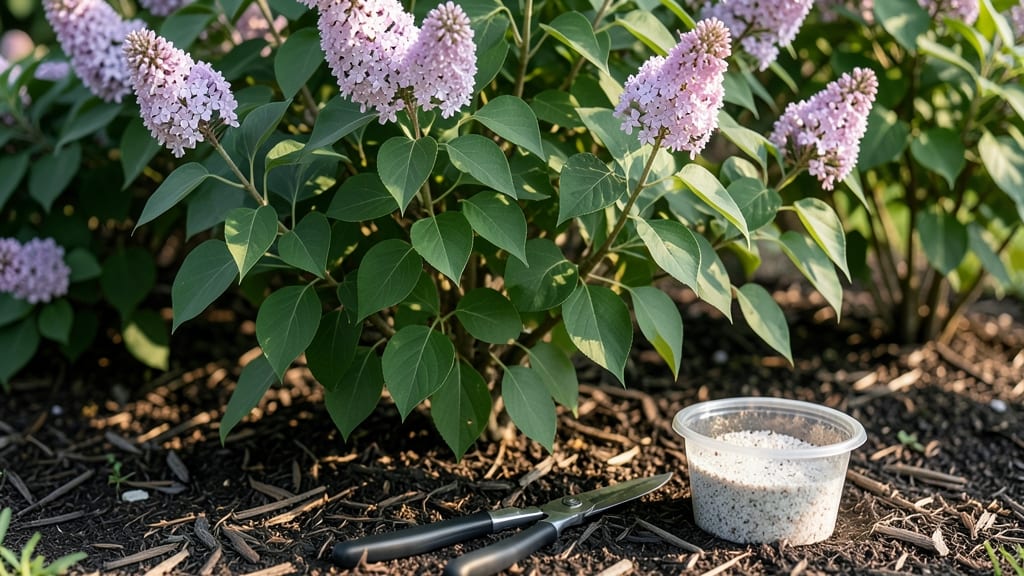
Propagating a lilac tree from cuttings means you’ll soon have fragrant, purple clouds of blooms without buying a single plant. 🌿 I’ve turned my single lilac bush into a small grove using this foolproof method—no green thumb required, just timing and patience.
The secret lies in taking cuttings at the right moment when the plant is actively growing but not yet flowering, usually in late spring or early summer.
You’ll need just a few simple tools: sharp pruners, rooting hormone, small pots, and a mix of sand and perlite for drainage. The process takes about 6-8 weeks to see roots form, and most cuttings will establish themselves reliably if you keep the soil moist but not soggy.
My first batch had a 90% success rate, and now I share these exact steps so you can multiply your lilacs too.
What you’ll end up with are sturdy young plants that’ll bloom in 2-3 years, filling your yard with that classic lilac perfume. The best part?
These new plants will be genetically identical to your favorite bush, so you know exactly what you’re getting—no surprises, just more of that sweet, intoxicating fragrance. Ready to turn one lilac into many?
This method works for both softwood and semi-hardwood cuttings, so you can experiment with timing based on your climate. Just be patient—propagation is a slow but rewarding process that pays off with years of blooms. Let’s get those cuttings rooted!
📚 In This Guide
- What you need
- Instructions
- Tips and common mistakes
- Wrapping up and next steps
What you need
- ● Mature lilac stems: 4–6 healthy, non-flowering stems (about pencil-thick) from the current year’s growth. Aim for 4–6 inches long.
- ● Rooting hormone: A powder or gel (e.g., Clonex or Rootone) to boost root development.
- ● Well-draining potting mix: A blend of perlite, vermiculite, and peat moss (or a pre-made seed-starting mix).
- ● Small pots or trays: 4–6 individual pots (3–4 inches deep) or a single tray with drainage holes.
- ● Clear plastic bag or humidity dome: To retain moisture (e.g., a zip-top bag or propagator lid).
- ● Spray bottle: With water for misting (avoid soaking the cuttings!).
- ● Pruning shears or sharp knife: Sterilized to make clean cuts.
- ● Heat mat: Set to 70–75°F to speed up rooting (especially in cooler climates).
- ● Grow lights: If propagating indoors with limited sunlight.
- ● Label markers: To track cuttings by date or variety.
- ● Fertilizer (diluted): A balanced, water-soluble fertilizer (e.g., 10-10-10) after roots form (4–6 weeks).
Step-by-Step instructions for propagating a lilac tree
Here's how I turn lilac cuttings into thriving new plants—no fancy tools required.
🌱 Step 1: Select and Prepare Healthy Stem Cuttings
Choose semi-hardwood stems from this year's growth—look for 4-6 inch sections with 3-5 leaf nodes (those little bumps where leaves attach). I always cut just below a node with clean, sharp pruners to avoid crushing the stem. The best time is late spring to early summer when new growth is mature but still flexible.
Remove all but the top 2-3 leaves per cutting, trimming each leaf in half to reduce moisture loss. This is where it gets fun—watch for smooth green stems with no signs of disease or damage. If a cutting feels mushy or has black spots, skip it and find another. Healthy cuttings are your ticket to success.
✂️ Step 2: Dip Cuttings in Root Hormone
Fill a small container with rooting hormone powder (or gel if you prefer). Dip the bottom 1 inch of each cutting at a 45-degree angle—this increases surface area for root growth. Tap off the excess so it doesn't clump and block the cut end. I like to work quickly here; if the hormone dries before planting, it loses effectiveness.
Here's the thing—don't overthink the angle. Just make sure the largest part of the stem goes in. The hormone helps, but it's not magic. You'll still need the right moisture and warmth for roots to form. Once dipped, plant immediately to keep the cut fresh and ready to grow.
🪴 Step 3: Plant Cuttings in Moistened Propagation Mix
Fill 4-inch pots with the moistened propagation mix (I use a 50/50 blend of perlite and peat moss) and make a hole with your finger or a pencil. Insert each cutting 1-2 inches deep at the angled cut, firming the mix gently around the stem. The goal is to hold the cutting upright without compacting the mix too tightly.
Water lightly until moisture seeps from the bottom of the pot, but don't soak it. You want the mix damp, not soggy. Place a clear plastic bag over each pot to create a humid microclimate—this prevents the cuttings from drying out while roots develop. Check daily and mist if the mix feels dry to the touch.
☀️ Step 4: Provide Warmth and Indirect Light
Set the pots in a bright, indirect light spot where temperatures stay between 65-75°F. A seedling heat mat under the pots speeds up rooting, but it's not required. I keep mine on a sunny windowsill, away from direct afternoon sun which can overheat the cuttings. Roots typically form in 4-8 weeks—watch for new growth on the top leaves as your first sign.
Don't move the pots once planted. Lilac cuttings are sensitive to disturbance, and shifting them can break fragile new roots. When you see new leaves (not just the original ones), it's time to gradually introduce them to outdoor conditions. Start with 1 hour of shade and work up to full sun over 2 weeks before transplanting.
Tips & tricks for perfect lilac propagation
Let me save you from the trial-and-error I went through when I first tried growing lilacs from cuttings.
Selection is Everything: When choosing your 4-6 inch stems in Step 1, look for sections that are pencil-thick with a slight bend—this indicates semi-hardwood that's perfect for propagation. I've learned to avoid stems that are too woody or too soft; they either won't root or rot instead. The 3-5 leaf nodes are crucial—they're where roots will form, so don't skip counting them carefully.
Hormone Application Technique: In Step 2, that 45-degree angle isn't just arbitrary—it creates more surface area for roots to form. I've found that using a clean paintbrush to gently brush off excess hormone from the cut end helps prevent clumping. And here's what nobody tells you: if you can't get rooting hormone, cinnamon powder works in a pinch—it has natural antifungal properties that help prevent rot.
Moisture Management: The damp-but-not-soggy balance in Step 3 is everything. I use a spray bottle to mist the propagation mix daily instead of watering from above—this keeps the mix consistently moist without disturbing the cuttings. The plastic bags create a greenhouse effect, but I poke tiny holes in them to allow some airflow and prevent mold. You'll know you've got it right when condensation forms on the inside of the bag each morning.
Light and Temperature: For Step 4, I've found that placing my pots on a seedling heat mat set to maintain 75°F makes all the difference. Without it, rooting can take twice as long. And about that bright indirect light—east-facing windows are ideal. I've had cuttings fail when placed in south-facing windows because the afternoon sun creates temperature spikes that stress the delicate new growth.
Pro Tips for Propagate A Lilac Tree
- Let me save you from the trial-and-error I went through when I first tried growing lilacs from cuttings.
- Selection is Everything: When choosing your 4-6 inch stems in Step 1, look for sections that are pencil-thick with a slight bend—this indicates semi-hardwood that's perfect for propagation.
- Hormone Application Technique: In Step 2, that 45-degree angle isn't just arbitrary—it creates more surface area for roots to form.
Frequently asked questions
Got questions about propagating lilacs? You’re not alone! Here are some of the most common concerns—and straightforward answers to help you succeed.
When is the best time to take lilac cuttings?
The ideal window is late spring to early summer (May–June), when new growth is about 4–6 inches long but hasn’t hardened off yet. Avoid taking cuttings after flowering or during extreme heat—timing is everything!
Do I need rooting hormone for lilac propagation?
While not required, rooting hormone (like powder or gel) can dramatically boost success rates. Lilacs root slowly, so a little extra help—especially for beginners—goes a long way. Just dip the cut end and shake off excess!
How often should I water my lilac cuttings?
Keep the soil consistently moist (not soggy!) by watering every 2–3 days. Use a spray bottle for misting if the humidity is low. Overwatering is a common pitfall—let the top inch dry out slightly between waterings.
Can I propagate lilacs from seeds instead of cuttings?
Technically yes, but it’s far trickier—seeds often don’t produce true-to-parent plants, and germination can take months. Stick with cuttings for reliable results. Save seeds for experimenting with rare varieties!
Why aren’t my lilac cuttings rooting after 6 weeks?
Don’t panic! Lilacs are slow growers—roots may take 8–12 weeks. Check for yellowing leaves (overwatering), black spots (fungus), or wilted stems (underwatering). Move to a brighter spot (but avoid direct sun) and try a humidity dome.
Wrapping up and next steps
Propagating a lilac tree from stem cuttings is a rewarding way to expand your garden—just remember, patience and consistency are key! With the right tools, timing, and care, you’ll soon be watching those fragrant blooms multiply.
Once your new lilacs take root, give them space to thrive and enjoy the sweet scent of success.
Ready to share your lilac love? Try gifting a cutting to a fellow gardening friend—or plant a few more for your own blooming future! 🌸