How To
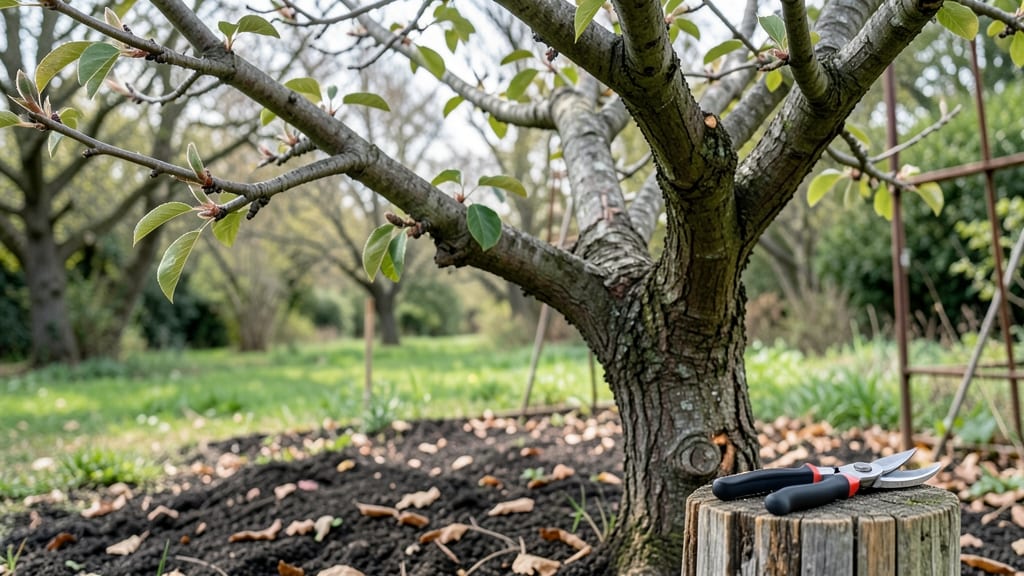
Pruning a peach tree in early spring unlocks its full potential—thicker branches, better airflow, and fruit that rivals the grocery store’s best. 🌱 I’ve watched my own tree go from a tangled mess to a productive powerhouse after just one careful session, and the difference in harvests is shocking.
The key isn’t cutting wildly but understanding where to guide the tree’s energy toward sweet, juicy peaches instead of wild growth.
Start with clean, sharp pruners and a clear goal: open the center for sunlight and air, remove dead wood, and shape the tree into an open vase. Most mistakes happen when people cut too late in the season or leave too many branches competing for space.
I learned that the hard way—my first pruning session left me with a tree that looked like a bird’s nest, but now I’ve got a system that works every year.
📚 In This Guide
- What you need
- Instructions
- Tips and common mistakes
- Wrapping up and next steps
What you need
- ● Pruning shears: Sharp, bypass-style shears (4–6 inches) for cutting branches up to ½ inch thick. Sterilize with rubbing alcohol between cuts to prevent disease.
- ● Loppers: For branches ¾–1½ inches thick. Choose bypass loppers for cleaner cuts.
- ● Pruning saw: A folding handsaw with a fine-tooth blade for thicker branches (1½+ inches).
- ● Gloves: Heavy-duty, cut-resistant gloves (leather or reinforced) to protect against thorns and splinters.
- ● Safety glasses: To shield your eyes from debris and sap.
- ● Disinfectant spray: (e.g., 10% bleach solution or commercial pruning sealant) to sanitize tools and wounds.
- ● Rope or tarps: For securing branches or covering the ground to minimize mess.
- ● Marking twine or paint: To tag branches for future reference (e.g., identifying suckers or water sprouts).
- ● Ladder or step stool: If your tree is taller than 6–8 feet (ensure it’s stable!).
- ● Timing: Prune during late winter or early spring (before buds swell) for best results. Avoid pruning after harvest.
- ● Weather: Choose a dry, calm day to prevent sap bleeding and reduce disease risk.
- ● Tree health: Inspect the tree for diseases (e.g., brown rot) or pests before pruning. Treat issues first if possible.
Step-by-Step instructions for pruning a peach tree
Here's the method I use every spring to keep my peach tree healthy and productive.
✂️ Step 1: Gather Tools and Assess the Tree
Start with clean, sharp pruning shears and a small handsaw for thicker branches. I also grab rubbing alcohol and a cloth to sterilize tools between cuts—this prevents disease spread. On a clear day, examine the tree for dead, crossing, or diseased branches first. These are your top priorities for removal.
Look for branches with no buds or leaves, and any that rub against each other. These weak spots invite pests and limit airflow. Mark them with a piece of tape if you're unsure—you can always double-check later. Healthy branches have smooth bark and vibrant green buds ready to burst open.
✂️ Step 2: Remove Dead, Diseased, and Problem Branches
Cut out dead branches first—they drain energy from the tree. Make clean cuts just outside the branch collar (the swollen area where the branch meets the trunk). Avoid leaving stubs, which can rot. For diseased branches, cut back to healthy wood and sterilize your tools afterward.
Next, tackle crossing branches. Remove the weaker of the two—it’s usually the smaller one. If they’re equal in size, cut the one growing upward. This opens the canopy to sunlight and improves fruit production. Watch for branches growing inward; these often break under fruit weight or block airflow.
☀️ Step 3: Thin Out the Canopy for Light and Airflow
Peach trees need sunlight to bear fruit, so aim to keep the center of the tree open. Remove branches that grow straight upward—they compete with the main leader (the central trunk) and create weak wood. Cut these back to a side branch growing at a 45-degree angle or less.
Thin out crowded branches to about 6–8 inches apart. This spacing lets sunlight reach the center and reduces humidity, which helps prevent fungal diseases. If you’re unsure which branches to keep, prioritize those with the most buds—they’ll produce the most fruit.
⏰ Step 4: Shape the Tree for Balance and Growth
Step back and assess the tree’s shape. The goal is a balanced, open center with a strong leader. If the tree leans too much one way, prune slightly more on the heavier side to encourage upright growth. For young trees, focus on establishing a sturdy structure—older trees need maintenance cuts to keep them productive.
Prune just before buds swell in early spring (around late winter to early spring). This timing ensures the tree heals quickly and avoids late-season growth that can’t harden off before winter. Avoid pruning in fall—new growth won’t have time to mature before cold weather.
🌿 Step 5: Clean Up and Monitor Progress
Rake up and dispose of all pruned branches—don’t leave them on the ground, as they can harbor pests. Sterilize your tools again with rubbing alcohol to prevent spreading disease to other trees. Water the base of the tree deeply to help it recover from the pruning stress.
Over the next few weeks, watch for new growth. Healthy buds should swell and open into leaves within 3–4 weeks. If you notice oozing sap or unusual dieback, the cuts might have been too severe. Next year, adjust your pruning to be more conservative in those areas.
Tips & tricks for perfect peach tree pruning
Pruning your peach tree right makes all the difference between a handful of fruit and a bountiful harvest. Here's what I've learned after years of trial and error.
Tool Prep Matters: Before you even touch the tree, sterilize your pruning shears with rubbing alcohol between cuts—this prevents spreading disease from branch to branch. I keep a small spray bottle of diluted alcohol handy for quick clean-ups. Also, make sure your blades are sharp; dull shears tear bark and create jagged wounds that heal poorly.
Branch Collar Awareness: When removing branches in Step 2, focus on cutting just outside the branch collar—the swollen area where the branch meets the trunk. This critical spot contains healing cells that help the tree recover. If you cut too close, you'll leave a stub that can rot. Think of it as making a clean, precise cut rather than hacking away randomly.
Canopy Spacing Secret: In Step 3, aim for that 6–8 inch spacing between branches—this isn't just about looks. Proper spacing lets sunlight reach the center of the tree, which is where most of your fruit will develop. I like to visualize the tree's skeleton: the main branches should be like ribs, spaced evenly to support the fruit load without crowding.
Timing is Everything: Pruning right before buds swell in late winter/early spring (as mentioned in Step 4) gives the tree time to heal before summer heat arrives. I've learned the hard way that fall pruning leads to tender new growth that can't survive winter freezes. The 3–4 week window for new growth to appear is your confirmation that you've pruned at the right time.
Pro Tips for Prune A Peach Tree
- Pruning your peach tree right makes all the difference between a handful of fruit and a bountiful harvest.
- Tool Prep Matters: Before you even touch the tree, sterilize your pruning shears with rubbing alcohol between cuts—this prevents spreading disease from branch to branch.
- Branch Collar Awareness: When removing branches in Step 2, focus on cutting just outside the branch collar—the swollen area where the branch meets the trunk.
Frequently asked questions
Got questions about pruning your peach tree? You’re not alone! Here are answers to the most common concerns—so you can prune with confidence and set your tree up for a bountiful harvest.
When is the best time to prune a peach tree?
Prune your peach tree in late winter or early spring (just before buds swell) to avoid disease risks. Avoid pruning in fall—it can leave wounds vulnerable to fungal infections. If you missed the window, summer pruning (after harvest) is better than nothing, but prioritize dormant-season pruning for optimal growth.
What if I cut too much off my peach tree?
Don’t panic! Peach trees are resilient, but avoid removing more than 20-25% of the canopy in one year. Heavy pruning can stress the tree, reducing fruit production. If you’ve overdone it, focus on light maintenance next year and prioritize watering and fertilization to help recovery.
Will pruning reduce my peach harvest?
Not if done correctly! Pruning actually boosts fruit quality and quantity by improving airflow and sunlight exposure. Thin out crowded branches and remove water sprouts to redirect energy to larger, healthier fruit. Just avoid pruning during flowering—wait until after blooms fall for best results.
How do I prevent disease after pruning?
Use sterilized tools (rubbing alcohol or bleach solution) to avoid spreading bacteria. Seal larger cuts with pruning sealant, but skip it for small wounds—peach trees heal well on their own. Remove and dispose of infected branches immediately to prevent fungal spread.
Can I prune a young peach tree the same way?
Young trees (1-3 years old) need structural shaping to establish a strong framework. Focus on removing competing leaders and weak branches early. Older trees benefit from renewal pruning—gradually thinning out older wood to encourage new growth. Always prioritize air circulation over aggressive cuts.
Wrapping up and next steps
Pruning your peach tree in spring isn’t just about shaping—it’s about inviting healthier growth, better fruit production, and a stronger tree for years to come. 🌱 With the right tools, timing, and technique, you’ll set the stage for a bountiful harvest while keeping your tree thriving.
Now that you’re armed with knowledge, grab those shears and get pruning!
Ready for the next step? Monitor your tree’s progress throughout the growing season—adjust pruning as needed, and soon, you’ll be savoring the sweet rewards of your hard work. Happy gardening!