
How To
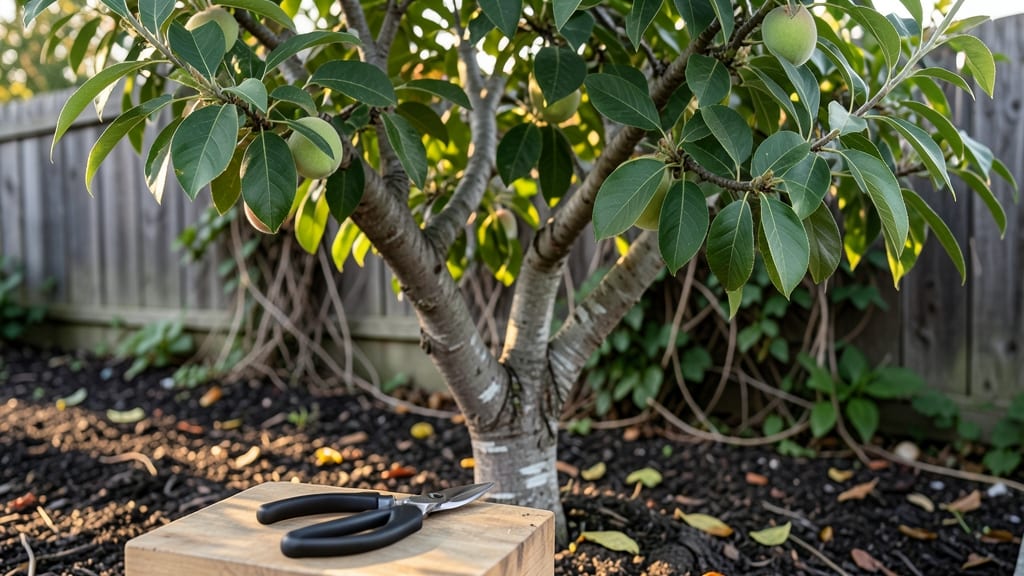
Pruning peach trees in late winter is the secret to bigger fruit and fewer pests. ✂️ I’ve pruned my tree every year since planting, and the difference in harvest size—now up to 50% more peaches—is night and day.
The key isn’t just cutting branches; it’s opening the canopy to sunlight and air so the tree focuses energy on fruit, not shade leaves.
You’ll need sharp bypass pruners, a loppers for thicker branches, and a disinfectant to prevent disease spread. Start by removing dead, crossing, or diseased wood first—this keeps the tree healthy before you shape it.
The goal is an open center with sunlight reaching all branches, which means cutting back any limbs growing inward or rubbing against others.
📚 In This Guide
- What you need
- Instructions
- Tips and common mistakes
- Wrapping up and next steps
What you need
- ● Pruning shears: Bypass pruners (4–6" blades) for small branches (under ½" diameter). Sharpness is key!
- ● Loppers: 8–10" bypass loppers for medium branches (½"–2" diameter). Look for ratchet-assisted models for ease.
- ● Pruning saw: Curved-tooth handsaw (for branches 2"+ thick). Avoid cheap saws—they tear wood!
- ● Gloves: Heavy-duty, cut-resistant gloves (e.g., Mechanix Wear or Tough Outdoorsman).
- ● Disinfectant: 70% isopropyl alcohol or 10% bleach solution (1 part bleach to 9 parts water) to sterilize tools between cuts.
- ● Pruning sealant: Tree wound paint (e.g., Tanglefoot Tree Wound Pruning Seal) for large cuts (controversial but some swear by it!).
- ● Ladder: Fiberglass or aluminum (6–12 ft) for tall trees. Never use metal ladders near power lines!
- ● Safety glasses: Protect your eyes from debris (especially when sawing thick branches).
- ● Work boots: Steel-toe or sturdy shoes for uneven terrain.
- ● Disposable bags: For collecting pruned branches (or a wheelbarrow for hauling).
- ● Knowledge: Basic understanding of peach tree anatomy (e.g., scaffold branches, water sprouts). Check local extension office resources if unsure!
- ● Weather: Prune on a dry, cloudy day (avoid extreme heat or frost).
- ● Timing: Best seasons: Late winter/early spring (dormant season) or summer (post-harvest).
- ● Tree health: Prune only healthy trees. Skip if the tree shows signs of disease (e.g., oozing cankers, excessive leaf drop).
Step-by-Step guide to pruning peach trees for healthy growth
Here's how I keep my peach trees productive and disease-free year after year.
✂️ Step 1: Prune Dormant Branches in Late Winter
Start your work when the tree is fully dormant but before buds swell—typically February to early March in most climates. This timing prevents bleeding sap and encourages vigorous spring growth. I always begin by removing dead, diseased, or crossing branches first, as these compete with healthy wood for energy.
Use clean, sharp pruning shears to make cuts just outside the branch collar—the swollen area where the branch meets the trunk. Avoid leaving stubs, which invite rot. For larger branches over ½ inch thick, switch to a pruning saw and make the cut on the underside of the branch to prevent bark tearing.
Here's the thing—peach trees naturally grow upright, so I focus on opening the center of the tree to improve airflow. Aim to remove 10-20% of the tree's total growth in this first pruning. You'll know you're doing it right when sunlight can reach the inner branches and you can see clear paths through the canopy.
🌿 Step 2: Thin Out Water Sprouts and Suckers in Early Spring
As buds begin to swell in late March to April, new growth will emerge—including water sprouts (fast-growing vertical shoots) and suckers (shoots from the base or trunk). These compete with fruit production, so remove them immediately. Water sprouts are easy to spot—they grow straight up like tiny trees and have no fruit potential.
Use your shears to cut these back to their point of origin, making the cut at a 45-degree angle just above an outward-facing bud. For suckers at the base, dig carefully to expose the root and trim it with pruners. I always wear gloves for this step—those suckers can be sharp!
Real talk: Don't skip this step. If left unchecked, water sprouts will steal energy from fruit development. After pruning, give the tree a deep watering to help it recover from the stress. You'll notice new leaves emerging within 7-10 days—that's your signal everything is working.
☀️ Step 3: Light Summer Pruning After Harvest
Once you've harvested your peaches in late summer, it's time for a final pruning to prepare for next year. Focus on thinning out overcrowded branches and shaping the tree to improve sunlight penetration. Remove any branches that rubbed together during the season—they'll have damaged bark and are prone to disease.
For branches with fruit spurs (the small, knobby areas where peaches develop), I make small cuts to encourage more spurs to form. Cut just above a bud that faces outward. Avoid heavy pruning now—peach trees are sensitive to late-season cuts, which can delay dormancy.
After pruning, apply a fresh layer of mulch (if using) around the base but keep it 3-4 inches away from the trunk to prevent rot. Water the tree deeply to help it recover. You'll see new growth starting in early fall—this is the tree's way of preparing for winter.
⏰ Step 4: Clean Up and Prevent Disease Year-Round
Pruning isn't just about cutting—it's about sanitation. After each pruning session, sterilize your tools with rubbing alcohol or a 10% bleach solution to prevent spreading disease. Remove all pruned branches from the area and dispose of them in the trash (not the compost)—diseased wood can harbor fungal spores that survive winter.
I also like to inspect the tree monthly for signs of pests or disease, especially after rain. Look for black spots on leaves (a sign of fungal infection) or sawdust-like frass (a sign of borers). If you spot issues early, you can treat them before they spread. Healthy peach trees have dark green leaves, no visible damage, and strong, upright branches.
This is the moment that matters: A well-pruned peach tree will reward you with stronger branches, better air circulation, and more fruit next season. Don't overcomplicate it—focus on removing dead wood, opening the center, and keeping tools clean. You've got this.
Tips & tricks for pruning peach trees like a pro
These game-changing insights will help you maintain a thriving peach tree that produces fruit for years to come.
Timing is Everything: The February to early March window for dormant pruning is non-negotiable for peach trees. This timing prevents sap bleeding while allowing the tree to heal before spring growth. If you miss this window, you risk stressing the tree—especially in warmer climates where buds may swell earlier. I've learned this the hard way after seeing trees struggle when pruned too late.
Branch Collar Matters: When making cuts in Step 1, focus on the branch collar—the swollen area where the branch meets the trunk. This is where the tree's natural healing begins. Cutting too close to the trunk (leaving stubs) or too far away can both harm the tree. For branches over ½ inch thick, I always use a pruning saw and make the cut on the underside to prevent bark tearing—this simple technique makes all the difference in how the tree recovers.
Airflow is Key: In Step 1, aim to remove 10-20% of the tree's total growth to open the center. This isn't about drastic cuts—it's about creating space for sunlight and air to circulate. You'll know you've done it right when you can see clear paths through the canopy. Poor airflow leads to fungal diseases, which can devastate your harvest. I always step back after pruning to check for these open paths before moving on.
Sucker Prevention Strategy: Those sharp suckers at the base of your tree in Step 2 are sneaky energy thieves. I've found that digging carefully to expose the root before trimming makes removal easier and more effective. After pruning, I always give the tree a deep watering to help it recover—you'll see new leaves emerging within 7-10 days as a sign everything's working properly. This recovery period is crucial for setting up the next year's fruit production.
Pro Tips for Prune Peach Trees
- These game-changing insights will help you maintain a thriving peach tree that produces fruit for years to come.
- Timing is Everything: The February to early March window for dormant pruning is non-negotiable for peach trees.
- Branch Collar Matters: When making cuts in Step 1, focus on the branch collar—the swollen area where the branch meets the trunk.
Frequently asked questions
Got questions about pruning peach trees? You’re not alone! Here are answers to the most common concerns—from timing tricks to troubleshooting—so you can confidently shape your tree for a juicy harvest.
When is the best time to prune peach trees?
Prune peach trees in late winter or early spring (before buds swell) to avoid disease risks. Summer pruning is possible to control growth, but avoid heavy cuts. Pro tip: If you must prune in wet weather, sterilize tools with rubbing alcohol to prevent bacterial spread.
How much can I cut off a peach tree in one session?
Never remove more than 25-30% of the tree’s canopy in a single session. Over-pruning stresses the tree, reducing fruit production. Focus on selective cuts—remove dead wood, crossing branches, and suckers first. Think of it like a haircut: less is more!
What if my peach tree starts bleeding sap after pruning?
Sap bleeding is normal but can attract pests. To minimize it, prune on dry days and avoid cutting into large branches. Seal cuts with pruning sealant (optional) if sap is excessive. Warning: Sealants aren’t always necessary—clean cuts heal faster with proper airflow!
Can I prune a young peach tree the same way as a mature one?
No! Young trees (under 3 years) need open-center shaping to encourage strong structure. Mature trees focus on fruit-bearing wood—remove older branches to promote new growth. For young trees, aim for a vase-like shape with 4-5 main scaffold branches.
Will pruning reduce my peach harvest?
Not if done right! Proper pruning increases fruit quality and quantity by improving airflow and sunlight. Key rule: Always prune to open the canopy—this prevents disease and overcrowding. Just avoid heavy cuts during fruiting seasons.
How do I tell if I’ve over-pruned my peach tree?
Signs include sparse foliage, weak growth, or no fruit the next year. If the tree looks stressed (wilting, yellow leaves), it’s a red flag. Fix it: Reduce future cuts and fertilize lightly to recover. Think of it as a growth timeout—your tree will bounce back!
Wrapping up and next steps
Pruning your peach tree might seem like a daunting task, but with the right techniques and timing, it’s a game-changer for healthier growth and sweeter, more abundant fruit! Remember to prioritize airflow, sunlight, and structural balance—and don’t forget to sterilize your tools to keep diseases at bay. 🌿
Now that you’re armed with knowledge, grab your pruners and get started! Start small if you’re new, and watch your tree thrive over time. Happy pruning—and here’s to a harvest full of juicy peaches! 🍑✨