
Pruning
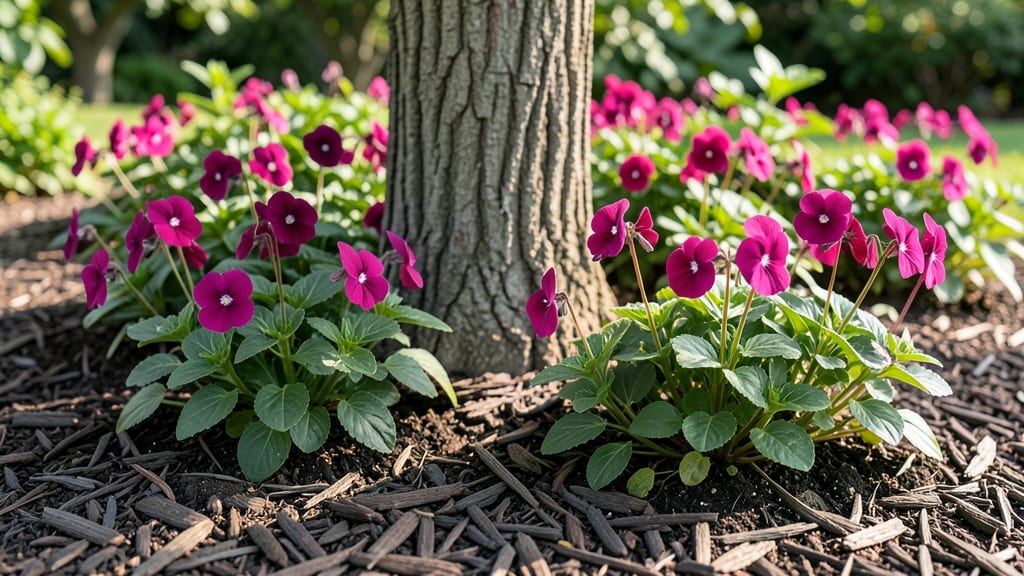
Impatiens around trees can transform bare ground into a vibrant, low-maintenance carpet of color—without the aggressive spread of other ground covers. 🌿 I’ve used them to dress up oak trees, maples, and even crepe myrtles, and the difference in curb appeal is night and day.
The key is choosing the right variety, spacing them properly, and pairing them with plants that won’t compete for water or sunlight.
You’ll need shade-tolerant impatiens (like New Guinea types) for tree bases, since they thrive where sunlight barely reaches. Add a 2-3 inch layer of mulch to retain moisture and suppress weeds, and space plants 8-12 inches apart for full coverage without overcrowding.
Pair them with ferns or hostas for texture, or let them shine solo in bold reds, pinks, or purples.
The payoff? A lush, year-round (or near-year-round) display that stays neat, blooms continuously, and hides mulch or soil mess. With minimal pruning and no spreading to contain, these plants do all the work—you just enjoy the show.
And the best part? They bounce back from foot traffic, making them perfect for high-use areas.
Works in containers too—just use larger pots for mature trees. For winter interest, add evergreen shrubs like boxwood or holly. Here’s how to make it last season after season without the hassle.
📚 In This Guide
- What you need
- Instructions
- Tips and common mistakes
- Wrapping up and next steps
What you need
- ● Impatiens plants: Choose Impatiens walleriana (New Guinea impatiens for sun tolerance) or Impatiens balsamina. Buy 3–5 plants per tree (depending on tree size) for full coverage.
- ● Potting mix: 2–3 bags (10–15 lbs each) of high-quality, well-draining potting soil (look for labels like "moisture control" or "for containers").
- ○ Container or planter: Fabric grow bags (optional but recommended): 1–2 bags (10–15 gallon size) with drainage holes, or
- ● Decorative pots: 1–2 large, shallow containers (12–18" diameter) with saucers for water runoff.
- ● Mulch: 1 bag (5 lbs) of shredded bark or pine straw to retain moisture and suppress weeds.
- ● Slow-release fertilizer: 1–2 packets of 14-14-14 or 10-10-10 granular fertilizer for long-lasting nutrients.
- ● Gloves: 1 pair of gardening gloves (nitrile-coated for durability).
- ● Trowel or small shovel: 1 stainless-steel hand trowel for planting.
- ● Pruning shears: 1 pair of sharp, bypass pruners (sterilized with rubbing alcohol).
- ● Watering can or hose with nozzle: A gentle spray setting to avoid disturbing roots.
- ● Measuring tape or ruler: To ensure proper spacing (12–18" apart for impatiens).
- ○ Optional but handy: Mulch mat or landscape fabric to prevent weeds from competing with impatiens.
- ● Plant stakes or decorative rings to keep impatiens neatly grouped around the tree.
- ● Spray bottle for misting seedlings (if starting from seed).
- ● Choose a well-draining location—impatiens hate soggy roots! Ensure the tree’s base isn’t waterlogged.
- ● Select a tree with partial shade (New Guinea impatiens tolerate morning sun).
- ● Check local planting guidelines—some areas restrict container planting near trees (root competition!).
- ● Remove any weeds or debris from the tree’s base before planting.
How to plant impatiens around trees for stunning year-round color
Here's the foolproof way to create a vibrant, low-maintenance border that keeps weeds at bay.
🌱 Step 1: Choose the Right Impatiens Variety and Planting Time
For year-round color, opt for New Guinea impatiens—they tolerate cooler temperatures better than traditional types. Plant in early spring after last frost or late summer for fall blooms. I always check my local frost dates to avoid planting too early, which can stunt their growth.
Dig a hole about twice as wide as the root ball but only as deep as the container it came in. This prevents burying the stem, which can cause rot. Gently loosen the roots if they're circling tightly—you'll see them spring free more easily when you give them a little wiggle.
🪴 Step 2: Prepare the Planting Area for Weed Suppression
Spread 3 inches of mulch (cypress or pine straw works best) around the tree, keeping it 3-4 inches away from the trunk to prevent moisture buildup. This creates a weed barrier while keeping roots cool. I always rake the mulch into the soil slightly so it blends in naturally.
Plant your impatiens 12-18 inches apart in a curved line around the tree. The slight spacing gives them room to fill out without competing directly with the tree's roots. Water deeply right after planting to settle the soil and remove any air pockets around the roots.
☀️ Step 3: Position for Partial Shade and Consistent Moisture
Impatiens thrive in partial shade to dappled sunlight—ideal for tree edges. If your tree provides full shade, choose white or light-colored varieties that reflect more light. I test the spot by placing a white piece of paper on the ground for an hour; if it stays cool to the touch, it's perfect.
Water every 2-3 days until the plants establish roots (4-6 weeks). You'll know they're settled when new leaves appear and the soil stays moist but not soggy. After that, water 2-3 times per week unless it rains. Overwatering is the fastest way to kill impatiens—always check the top inch of soil before watering.
✂️ Step 4: Maintain Blooms and Control Spread
Deadhead spent blooms weekly to encourage continuous flowering. Pinch back leggy stems to promote bushier growth—this keeps plants compact and prevents them from flopping over. I use clean scissors and make cuts just above a leaf node to avoid leaving stubs.
Fertilize every 4-6 weeks with a balanced, water-soluble fertilizer (10-10-10). Stop fertilizing in late summer to encourage hardier fall growth. If you notice yellowing leaves, it's usually a sign of overwatering or nutrient burn—cut back on water and fertilizer immediately.
Tips & tricks for perfect impatiens planting around trees
A few simple strategies will help you create a thriving, weed-free impatiens border that keeps blooming all year.
Variety Selection: New Guinea impatiens are your best bet for year-round color—they handle cooler temperatures better than traditional varieties. For extra hardiness, look for white or light-colored varieties when planting in full shade areas. These reflect more light, helping the plants thrive where sunlight is limited. I've found that the light pink and red varieties also perform exceptionally well in partial shade.
Planting Technique: When loosening those circling roots in Step 1, don't be afraid to get hands-on. Use your fingers to gently separate the roots—this prevents breakage and helps the plant establish faster. After planting, give the soil a gentle squeeze around the edges of the hole to eliminate any air pockets that could hinder root growth. This simple step makes all the difference in how quickly your impatiens take hold.
Watering Wisdom: During the critical 4-6 week establishment period in Step 3, water deeply but infrequently—aim for about 1 inch of water per week. The key is keeping the soil consistently moist (but never soggy) at the root level. I use a rain gauge or tuna can to measure water depth, and always water in the morning so foliage has time to dry before evening. This prevents fungal issues that can plague impatiens.
Mulch Mastery: That 3-inch layer of mulch in Step 2 isn't just for looks—it's your secret weapon against weeds and moisture loss. For best results, refresh the mulch layer every 6-8 weeks, especially if you notice it breaking down or pulling away from the plants. I like to mix cypress mulch with a little compost to give my impatiens an extra nutrient boost while maintaining that clean, weed-free look.
Pro Tips for Impatiens Around Tree
- A few simple strategies will help you create a thriving, weed-free impatiens border that keeps blooming all year.
- Variety Selection: New Guinea impatiens are your best bet for year-round color—they handle cooler temperatures better than traditional varieties.
- Planting Technique: When loosening those circling roots in Step 1, don't be afraid to get hands-on.
Frequently asked questions
Got questions about keeping impatiens thriving around trees without taking over? You’re not alone! Here are some of the most common queries—plus practical answers to keep your garden looking vibrant and controlled.
Why do impatiens struggle to grow under trees?
Trees create tough conditions—shade, root competition, and dry soil—that many plants can’t handle. Impatiens, while shade-tolerant, often wilt or fail to bloom because they need consistent moisture and well-draining soil. Mulching and regular watering can help, but choose tree-friendly impatiens varieties like Impatiens walleriana (Busy Lizzie) for better resilience.
When is the best time to plant impatiens near a tree?
Spring (after the last frost) or early summer is ideal—avoid late summer since impatiens won’t have enough time to establish roots before cooler weather. If planting in containers near the tree, use well-draining potting mix and water thoroughly. Pro tip: Add a slow-release fertilizer at planting to support early growth.
What’s a good alternative if impatiens won’t thrive?
Try these low-spreading, shade-tolerant plants instead:
- Ferns (e.g., maidenhair or Boston fern) – Thrives in moist, shady spots.
- Hosta – Hardy and lush, but watch for slugs.
- Caladiums (elephant ears) – Bold foliage, loves shade.
- Heuchera (coral bells) – Colorful leaves, minimal spread.
Why are my impatiens getting eaten by pests?
Impatiens are deer, rabbit, and slug magnets! Use these fixes:
- Physical barriers: Copper tape (for slugs) or fencing (for critters).
- Organic sprays: Neem oil or insecticidal soap for aphids.
- Deterrents: Crushed eggshells or diatomaceous earth around plants.
How often should I water impatiens near a tree?
Water 2–3 times per week (daily in extreme heat) since tree roots compete for moisture. Morning watering prevents fungal issues, and mulch heavily (2–3 inches) to retain moisture. Warning: Overwatering can suffocate roots—check soil moisture 1 inch below the surface before watering.
Wrapping up and next steps
Planting impatiens around trees is a fantastic way to add vibrant, long-lasting color to your landscape—without the hassle of invasive spread! 🌿 By choosing the right varieties, preparing the soil, and providing consistent care, you can enjoy blooms from spring to frost.
Remember, a little pruning and mulching go a long way in keeping your impatiens thriving.
Now that you’re armed with the knowledge, why not take the next step? Grab your gardening gloves and transform that bare spot near your tree into a stunning, low-maintenance display. Happy gardening! 🌸