
Pruning
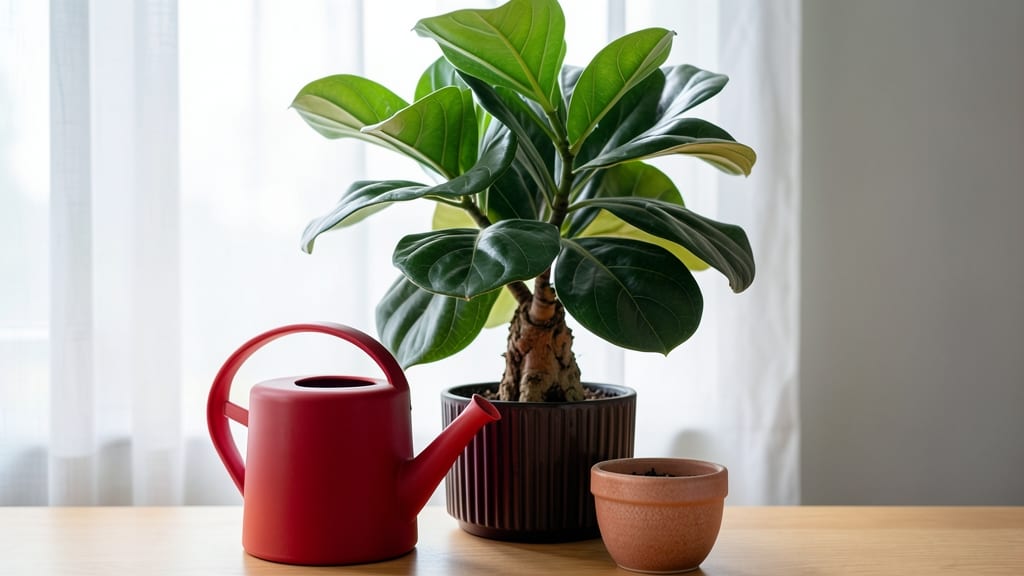
Caring for an indoor ficus tree turns out to be simpler than most people think—once you know the few key tricks. 🌿 I’ve nursed more than my share of struggling ficus plants back to health, and the secret isn’t complicated: it’s about matching their needs to your home’s conditions.
The biggest mistake I see is overwatering or letting them sit in drafts, which sends leaves yellowing faster than you can say "root rot."
Your ficus thrives with bright, indirect light—think near a window but not in direct sun—and soil that stays lightly moist but never soggy. A well-draining potting mix and a pot with drainage holes are non-negotiable.
Prune selectively in early spring to encourage bushier growth, and wipe those glossy leaves occasionally to keep dust from blocking their light. Most people assume ficus care is high-maintenance, but it’s actually one of the most forgiving indoor trees once you get the basics right.
What you’ll end up with is a lush, leafy centerpiece that grows steadily year-round, purifies your air, and rarely complains. The leaves stay deep green, the branches fill out nicely, and you’ll spend less time fretting over "am I killing this plant?" than you ever thought possible.
The key is consistency—light, water, and a little occasional pruning—and soon your ficus will be the talk of the room.
This care routine works for all common ficus varieties, from the towering Ficus benjamina to the compact Ficus lyrata. Whether you’re dealing with a new plant or one that’s been struggling, the principles stay the same. Let’s get your ficus looking its best without the guesswork.
📚 In This Guide
- What you need
- Instructions
- Tips and common mistakes
- Wrapping up and next steps
What you need
- ● Pruning shears – sharp, clean, and sterilized (bypass pruners work best)
- ● Rubbing alcohol (70% or higher) – For sterilizing tools between cuts
- ○ Gloves – Optional but recommended (latex or gardening gloves to avoid sap irritation)
- ● Newspaper or drop cloth – To catch debris during pruning
- ● Small container or bucket – For collecting trimmings (compostable or sealed)
- ● Healthy ficus tree – No signs of pests, disease, or severe yellowing
- ● Bright, indirect light – Near a window (east or north-facing ideal)
- ● Well-draining potting mix – Peat-based or cactus/succulent mix (repot if soil is compacted)
- ● Watering can with a narrow spout – For precise hydration (avoid soggy roots!)
- ● Rooting hormone – To boost propagation if you’re taking cuttings
- ● Misting bottle – For humidity-loving ficus varieties (like Ficus benjamina)
- ● Fertilizer (balanced, 10-10-10 or organic) – Diluted to half-strength for post-pruning recovery
- ● Decorative pot with drainage holes – If repotting is needed
Step-by-Step indoor ficus tree care for year-round success
Here's how to keep your ficus lush and happy—no guesswork, just consistent results.
💧 Step 1: Master the Watering Routine
Water your ficus only when the top 2 inches of soil feel completely dry. Stick your finger in the soil—if it's damp, wait. These trees hate soggy roots but also won't forgive drought. I water deeply until it drains from the bottom, then empty the saucer after 15 minutes to prevent root rot.
Real talk: Overwatering is the #1 killer of indoor ficus. If the leaves start yellowing at the edges, you're likely drowning the roots. Adjust your schedule based on your home's humidity—dry air means more frequent watering, while humid rooms can stretch the time between waterings.
☀️ Step 2: Position for Bright, Indirect Light
Ficus trees thrive in bright, indirect light—think east or west-facing windows. South windows work too, but you'll need to shield them from harsh afternoon sun with sheer curtains. You'll know the light is right when new leaves emerge with vibrant green color and no brown spots.
If your ficus starts stretching toward the light or growing pale, it's begging for more brightness. Rotate the pot a quarter turn weekly so growth stays even. Avoid dim corners—ficus trees will protest with sparse, weak leaves that drop easily.
🌿 Step 3: Dust and Wipe Leaves Regularly
Ficus trees have large leaves that collect dust quickly, blocking sunlight and reducing photosynthesis. I wipe mine every 2 weeks with a damp microfiber cloth or sponge. Use lukewarm water only—no soap or chemicals. This simple step keeps leaves vibrant and your tree breathing properly.
Here's the thing—if you notice brown spots on older leaves, it's often dust buildup, not a disease. A thorough cleaning session will revive the leaf's ability to absorb light. For extra shine, mist the leaves lightly with distilled water once a month to repel dust between cleanings.
⏰ Step 4: Feed During Growing Season Only
Use a balanced 20-20-20 liquid fertilizer diluted to half strength every 6-8 weeks from spring through summer. Skip fertilizing in fall and winter when growth slows. You'll see healthy new leaves forming as your cue to start feeding again in spring.
Don't skip this (I learned the hard way). Over-fertilizing burns roots and causes leaf drop. Always water your ficus first before applying fertilizer—this prevents root burn. If you notice crispy brown leaf edges after feeding, flush the soil with water to remove excess salts.
✂️ Step 5: Prune for Shape and Health
Prune your ficus in late winter or early spring to shape the tree and encourage bushier growth. Use clean, sharp pruning shears to cut just above a leaf node. You can propagate these cuttings in water if you want to grow more ficus plants—rooting happens in about 2-3 weeks.
Watch for yellowing or dead leaves—remove them immediately to redirect the tree's energy to healthy growth. Never prune more than 1/3 of the foliage at once, or you'll shock the plant. A well-pruned ficus will reward you with fuller branches and fewer bare spots.
Tips & tricks for perfect indoor ficus tree care
Took me a while to figure these out, so here are the game-changers that'll keep your ficus thriving year-round.
Soil Check Secret: The 2-inch dry soil test in Step 1 is your best friend, but here's the thing—morning is the best time to check moisture. Early morning soil is cooler and more consistent than later in the day when heat can dry out the top layer. I also recommend using a wooden skewer instead of your finger—it's more hygienic and gives you a clearer idea of moisture depth.
Light Adjustment Strategy: If your east-facing window isn't cutting it, try this: Move your ficus about 6 inches closer to the window every two weeks during winter months. This gradual adjustment helps prevent sunburn from sudden light exposure. For south windows, place a sheer curtain between the tree and glass during peak afternoon sun (around 1-4 PM) to diffuse harsh rays.
Leaf Cleaning Hack: When you're wiping those leaves every 2 weeks, don't forget the undersides—they collect just as much dust! For extra shine, mix a few drops of diluted dish soap (just a drop in a gallon of water) with your lukewarm water. This helps break down dust particles more effectively. Just rinse with plain water afterward to avoid soap residue.
Fertilizer Timing Tip: The 6-8 week feeding schedule is perfect, but here's what nobody tells you—if you notice new growth starting in late summer, keep feeding every 6 weeks right through September. Ficus trees often get a second growth spurt then, and you don't want to cut off their momentum too early. Just stop completely by October to let them rest through winter.
Pro Tips for Indoor Ficus Tree Care
- Took me a while to figure these out, so here are the game-changers that'll keep your ficus thriving year-round.
- Soil Check Secret: The 2-inch dry soil test in Step 1 is your best friend, but here's the thing—morning is the best time to check moisture.
- Light Adjustment Strategy: If your east-facing window isn't cutting it, try this: Move your ficus about 6 inches closer to the window every two weeks during winter months.
Frequently asked questions
How often should I water my ficus tree?
Water your ficus only when the top 1–2 inches of soil are dry. Overwatering is the #1 killer—stick your finger in the soil to check! In winter, cut back to every 2–3 weeks, as growth slows. Pro tip: Use a pot with drainage holes to prevent soggy roots.
When is the best time to prune my ficus?
Prune anytime except late fall/winter (dormancy season). Trim yellow or leggy branches to encourage bushier growth, and sterilize your shears with rubbing alcohol first. Bonus: Propagate cuttings in water for free new plants!
Why are my ficus leaves dropping?
Leaf drop usually signals stress—check for these culprits:
- Over/underwatering: Let soil dry between waterings.
- Drafts or cold temps: Keep away from AC vents/doors.
- Root-bound pot: Repot every 2–3 years if roots circle the container.
How much light does a ficus tree need?
Ficus loves bright, indirect light—think east/west-facing windows. Too little light? Leaves turn yellow. Too much direct sun? Leaves scorch. Fix: Rotate the pot monthly for even growth, or use sheer curtains to diffuse harsh rays.
Can I use tap water for my ficus?
Tap water can work, but chlorine/fluoride buildup may harm roots over time. For sensitive ficus, use:
- Filtered or distilled water (best option).
- Rainwater (if collected safely).
- Let tap water sit 24 hours before using to off-gas chemicals.
Wrapping up and next steps
Caring for your indoor ficus tree doesn’t have to feel overwhelming—just a little consistency and love go a long way! 🌿 With the right pruning, lighting, and watering habits, your ficus will reward you with lush, vibrant growth all year round.
Whether you’re a new plant parent or a seasoned green thumb, these simple steps will keep your tree thriving without the fuss.
Ready to take your ficus care to the next level? Grab your pruning shears and get hands-on! Observe your tree’s response to adjustments, and soon, you’ll be confidently shaping its future—one healthy leaf at a time. 🌱