Pruning
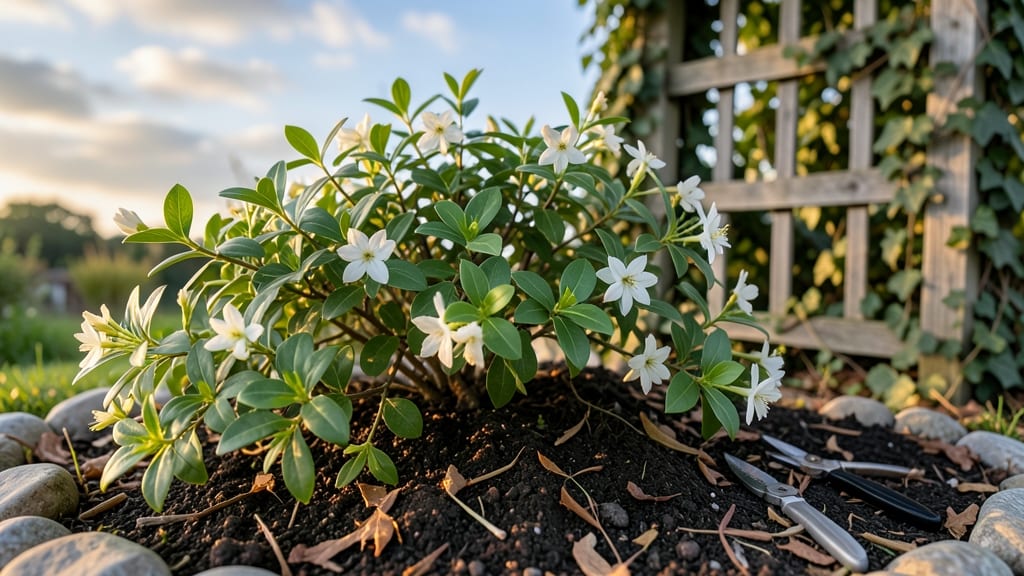
A jasmine flower tree pruning routine transforms your fragrant garden from seasonal bursts of scent to year-round blooming perfection. 🌿 I learned the hard way—skipping pruning meant my star jasmine spent all its energy on long, bare branches instead of those intoxicating white clusters.
The right cuts at the right time don't just shape the plant; they unlock healthier growth and more abundant flowers than you'd expect from a single tree.
Here's the game-changer: pruning isn't just about trimming back overgrowth—it's about understanding your jasmine's natural rhythm. Star jasmine (Trachelospermum jasminoides) thrives with a light touch after blooming, while Arabian jasmine (Jasminum sambac) responds better to post-winter shaping.
Both types reward you with stronger stems and denser foliage when you prune strategically, not just when you remember to grab the shears.
By summer's end, you'll see the difference: branches heavy with new growth, leaves glossier than before, and that signature jasmine fragrance filling your yard from June through October.
The key is timing—spring for shaping, summer for deadheading, and winter for cleanup—so your tree stays compact, productive, and free of pests that love overgrown jasmine.
Whether you're dealing with a sprawling vine or a neatly pruned shrub, this approach works for both. The same principles apply to container-grown jasmine too—just scale the cuts to match the pot size. Let's get those blooms back on track for next season.
📚 In This Guide
- What you need
- Instructions
- Tips and common mistakes
- Wrapping up and next steps
What you need
- ● Pruning shears: Bypass pruners (for clean cuts on small branches, 5–7 inches long, sharp stainless steel blades). ✨ Pro tip: Test sharpness on a scrap branch—dull shears crush, not cut!
- ● Loppers: Bypass or anvil type (for thicker branches, 8–12 inches long, with a comfortable grip).
- ● Hand saw: Pruning saw with curved blade (for branches over 2 inches thick).
- ● Gloves: Heavy-duty gardening gloves (to protect from thorns and sap).
- ● Disinfectant: 70% isopropyl alcohol or rubbing alcohol (to sterilize tools between cuts and prevent disease spread).
- ● Extension pole: Adjustable pruning saw or loppers (for high branches—save your back!).
- ● Tree wound dressing: Pruning sealant (controversial, but some swear by it for large cuts).
- ● Marking twine or tape: (to flag branches for removal before cutting).
- ● Bucket or tarp: (to collect clippings and debris).
- ● Safety glasses: (if working near your face or in windy conditions).
- ● Check the weather forecast—prune on a dry, overcast day (avoid rainy or windy conditions).
- ● Have a clear plan: Sketch your tree’s shape or note areas needing attention (thinning, rejuvenation, etc.).
- ● Wear comfortable clothing—long sleeves/pants protect from thorns and sun.
Step-by-step guide to pruning your jasmine flower tree for year-round beauty
Here's the seasonal approach I've perfected to keep my jasmine thriving and fragrant.
✂️ Step 1: Late Winter Pruning for Structure and Airflow
Start your pruning in late winter—just before new growth begins. This is when the tree is dormant but about to wake up, making it the ideal time to shape the structure. I focus on removing dead, diseased, or crossing branches first, using clean, sharp pruning shears. These branches won't regrow properly, and removing them early prevents the spread of potential infections.
Next, look for branches that are growing inward or rubbing against each other. These compete for sunlight and nutrients, weakening the tree's overall health. Cut them back to an outward-facing bud or branch. You'll notice the tree's natural shape start to emerge as you make these cuts—jasmine responds beautifully to thoughtful pruning. Aim to open up the center of the tree to improve airflow, which reduces humidity-related diseases like powdery mildew.
🌿 Step 2: Spring Pruning for Blooms and Bushiness
Once your jasmine shows new leaf growth in early spring, it's time for the second round of pruning. This is where you encourage bushier growth and more abundant blooms. I prune back about one-third of the previous year's growth, cutting just above a leaf node or bud that faces outward. This stimulates branching and ensures the tree doesn't grow too leggy.
Pay attention to any branches that are growing too long or thin—they often produce fewer flowers. Shortening these by one-third to one-half encourages the tree to put energy into new, stronger growth. You'll see the difference in just a few weeks: thicker stems and more clusters of those iconic fragrant blooms. Avoid heavy pruning after mid-spring, as new growth won't have enough time to harden off before winter.
☀️ Step 3: Summer Maintenance for Shape and Health
During the growing season, I do light maintenance pruning to keep the tree looking its best. This isn't about heavy cuts but rather tidying up—removing any dead flowers (deadheading) to encourage more blooms and trimming back any branches that are growing out of balance. Use sharp pruners and make cuts at a 45-degree angle just above a leaf node to promote healing and new growth.
Watch for any branches that are growing too close together or blocking sunlight from reaching the center of the tree. These can be lightly pruned to maintain an open, airy structure. Summer is also the time to remove any suckers or water sprouts that appear at the base of the tree. These compete with the main structure for nutrients and should be cut back to the ground. You'll notice the tree looks fuller and more vibrant as you keep up with this light maintenance.
⏰ Step 4: Fall Cleanup to Prepare for Winter
In late fall, after the tree has finished blooming but before the first frost, do a final cleanup. Remove any dead, diseased, or weak branches to prevent them from harboring pests or diseases over winter. I also prune back any overly long branches by about one-quarter to keep the tree manageable and encourage new growth in the spring.
This is also a good time to sanitize your pruning tools with rubbing alcohol to prevent the spread of any potential pathogens. As the tree enters dormancy, these final cuts help it focus its energy on root development rather than supporting unnecessary growth. You'll see stronger, healthier growth in the spring after this final pruning session.
Tips & tricks for perfect jasmine flower tree pruning
Here's what nobody tells you about keeping your jasmine thriving through every season.
Timing is Everything: Late winter pruning is your foundation—don't rush it! I've seen gardeners start too early when buds haven't even swollen yet. Wait until you see the first tiny green tips emerging from the buds, but before any leaves appear. This precise timing ensures you're not cutting off potential new growth while still removing those problematic crossing branches that compete for sunlight.
Tool Sharpness Matters: Dull pruning shears create jagged cuts that can tear the bark and invite infections. I keep a dedicated pair of bypass pruners just for my jasmine, and I sharpen them before each pruning session. For thicker branches, I use loppers—but always make clean cuts at a 45-degree angle just above a leaf node. This promotes faster healing and prevents water from pooling at the cut site, which can lead to rot.
Seasonal Adjustments: Spring's one-third reduction targets last year's growth to encourage bushiness, but summer maintenance is about finesse. When deadheading, I remove spent blooms by cutting just above the next set of leaves rather than pulling them off by hand. This prevents unnecessary stress on the plant and encourages more flowers to form at those nodes. In fall, that one-quarter reduction helps the tree focus energy on root development rather than supporting excess foliage.
Visual Cues for Pruning: Look for these telltale signs: branches growing inward will have leaves facing inward too, and crossing branches often have bark rubbed smooth where they touch. For spring pruning, aim to cut back to a bud that faces outward—this is your guide for maintaining an open structure. In summer, watch for suckers at the base that look different from the main trunk's growth pattern. These are your targets for removal.
Pro Tips for Jasmine Flower Tree
- Here's what nobody tells you about keeping your jasmine thriving through every season.
- Timing is Everything: Late winter pruning is your foundation—don't rush it!
- Tool Sharpness Matters: Dull pruning shears create jagged cuts that can tear the bark and invite infections.
Frequently asked questions
Got questions about keeping your jasmine flower tree happy and blooming? Here are some of the most common ones—plus straightforward answers to help you prune with confidence!
When is the best time to prune my jasmine tree?
The ideal time to prune is late winter or early spring (before new growth starts) or right after flowering. This keeps your tree healthy and encourages lush blooms. Avoid heavy pruning in fall—it can stimulate tender new growth that won’t survive winter. For Arabian jasmine, prune lightly after blooms fade to shape it.
How much can I trim back my jasmine tree?
You can safely prune 25-30% of the tree’s total growth in one session. For overgrown jasmine, spread pruning over two years to avoid stress. Cut back dead, diseased, or crossing branches first, then shape the canopy. Never remove more than 1/3 of the foliage at once—jasmine is resilient but not invincible!
Will pruning my jasmine tree reduce its flowers?
Not if done right! Pruning stimulates new growth, which often leads to more flowers—especially if you remove old wood. For star jasmine, prune lightly after blooming to encourage repeat flowering. Over-pruning can reduce blooms, so focus on selective trimming and timing (early spring or post-bloom).
What should I do if my jasmine tree isn’t blooming after pruning?
Check these first:
- Light: Jasmine needs 6+ hours of sun daily—shady spots = fewer blooms.
- Water: Drought stress can halt flowering; water deeply 1-2x/week in dry spells.
- Fertilizer: Use a balanced, bloom-boosting fertilizer (like 10-10-10) in spring.
- Age: Young trees may take 2-3 years to bloom—patience!
Can I grow jasmine from cuttings after pruning?
Jasmine root easily from semi-hardwood cuttings
(taken in spring/summer). Dip 4-6 inch cuttings in rooting hormone, plant in moist perlite/sand mix, and cover with a plastic bag. Keep in bright, indirect light and mist daily. Roots should form in 4-8 weeks—perfect for propagating your favorite variety!
Wrapping up and next steps
Your jasmine flower tree is now primed for year-round beauty—fragrant blooms, stronger growth, and a healthier structure! 🌸 Pruning isn’t just about trimming; it’s an investment in your tree’s long-term vitality. Whether you’re a seasoned gardener or a curious beginner, the key is consistency and care.
Ready to take the next step? Schedule a monthly check-in to monitor growth, remove dead branches, and shape your tree for optimal airflow. And why stop there? Share your progress with fellow plant lovers—your fragrant haven might inspire someone else’s green thumb journey! 🌿