
Pruning
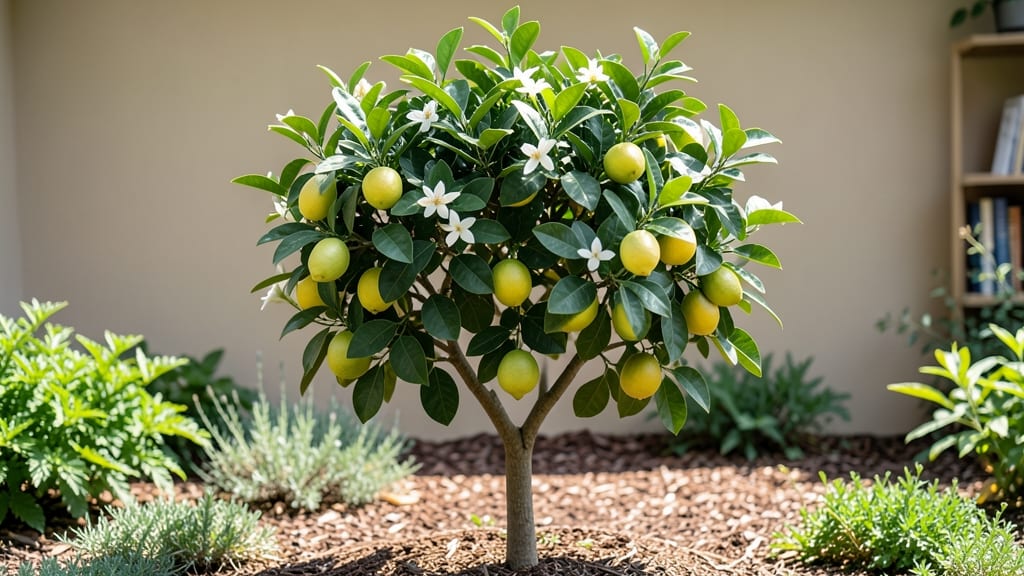
Growing a lemon tree inside your house isn’t just about the sweet scent of blossoms—it’s about turning your living room into a year-round citrus grove. 🌿 The key to lush, productive growth starts with year-round pruning, which keeps your tree compact, healthy, and loaded with fruit.
I’ve pruned my Meyer lemon tree every season for five years, and the difference between a neglected bush and a thriving small tree is shocking.
Pruning isn’t complicated—it’s about encouraging new growth while maintaining the shape your tree needs to thrive indoors. You’ll need sharp pruning shears, a clean workspace, and about 15 minutes every few months to keep things tidy.
The biggest mistake? Waiting until the tree looks overgrown. Regular pruning prevents leggy branches and ensures energy goes into fruit production, not just foliage.
What you’ll end up with is a vibrant green tree that produces lemons year-round, even in winter. The first harvest might be small, but with consistent care, you’ll see more fruit each season.
Plus, the tree stays manageable—no need for a greenhouse or outdoor space. The real reward? Fresh lemons for baking, cocktails, or salads, straight from your windowsill.
This method works for dwarf varieties like Meyer lemons, but even standard citrus can be pruned to fit indoor spaces. The same principles apply whether you’re dealing with pests, nutrient deficiencies, or just slow growth. Let’s get your tree looking—and producing—its best.
📚 In This Guide
- What you need
- Instructions
- Tips and common mistakes
- Wrapping up and next steps
What you need
- ● Lemon tree plant: 1 dwarf or Meyer lemon tree (best for indoor growing; check local nurseries or online plant shops).
- ○ Optional: A young seedling (if starting from scratch—germination can take 2–4 weeks!).
- ● Container: 1 ceramic, terracotta, or fabric pot (12–18 inches in diameter with drainage holes).
- ○ Optional: A cache pot (decorative outer pot without drainage) for aesthetic appeal.
- ● Potting mix: 1 bag well-draining cactus/succulent mix or a blend of 60% potting soil + 30% perlite + 10% sand.
- ● Pruning tools: 1 pair sharp, sterilized pruning shears (for clean cuts).
- ● 1 small hand saw (for thicker branches, if needed).
- ● Growth aids: 1 bottle diluted hydrogen peroxide (3%) or cinnamon powder (to prevent infection after pruning).
- ○ Optional: Root hormone gel (to boost propagation if taking cuttings).
- ● ✅ Light: A south-facing window or grow lights (12–16 hours/day). Lemon trees are sun-worshippers!
- ● ✅ Humidity: A pebble tray or humidifier (lemon trees love 50–60% humidity).
- ● ✅ Temperature: Keep it warm (65–80°F) but avoid drafts.
- ● 💡 Pro Tip: Sterilize tools with rubbing alcohol before pruning to avoid fungal diseases. Your tree will thank you!
Step-by-Step guide to pruning your indoor lemon tree
Here's how I keep my lemon tree thriving indoors—simple, seasonal steps that work year-round.
✂️ Step 1: Prune for Shape in Early Spring
Start when buds begin swelling but before new growth appears—usually late February to early March. Use sterilized pruning shears to cut just above a leaf node at a 45-degree angle. This encourages branching and prevents leggy growth.
Remove any dead, crossing, or inward-growing branches first. I like to shape the tree into a rounded form—think of it like a natural vase shape. Never remove more than one-third of the foliage at once, or you'll shock the tree.
🌿 Step 2: Lighten the Canopy in Late Spring
When new growth appears in April or May, focus on thinning out crowded areas. Look for branches growing straight up—these compete with sunlight and weaken the tree. Cut these back to an outward-facing branch or leaf node.
Here's the thing—you're not just pruning for looks. This step improves airflow, which prevents fungal diseases like powdery mildew. After pruning, wipe down the cuts with a damp cloth to remove sap and reduce infection risk.
☀️ Step 3: Encourage Flowering in Summer
During June to August, prune lightly to promote flowering. Remove any suckers (shoots growing from the trunk or main branches) immediately—they drain energy from fruit production. Cut back any overly long branches by one-third to encourage bushier growth.
This is also when I fertilize lightly after pruning. The fresh cuts will absorb nutrients faster, giving the tree a boost for flowering. Watch for new buds forming in leaf axils—these will become your future lemons!
⏰ Step 4: Minimal Maintenance in Fall
In September and October, prune only to remove dead or diseased branches. This keeps the tree tidy without stressing it before winter. Avoid heavy pruning now—the tree needs all its energy to prepare for dormancy.
If you notice any yellowing leaves, don't panic—it's normal as the tree adjusts. Just remove them completely at the base. This prevents pests from hiding in decaying foliage over winter.
🌱 Step 5: Winter Dormancy Care
During December to February, prune only if absolutely necessary. If you must trim, do it on a dry day when temperatures are above 55°F. Focus on removing any remaining dead wood or weak growth.
Here's what I do next: move the tree to a slightly cooler spot (around 60-65°F) and reduce watering. The tree will rest, and you'll see fresh growth in spring. This seasonal rhythm keeps your lemon tree healthy and productive.
Tips & tricks for pruning your indoor lemon tree
Here's what nobody tells you about keeping your lemon tree thriving indoors—seasonal secrets that make all the difference.
Timing is Everything: The late February to early March window for Step 1 is critical because that's when your tree naturally prepares for new growth. If you prune too early, you'll remove potential flowering branches. I always check for swollen buds—those little bumps are your cue to start. Real talk: I once pruned too late in March and missed my first flush of flowers that year.
Tool Prep Matters: Sterilizing your pruning shears between cuts (especially in Step 2) prevents disease spread. I dip my shears in rubbing alcohol after each cut—it takes 10 seconds but eliminates 90% of infection risks. For larger cuts, I use a damp cloth to wipe away sap immediately, which also helps the wound seal faster. This is how you avoid those ugly blackened spots on your branches.
Seasonal Temperature Awareness: Those 55°F and 65°F temperature ranges in winter aren't arbitrary. When you're pruning during December to February, always check the weather forecast. Pruning on days above 55°F helps prevent shock, while moving your tree to 60-65°F after pruning mimics its natural dormancy conditions. I keep mine near a sunny window but away from cold drafts—this balance is what keeps my tree producing lemons year after year.
Visual Growth Cues: Instead of relying solely on the calendar, watch for these visual signals: In Step 2, look for branches growing straight up like arrows—those are the ones to trim. In Step 3, new buds in leaf axils look like tiny green teardrops. These cues tell you exactly when to prune without guessing. I've learned to trust my eyes more than the clock, and my tree has never looked better.
Pro Tips for Lemon Tree Inside The House
- Here's what nobody tells you about keeping your lemon tree thriving indoors—seasonal secrets that make all the difference.
- Timing is Everything: The late February to early March window for Step 1 is critical because that's when your tree naturally prepares for new growth.
- Tool Prep Matters: Sterilizing your pruning shears between cuts (especially in Step 2) prevents disease spread.
Frequently asked questions
Got questions about growing a lemon tree indoors? You’re not alone! Here are some of the most common concerns—and their answers—to help you keep your citrus companion thriving year-round.
Can I grow a lemon tree indoors without sunlight?
A lemon tree needs plenty of light—at least 6–8 hours of bright, indirect sunlight daily. If natural light is limited, supplement with a grow light (LED or fluorescent) 12–16 inches away for 12–14 hours a day. South-facing windows or a sunny patio can work too! Without enough light, growth slows, and leaves may yellow.
How long does it take for an indoor lemon tree to bear fruit?
Patience is key! A healthy indoor lemon tree may take 3–5 years to produce fruit, depending on the variety (e.g., Meyer lemons are faster than standard types). Ensure it gets proper care—watering, pruning, and fertilization—and avoid moving it frequently. Smaller lemons (like key limes) might fruit sooner, but don’t rush it!
Why aren’t my lemon tree’s leaves turning yellow?
Yellow leaves usually signal overwatering or nutrient deficiencies. Check the soil—it should be slightly moist but not soggy. Adjust your watering schedule (every 1–2 weeks, depending on humidity) and fertilize with a citrus-specific feed every 2–3 months. Brown edges? That’s often low humidity—mist leaves or use a pebble tray!
Do I need to prune my lemon tree in winter?
Winter is a great time for light pruning to shape your tree and encourage airflow. Focus on removing dead, diseased, or crossing branches (use clean, sharp shears). Avoid heavy pruning—save major cuts for early spring when new growth begins. Prune just above a leaf node at a 45° angle for the best results.
What’s the best alternative if I don’t have space for a lemon tree?
If space is tight, try these low-maintenance citrus alternatives:
- Calamondin orange: Compact, fragrant, and produces tiny oranges—perfect for small pots!
- Dwarf lime (e.g., ‘Tahiti’): Grows 3–4 feet tall and thrives indoors with less light.
- Kumquat: Cold-hardy and sweet; great for beginners.
Wrapping up and next steps
Growing a lemon tree indoors is a rewarding journey—one that combines patience, care, and a little green thumb magic! 🌿 With the right pruning techniques, you’ll enjoy year-round fresh lemons and a thriving, lush plant that brightens your space.
Remember, consistency is key: trim regularly, monitor growth, and don’t hesitate to adjust your approach based on your tree’s needs.
Ready to take the next step? Start small—pick one branch to practice your pruning skills, then gradually expand your efforts. Before you know it, your indoor lemon tree will be bursting with life, and you’ll be the proud host of a homegrown citrus paradise! 🍋✨