
Trees
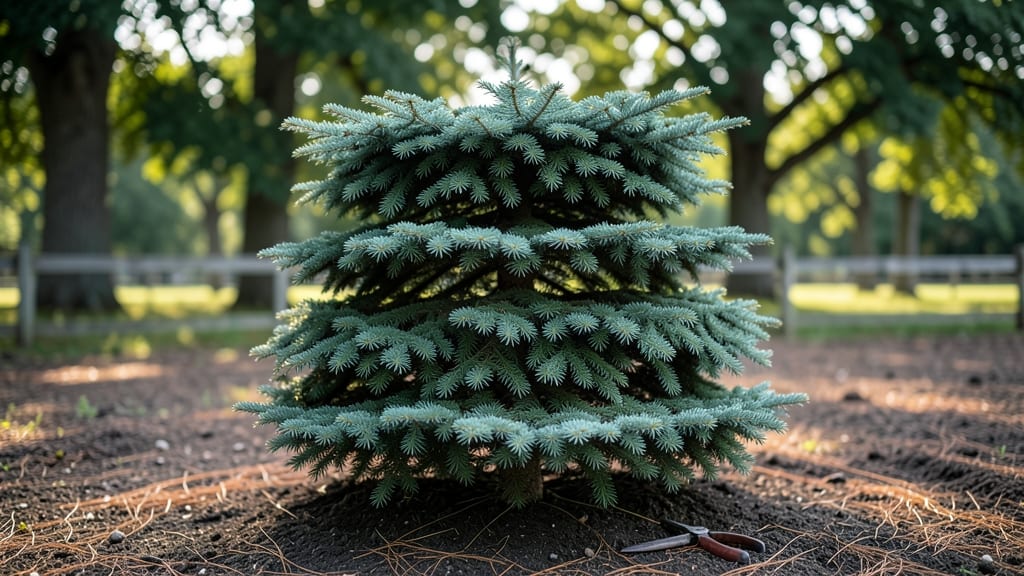
The Leyland cyprus trees thrive in the Pacific Northwest’s chilly climate when pruned with precision. I've learned the hard way that aggressive cuts in winter can shock these evergreens—so timing matters more than most gardeners realize.
These trees grow fast, but their cold resistance comes from proper shaping, not brute force. The right pruning turns them from scraggly specimens into the neighborhood's envy-worthy privacy screens.
You'll need sharp loppers, a sturdy ladder, and a clear morning to tackle branches over 6 inches thick. Start by removing dead or crossing branches first—this opens the canopy for sunlight and air flow, which keeps the tree healthy through winter.
The key is to prune just after new growth appears in early spring, before the heat of summer stresses the tree. Most people over-prune, but Leyland cypress can handle 20-30% of their foliage removed without stress.
What you end up with is a tree that stays dense year-round, even in Zone 7's cold snaps. The needles stay vibrant green, the branches grow uniformly, and you avoid the "Christmas tree" look that happens when pruning is too late.
This method also reduces pest pressure—less dense growth means fewer hiding spots for spider mites and bagworms. The payoff? A tree that looks manicured all season with minimal effort.
Works for both new plantings and established trees—just adjust the pruning intensity based on age. For young trees, focus on shaping; for mature ones, prioritize thinning. The Pacific Northwest's damp climate means you'll prune in dry weather only to avoid fungal issues. Let's get those shears ready!
📚 In This Guide
- What you need
- Instructions
- Tips and common mistakes
- Wrapping up and next steps
What you need
- ● Leyland cypress trees – Healthy, mature specimens (aim for 10–20 feet tall, depending on your space and design goals).
- ● Pruning shears – Sharp, bypass-pruning shears (for branches under ½ inch thick).
- ● Loppers – For thicker branches (½–1½ inches).
- ● Pruning saw – For branches over 1½ inches in diameter.
- ● Gloves – Heavy-duty, cut-resistant gloves to protect your hands from thorns and sharp branches.
- ● Disinfectant – 70% isopropyl alcohol or a 10% bleach solution to sterilize tools between cuts (prevents disease spread).
- ● Rake or tarp – To collect and dispose of pruned branches and debris.
- ● Ladder or extension pole – For safely reaching higher branches (ensure it’s stable and rated for your weight).
- ○ Pruning sealant (optional but recommended) – Tree wound sealant to protect large cuts from pests and disease.
- ● Cold-hardy fertilizer – Slow-release, balanced fertilizer (10-10-10 or similar) to boost recovery post-pruning. Apply in early spring.
- ● Burlap or frost cloth – For wrapping newly pruned areas if late-season frost is expected in your zone.
- ● Mulch (wood chips or pine straw) – 2–4 inches of organic mulch around the base to insulate roots in winter.
- ● ✨ Timing is key: Prune Leyland cypresses in late winter or early spring (before new growth starts) to avoid cold damage.
- ● 🔥 Check the forecast: Avoid pruning if a hard freeze (<20°F) is predicted within 48 hours.
- ● 🎯 Inspect first: Remove any dead, diseased, or crossing branches before shaping the tree.
Step-by-step guide for pruning cold-hardy Leyland cypress trees
Here's how to keep your Pacific Northwest Leyland cypresses healthy and thriving through winter.
Time Your Pruning for Maximum Cold Resistance
Prune your Leyland cypresses late winter to early spring, just as new growth begins. This timing ensures the tree has time to heal before summer heat arrives. In the Pacific Northwest, aim for February through March when temperatures stay above 32°F to prevent frost damage to fresh cuts.
Look for swollen buds along the branches—this is your signal that the tree is waking up from dormancy. Pruning too early can leave cuts exposed to harsh winter winds, while waiting too long risks encouraging new growth that won't harden off before fall.
Use Proper Tools and Technique for Clean Cuts
Grab your sharp bypass pruners for smaller branches and a pruning saw for anything thicker than ½ inch. Dull tools crush branches, making them more susceptible to disease. Always make cuts at a 45-degree angle, about ¼ inch above a lateral bud or branch collar.
Never leave stubs—this creates weak points where pests or rot can enter. If you're removing large branches, make a second cut just outside the branch collar to avoid tearing the bark. I like to sterilize my tools with rubbing alcohol between cuts to prevent spreading disease.
Shape for Wind Resistance and Airflow
Leyland cypresses grow fast, so focus on opening the canopy to reduce wind resistance. Remove crossing branches first—they rub together and create wounds. Then, thin out overcrowded interior growth to improve airflow, which is critical in the Pacific Northwest's damp climate.
Step back frequently to check your shape. The goal is a pyramidal form with a dense top and gradually thinning base. Avoid cutting more than ¼ of the tree's foliage in one season—this stresses the tree and weakens its cold tolerance.
Clean Up and Protect Against Winter Damage
Rake up all fallen debris and dispose of it properly—this removes hiding spots for pests and diseases. If you notice any brown or mushy branches, prune them out immediately and check for signs of canker disease, which thrives in wet Pacific Northwest winters.
For extra protection, apply a light layer of mulch around the base (but not touching the trunk) to insulate roots. Water deeply before the first hard frost to help the tree establish reserves for winter. In exposed areas, consider wrapping young trees with burlap if temperatures are expected to drop below 15°F.
Monitor and Adjust for Pacific Northwest Conditions
Check your tree in early summer to see how it recovered. New growth should be vibrant green and evenly distributed. If you notice yellowing or sparse growth, you may have pruned too aggressively—scale back next time.
In the Pacific Northwest, Leyland cypresses often face root rot from winter rains. If the soil stays soggy for weeks, consider raising the planting bed slightly or improving drainage. A healthy tree will bounce back quickly, but consistent moisture stress weakens cold hardiness.
Tips & tricks for pruning cold-hardy Leyland cypresses
These pro tips will help you prune your Pacific Northwest Leyland cypresses like a local arborist—without the mistakes that weaken winter resilience.
Timing is Everything: The February through March window isn't just arbitrary—it's when your tree's natural growth hormones kick in. I've seen trees pruned too early develop frost damage on fresh cuts, while late pruning can encourage tender new growth that won't survive our winters. Check for swollen buds as your visual cue, but always confirm the forecast shows nights staying above 32°F for at least 3-4 days after pruning.
Tool Technique That Saves Trees: That 45-degree angle cut isn't just about looks—it directs water runoff away from the branch collar, preventing rot. For branches thicker than ½ inch, make your first cut just outside the branch collar on the underside, then complete the cut on the top side. This prevents bark tearing, which creates perfect entry points for canker disease in our damp climate. I keep rubbing alcohol handy to wipe tools between cuts—it's the difference between a healthy tree and one battling fungal infections.
Shape with Purpose: The pyramidal form isn't arbitrary—it's about wind resistance. In exposed Pacific Northwest sites, I often see homeowners cut too much from the bottom, creating a "widowmaker" shape that catches wind. Focus on removing crossing branches first (they'll rub and create wounds), then thin the interior by 10-15% to improve airflow. Remember: never remove more than ¼ of the foliage in one season, especially for young trees still establishing their root systems.
Pacific Northwest-Specific Protection: That burlap wrap recommendation isn't just for show—it's critical when temperatures dip below 15°F. I've seen young Leyland cypresses completely defoliated after single-digit nights without protection. For mature trees, focus on proper mulching (2-3 inches deep, kept away from the trunk) and deep watering before the first frost. The goal is to give your tree's roots the energy reserves they'll need to push out new growth in spring.
Pro Tips for Leyland Cyprus Trees
- These pro tips will help you prune your Pacific Northwest Leyland cypresses like a local arborist—without the mistakes that weaken winter resilience.
- Timing is Everything: The February through March window isn't just arbitrary—it's when your tree's natural growth hormones kick in.
- Tool Technique That Saves Trees: That 45-degree angle cut isn't just about looks—it directs water runoff away from the branch collar, preventing rot.
Frequently asked questions
Got questions about Leyland cypress trees?
You’re not alone! These fast-growing evergreens are stunning but come with unique care needs—especially in the chilly Pacific Northwest. Below, we’ve answered the most common queries to help you keep your Leyland cypress thriving year-round.
1. How cold-hardy are Leyland cypress trees really?
Leyland cypress trees (× Cupressocyparis leylandii) are USDA Hardiness Zones 6–10, meaning they can handle temps as low as -10°F to 0°F. However, younger trees or newly planted specimens may need winter protection (like burlap wraps or mulch) in Zone 6 to prevent frost damage. In the PNW, where cold snaps can be brutal, pruning in late winter helps reduce stress.
2. Should I prune Leyland cypress in winter or summer?
For cold-resistant health, prune Leyland cypress late winter to early spring (before new growth starts). Avoid pruning in summer—it stresses the tree and makes it vulnerable to canker disease. In the PNW, February–March is ideal. Never prune in fall, as late-season growth won’t harden off before winter.
3. How much can I trim back without harming the tree?
Leyland cypress are highly resilient to pruning, but avoid cutting back more than 1/3 of the foliage at once. For shaping, focus on removing dead branches, crossing limbs, and thinning the interior to improve airflow. Pro tip: Use sharp, sterilized shears to prevent disease, and never top the tree—it encourages weak, disease-prone growth.
4. What’s the best alternative if Leyland cypress struggle in my PNW climate?
If your Leyland cypress consistently suffer frost damage, consider these cold-tolerant alternatives:
- ‘Green Giant’ Arborvitae (Thuja standishii) – Zones 5–8, hardier but slower-growing.
- ‘Leichtlin’ Cypress (Cupressus macrocarpa) – Zones 6–9, more drought-resistant.
- ‘Emerald Green’ Arborvitae – Zones 4–8, compact and cold-tough.
These options retain their shape better in wind and ice—common PNW challenges.
5. Why are my Leyland cypress branches turning brown?
Brown branches in Leyland cypress usually signal one of three issues:
- Winter burn – Dry, crisp air (common in PNW) sucks moisture from foliage. Solution: Water deeply before winter and mulch the base.
- Canker disease – Fungal spots on branches. Solution: Prune infected areas 12 inches below the damage and sterilize tools.
- Over-pruning – Too much trimming in one season weakens the tree. Solution: Space pruning 2–3 years apart.
Act fast! If more than 25% of the tree is brown, consult a local arborist to assess root health.
Wrapping up and next steps
Transforming your Leyland Cypress into a thriving, cold-resistant beauty doesn’t have to be overwhelming—just strategic! With the right tools, timing, and techniques, you can shape these fast-growing trees into stunning landscape stars while keeping them resilient against Pacific Northwest winters. 🌲❄️
Ready to take action? Start by marking your calendar for late winter or early spring—your ideal pruning window—and grab your tools. Then, channel your inner arborist: prune with purpose, protect with patience, and watch your Leyland Cypress flourish! The next step? Roll up your sleeves and get pruning! 🌟